I’ve spent the better part of two decades running a men’s magazine, which means I’ve sat through roughly four hundred conversations about how luxury is finished. The pandemic was going to kill it, then inflation was, and now it’s the cost-of-living crisis.
Someone keeps forgetting to tell Cartier.
Richemont, the Swiss giant behind Cartier, Van Cleef & Arpels, Vacheron Constantin, A. Lange & Söhne and Jaeger-LeCoultre, has just banked €12.3 billion (AU$20.4 billion) in sales in six months. Sales are up 17% and profit is up 39% to €2.5 billion (AU$4.2 billion).
Those would be good numbers in a boom. Right now they’re borderline rude.
Curated news for men,
delivered to your inbox.
Join the DMARGE newsletter — Be the first to receive the latest news and exclusive stories on style, travel, luxury, cars, and watches. Straight to your inbox.
The real story is where all that money came from, and it wasn’t the stuff the fashion houses have been flogging.
Jewellery led the charge, with sales up 19%. For every euro Cartier and Van Cleef take, around 35 cents is left over once the running costs are paid, which is the kind of margin most businesses would sell a kidney for.
The reason is obvious once you say it out loud. A Cartier Love bracelet looks exactly as good this year as it did in 1969, and it’ll look just as good when your grandkids are fighting over it. Nobody wakes up one morning and decides their Van Cleef Alhambra is embarrassingly last season.
Now compare that with a $5,000 runway jacket that looks dated before the next collection drops. When everything from rent to a matcha costs more than it used to, people think harder about what they’ll still own in thirty years, and permanence is beating relevance by a distance.
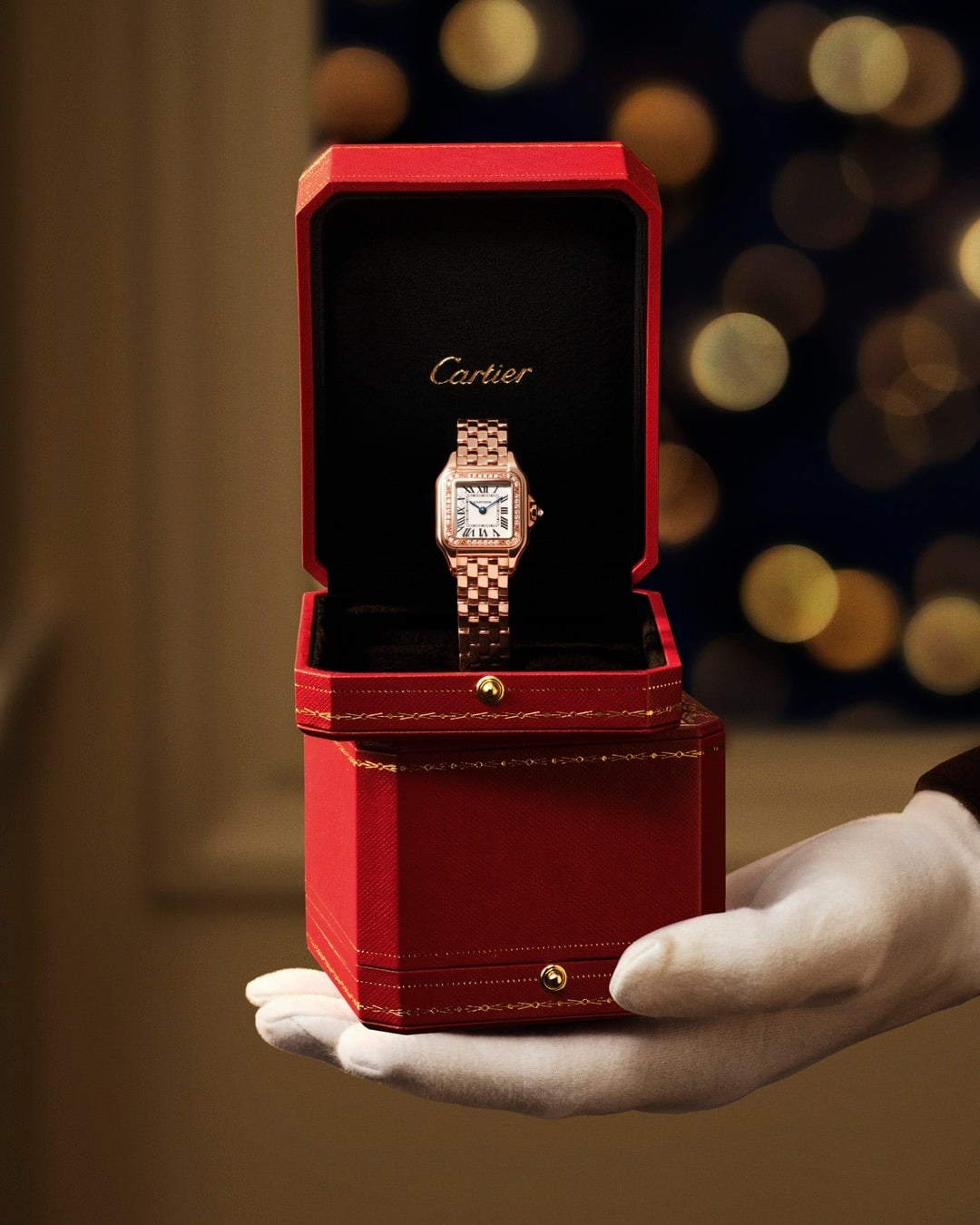
Cartier also sits in the sweetest spot in luxury right now. It makes proper high jewellery and seriously good watches at the top end, but most people know it for something far more approachable, a watch that’s as much a fashion piece as a timepiece.
Take the Tank. Buy a Tank Must and you get a quartz movement, and nobody at Cartier pretends otherwise. You’re paying for one of the most elegant shapes ever put on a wrist and a name that genuinely means something, which feels refreshingly honest when so many watch brands are charging eye-watering money for yet another steel sports watch.
It isn’t cheap, but it isn’t astronomical either. It’s still very much luxury, just not the off-the-charts kind that requires a purchase history and a long lunch with a sales associate before they’ll even show you the good stuff.
And it works brilliantly on women. I’ll say it plainly, there’s nothing better than a woman wearing a Cartier. A Tank on a leather strap or a Love bracelet on the wrist just screams class, and that crossover appeal is something most of the big Swiss names would kill for.
The timing has helped too. Gen Z has gone full zesty, falling hard for smaller, dressier watches, and after a decade of blokes wearing 44mm dive watches that never went near the water, the whole market has wandered straight into Cartier’s strengths.
Then look at who Cartier puts its watches on. There’s our own Jacob Elordi, Rami Malek and, until Bvlgari poached him this year, Jake Gyllenhaal.
Gyllenhaal can do macho when a role calls for it, but none of them are the usual athletes or square-jawed action heroes flexing a chronograph. They’re stylish, a bit arty and comfortable in their own skin, which is exactly the bloke who wants a Tank rather than a Submariner.
As a watch tragic, the next bit made me happiest. Richemont’s specialist watchmakers grew sales 10% and tripled their profit from €50 million (AU$83 million) to €150 million (AU$250 million), with Vacheron Constantin, Jaeger-LeCoultre and A. Lange & Söhne doing the heavy lifting.
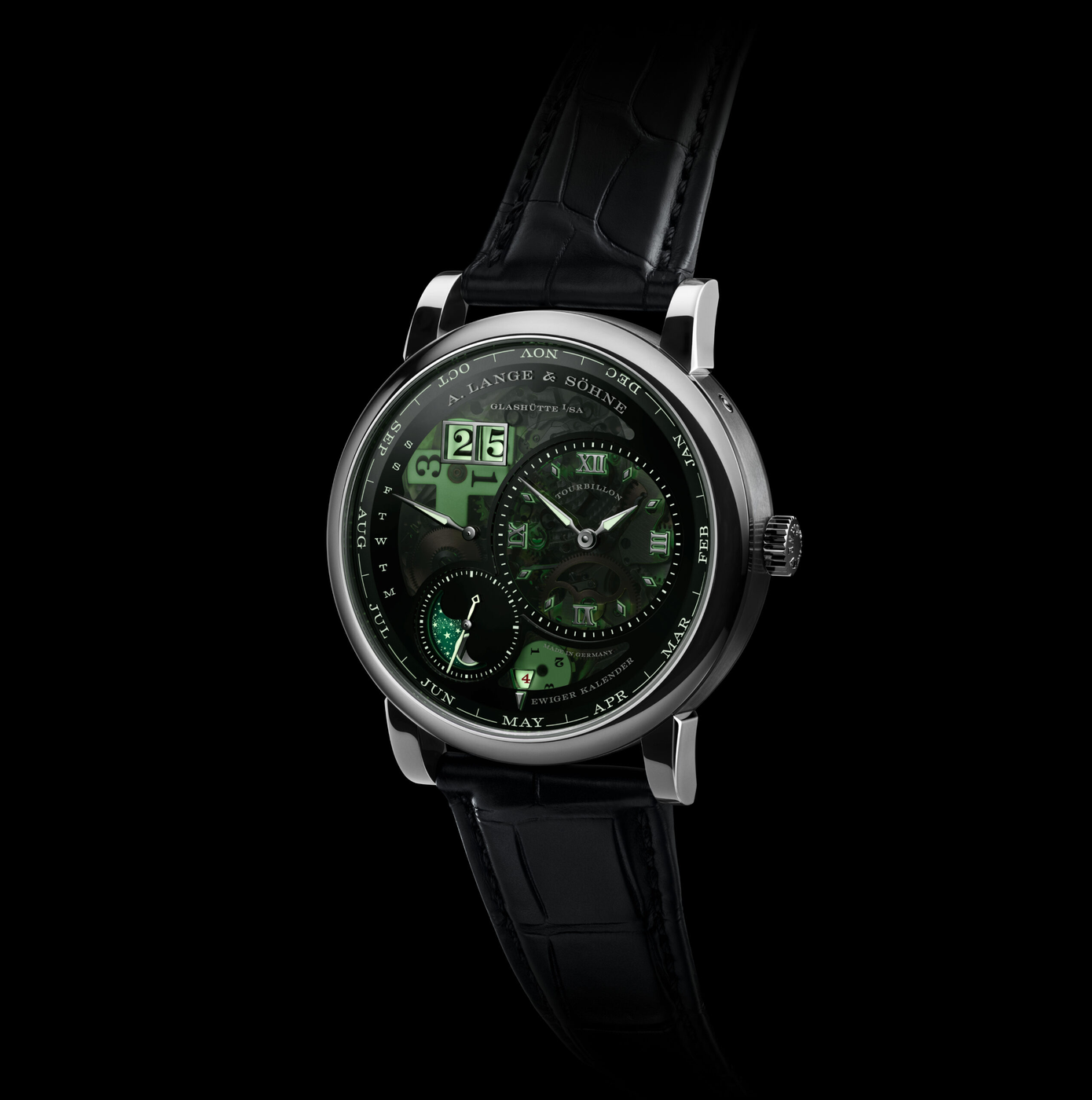
That makes sense, because all three have hit a purple patch of genuinely strong releases this year. They’re also three of the most serious names in high watchmaking, the kind collectors talk about in hushed tones while everyone else argues about resale values on Instagram.
For a few years there, the watch world felt more like the property market than a hobby. People bought things they’d never wear because a waiting list told them to, then flipped them on the grey market before the box had gone cold. I knew people who could quote secondary prices to the dollar but couldn’t tell you what a tourbillon does.
These results suggest that era is fading, and good riddance to it. Buyers are rewarding genuine craft and properly good new watches again, even if the big three are clearly out in front.
Don’t crack the champagne just yet, though. The watch business keeps less than nine cents of every euro against jewellery’s 35, so watches are only slowly recovering, and they’re a very different game to selling diamond bracelets.
Where the money’s coming from has shifted too. For most of the last fifteen years, you could predict a luxury brand’s results by checking how Shanghai shoppers were feeling, and that’s no longer the case.
Japan was the standout, up 30%, followed by the Americas on 23%, the rest of Asia Pacific on 16% and Europe on 13%. Only the Middle East and Africa went backwards, slipping 2%.
So Americans are spending, Japan is flying, helped no doubt by tourists treating Ginza like a duty-free warehouse, and Europe is holding steady. China is the one still dragging its feet, at least when it comes to the fancy watches.
Richemont hasn’t tightened the belt on making you want this stuff, either. It spent roughly €1 billion (AU$1.7 billion) on marketing in six months, despite record gold prices and an economy that’s been wobbling for years, while plenty of brands slash that budget first and then act surprised when nobody remembers who they are.
The biggest takeaway is that expensive and desirable have quietly become two different things. Luxury spent the last few years jacking up prices at a rate that had very little to do with better materials or finer craftsmanship. Plenty of us noticed, as resale values made painfully clear, and plenty of us kept paying anyway, until we didn’t.
People are still happy to spend extraordinary money on extraordinary things. What they’re losing patience with is paying extraordinary money for ordinary things wearing an expensive logo.
Figures from Richemont’s FY27 interim results, published 13 November 2026. Growth figures at constant exchange rates. AUD conversions at approximately €1 to AU$1.66.
