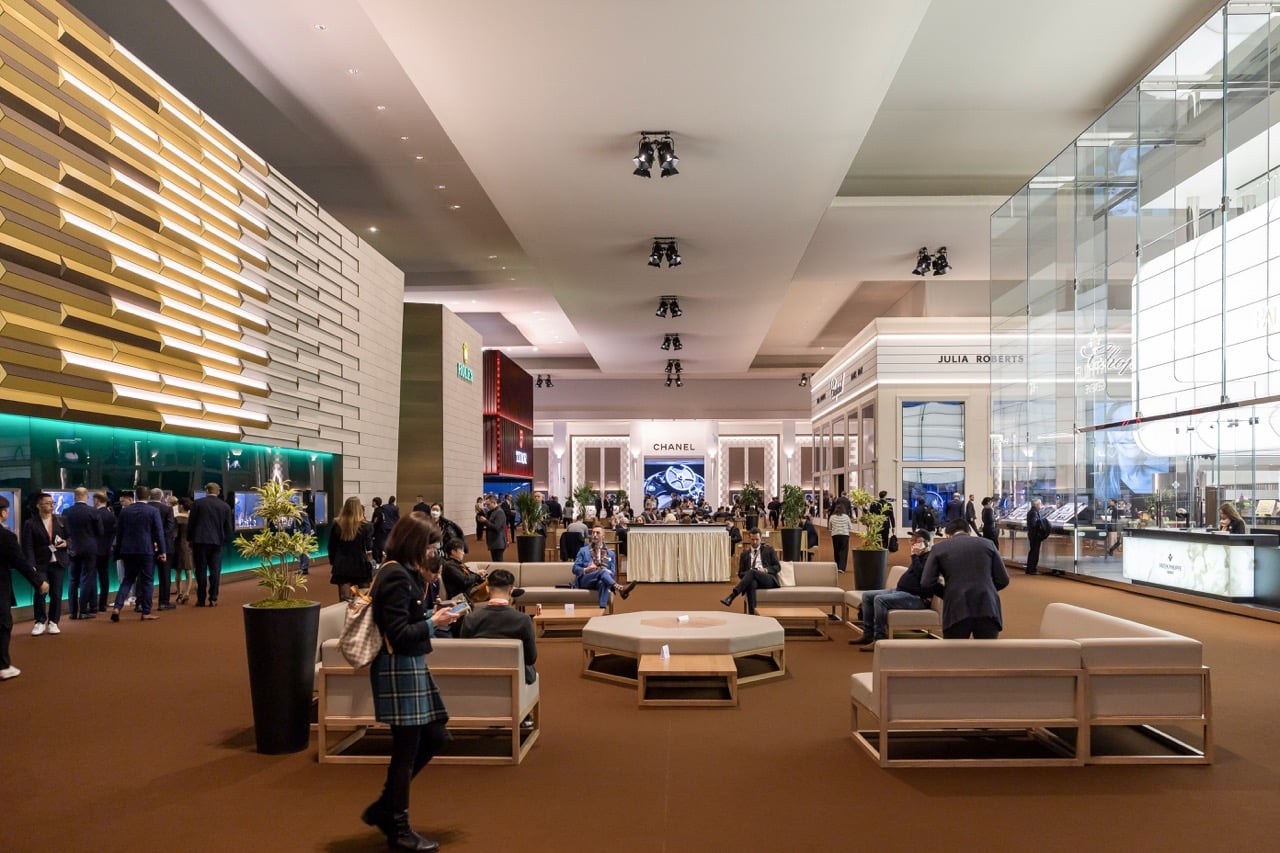
Watches & Wonders 2026 is done. The booths will be packed down, the champagne flutes in the dishwasher, and every Aussie watch journalist in Geneva is quietly praying for a long-haul flight home with a flat bed. It was a big four days. It always is.
Some brands turned up swinging, others phoned it in, and a few are clearly going through an identity crisis in public.
Flying 35 hours from Sydney via China to sit through 65 briefings sharpens the opinions pretty quickly.
You can tell within five minutes of walking into a booth whether a brand has brought it or whether they’ve sent their second-string novelties. We are journalists and entitled to our opinions. Remember opinons are like assholes everyone has them.
Curated news for men,
delivered to your inbox.
Join the DMARGE newsletter — Be the first to receive the latest news and exclusive stories on style, travel, luxury, cars, and watches. Straight to your inbox.
Here’s how it shook out from where we were sitting. No shade just observations.
RELATED: The 17 Best Watches From Watches & Wonders 2026
IWC (Score 8/10)
A very commercial, easy-to-buy collection after last year’s F1 The Movie takeover.
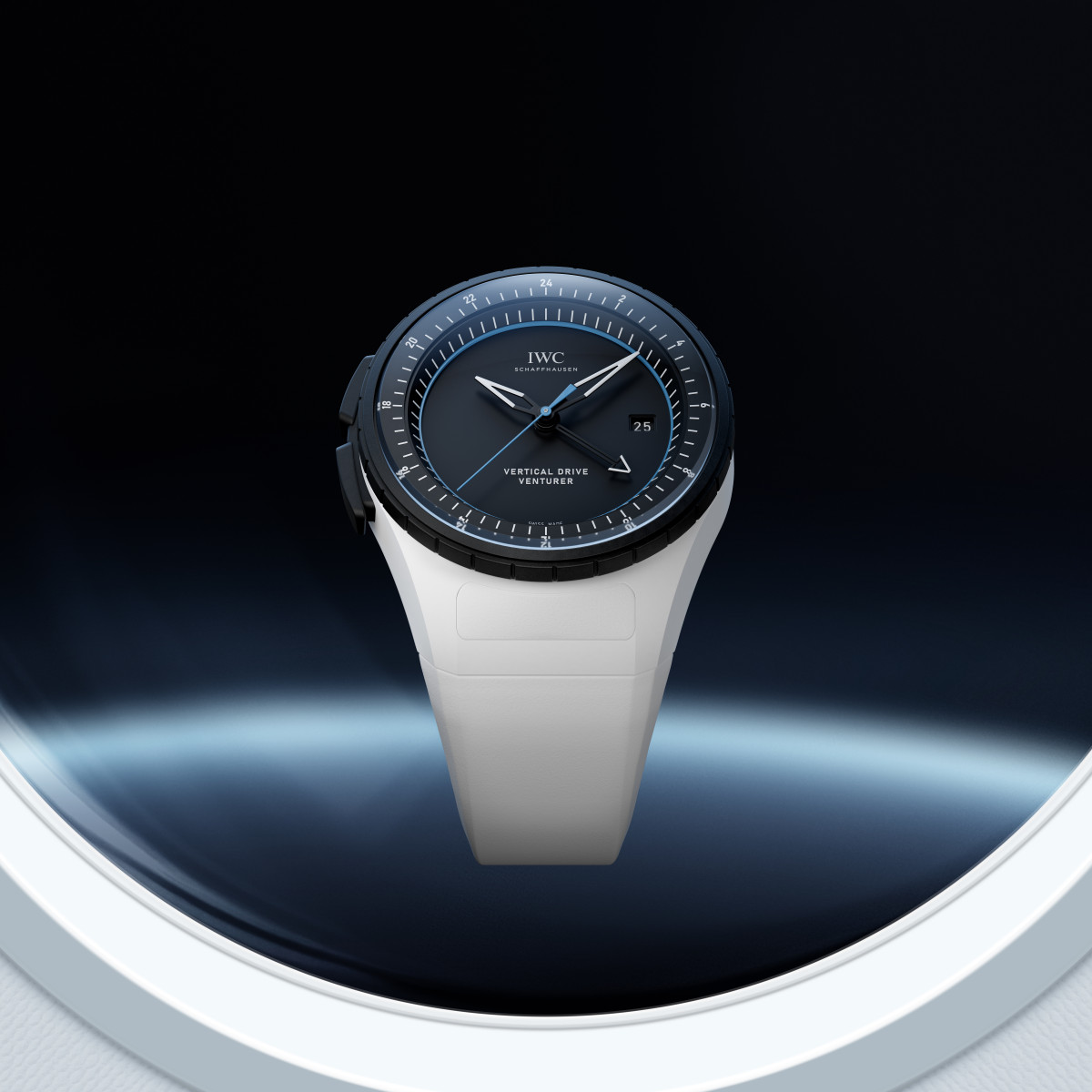
IWC came to play. Yes, they’re still banging the same space drum, which at this point is about as exciting as reading the terms and conditions on a parking app, but the rest of the collection more than made up for it.
The Le Petit Prince line was overdue for an update and they delivered in spades. The 42mm white ceramic chronograph is a proper killer piece, genuinely one of the cleanest releases of the week, and the gold version is equally strong. Different watch, different buyer, same hit rate. Ceramic done right is very hard to do, and IWC has the manufacturing chops to pull it off where others just produce something that looks like a kitchen tile.
Then there’s the concept Pilot’s Venturer Vertical Drive, which was one of the genuine standouts of the whole fair. The kind of watch that makes you stop walking through the booth and actually pay attention. Concepts are where brands show you what they’re capable of, and IWC showed plenty.
The Big Pilot’s Watch Perpetual Calendar Ceralume is cool too, even if Bell & Ross did something very similar about 10 years ago. Commercial collection, strong execution, proper hits. That’s a W&W win.
Rolex (Score 5/10)
Tough year for the crown.
Pulling the Pepsi GMT from the catalogue was the headline that dominated the first 48 hours of the fair, and for good reason. That watch has been a secondary market darling for years and the Chrono24 search requests spiked the moment the news broke. A proper story, but not the one Rolex wanted leading the news cycle.
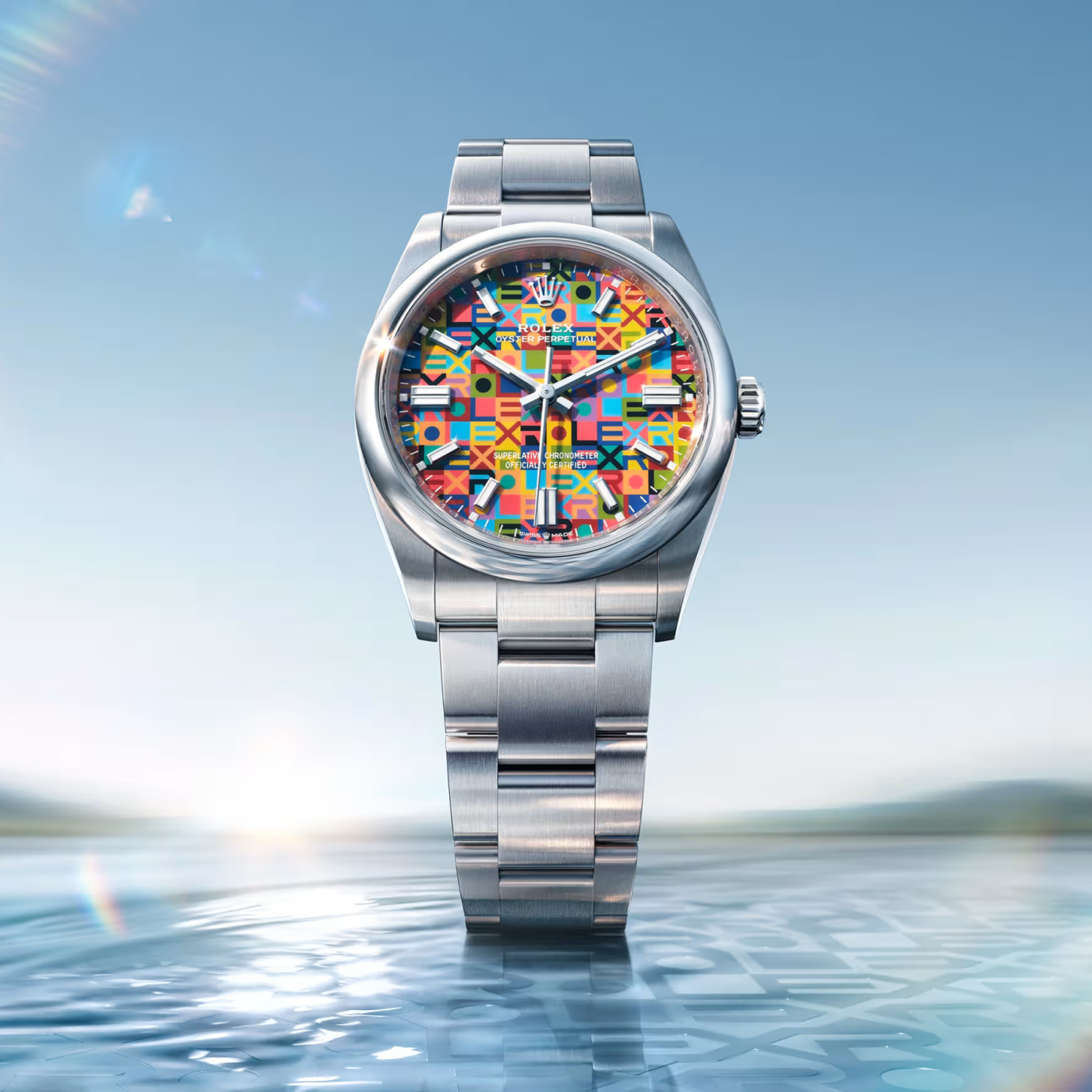
Then they arrived at the 100-year anniversary of the Oyster Perpetual and it was all a bit… dull. You only get a centenary once. You swing for the fences or you don’t bother. Rolex tapped it into the slips.
The 41mm Datejust with the green shadow dial was a highlight, I’ll give them that. A genuinely handsome watch that will move units. But overall, it just didn’t feel like a big year for Rolex.
They’ve got something cooking for May, which should see more models released, so fingers crossed, but the whispers suggest more astronaut territory. A trip to Uranus, perhaps. Brands really need to find a new story. Space travel was relevant in 1965. It’s 2026. Let’s move on.
Hublot (Score 7/10)
Hublot really pushed the boat out this year and it paid off.
The Big Bang Reloaded is a proper hit, the colours are excellent, and the watch looks genuinely dope on the wrist. I’ll be honest, I used to not understand the brand at all. Too loud, too much, too try-hard. It’s growing on me more and more.
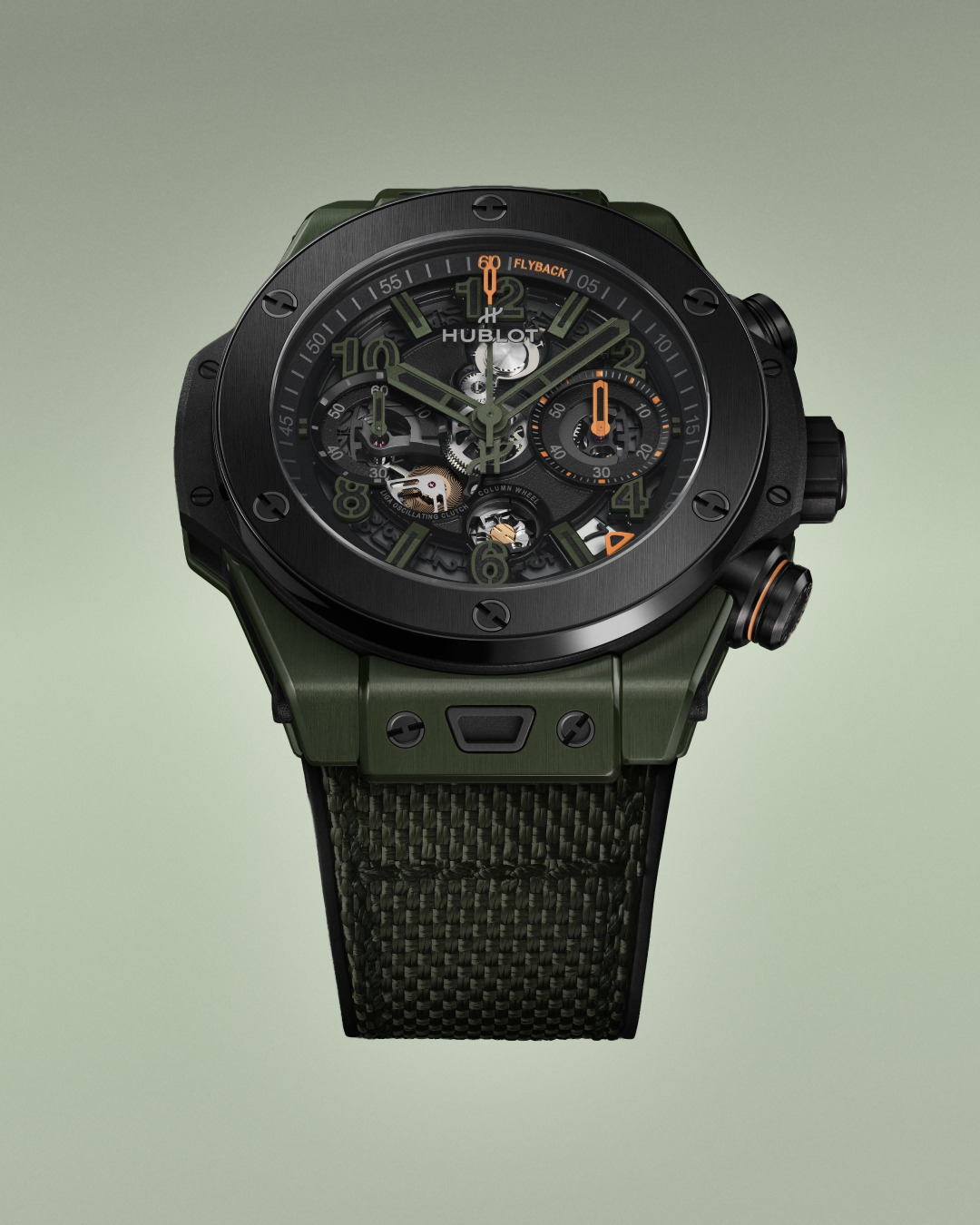
Their signature model program is what watchmaking should look like in 2026. Novak Djokovic, Usain Bolt, and now Kylian Mbappé. These are cultural figures at the absolute top of their fields, and the watches feel like cultural objects that genuinely reflect them, not just a logo slapped on a dial for a paycheck.
It reminds me of 1980s skateboarding, when signature decks meant something because the athletes actually shaped the products. That energy is rare in watches. Most brand ambassadors are glorified catalogue models. Hublot has figured out how to do it properly, and the watches themselves are genuinely desirable, not just collector curiosities. That’s the difference.
Baume & Mercier (Score: 4/10)
The brand is in a big transition under its new owners and last year felt like a real hit.
Plenty of cool, affordable novelties at a time when most brands are pricing themselves out of every conversation that isn’t happening in Monaco. This year was a lot more low key. They just didn’t bring the big hits to the fair.
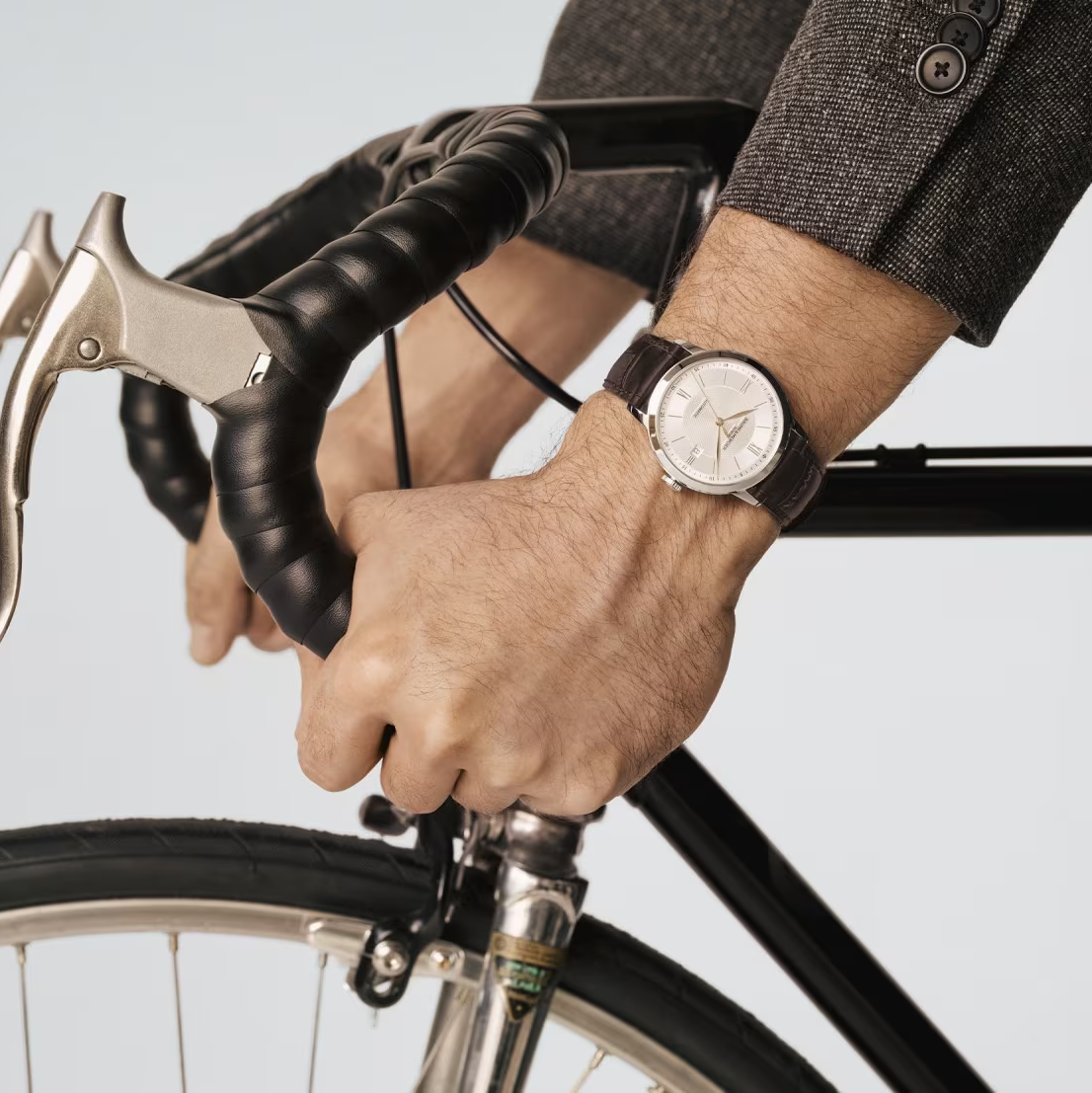
We did love the Clifton, which we featured in our best affordable watches story the other day. It’s a proper watch at a proper price, and that matters more than ever right now. But it wasn’t enough to carry the whole stand.
I’ve got a real soft spot for Baume and I want to see big things under the new ownership. The brand has history, it has the price point most competitors would kill for, and it has a clean design language that doesn’t need much to come alive. Next year needs to be a statement year. Bring it on.
Audemars Piguet (Score: 8/10)
Having AP back at the fair, even with the collection dropped pre-Watches & Wonders, was genuinely great to see. It deserves to be there. It felt like the old school SIHH days when AP was part of the main event rather than running their own private circus across town.
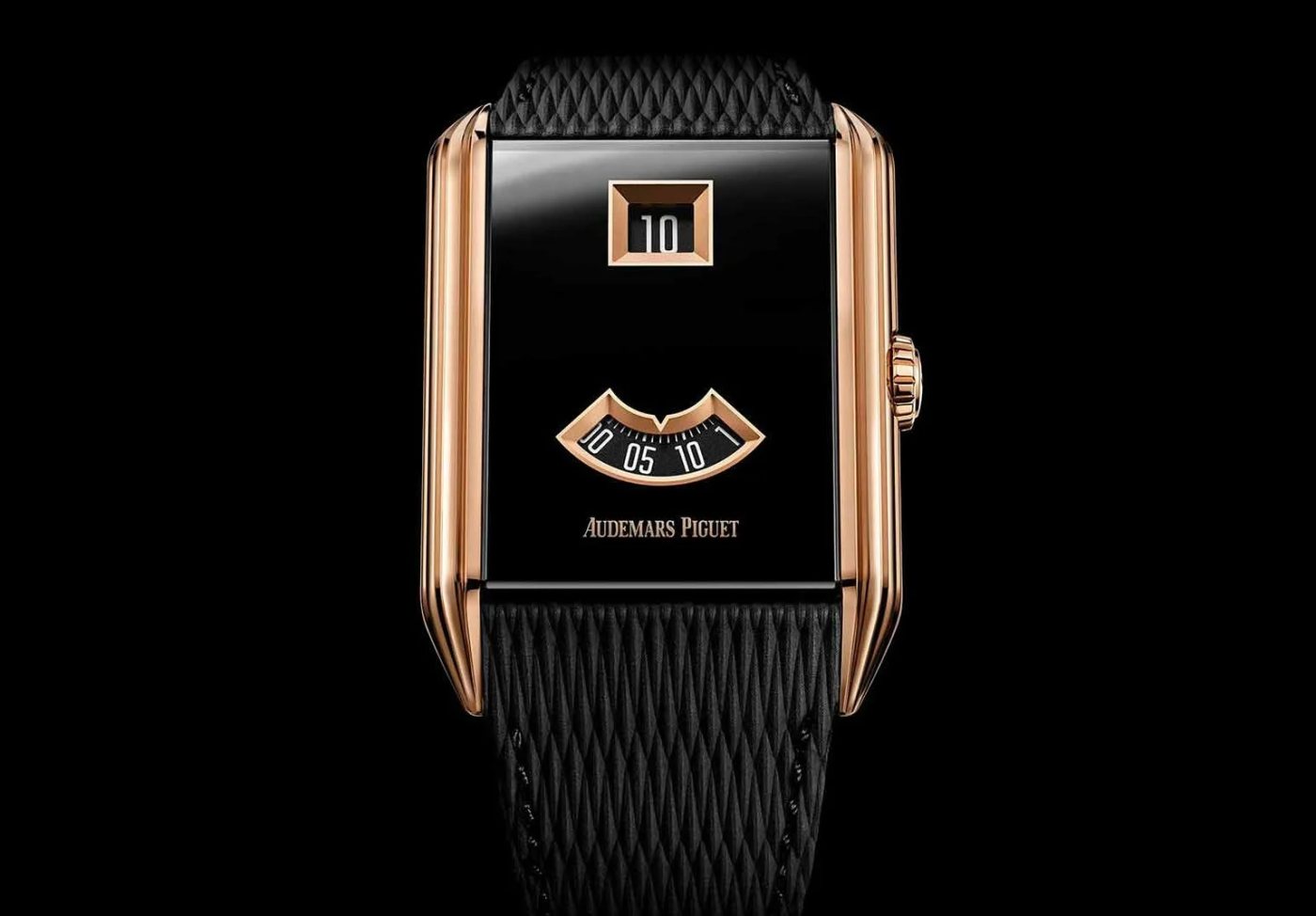
The activation looked excellent too.
Romer Mac, our man on the ground in Geneva, got to experience it firsthand and came back raving. It’s just nice to have something fun at the fair that people can immerse themselves in, rather than being cut off from everything like Rolex and Patek who prefer their sealed glass boxes and timed appointments.
AP does have its head up its own arse from time to time, there’s no pretending otherwise. The Royal Oak mythology has been milked pretty hard in recent years. But this space at W&W felt like something for the people, which is the opposite of the usual energy.
Credit where it’s due.
Bremont (Score 3/10)
Ever since Giles and Nick left the business, this brand has been on a very different trajectory.
Even with Bill Ackman putting his dubloons into fuel its survival, the key release this year, the Supernova Chronograph, wasn’t their best work. More space exploration stuff. The watch is no Spanish sunset.
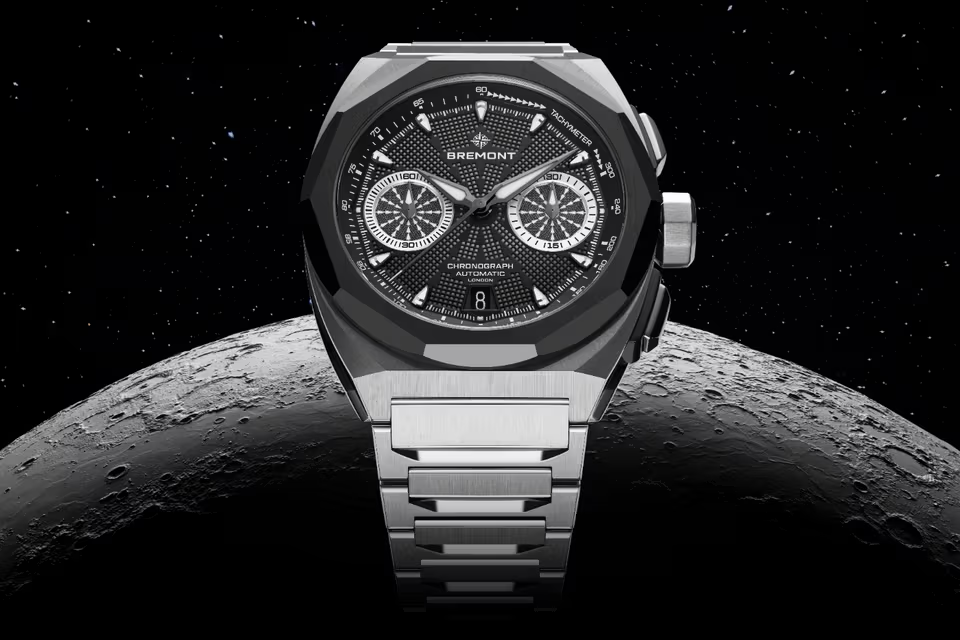
Bremont was missing the sizzle this year. The brand used to have a very clear identity built on British military aviation, ejection-seat certifications, and proper tool-watch credentials. That DNA has been diluted and replaced with something that feels far less focused.
More ejection seats, please, and less space travel. We want Mustangs and Spitfires going head to head with ze Germans. That’s what Bremont is really about, and it’s why I personally own one. Get back to the story that made the brand, before it’s too late to find your way home.
Raymond Weil (4/10)
This one stings because it didn’t have to happen.
Raymond Weil is celebrating its 50th anniversary this year, a massive milestone for any brand, let alone an independent one in a market that has been consolidating for two decades. They had a lot of new watches to show. They just didn’t show them.
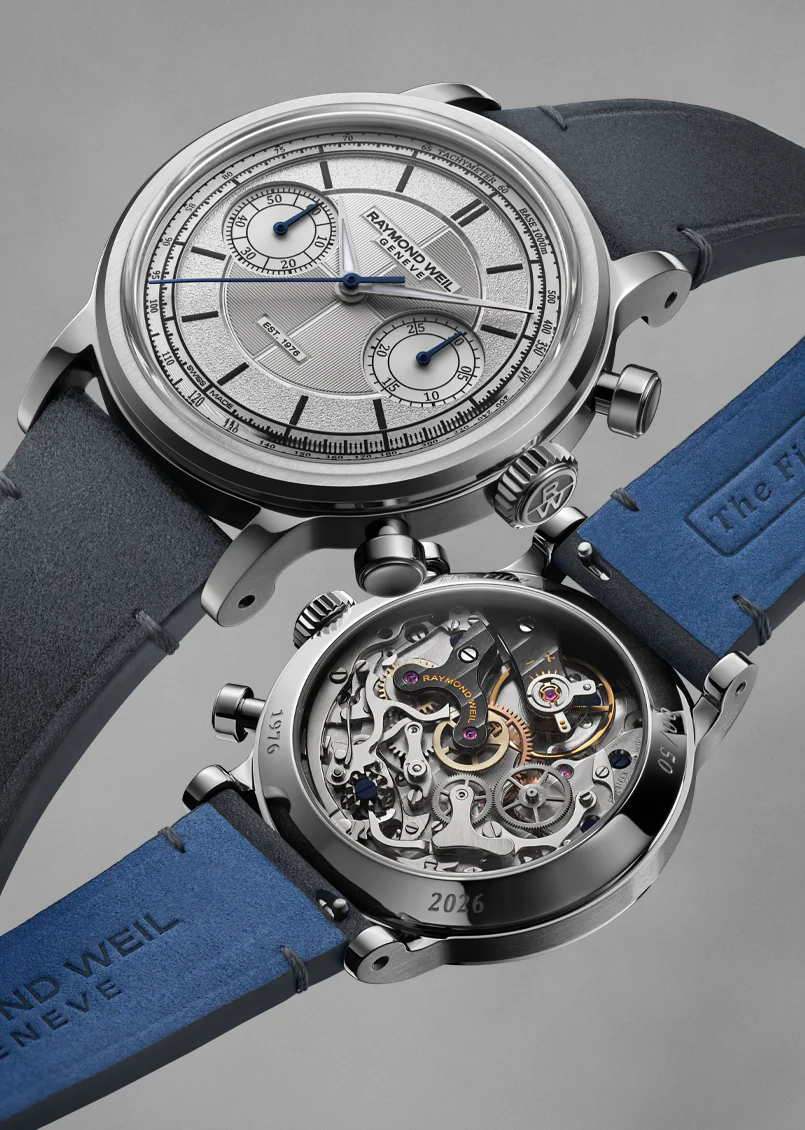
Everything we’ve seen was under embargo, and what wasn’t was super cool but already sold out.
When journalists fly 30 hours across the world to see and write about watches, only to arrive at a booth where everything is to be released later in the year, that is a waste of our time. We want to see the novelties. We want to write about them, post them on socials, and create buzz in the buzziest moment of the year for the watch brands.
On a 50-year anniversary year, those watches deserved to be front and centre in the main collection, not hidden away for a press release drop six weeks later. Bell & Ross used to do this, and it drove journalists mad.
A misstep in what should have been a victory lap on 50 years.
Oris (Score 7/10)
Never thought I’d say this, but Oris really delivered a spectacular affordable timepiece this year.
The Artelier Complication is a slam dunk, no way about it. Great design, genuinely unique (which is hard to do these days when everyone is cribbing from the same 1960s catalogue), great colours, and priced correctly.
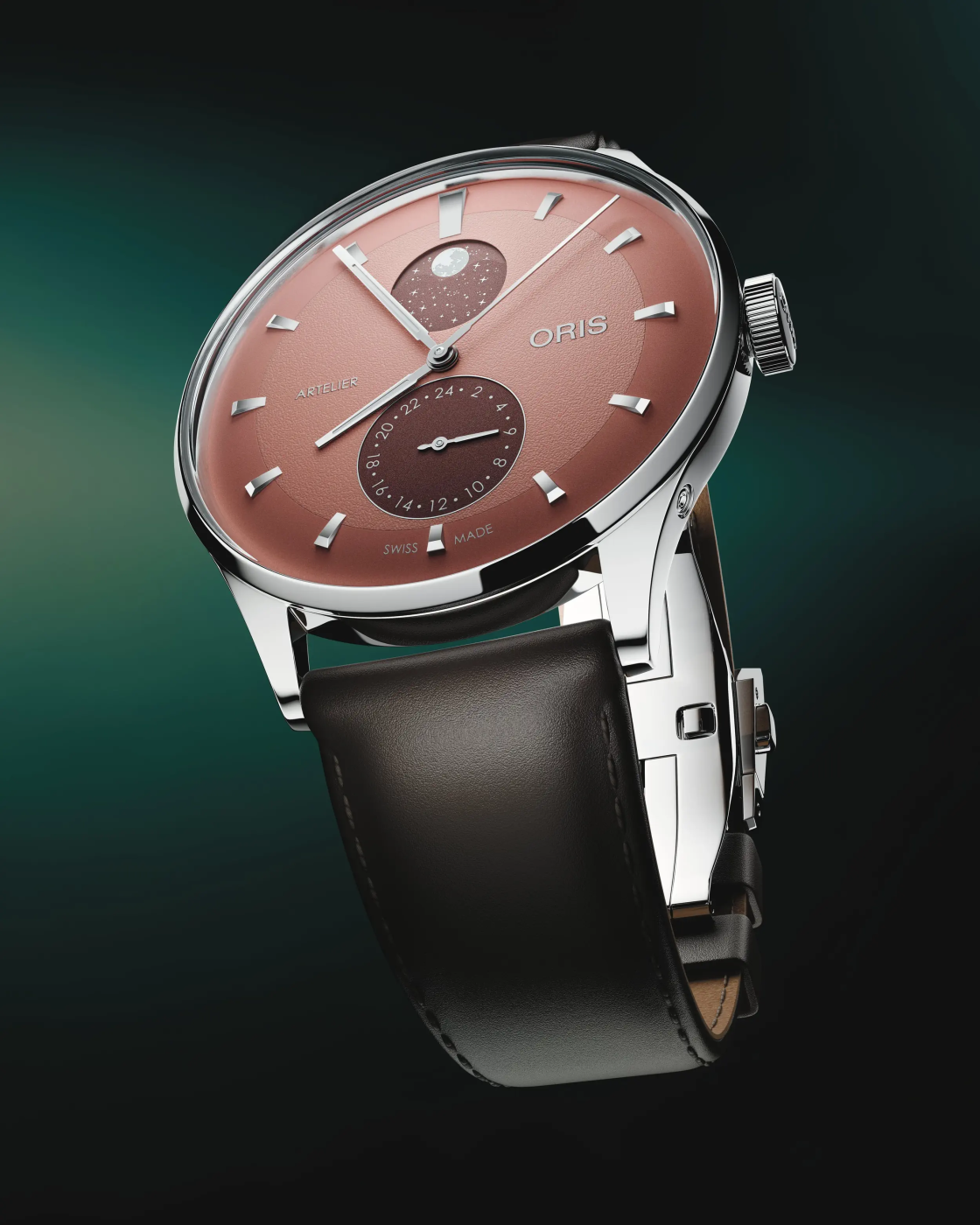
Oris has always been a sleeper brand. The kind of name that watch nerds respect but that doesn’t often break through into mainstream desire. That might be about to change.
The Artelier Complication feels like a watch that could actually turn heads in the wild, and the price point means it’s attainable for buyers who aren’t ready to drop 20 grand on a first serious watch.
Now they actually feel ready to be taken seriously. Full marks and respect to the team.
A. Lange & Söhne (Score: 9/10)
They received our watch of the fair this year, and honestly, they can do no wrong. The Lange 1 Tourbillon Perpetual Calendar “Lumen” is a stunning timepiece. It’s a grail watch with a modern edge, which is an incredibly hard balance to strike. Most brands land on one side or the other. Lange lands on both.
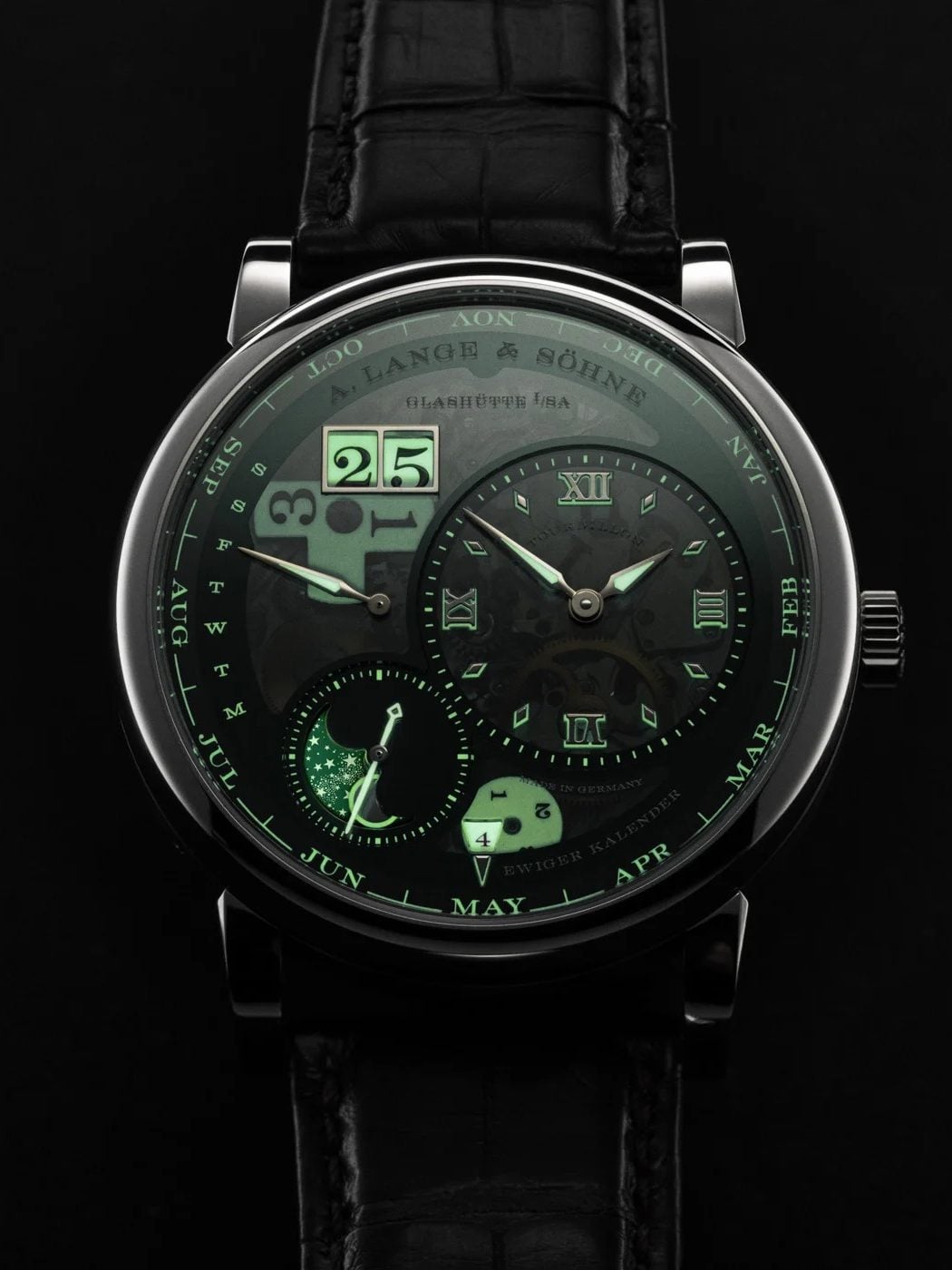
The movement finishing on this watch, as with everything Lange does, is at a level that most of the industry can only aspire to. You can stare at the caseback for an hour and keep finding new details. That’s not marketing spin. That’s what actually happens when you flip one over.
Here’s the thing with Lange. When you have the option of an ALS on your wrist, why the fuck would you buy a Patek? So you can look like a Sydney real estate agent? No thanks. Lange is the connoisseur’s choice and it’s not even close. The Lumen just makes that case louder than ever.
RELATED A. Lange & Söhne Just Opened Its Most Ambitious Boutique Right Here In Sydney
Honourable Mentions for Watches & Wonders 2026
Cartier bringing back the Roadster was a ballsy move and we’re here for it. The original had a cult following and the relaunch looks like it honours the design without trying to modernise it into something unrecognisable. That’s a hard needle to thread and they threaded it. Let’s see how it goes commercially.
JLC needed a big fair and the Master Control Chronometre could get them back onto a lot of shopping lists. The bracelet design alone is f*cking stunning. JLC has been quietly producing some of the best dress watches in the business for years, and this collection feels like the first time in a while that the marketing matches the product. Full marks there.
Grand Seiko putting their UFA movement into a dive watch makes total sense and shows the brand thinking commercially rather than just technically. The UFA is one of the most accurate mechanical movements ever made, and sticking it in a tool watch that people will actually wear daily, rather than a dress watch that lives in a safe, is exactly the right call.
And TAG giving the Monaco an overhaul was a smart call. The watch needs more love. It’s a real icon of the brand and of motorsport, and it’s been drifting a bit in recent years with too many variants and not enough focus. A proper refresh was overdue.
DMARGE’s Two Seconds
W&W 2026 had its moments, but the space travel storytelling needs to be retired.
We’re a year away from brands launching watches inspired by the Mars colony, and frankly, we’d rather see more vintage-inspired tool watches, more signature collaborations with actual cultural figures, and a lot more risk-taking.
The brands that won this year were the ones that told a story you could actually feel. Let’s see what 2027 brings when there are fewer wars and more money in consumers’ pockets to spend on fancy things like watches.

