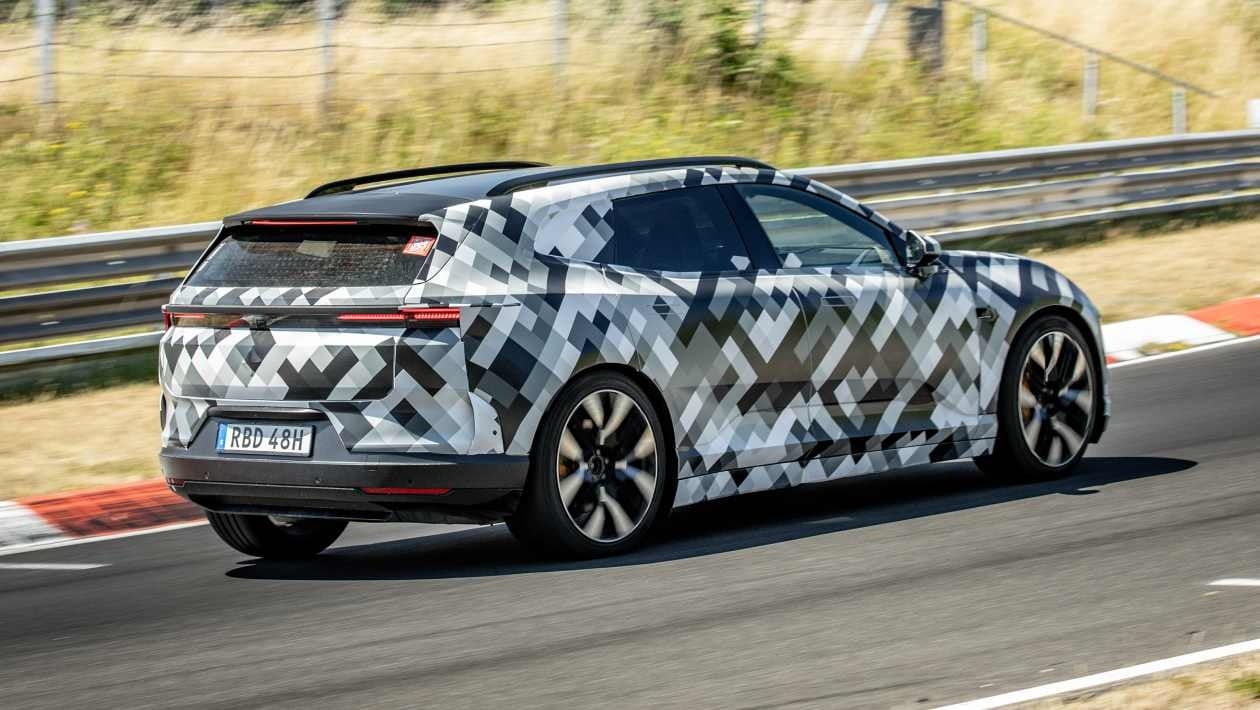
When the Polestar 4 arrived in 2023, it did something no mainstream production car had attempted. It removed the rear window entirely.
Instead of glass, drivers got a roof-mounted camera feeding a digital rear-view mirror. Polestar argued the change created more space for rear passengers and pointed toward where automotive design was heading.
Three years on, the company is heading somewhere slightly different.
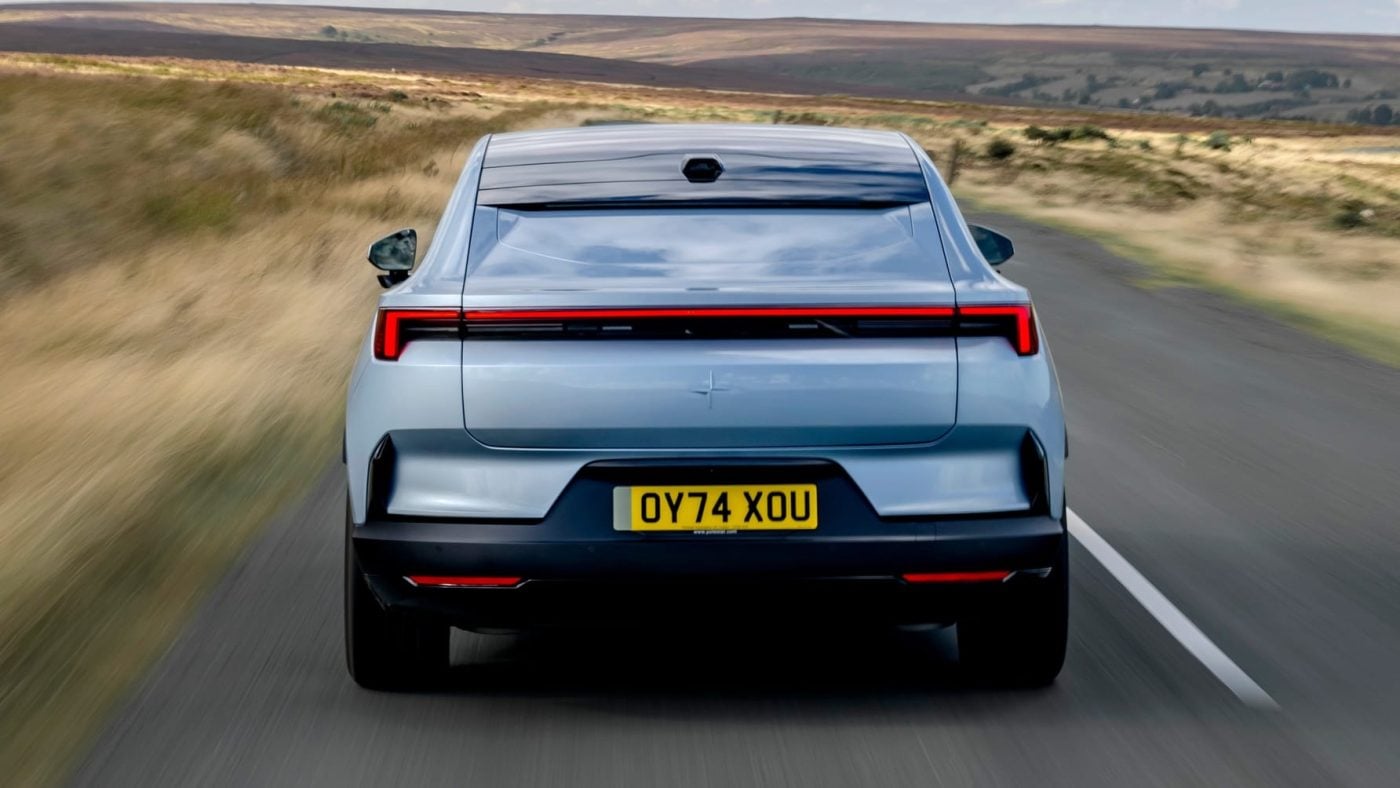
The new Polestar 4 SUV is a more practical sibling to the existing Coupé, and it comes with one very familiar feature restored. An actual rear windscreen, made of actual glass, doing the job rear windscreens have always done.
RELATED: Polestar 4: A Performance SUV That Breaks The Luxury Mould
Curated news for men,
delivered to your inbox.
Join the DMARGE newsletter — Be the first to receive the latest news and exclusive stories on style, travel, luxury, cars, and watches. Straight to your inbox.
A Small Change That Says Quite A Bit
Polestar’s position is that the new model targets buyers who want greater practicality. The taller roofline, larger tailgate and more upright rear end create additional luggage space and make the car better suited to families and a wider range of lifestyles.
Taking a closer look, it also suggests that removing the rear window was a bolder call than the market was ready to follow. The camera system worked and the design was genuinely distinctive, but a meaningful number of buyers were not prepared to give up conventional rear visibility, however capable the digital alternative.
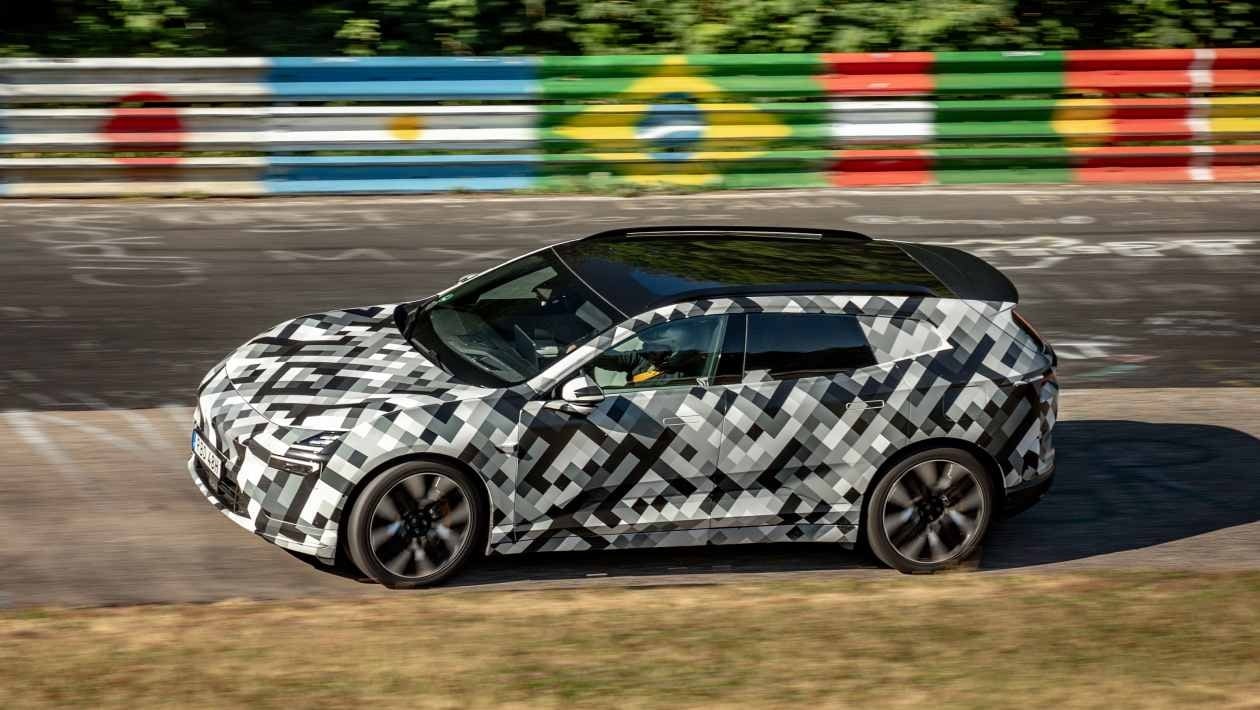
Polestar has not said that directly, but the decision to build an SUV variant with a rear window alongside a Coupé that still does not have one tells its own story.
Polestar is not particularly interested in putting the new model into a neat category. Whether buyers see it as an estate, an SUV or something in between is up to them. Either way, the rear window is back, and the car feels more practical and approachable because of it.
RELATED: Polestar And Oxford Want To Measure What Driving Actually Feels Like
More Practical Without Giving Up Performance
The changes to the back end have not come at the expense of what made the Polestar 4 compelling in the first place.
Buyers can choose between rear-wheel-drive and all-wheel-drive versions with outputs of up to 536 horsepower, and Polestar has carried over the suspension upgrades recently introduced on the Coupé, covering revised dampers, springs, anti-roll bars and steering calibration aimed at improving both comfort and handling response.
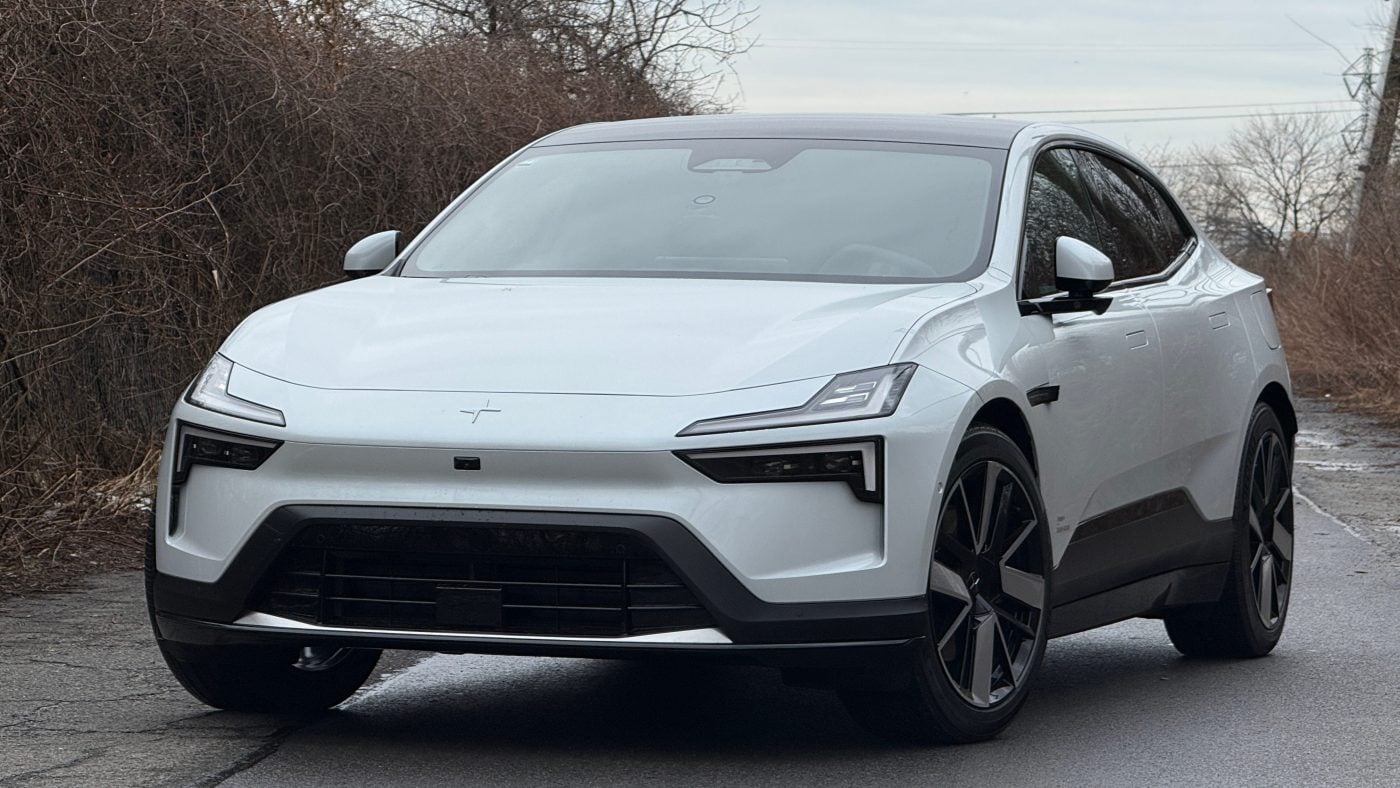
The more upright body shape also turns out to be better aerodynamically in certain conditions. Polestar claims the longest-range version will cover 391 miles on the WLTP cycle, slightly ahead of the existing Coupé’s 385-mile maximum, which is a useful rebuttal to anyone assuming the practical version must have compromised on range.
Production will run alongside the Coupé at Renault Korea’s Busan factory, with the global reveal set for 2 September.
The original Polestar 4 was one of the more genuinely daring design statements the EV industry produced. Ditching the rear window was a real commitment to a vision rather than a marketing exercise, and it earned the car attention it would not otherwise have received.
The SUV version walking some of that back is not a failure of nerve so much as a practical recognition that bold ideas and broad market appeal do not always overlap as neatly as a design team might hope.

