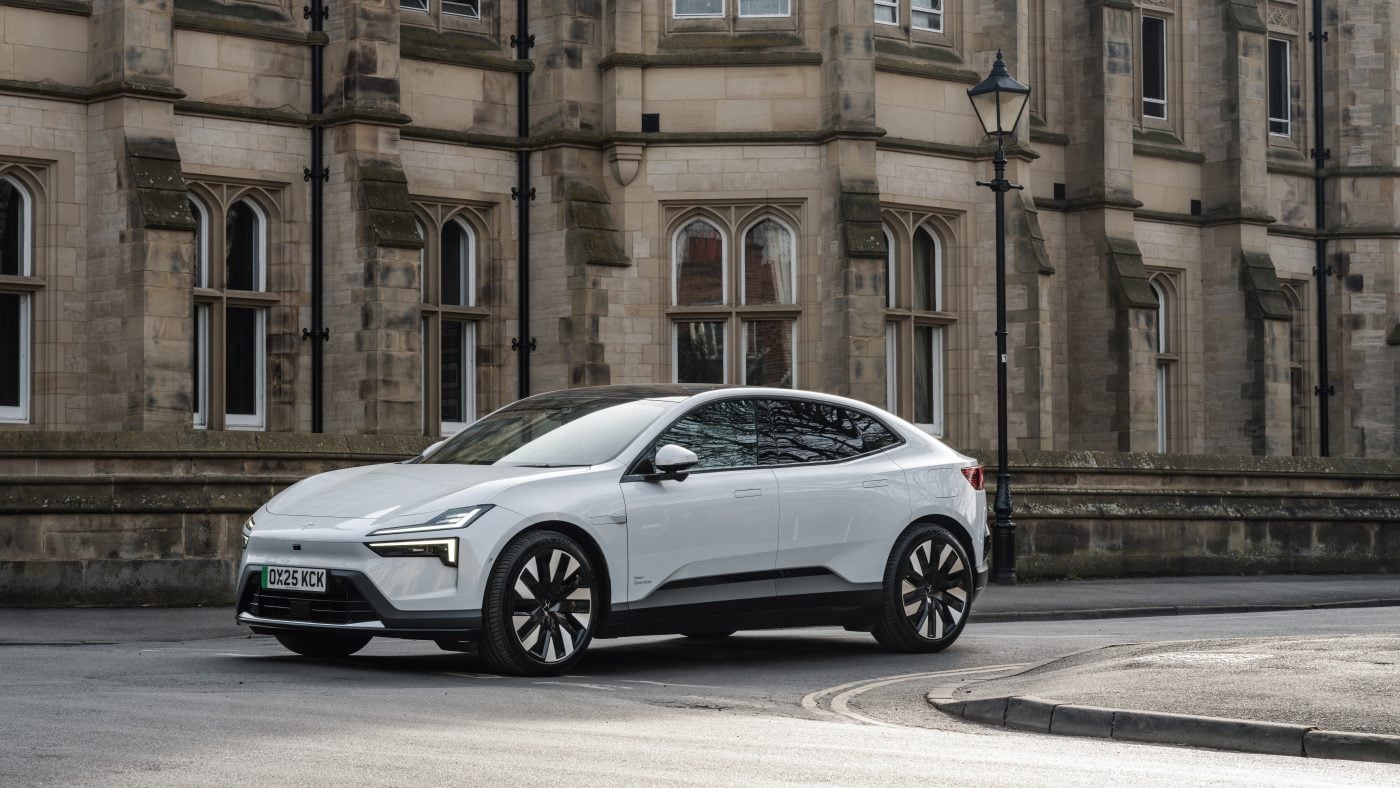
Polestar is trying to answer one of the most interesting questions in modern motoring. If every electric car can launch like a supercar, what actually makes one exciting?
The Swedish EV brand has teamed up with the SDG Impact Lab at the University of Oxford for a new pilot study looking at whether the thrill of driving can be scientifically defined and measured.
The project will explore how driving pleasure manifests in the brain and body, using physiological, cognitive, and behavioural data gathered while participants drive a high-performance Polestar.
It sounds like something a car company would invent after staring too long at a data dashboard, but the logic is solid. Electric cars have made traditional performance numbers feel less special. Straight-line acceleration is now easy to find, engine noise is no longer the emotional centre of the experience, and brands are searching for a better way to explain why one EV feels more involving than another.
Curated news for men,
delivered to your inbox.
Join the DMARGE newsletter — Be the first to receive the latest news and exclusive stories on style, travel, luxury, cars, and watches. Straight to your inbox.
RELATED: Polestar 4: A Performance SUV That Breaks The Luxury Mould
Beyond The 0 To 100 Arms Race
Polestar says the research is designed to challenge the idea that driving excitement should be judged mainly by acceleration. The study will analyse brain activity alongside biometric and behavioural signals to see whether the sensations associated with driving excitement can be observed, studied and eventually used in future vehicle development.
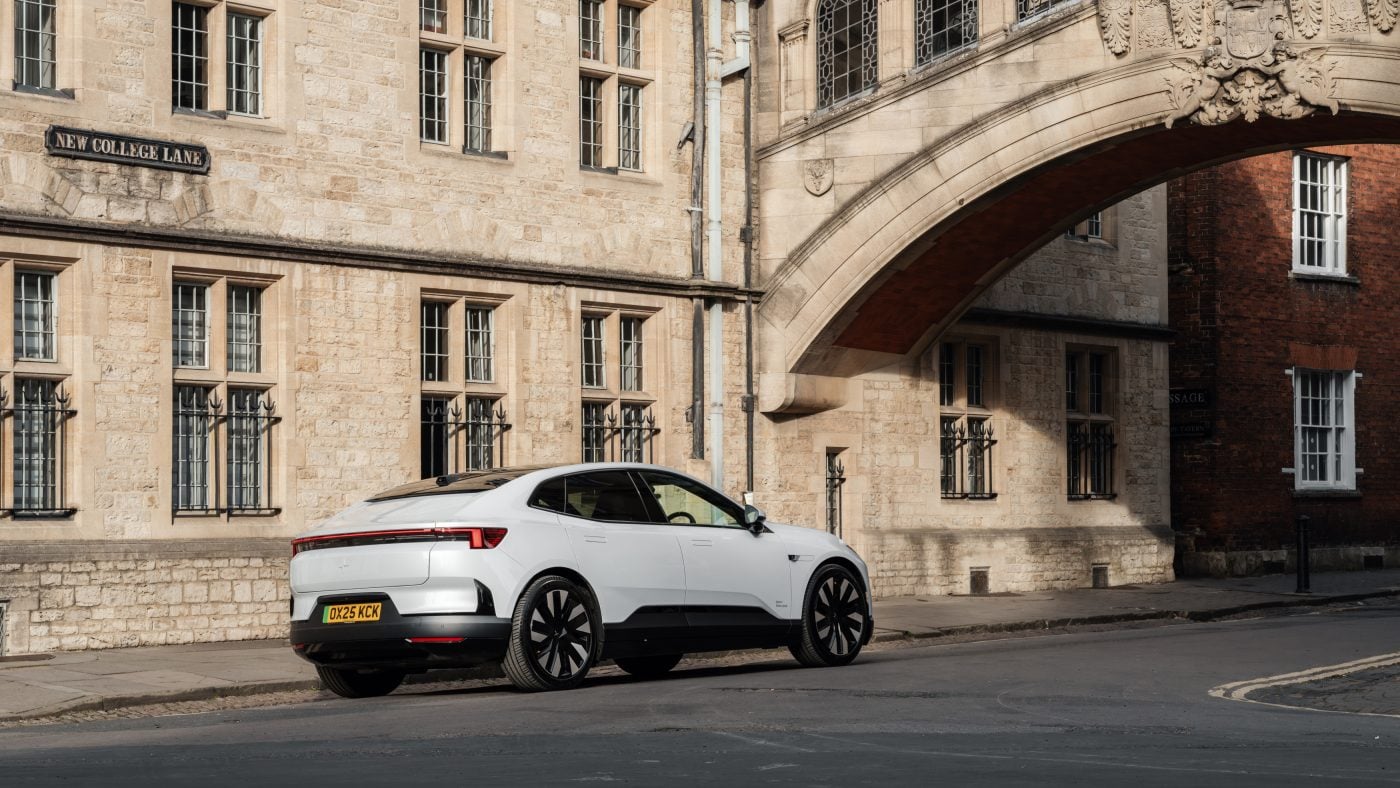
Christian Samson, Polestar’s Head of Product Attributes, said the scientific approach could give the brand’s engineering team another layer of data when fine-tuning vehicle dynamics and performance attributes.
Polestar wants to move past the 0 to 100 bragging rights and start measuring what drivers actually feel behind the wheel.
RELATED: Considering a Polestar 4? Here’s 10 Reasons Your Should Consider It for Your Next Car
Oxford Meets The Test Track
The study brings together engineering science and experimental psychology, with six senior Innovation Fellows at the University of Oxford working as one multidisciplinary research team.
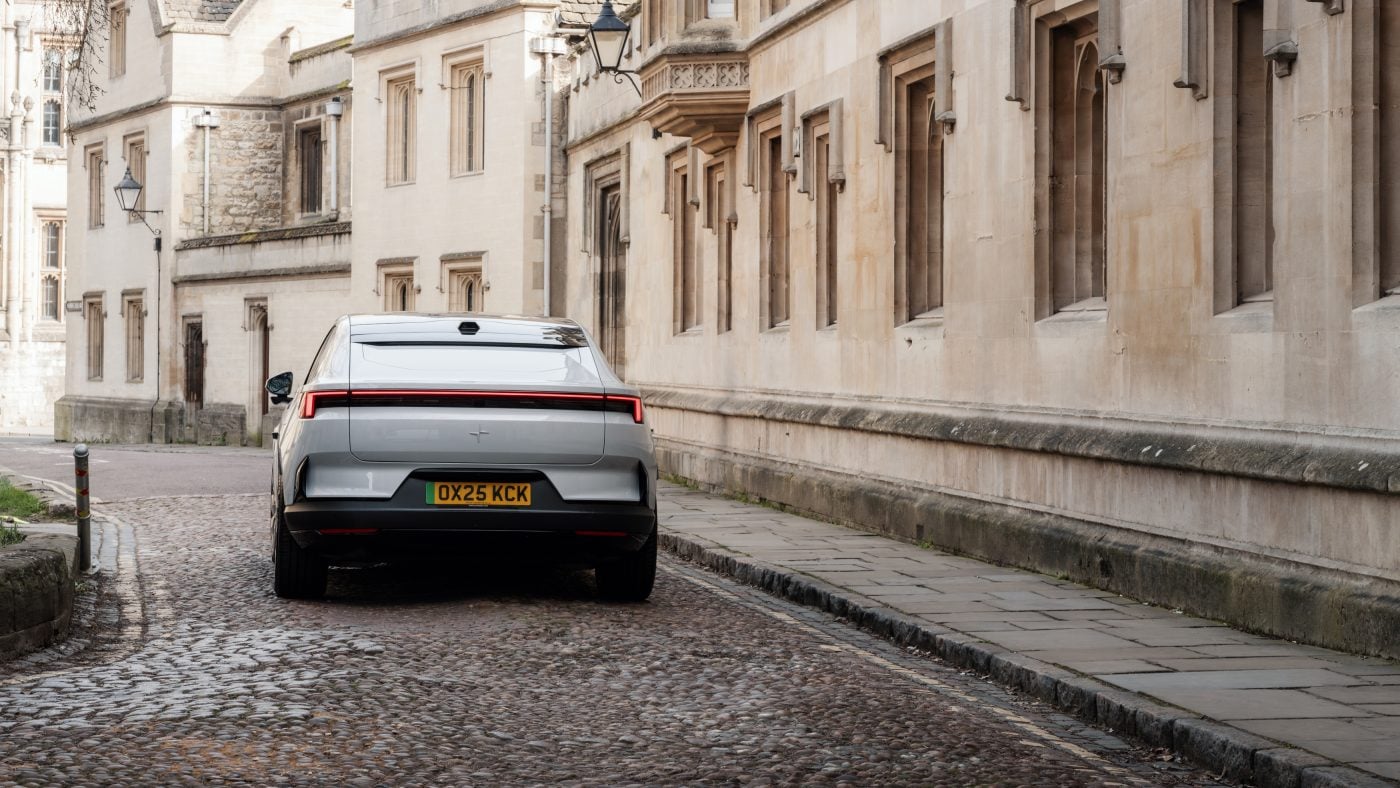
Testing will include a high-performance Polestar at the Gotland Ring test track in June, with the wider study running from 9 March to 31 July 2026. Results are expected to be presented later this year at a dedicated Oxford event.
The timing is useful for Polestar. The brand recently launched the Polestar 5, its most performance-focused model yet, built on a bonded aluminium platform with advanced suspension, traction control, braking systems and bespoke tyres. This study gives Polestar a neat way to frame that car, and future models, as something more than another fast EV with impressive numbers.
That is the bigger point here. EVs have already made speed easy. Polestar now wants to demonstrate that the next performance battle will be about feeling.

