- Colour, confidence, and character are becoming permanent fixtures in major collections, not seasonal experiments.
- Buyers are thinking harder about value, mechanics, and brand intent, fuelling both microbrands and serious haute horology.
- Watch collecting is maturing, with more thoughtful, role-driven collections replacing the one-watch-fits-all mindset.
If the past few years have taught us anything, it’s that watchmaking no longer moves in neat, predictable cycles.
Trends emerge, stall, reappear, and sometimes skip a generation entirely. That’s part of the fun. So rather than calling this a list of hard forecasts, consider it a mix of signals we’re already seeing and directions we’d genuinely like the industry to lean into in 2026. Some of these feel inevitable. Others feel aspirational. Most sit somewhere in between.
1. More Colour, More Confidence
For a long time, safe steel sports watches dominated the conversation. Black dial, brushed case, interchangeable bracelet, swap the logo and you could’ve been talking about half the industry. That era feels like it’s loosening its grip.
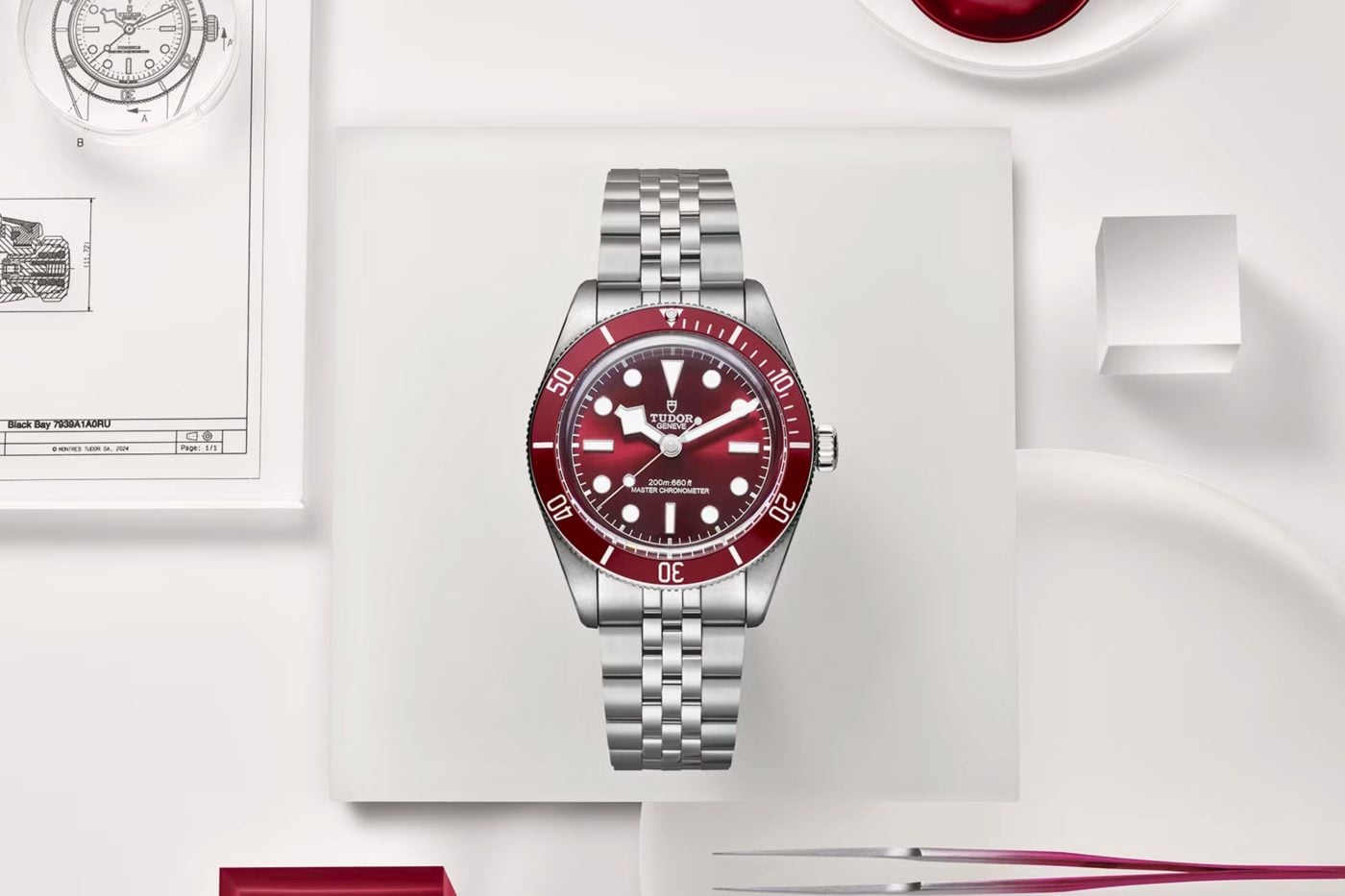
We expect and want more colour finding its way into permanent collections in the big brands’ catalogues. Tudor’s continued evolution of the Black Bay range saw burgundy enter the conversation, and it remained one of the more confident choices through Watches & Wonders in the earlier part of the year.
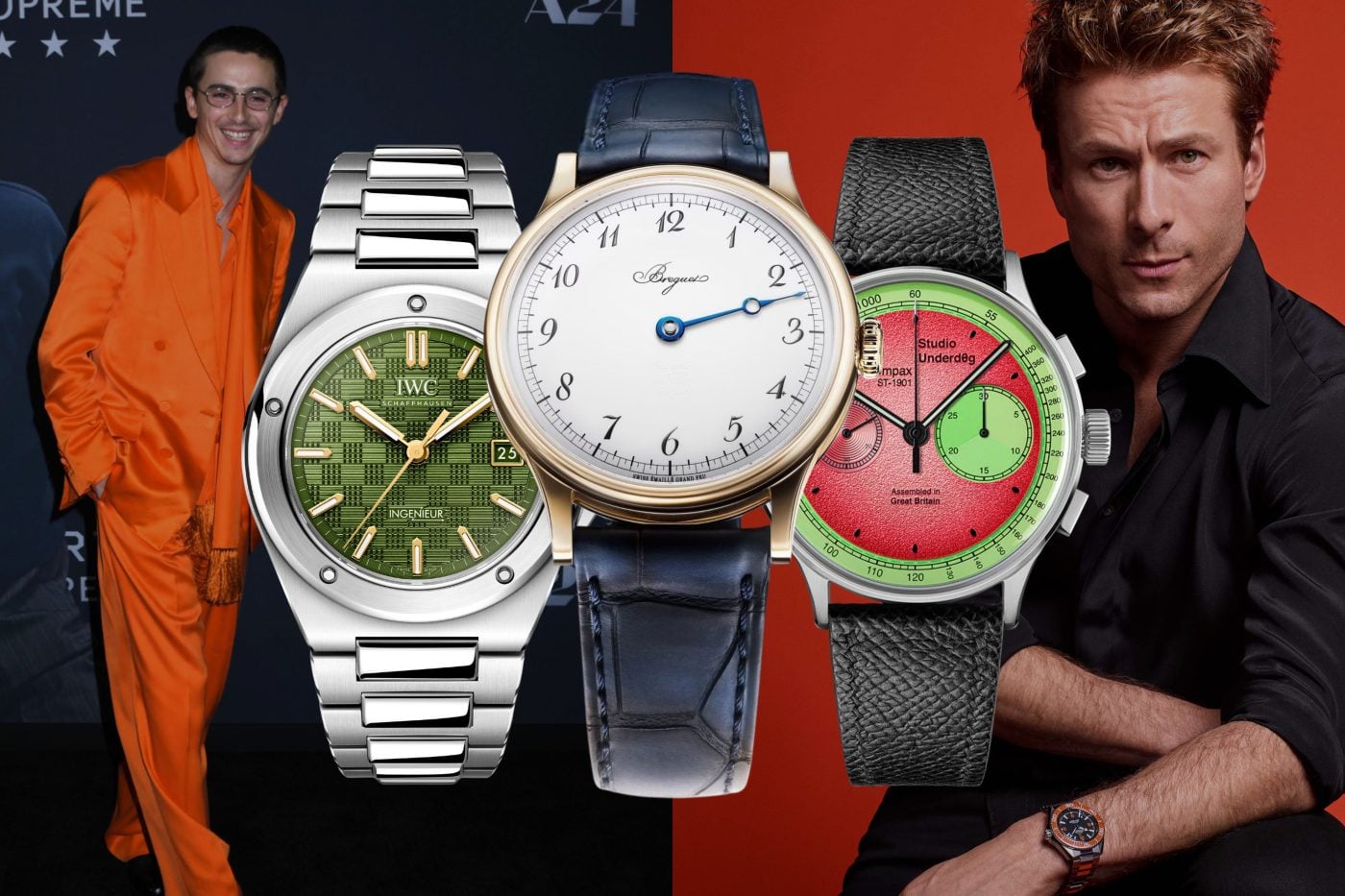
When you look at IWC’s green Ingenieur, released as part of the cultural phenomenon that was the F1 movie, the expressive dials coming out of Ulysse Nardin, and the bolder Planet Ocean executions from OMEGA, it all points to brands feeling more comfortable expressing themselves with colour. Something that, for a long time at least, felt like a risk.
In a market where differentiation matters more than ever, watches that feel visually intentional stand a far better chance of cutting through.
Of course, for many would-be collectors, buying a timepiece might not be a frequent experience. Would you part with your hard-earned cash for a bright watch?
Curated news for men,
delivered to your inbox.
Join the DMARGE newsletter — Be the first to receive the latest news and exclusive stories on style, travel, luxury, cars, and watches. Straight to your inbox.
Perhaps the safer option is to go for another black dial. This shift proves that confident choices are no longer left up to the brands. The consumers must also buy into it. Hopefully, this sticks long into 2026.
2. Microbrands Filling The Gap, Properly
The last twelve months have shown that buyers are thinking harder about where their money goes.
Fewer impulse purchases and more considered decisions have become the norm in this transient, trending industry, and we’re seeing consumers looking at the entire brand offerings when making their next purchase. It’s quickly proved fertile ground for microbrands that offer quality and value in equal measure.
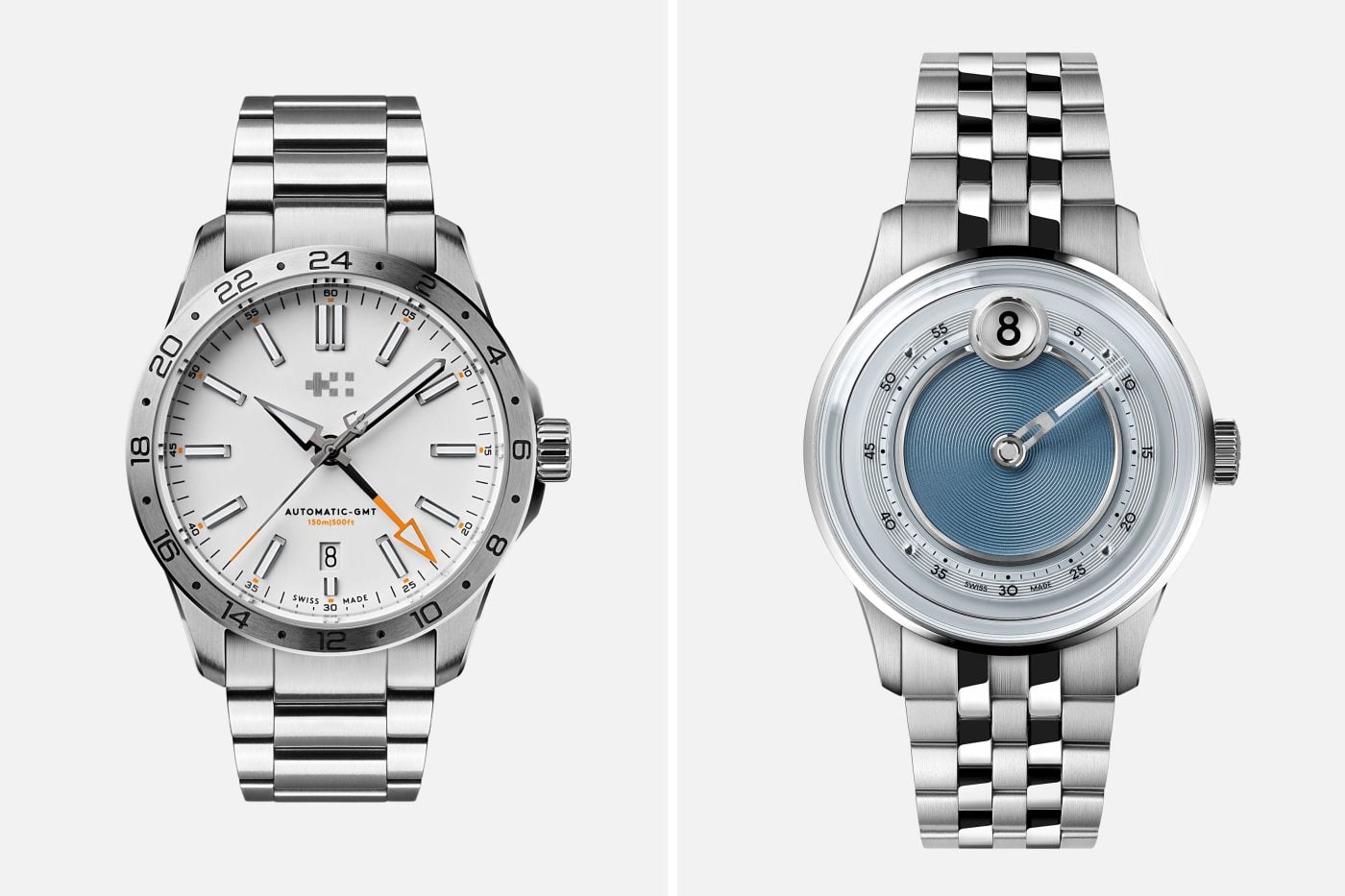
Brands such as Christopher Ward and Studio Underd0g are two obvious examples. Both have managed to sit in that luxury gulf between entry-level and heritage heavyweights, building genuine demand through limited releases, pre-orders, and a clear sense of identity.
Waitlists are getting longer by the year, and drops sell out faster. It’s showing us that the audience is paying attention.
In 2026, we expect microbrands to continue gathering pace, not just because they offer a cheaper alternative, but because what they’re offering in terms of variety and design is appealing to the consumer. They know who they’re speaking to, and just as importantly, who they’re not.
3. A Growing Obsession With What’s Under The Dial
At first glance, this might sound like it contradicts the push for more colour. It doesn’t. What we’re seeing is a more educated buyer who can appreciate both aesthetics and mechanics without needing one to cancel out the other.
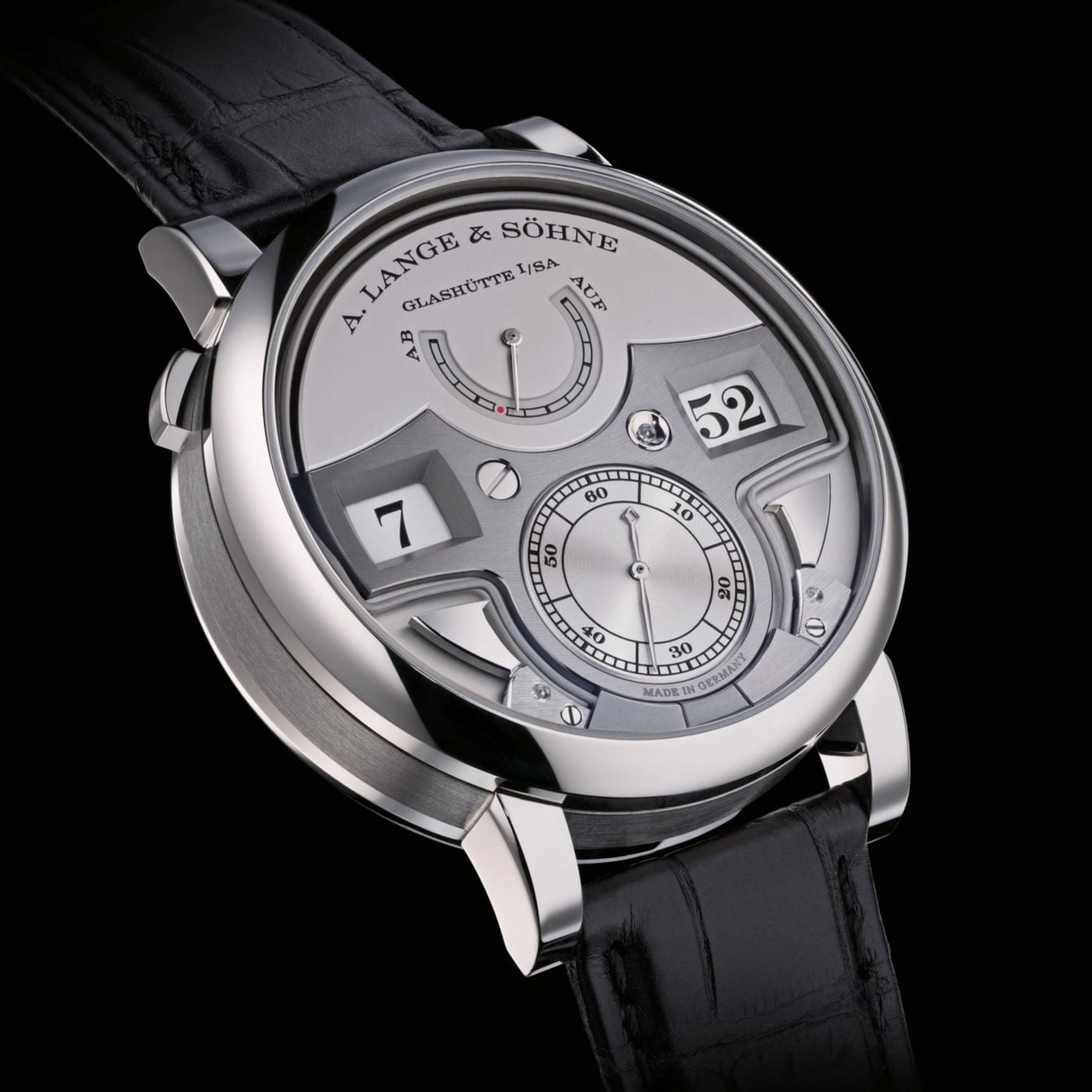
There’s a renewed respect for watchmaking substance. Movements, finishing, complications, and intellectual honesty matter again. A. Lange & Söhne remains the north star here, attracting collectors who care less about flash and more about execution.
This year’s Aiguille d’Or winner, Breguet’s Classique Souscription, summed it up perfectly. A simple dial from one of the industry’s great sleeping giants, yet easily one of the most exciting releases of the year. It proved that classic complications and heritage-driven watchmaking still resonate deeply when done properly.
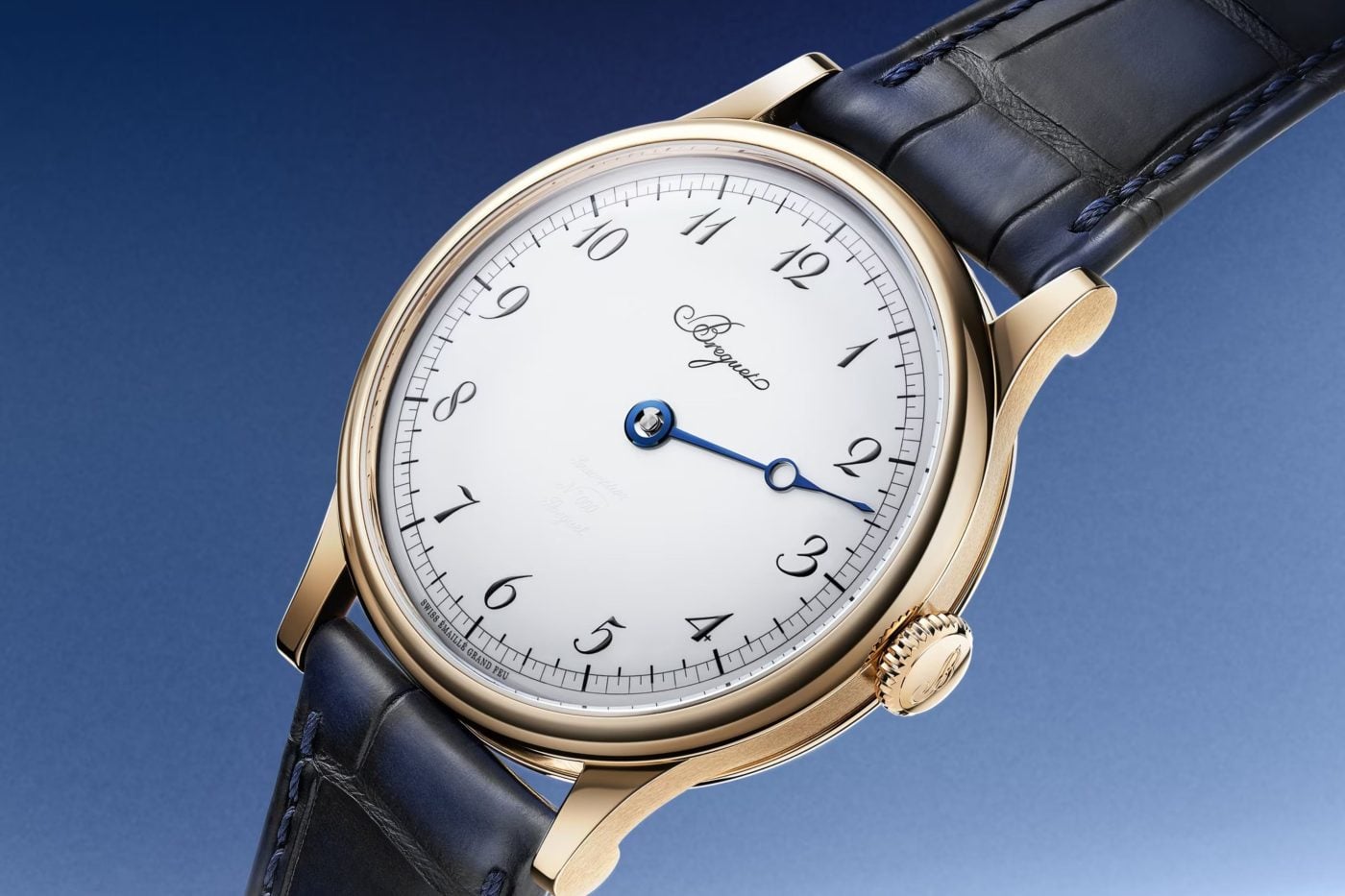
In 2026, we expect this mindset to spread further. Fewer empty gestures. More respect for what actually makes a watch special.
4. Smarter, Sharper Brand Partnerships
Watch brands have always loved celebrity associations. What’s changed is how effective those relationships are becoming.
IWC’s involvement with the Formula 1 movie felt like the most culturally relevant partnership of the year, bridging the gap between luxury watch collectors and F1 fans in a way that hasn’t ever really happened before.
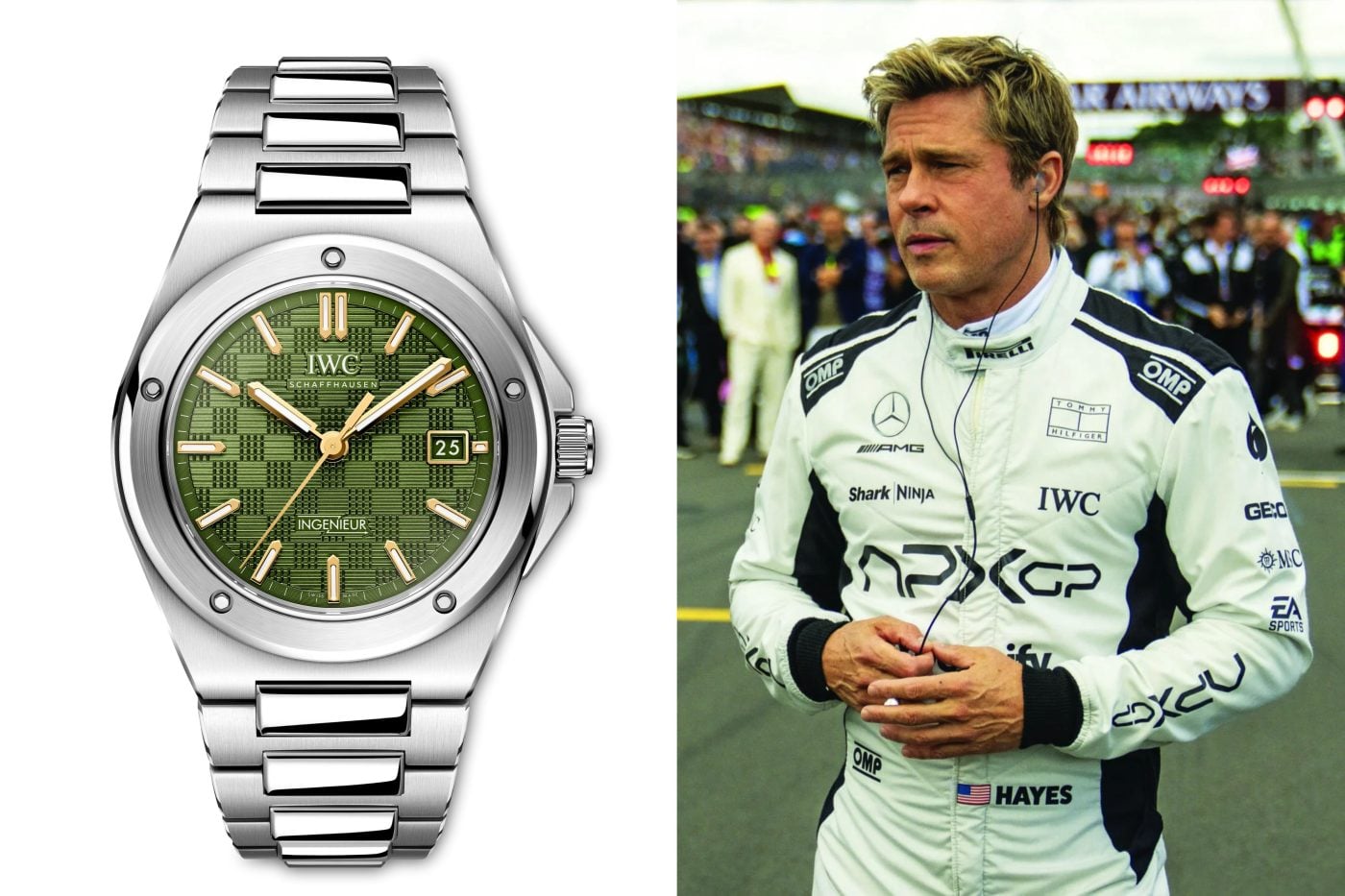
Sure, you could go out and buy an OMEGA Seamaster because you saw Pierce Brosnan wear one, but there’s something more intimate about the Ingenieur’s year-in-focus. Something that was reflected in unit sales for the Swiss brand.
Hamilton was another one that crossed into pop culture, releasing a Call of Duty watch for a global, younger audience; Breitling bringing Austin Butler into the fold felt timely; and OMEGA’s alignment with Glen Powell and Aaron Taylor-Johnson suggested a clearer understanding of modern masculinity and screen presence that will only put the brand more into the minds of consumers.
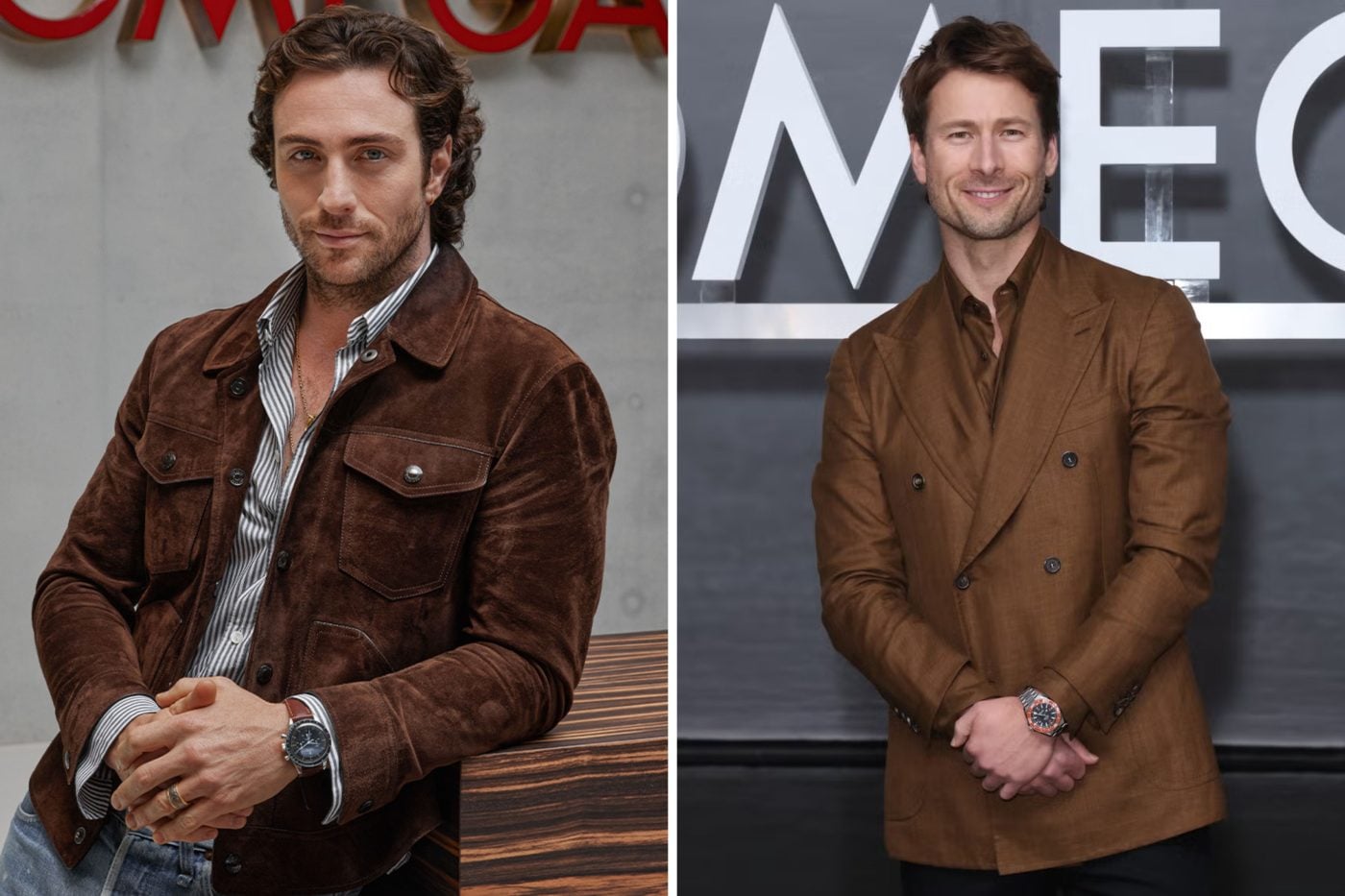
In 2026, we expect and want to see partnerships that feel considered, strategic, and culturally fluent. Someone like Timothée Chalamet will almost certainly have his pick of brands, and whichever Maison lands him will say a lot about where it wants to sit in the global conversation.
5. More Thoughtful, More Diverse Collections
There’s a quiet shift happening among watch buyers. The idea that every watch must be a daily wearer is starting to feel outdated. Which, when you take a step back, makes sense.
Not every watch suits every moment. Some belong in the evening. Some are for travel. Some simply aren’t water-resistant enough for a beach holiday, and that’s fine. Those distinctions should be part of the watch’s story, rather than seen as an inherent flaw.
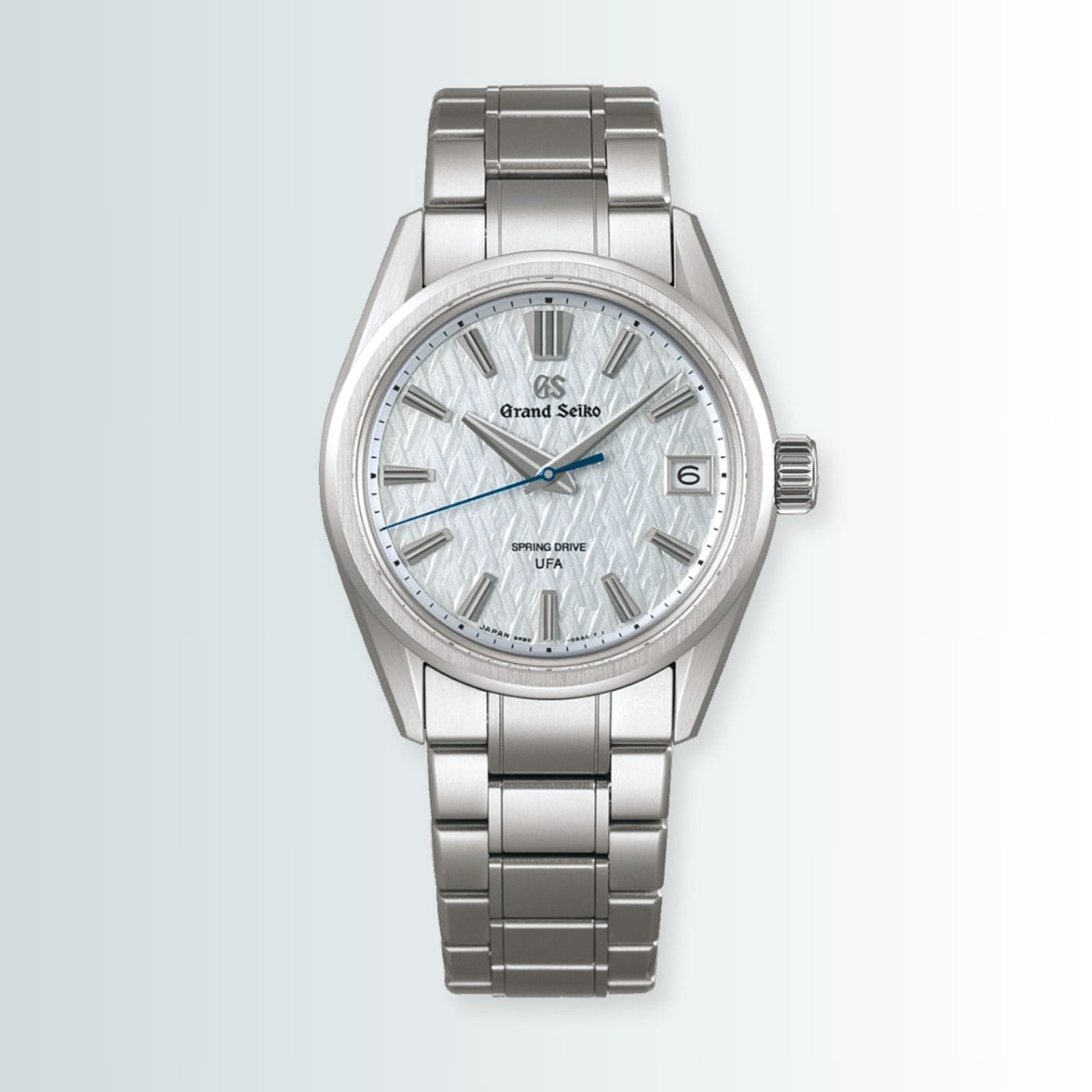
In 2026, we expect collections to become more deliberate. Maybe not bigger in a reckless sense, but more considered. Fewer do-it-all compromises, more watches chosen for specific roles. As choice in the market continues to expand, so too does the opportunity to wear the right watch at the right time.
And honestly, that feels like a healthier relationship with this addictive hobby.

