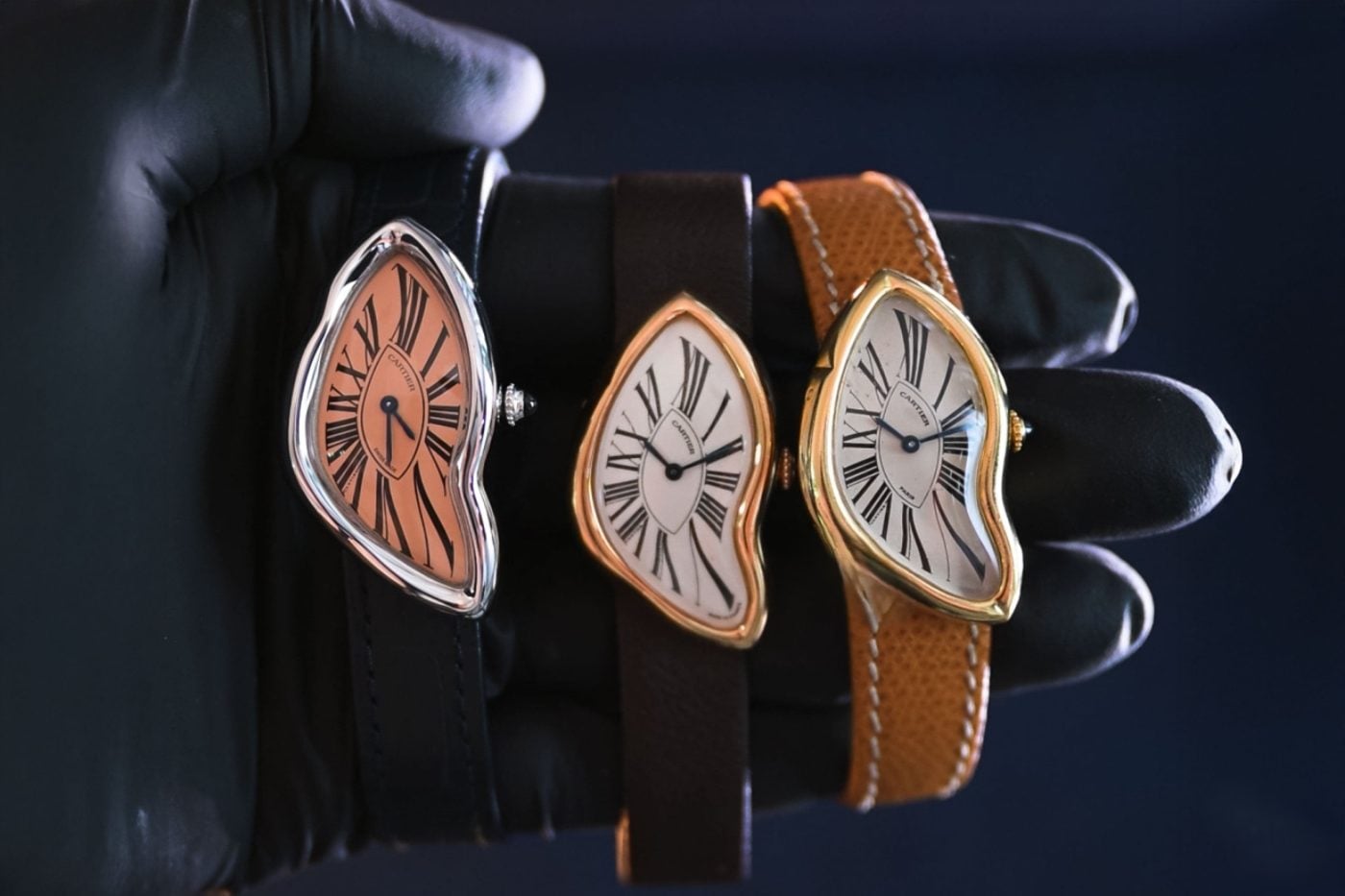
The Cartier Crash has always looked like someone left a watch too close to a fire.
When it first appeared in London in 1967, that was essentially the reaction it got. Too strange, too artistic, too far from what a serious watch was supposed to look like.
Production stayed tiny through the following decades, and the Crash drifted along as a minor footnote in Cartier’s catalogue, the kind of thing specialists noticed and most collectors passed over.
But times are changing, and today it is one of the hottest watches in the world.
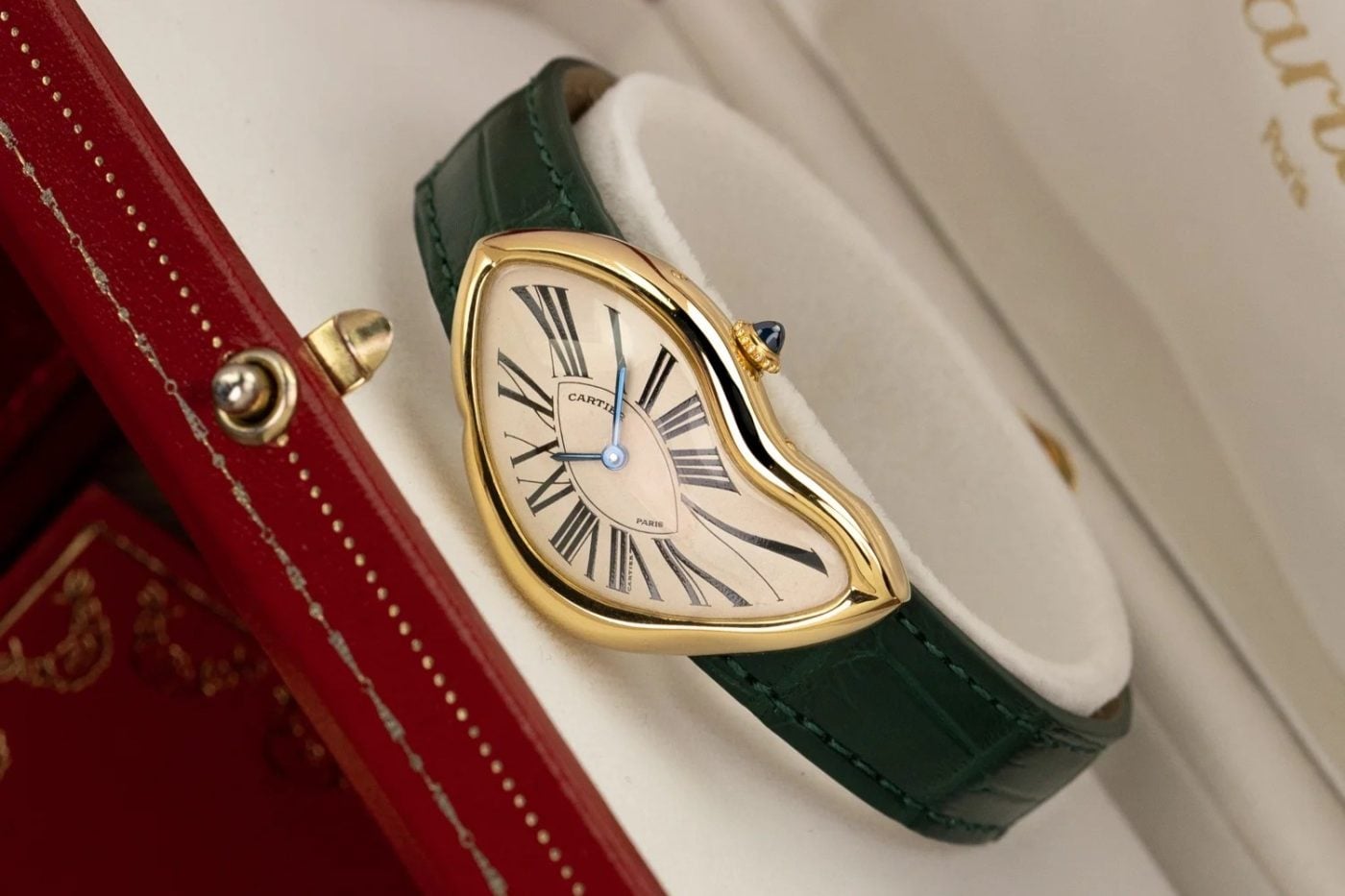
This year alone, two London-made Cartier Crash models sold for around $2 million (~2.90 million AUD) at Sotheby’s Hong Kong and Christie’s Geneva, rewriting expectations for what one of the brand’s most unusual creations is worth.
The message was impossible to miss. The Cartier Crash is no longer a curiosity. It is a grail.
RELATED: If I Only Had $5,000 To Spend On A Watch, I’d Buy This Cartier Right Now
Curated news for men,
delivered to your inbox.
Join the DMARGE newsletter — Be the first to receive the latest news and exclusive stories on style, travel, luxury, cars, and watches. Straight to your inbox.
How A Footnote Became A Grail
The Crash did not change. The collector market changed around it.
For the better part of a decade, serious watch collecting ran through a fairly narrow lane. Steel sports watches from Rolex, Patek Philippe and Audemars Piguet dominated the conversation, with waitlists, flipping and speculation becoming as much a part of the culture as actually wearing anything.
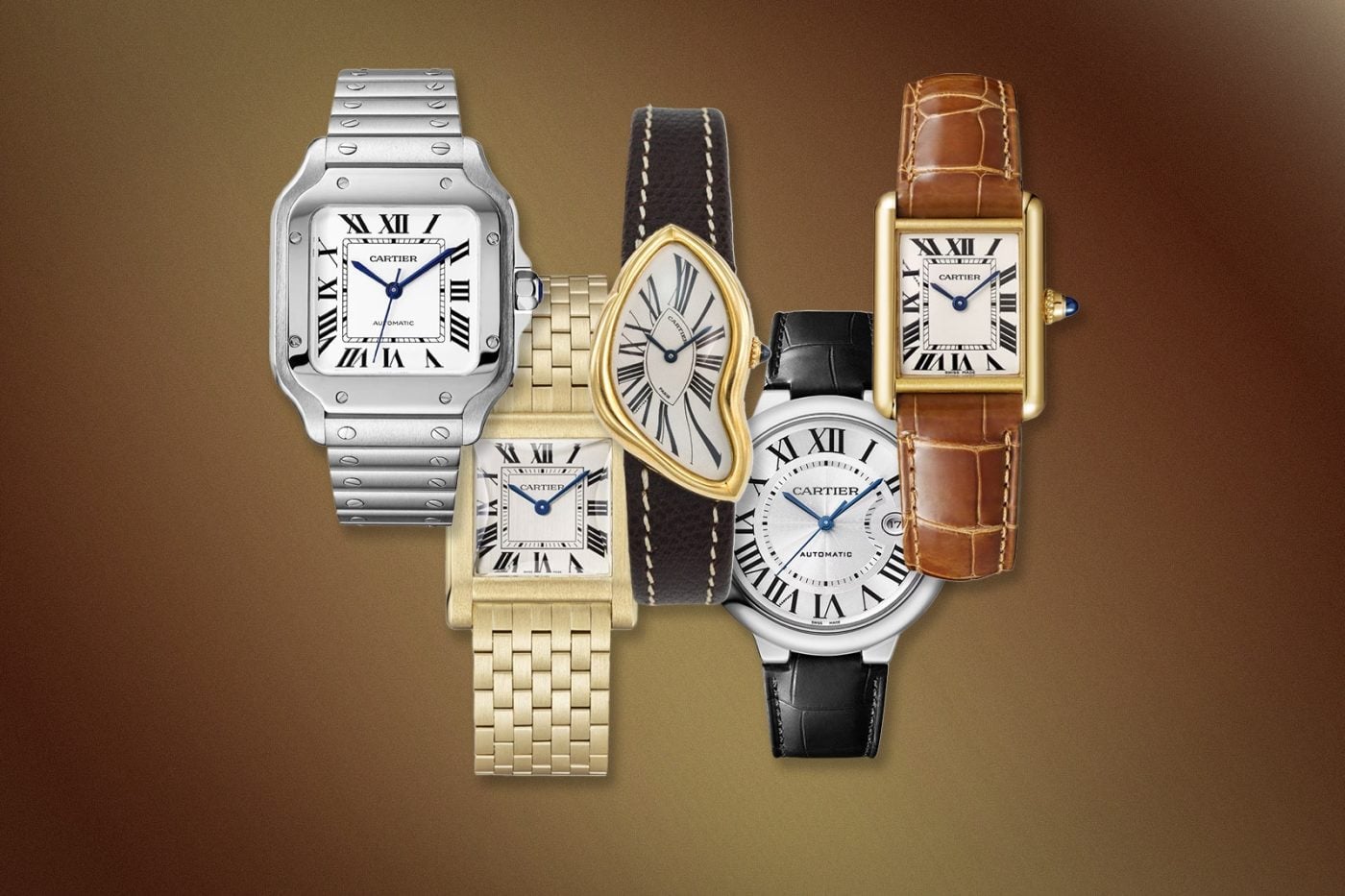
Eventually a portion of collectors grew tired of chasing the same references everyone else was after and started looking for something harder to copy, watches with real design history and a personality that felt genuinely distinct rather than just scarce.
That appetite was made for the Crash. It was rare, immediately recognisable and unlike anything else in watchmaking. There was no equivalent to find at another brand, no way to scratch the same itch with a different logo.
Once serious buyers started paying attention, the broader Cartier market followed. Vintage Tanks that were trading for a few thousand euros have tripled or quadrupled in value over the past year, with demand spreading well beyond the Crash itself.
RELATED: Cartier Just Dropped A Brand New Collection For Watches & Wonders
Cartier Stopped Chasing The Wrong Things
The timing connects to a deliberate internal shift at Cartier. Around 2016, the brand stepped back from competing in complicated watchmaking and returned its focus to the designs that built its name in the first place.
The Tank, the Santos, the Panthère, the Crash. It was a quieter reset than it might sound, but it reminded buyers what made Cartier worth caring about before it started trying to compete on horological territory where it was never going to win.
Parent company Richemont reinforced that by buying back hundreds of millions of euros worth of unsold inventory rather than letting discounted stock work its way through grey market channels and drag resale values down.
That kind of discipline is less glamorous than a new product launch but considerably more effective at protecting a brand’s position over time.
The numbers bear it out. Cartier has climbed to become the world’s second-largest watch brand by market share, sitting behind only Rolex according to the latest Morgan Stanley and LuxeConsult figures.
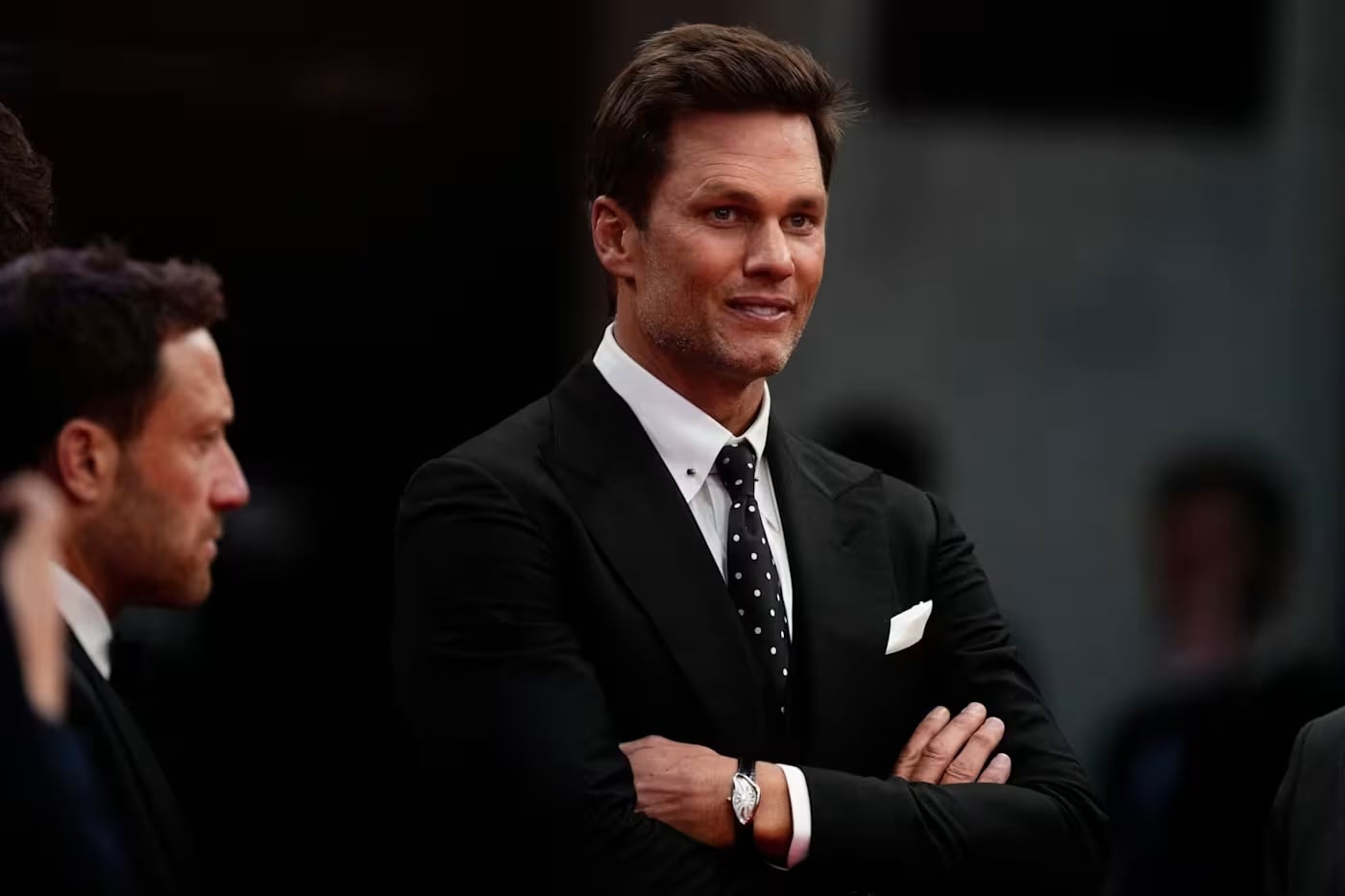
Celebrity visibility has added another layer. The Crash has been worn by Tom Brady, Jay-Z, Kim Kardashian and Bad Bunny, while Taylor Swift has pulled the Santos into a new generation’s awareness in a way that no marketing campaign could have manufactured.
The Crash is still one of the strangest luxury watches ever produced. It still looks like an accident. The difference now is that collectors have decided the strangeness is the thing they are actually paying for, not something to overlook on the way to finding something safer.

