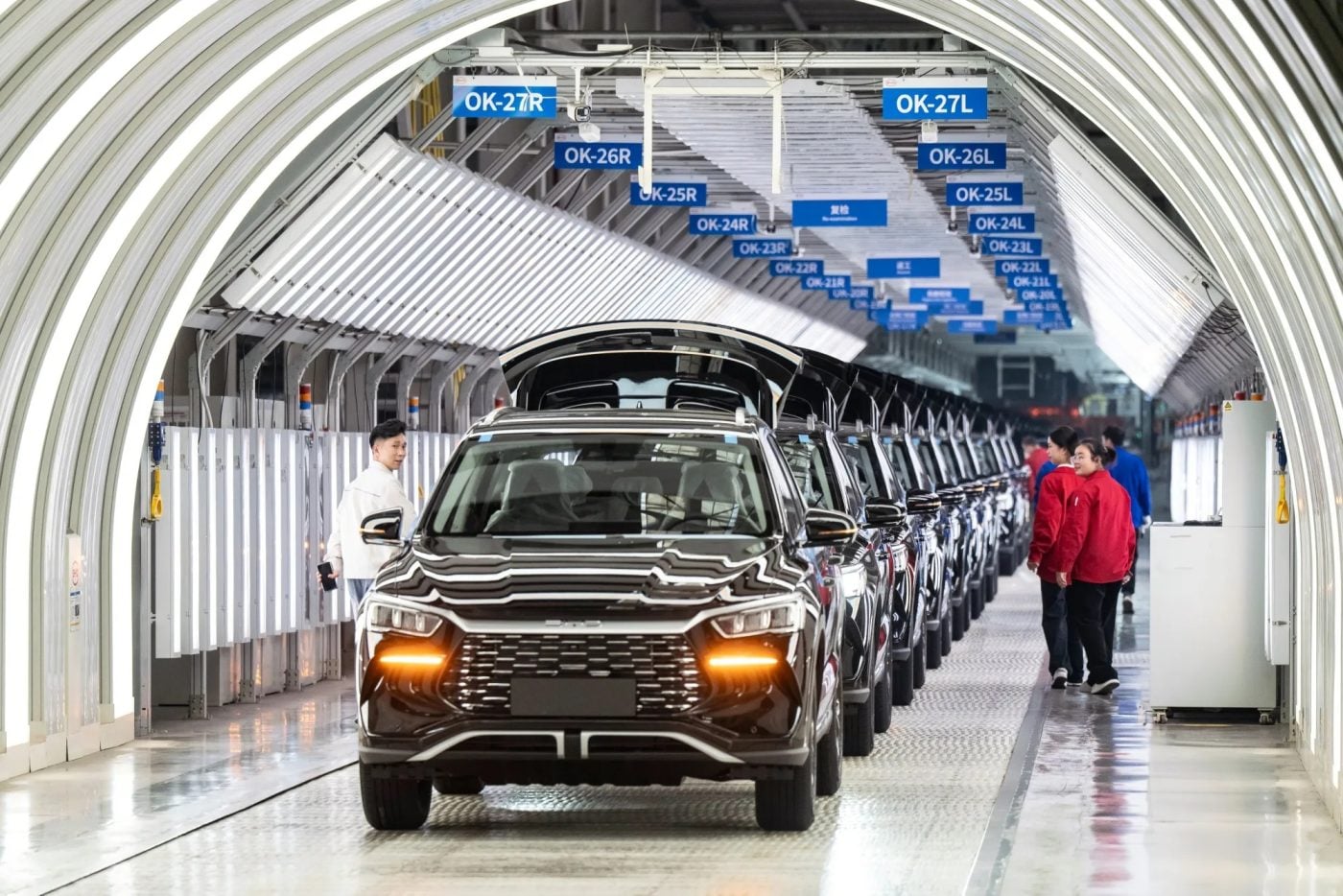
For decades, China learned how to build cars from the West. Volkswagen, Toyota, BMW, Nissan and the rest arrived with factories, joint ventures and the quiet confidence of companies that thought they were exporting the future.
Now the direction of travel has changed, because China is not just making electric cars at scale. It is making the software, battery tech and connected features that buyers increasingly expect.
Foreign brands have gone from controlling about 65% of China’s car market in 2020 to just over 30% this year, while EVs and plug-in hybrids now make up more than half of all new car sales in the country. That is not a small wobble. That is the world’s biggest car market telling legacy brands the old playbook has expired.
RELATED: BMW Is Sitting On A Weapon And Refuse To Pull The Trigger
China Is No Longer Just The Factory
The uncomfortable bit for Western carmakers is that this is no longer just about cheaper manufacturing. The real race is development speed, local software talent and building cars that feel modern the moment a driver gets inside.
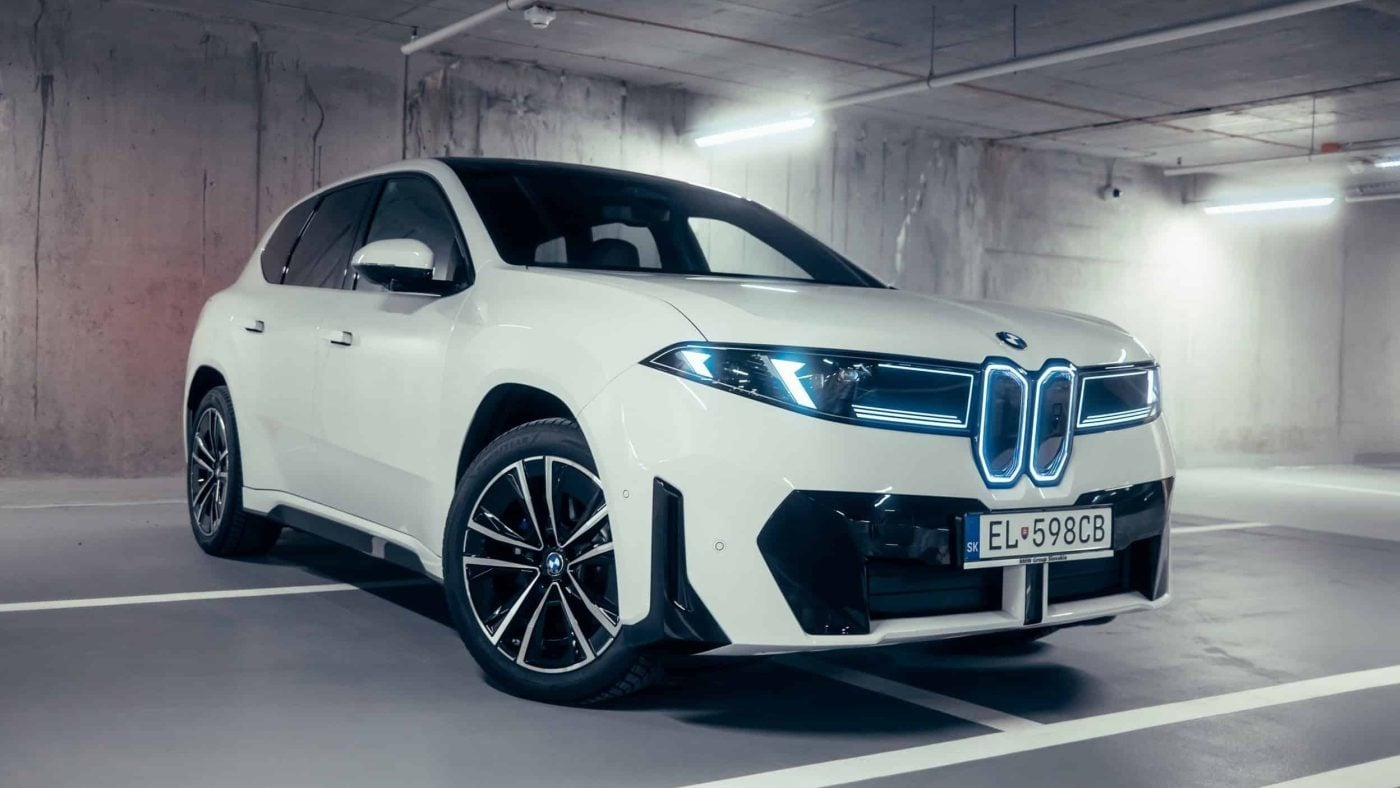
BMW is using local Chinese tech from Momenta, Huawei and Alibaba for its China-developed electric iX3. Volkswagen is also designing and developing more vehicles inside China because what worked in Europe for years is no longer competitive enough for Chinese buyers.
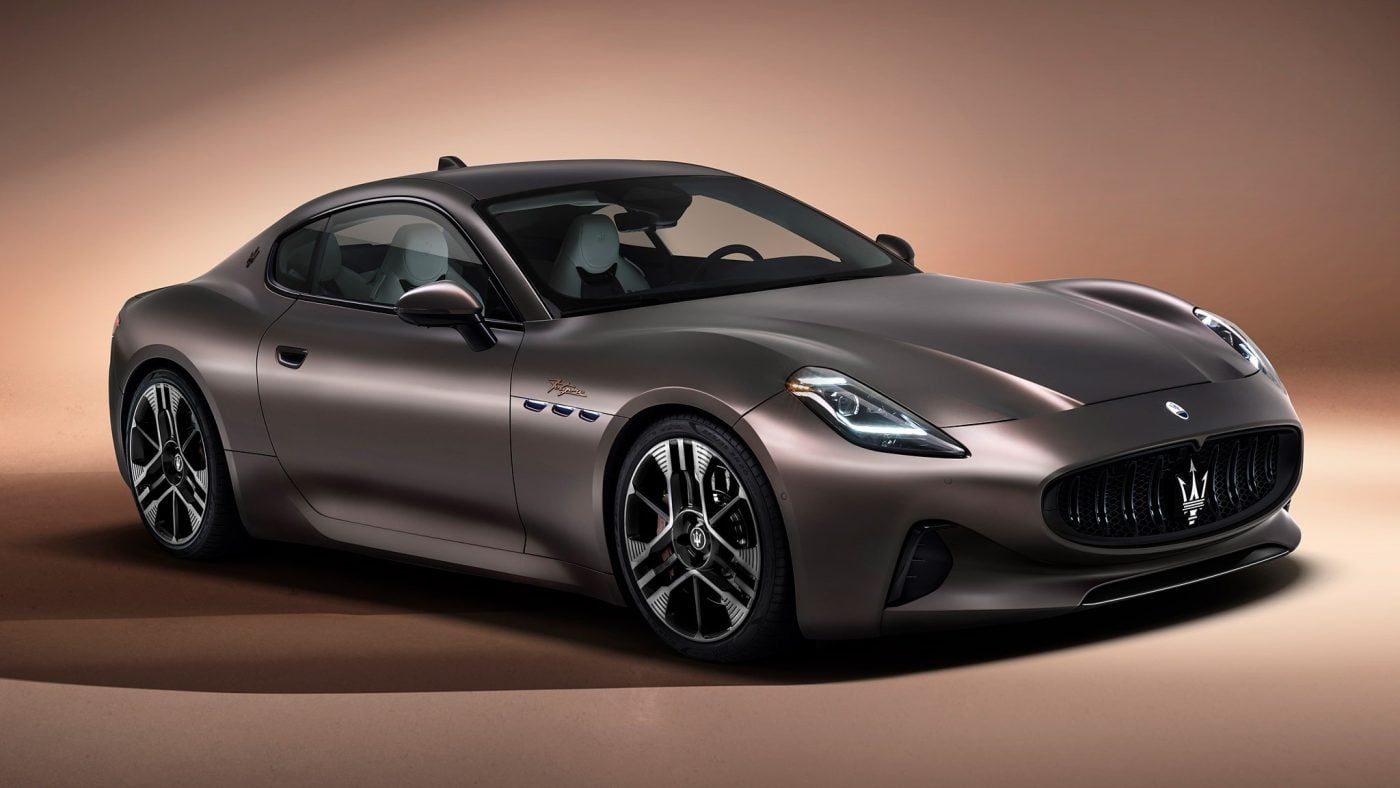
Even Maserati now appears to be looking east. Six years ago, the Italian brand said it would develop, engineer and build all new models in Italy. Now it is reportedly in talks with Huawei and JAC to develop and build future new-energy Maseratis in China, using Chinese technology under Italian branding.
That is not happening from a position of strength. Maserati sales fell 57% in 2024, from 26,600 cars to 11,300, then slipped again to 11,127 in 2025. For a brand that once peaked at 49,000 cars in 2017, China starts to look less like a shortcut and more like a lifeline.
RELATED: China’s 4×4 Off-Road Australian Invasion Has Only Just Begun
Curated news for men,
delivered to your inbox.
Join the DMARGE newsletter — Be the first to receive the latest news and exclusive stories on style, travel, luxury, cars, and watches. Straight to your inbox.
Toyota Is Finally Pressing The EV Button
Toyota may be the clearest sign that the mood has changed. The hybrid king more than doubled EV sales in the first three months of 2026 to over 79,000, helped by seven new models and an electric line-up that has grown to 19 cars.
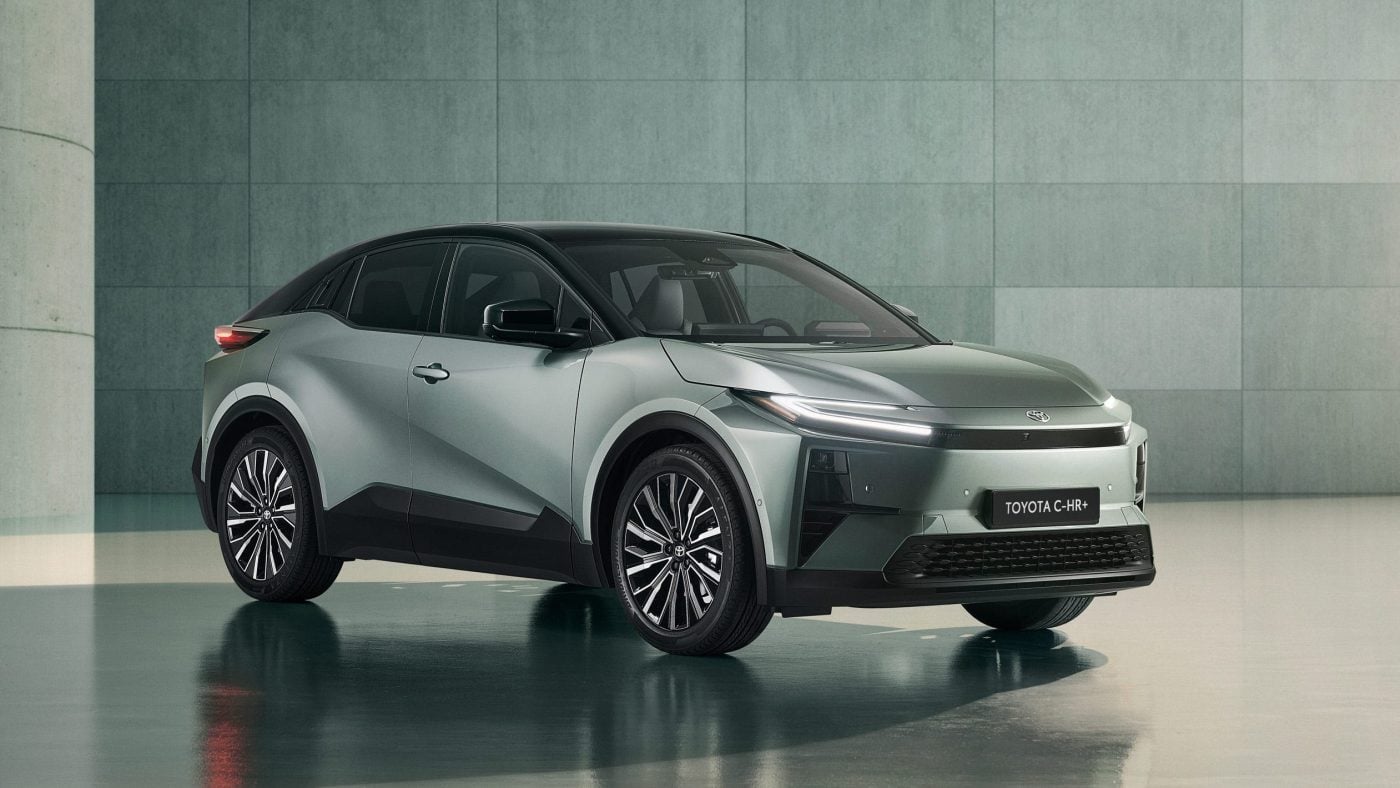
In China, Toyota is also going more local, using domestic suppliers, joint venture know-how, and models tailored for Chinese buyers, including the bZ3 developed with BYD.
It is still miles behind Tesla and Volkswagen on EV volume, and tiny compared with its own hybrid business, which sold 4.4 million vehicles last year. But the direction is obvious. Even Toyota now knows batteries can no longer sit quietly in the corner while China runs away with the future.
The lesson here is quite simple. China is no longer the student in the car business. In EVs, it has become the exam.

