
Every supercar brand spent the last decade telling us the manual gearbox was dead. Slower, heavier, less efficient, an emotional indulgence that no longer made engineering sense. McLaren has just called the whole thing off.
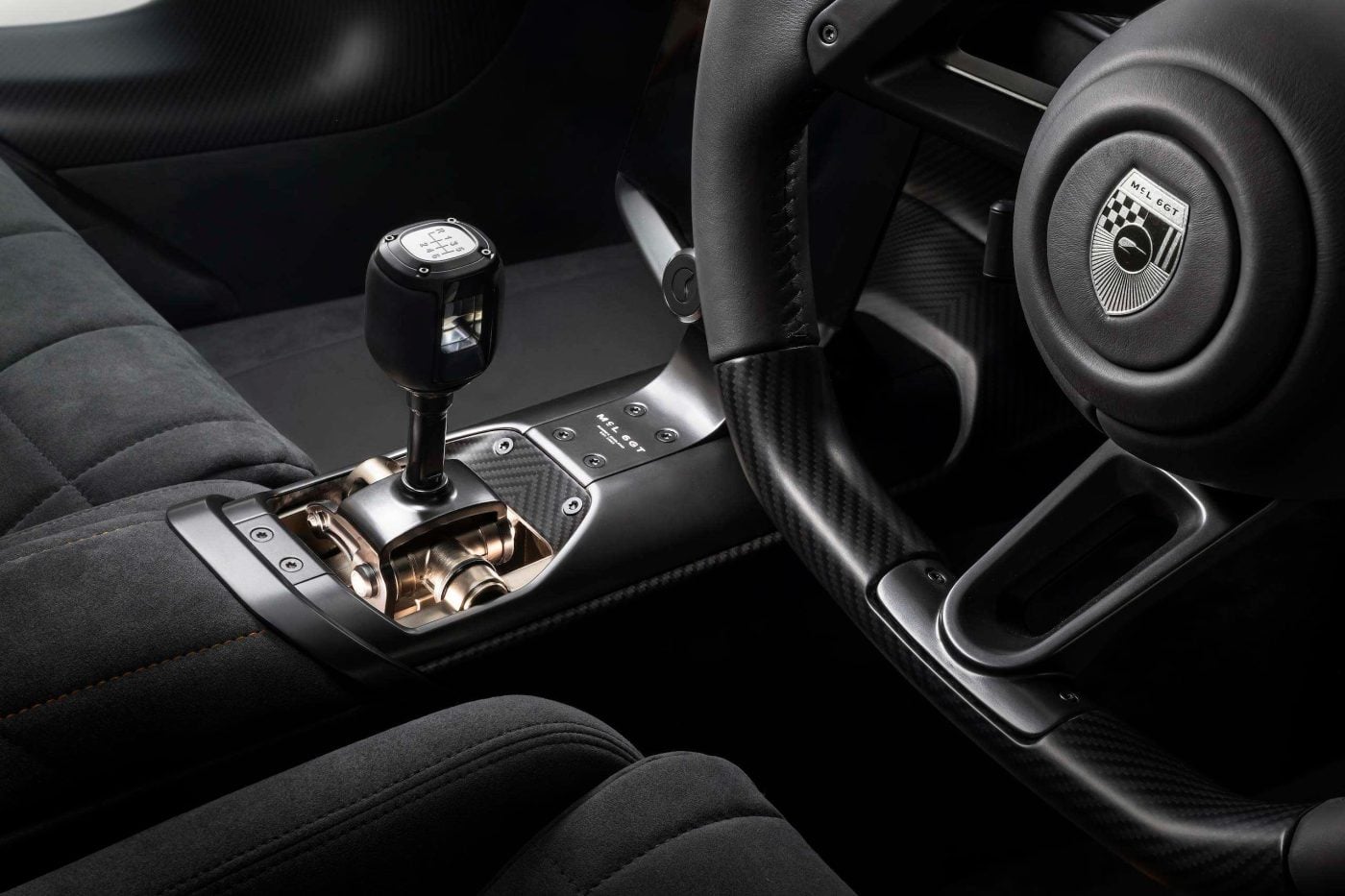
The McL 6GT landed at Monterey Car Week overnight as a concept, and buried in the spec sheet is the detail that matters most: an authentic manual transmission driving the rear wheels. It is the first proper three-pedal McLaren since the F1 in 1992.
The Car Bruce McLaren Never Got To Finish
The McL 6GT takes its inspiration from the M6GT, the road car Bruce McLaren was developing off the back of his M6A Can-Am racer before his death in 1970. It was the genesis of McLaren as a road car company, and it was never completed.
McLaren Special Operations built a meticulous one-off recreation of the original for this year’s Goodwood Festival of Speed. This is the follow-up, and it is a considerably bigger swing.
Curated news for men,
delivered to your inbox.
Join the DMARGE newsletter — Be the first to receive the latest news and exclusive stories on style, travel, luxury, cars, and watches. Straight to your inbox.
“The McLaren McL 6GT imagines what our inspirational founder had wished to complete but with six additional decades of innovation and passion woven through every element,” said Nick Collins, CEO of McLaren Automotive. He described it as symbolic of a bold and provocative future for the brand.
Three Pedals And A Speedy Kiwi
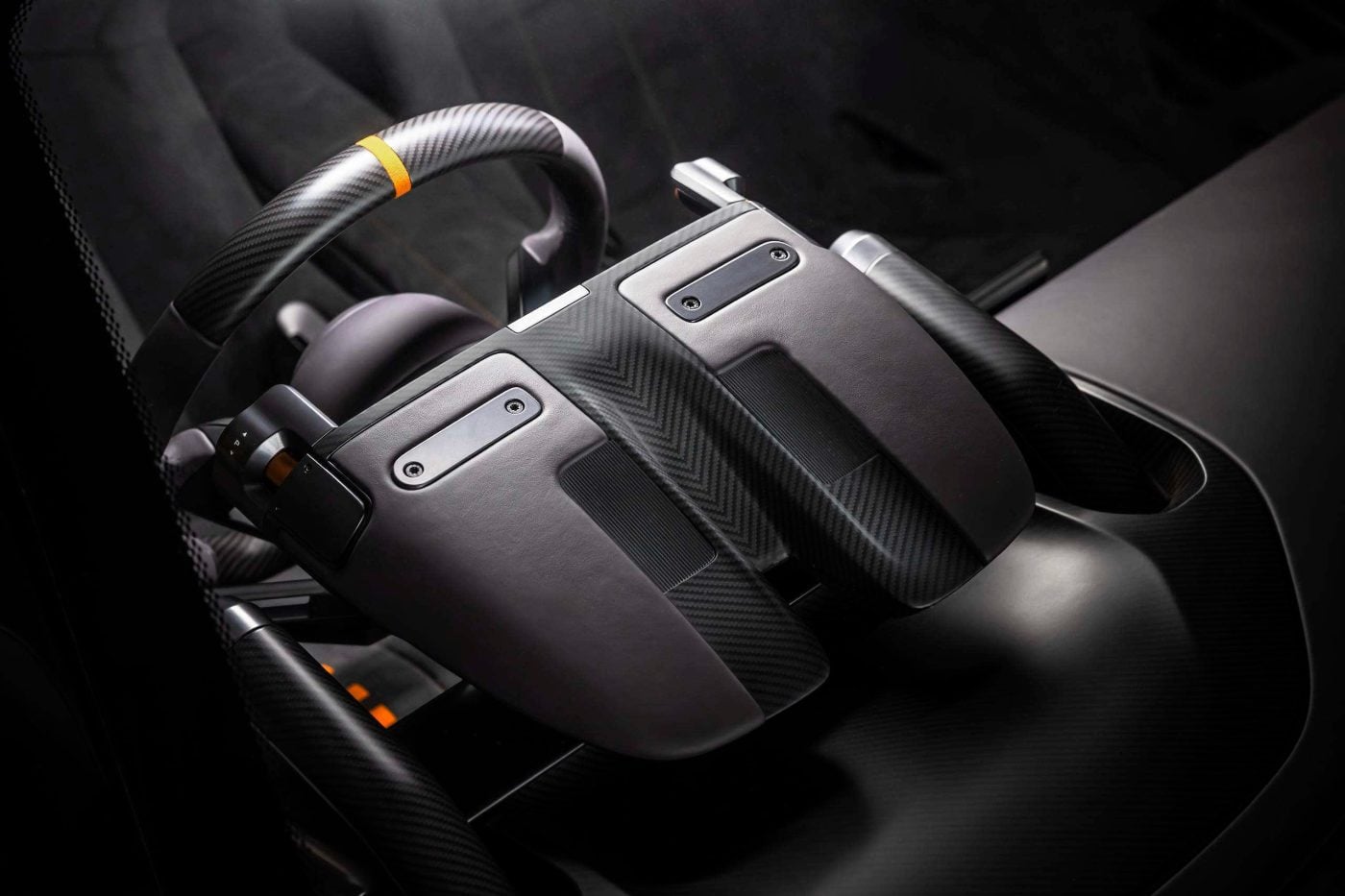
The manual is the headline, but the whole car is built around the idea that driving should feel like work. Hydraulic steering, not electric. Knurled machined aluminium switchgear. Visible mechanical components rather than everything hidden behind trim.
McLaren says the gearstick was designed specifically around throw and feel, with a three-dimensional Speedy Kiwi set into the upright. The same badge is etched into the fuel filler cap, and Bruce McLaren’s signature sits in the engine bay.
Inside, the boxed quilting from the original M6GT has been reworked, and the digital instrument display has been designed to read like the analogue dials it replaces. Exposed gloss carbon fibre runs through the cabin.
Carbon Fibre From Nose To Kammback
Underneath sits McLaren’s latest super-lightweight carbon fibre monocoque, wrapped in carbon fibre bodywork. Power comes from a V8, which in 2026 is its own kind of statement, and a pointed one given the hybrid direction the Artura pushed the brand in.
The proportions borrow directly from 1960s sports prototype racers. Low nose, exceptionally wide stance, one uninterrupted surface running from the front all the way back to a Kammback tail. The cabin looks sunk into the body rather than bolted on top of it.
The Racing Loop taillight motif from the original M6GT has been reworked into the airflow architecture, and Bruce’s original number plate appears as a tone-on-tone graphic. None of it is subtle, and none of it is meant to be.
What Happens In 2028
This is a concept, but not a fantasy one. A production version arrives in 2028, and McLaren has been clear that it sits outside the existing GTS, supercar and Ultimate lineup as a new and highly exclusive category of its own.
Read that as very few cars, very high price, and an allocation list that will be full long before anyone in Australia gets a phone call. No pricing or volume has been confirmed.
What has been confirmed is more interesting. The brand that helped normalise the paddle-shift supercar has decided the most exciting thing it can build in 2028 is one you have to drive yourself.

