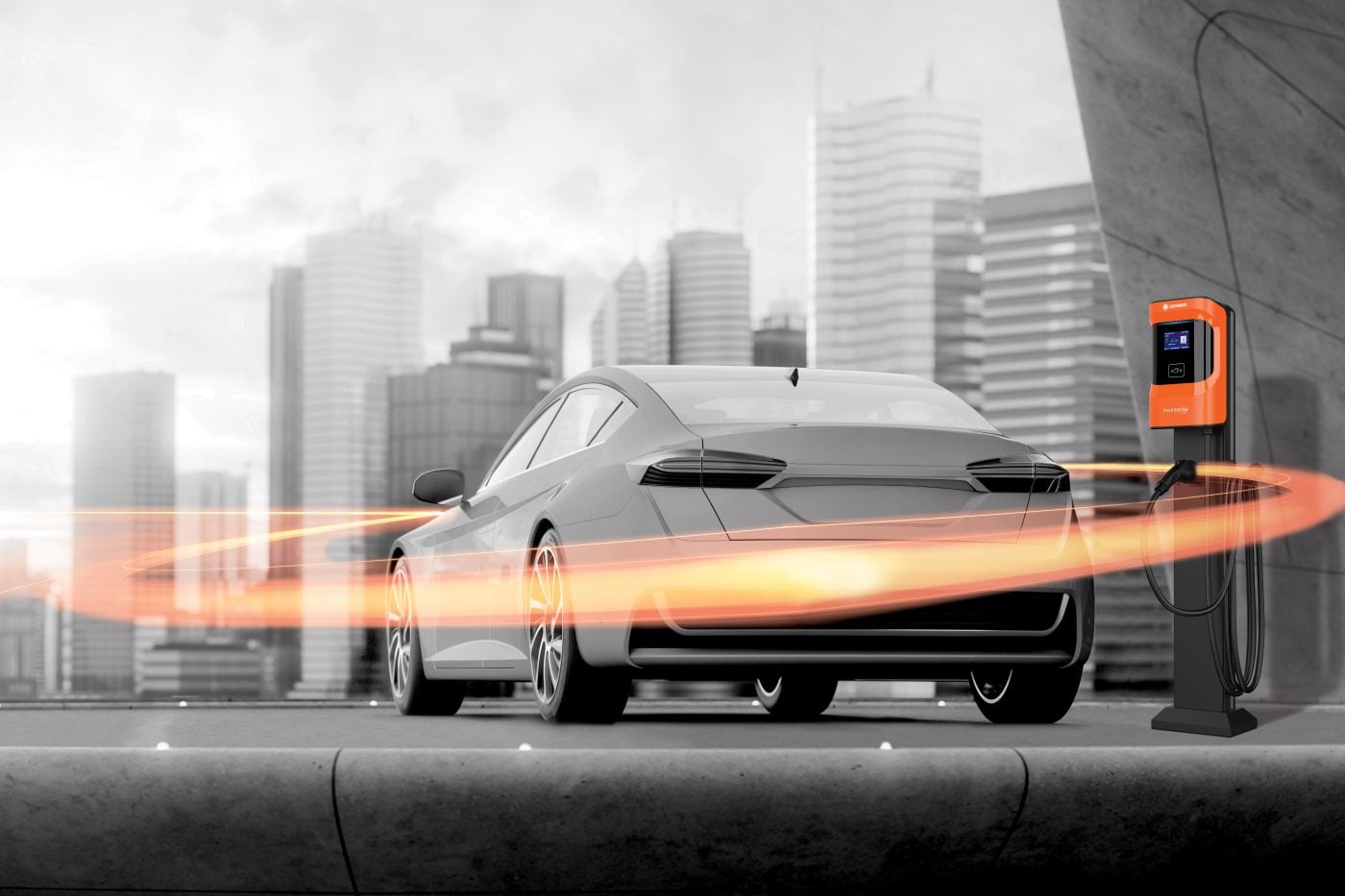
It has been a pretty good time to own an electric car in Australia. Petrol and diesel drivers have spent the past few months watching fuel prices jump around like a bad stock chart, while EV owners have had cheaper running costs and one of the most generous tax breaks in the car market. But the 2026 Federal Budget has now made it clear that the best version of that deal will not last forever.
The government is gradually winding back the electric vehicle Fringe Benefits Tax exemption, which was introduced in 2022 to make eligible EVs cheaper to salary package. The scheme has been credited with helping put around 100,000 EVs on Australian roads, but it also became far more expensive than expected.
RELATED: 14 Best Electric Cars In Australia For 2026 | Tested & Driven By Our Editors
Expensive EVs Get Hit First
From April 2027, EVs costing less than $75,000 will still keep the full exemption, giving mainstream buyers more time to move. Cars above that price will only receive a 25% FBT discount, which means the budget is taking aim first at the premium end of the market.
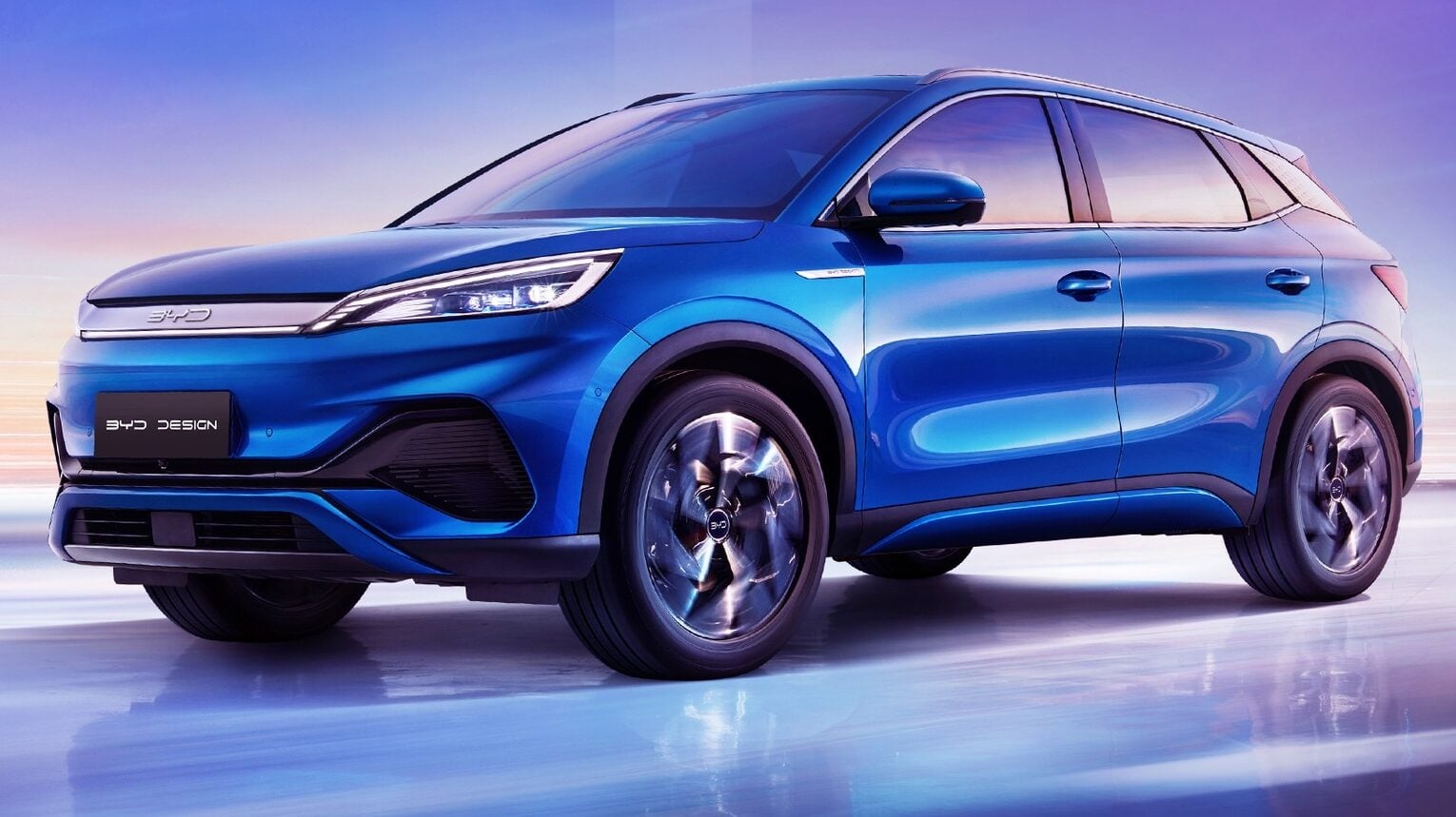
And from April 2029, all eligible EVs below the luxury car tax threshold will move to the lower 25% discount. So the support is not disappearing overnight, but the days of the strongest tax break are clearly numbered.
That matters because the current discount has been a serious sweetener. Under the existing setup, a $75,000 Tesla could cost about $200 less per week to lease than a comparable petrol car, which explains why the scheme became so popular so quickly. The budget now expects the changes to bring in about $1.9 billion over five years, while still giving EV buyers a softer landing rather than cutting the incentive off overnight.
Curated news for men,
delivered to your inbox.
Join the DMARGE newsletter — Be the first to receive the latest news and exclusive stories on style, travel, luxury, cars, and watches. Straight to your inbox.
RELATED: The Best Convertible Cars In Australia For The Summer Ahead
The Government Has Not Dumped EVs
This is not Australia walking away from electric cars. It is more like the government saying the early discount did its job, and now the support needs to become more targeted.
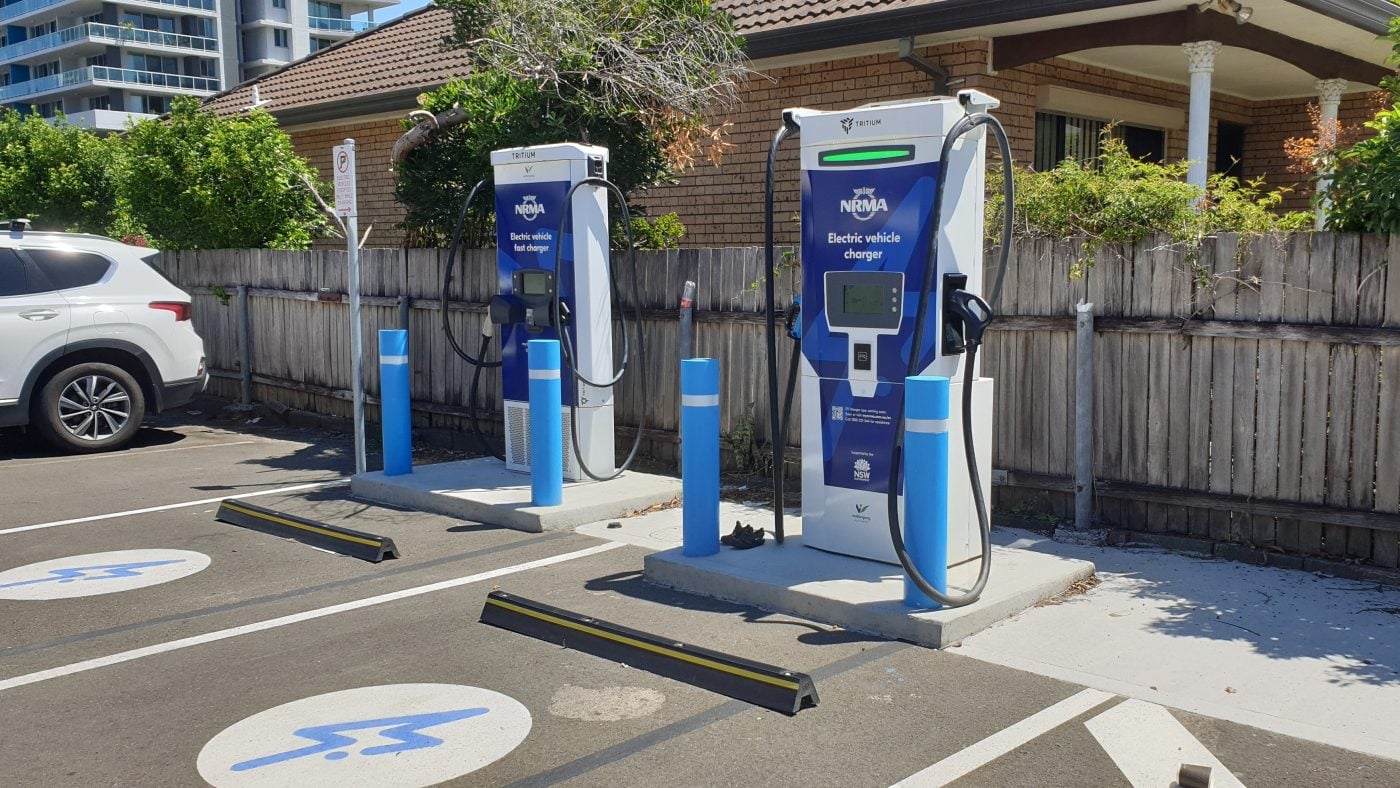
There is still money going into the EV ecosystem, including $40 million for regional and kerbside charging, $40.5 million to help Australia Post electrify its fleet, and funding to help regional dealerships and workshops adapt to electric vehicles.
There is also no national EV road-user charge in this budget, despite the long-running argument over how Australia replaces fuel excise as petrol and diesel use falls. For now, that fight has been left for another day.
The bigger message is pretty simple. EVs are no longer being treated like a fragile new technology that needs every possible favour. They are becoming normal cars, and normal cars eventually get normal tax treatment.
For anyone already eyeing an electric car, the clock is now part of the deal. The discount is still there, but the best version of it has an expiry date.

