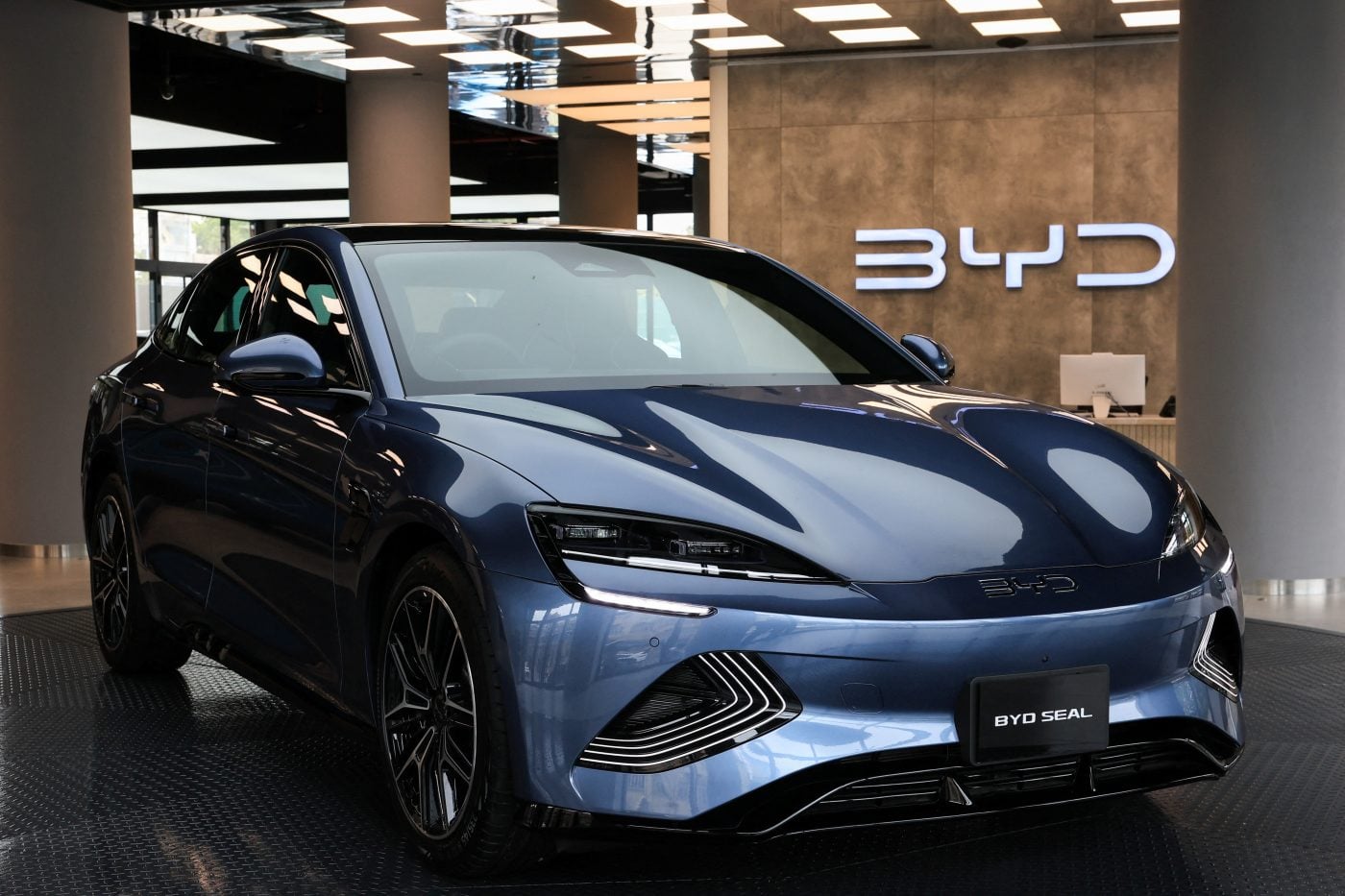
There is an assumption baked into almost every major carmaker’s global strategy. To become the biggest, you need to win America.
BYD’s head of international operations, Stella Li, thinks that assumption is outdated.
When asked about founder Wang Chuanfu’s goal of overtaking Toyota as the world’s largest carmaker within five years, Li said the company does not need the US market to get there.
BYD is currently locked out of selling passenger cars in America by tariffs and restrictions on Chinese automotive technology. Li’s position is that this does not change the destination, only the route.
It is an ambitious claim by any measure. BYD sold around 4.5 million vehicles last year. Toyota sold 10.5 million. Closing that gap without access to the world’s second-largest car market would represent one of the more remarkable strategic manoeuvres the industry has seen.
RELATED: Why China Suddenly Can’t Get Enough Of Wagons
The Numbers BYD Needs To Explain
The scale of the task becomes clearer when you look at BYD’s recent trajectory. The company’s first-half sales fell 16 per cent as intense domestic competition and softening demand hit China’s EV market harder than expected.
The country that drove BYD’s initial rise is no longer delivering the growth it once did, which makes the international pivot less of an option and more of a necessity.
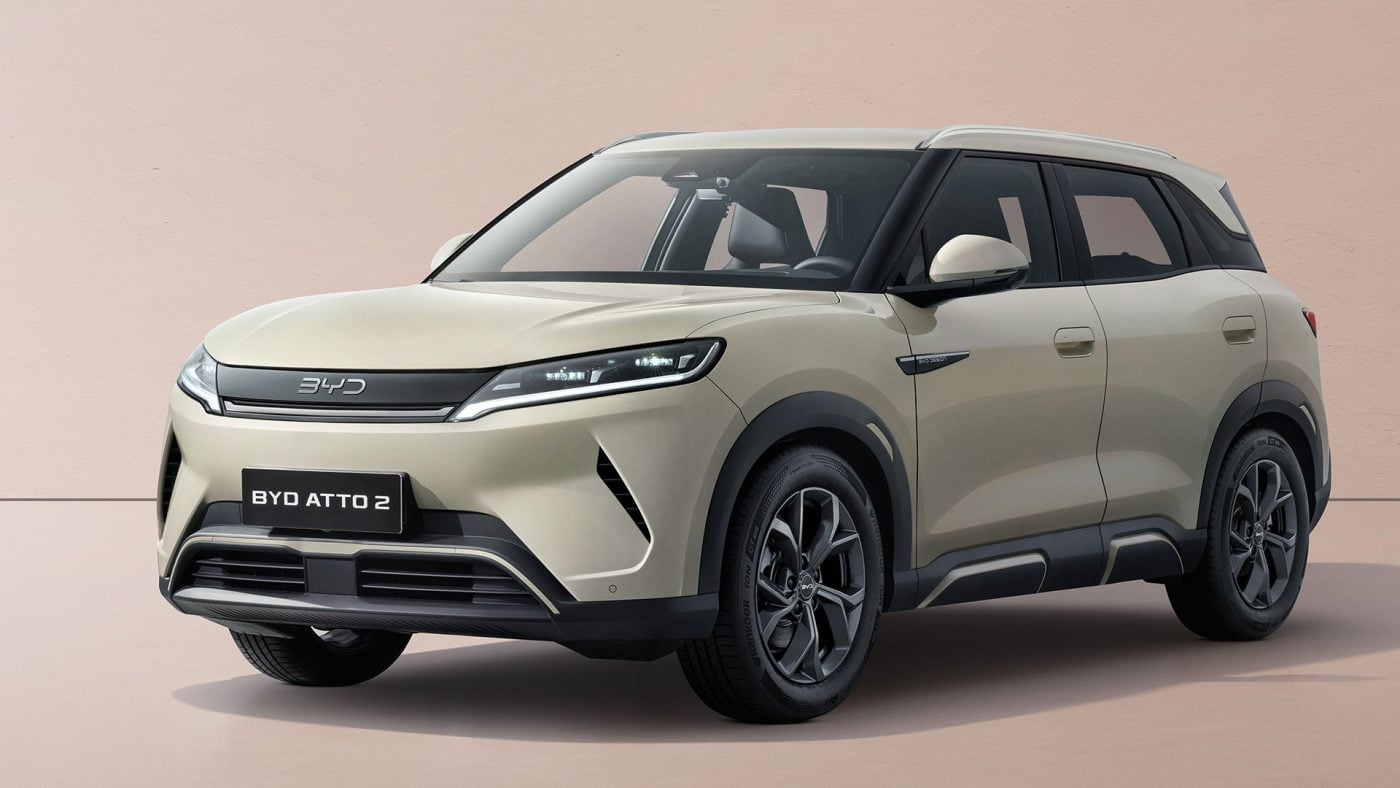
Europe has become the primary focus. BYD’s European market share more than doubled to 2.8 per cent in May, pushing it past Ford, Tesla and Nissan in the process.
The company is backing that momentum with close to €2 billion (~$3.3 billion AUD) committed to installing 3,000 ultra-fast chargers across Europe by 2027, supporting a new generation of vehicles that can charge to 70 per cent in around five minutes.
Beyond Europe, BYD is pushing hard across Latin America and Southeast Asia, treating the American absence as a gap to be filled elsewhere rather than a ceiling on ambition.
Curated news for men,
delivered to your inbox.
Join the DMARGE newsletter — Be the first to receive the latest news and exclusive stories on style, travel, luxury, cars, and watches. Straight to your inbox.
RELATED: BYD’s Luxury Brand Just Built A 1,582HP Supercar To Take On Europe’s Best
Premium Is The Next Problem To Solve
Volume growth gets BYD closer to Toyota’s numbers. Closing the gap entirely likely requires something more.
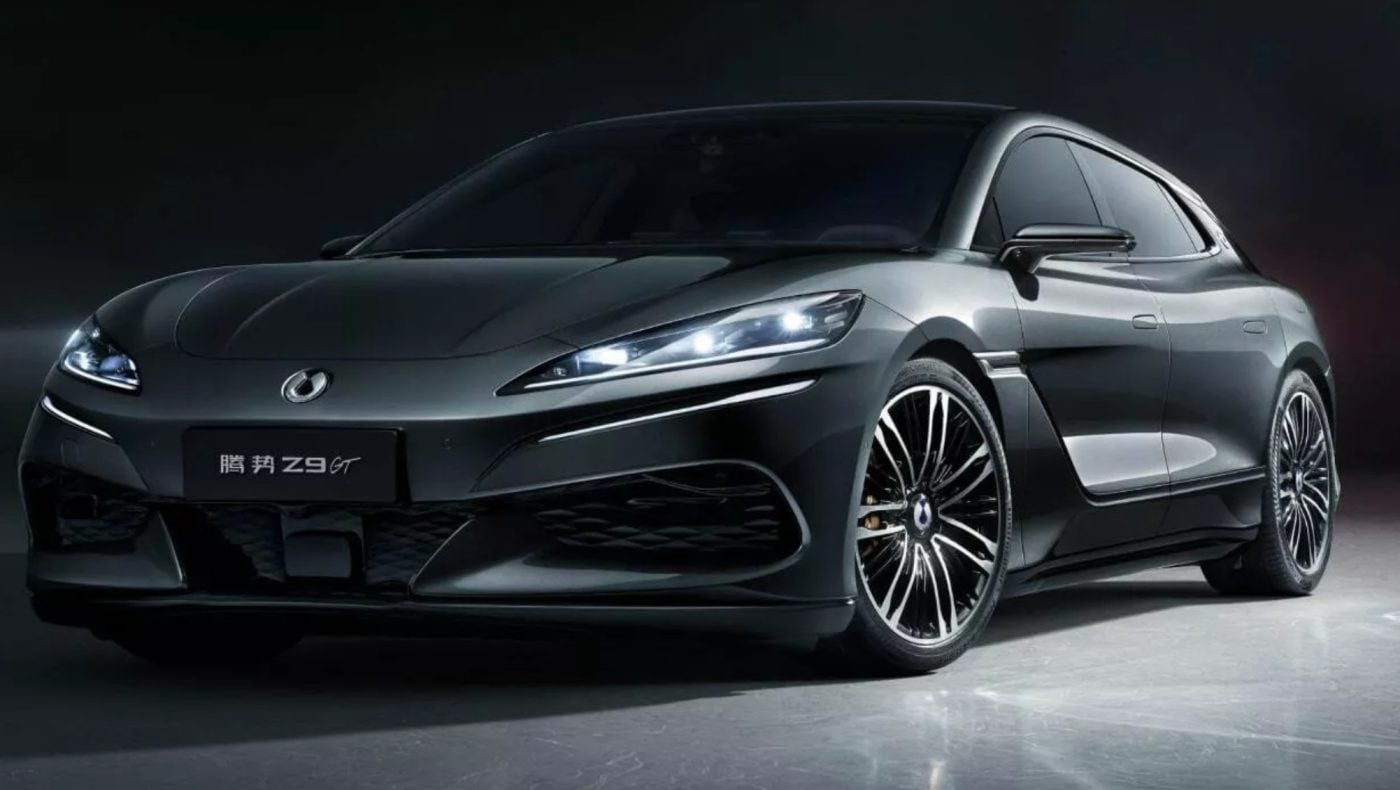
The company has been building toward the premium segment through its Denza brand, and the recently unveiled Denza Z electric supercar, priced from A$273,000 and aimed squarely at Porsche 911 territory, is the clearest expression of that ambition yet.
BYD has also stepped back from the idea of acquiring an established European manufacturer, preferring to grow its own brands rather than buy into someone else’s legacy.
Li said the company would stay open-minded if the right opportunity emerged, but organic growth appears to be the preferred path.
The logic running through all of this is straightforward enough. If BYD can build sufficient scale across Europe, Latin America, Southeast Asia and other markets, the maths could eventually work without a single American sale factored in.
Whether that holds up against a Toyota that is itself pushing into EVs and defending its position globally is the test still ahead.
Getting to number one without America would be genuinely unprecedented in modern automotive history. BYD appears to have decided that it is a reason to try it, not a reason to avoid it.

