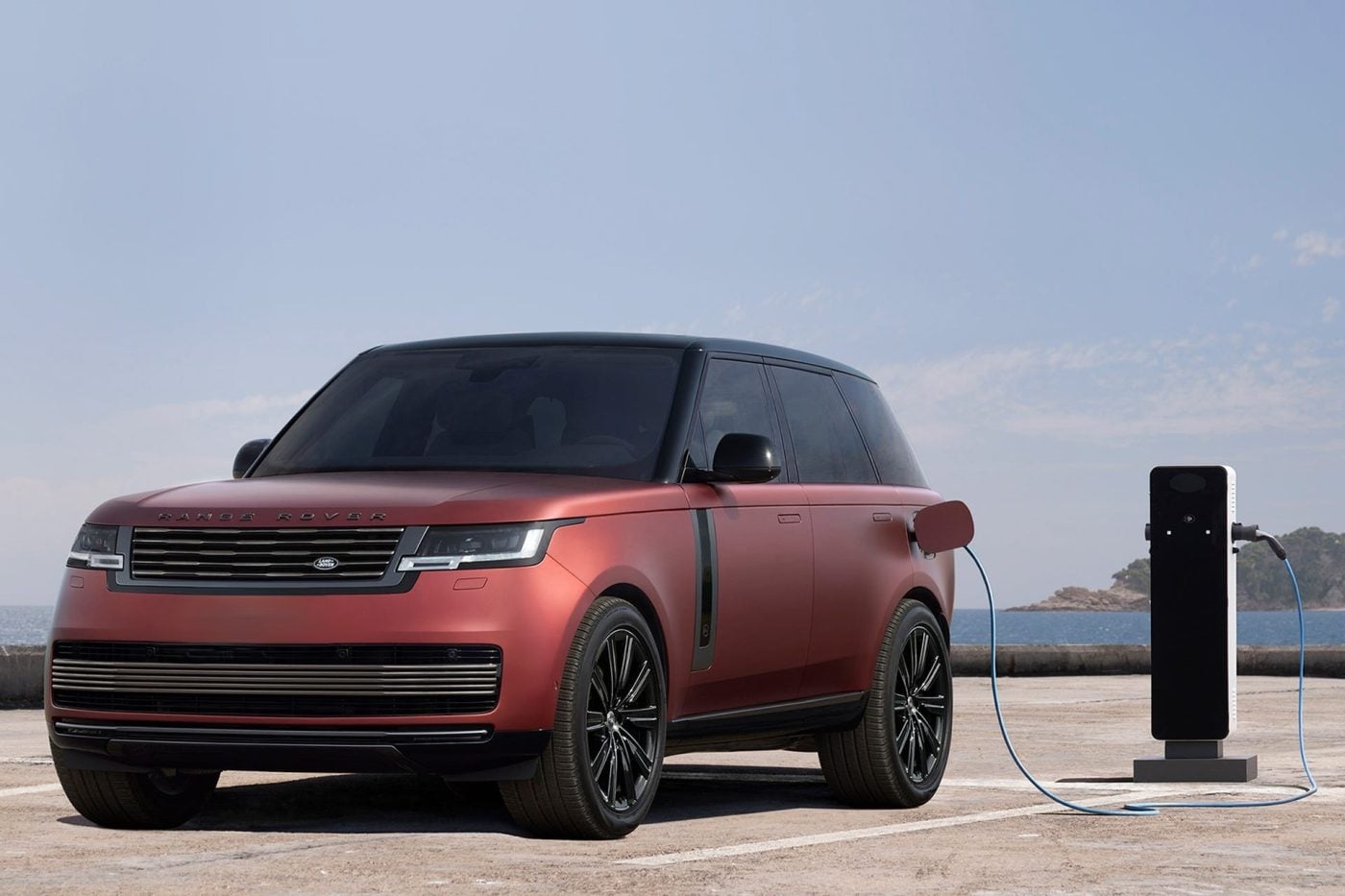
Range Rover has always been good at silence. Not total silence, of course. There was still a V8 somewhere under the bonnet, a soft growl in the background, reminding you that all the leather, glass and quiet confidence had plenty of power behind it.
Now Range Rover wants to see what happens when the growl disappears.
The first fully electric Range Rover is due to arrive by the end of 2026, and JLR is already trying to frame it as the best version of the car. Not the cleanest. Not the most politically convenient. The best.
That is a big claim for a nameplate built on petrol engines, diesel torque, air suspension and rich people crossing muddy fields before lunch.
Curated news for men,
delivered to your inbox.
Join the DMARGE newsletter — Be the first to receive the latest news and exclusive stories on style, travel, luxury, cars, and watches. Straight to your inbox.
The numbers help. The Range Rover Electric is expected to use a 118kWh battery, offer around 373 miles of range, and produce 542hp with 627lb-ft of torque from a dual-motor all-wheel-drive setup. That puts it just ahead of the current 4.4-litre V8 on horsepower and close to the plug-in hybrid flagship.
RELATED: Demand For New Range Rover Sport Hits Ridiculous Levels In Australia
It should also suit the Range Rover personality better than many people expect. Electric power is quiet, smooth and instant. Those are not strange qualities for a Range Rover. They are basically the objective.
The V8 Stays In The Picture
JLR is not forcing every buyer into the same future. The facelifted Range Rover is expected to keep a wide spread of engines, including mild-hybrid six-cylinder models, plug-in hybrids, diesels and the BMW-sourced twin-turbo V8. The EV will sit beside them, not wipe them out.
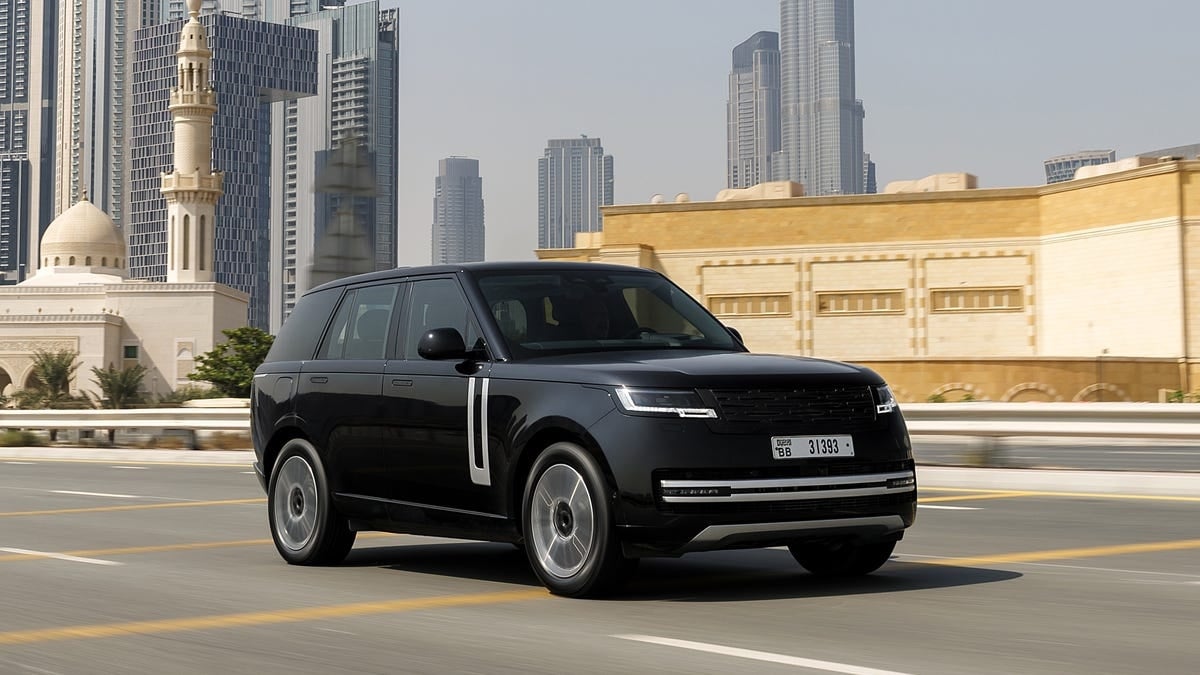
That is probably the smartest part of the plan. Luxury buyers like options. Some will want the quietest Range Rover ever made. Others will still want a V8 because it feels familiar, powerful and emotionally correct in a large luxury SUV.
Range Rover can sell both stories at once. The facelift itself looks subtle. Spy shots show a camouflaged prototype testing at the Nürburgring, with likely changes to the grille, lighting and bumpers rather than a full visual reset.
The cabin is expected to feature a new curved infotainment screen while keeping plenty of physical controls, which will please anyone tired of luxury cars turning every basic function into a touchscreen hunt.
RELATED: 2-Door Range Rover: It’s The Ultimate Road Trip Warrior
The Electric One Will Not Be Cheap
Range Rover is not planning to sell its first EV as a discount experiment.
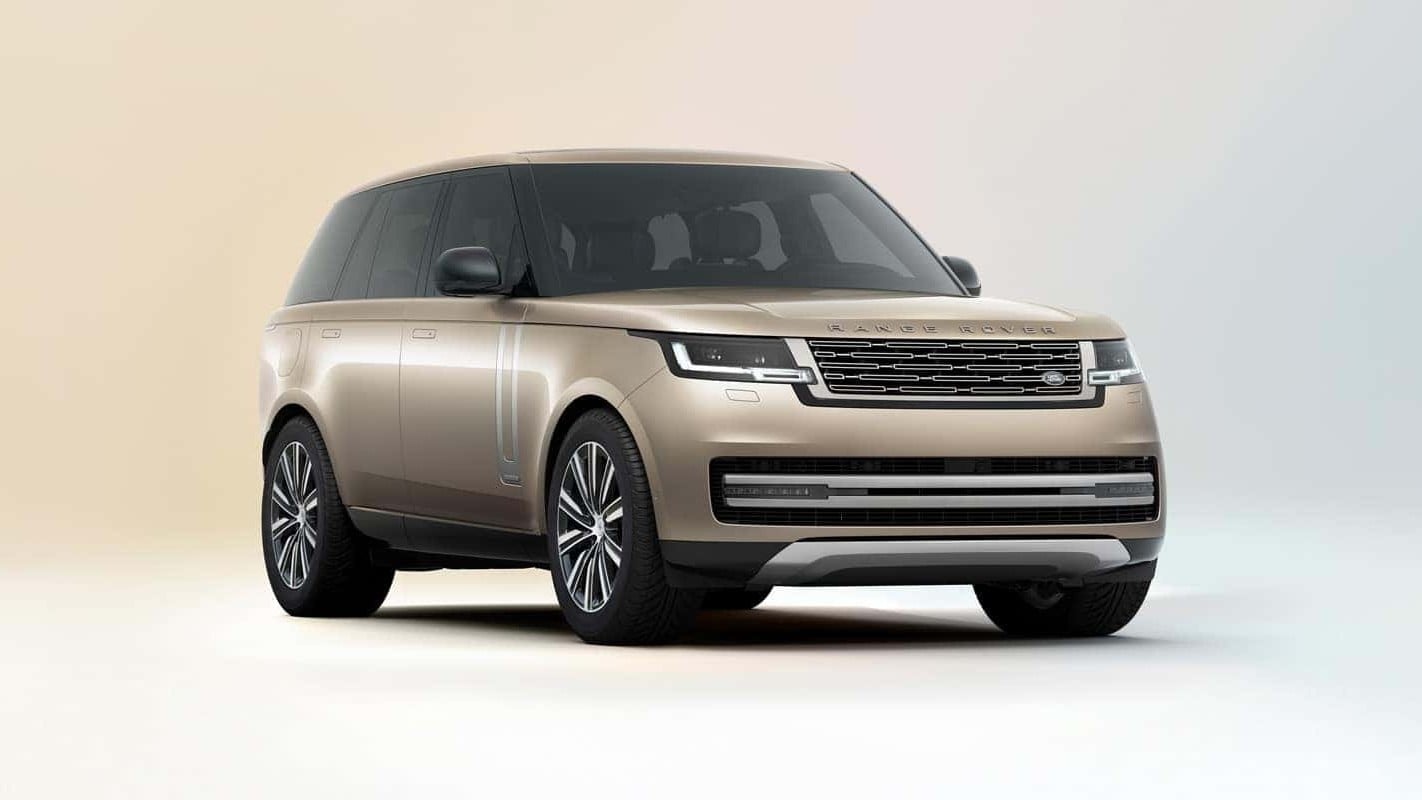
Prices have not been confirmed, but reports suggest the electric model could sit at a level comparable to a high-end Autobiography, with figures well over $150,000 in some markets.
JLR appears comfortable with that. The company is betting that buyers will pay more for the smoothest, quietest and possibly quickest Range Rover, even while other luxury brands often struggle to charge a premium for EVs.
There is already interest. JLR has shown the Range Rover Electric with a waitlist of more than 38,000, which suggests the idea has landed before the car has even reached showrooms.
Range Rover does not need its EV to replace the V8 overnight. It needs the electric version to feel like a Range Rover first, and an EV second.
If JLR achieves that, silence may become the new luxury engine note.

