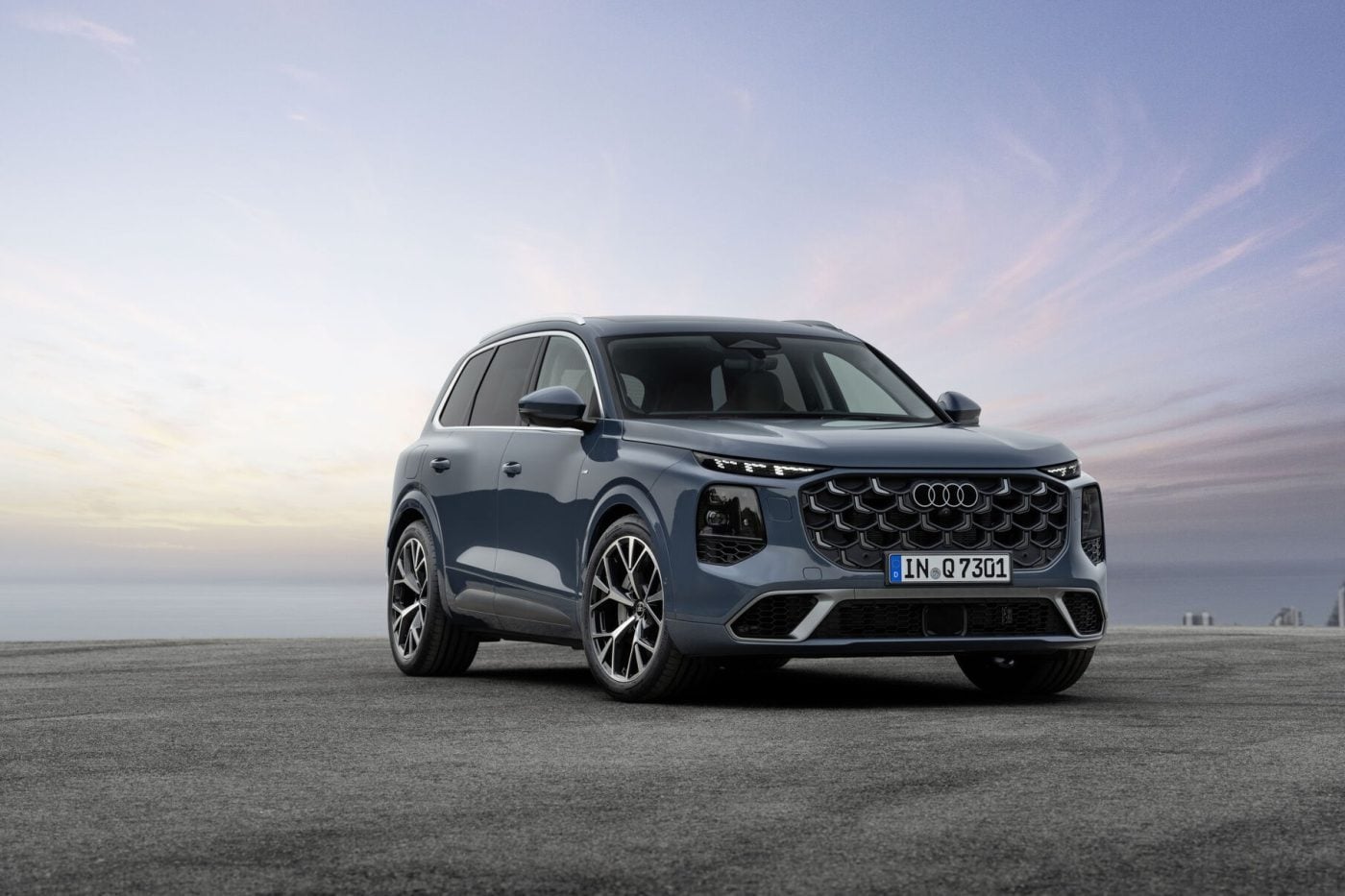
Audi has revealed the third-generation Q7, and it is not arriving quietly. The new luxury SUV brings sharper styling, a more premium cabin, clever lighting technology and a choice of five, six or seven seats, depending on the market. That is all important, but the bigger story is what sits beneath the new bodywork.
At a time when almost every major carmaker is talking loudly about electric futures, Audi has given its biggest family SUV another dose of combustion confidence. The new Q7 is not trying to become a silent electric lounge. It is still a large, powerful, long-distance luxury SUV built around space, comfort and proper road presence.
RELATED: Audi’s Most Powerful Car Ever Is A Lamborghini In A Boss Suit
Audi Has Made The Q7 Feel More Serious
The Q7 has always been one of Audi’s more practical status symbols. It is big enough for families, polished enough for executive use and capable enough to carry the quattro badge without looking like it is trying too hard.
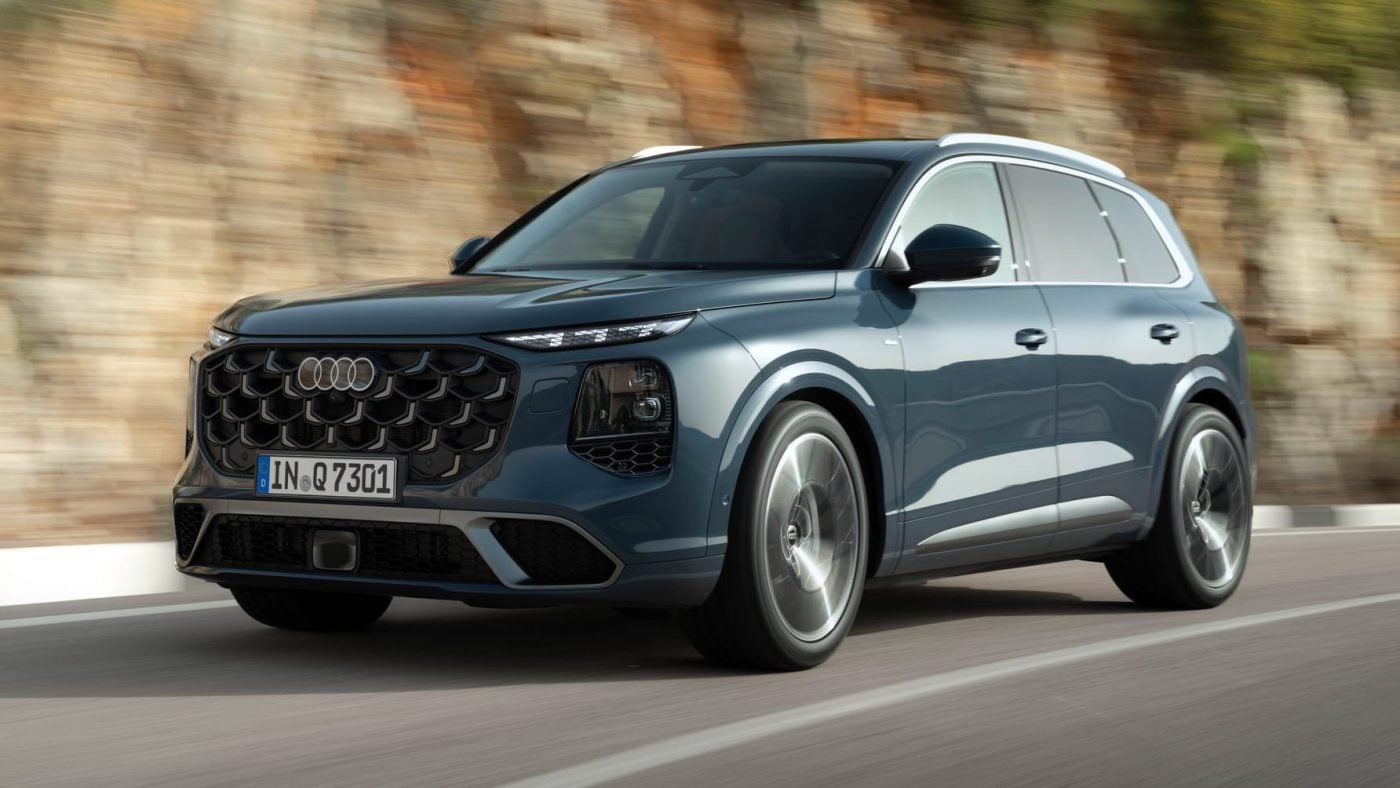
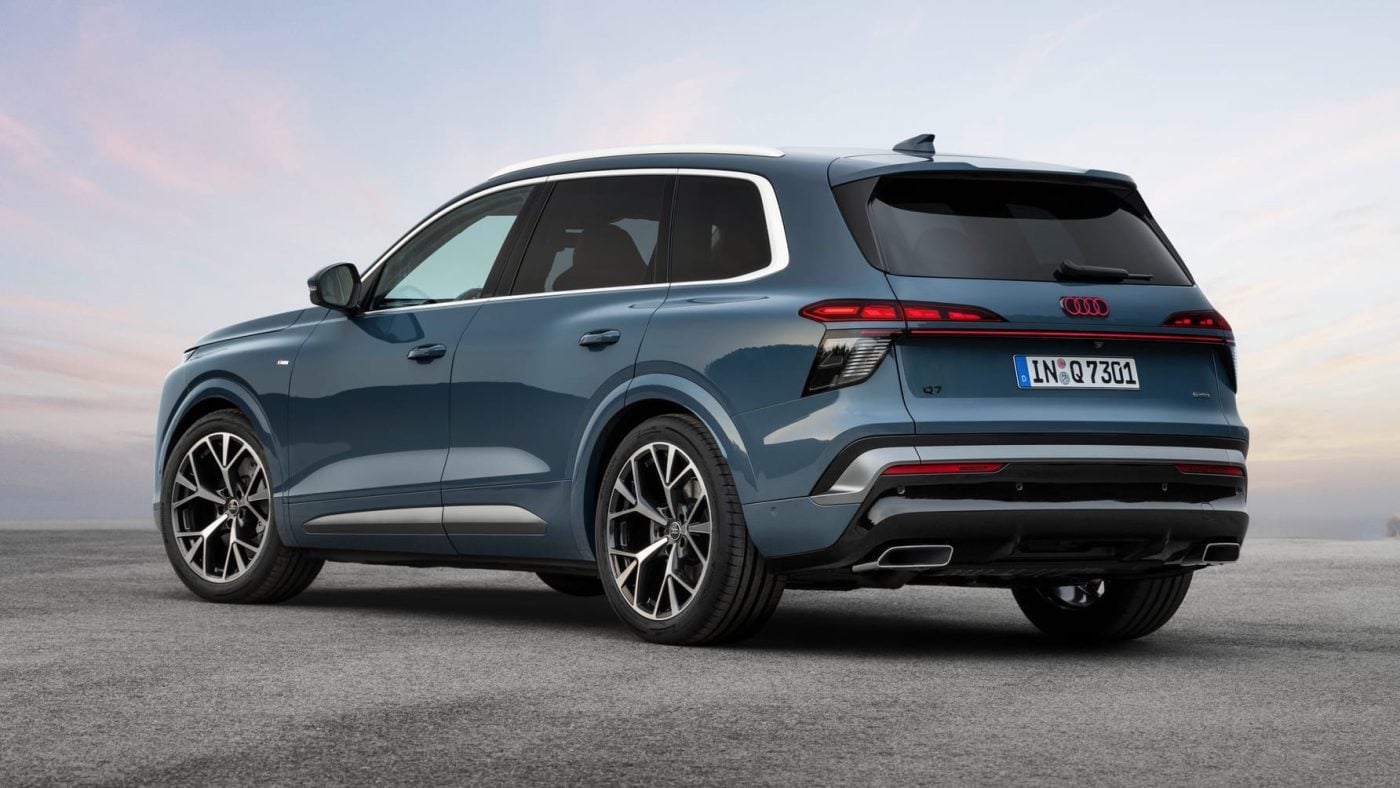
This new version pushes that formula further. The exterior is more muscular than before, with a larger Singleframe grille, stronger proportions and new digital lighting signatures.
Audi has also added clever lighting features, including Digital Matrix LED headlights in some markets and turn signals that can project onto the road at night to warn pedestrians and cyclists.
Curated news for men,
delivered to your inbox.
Join the DMARGE newsletter — Be the first to receive the latest news and exclusive stories on style, travel, luxury, cars, and watches. Straight to your inbox.
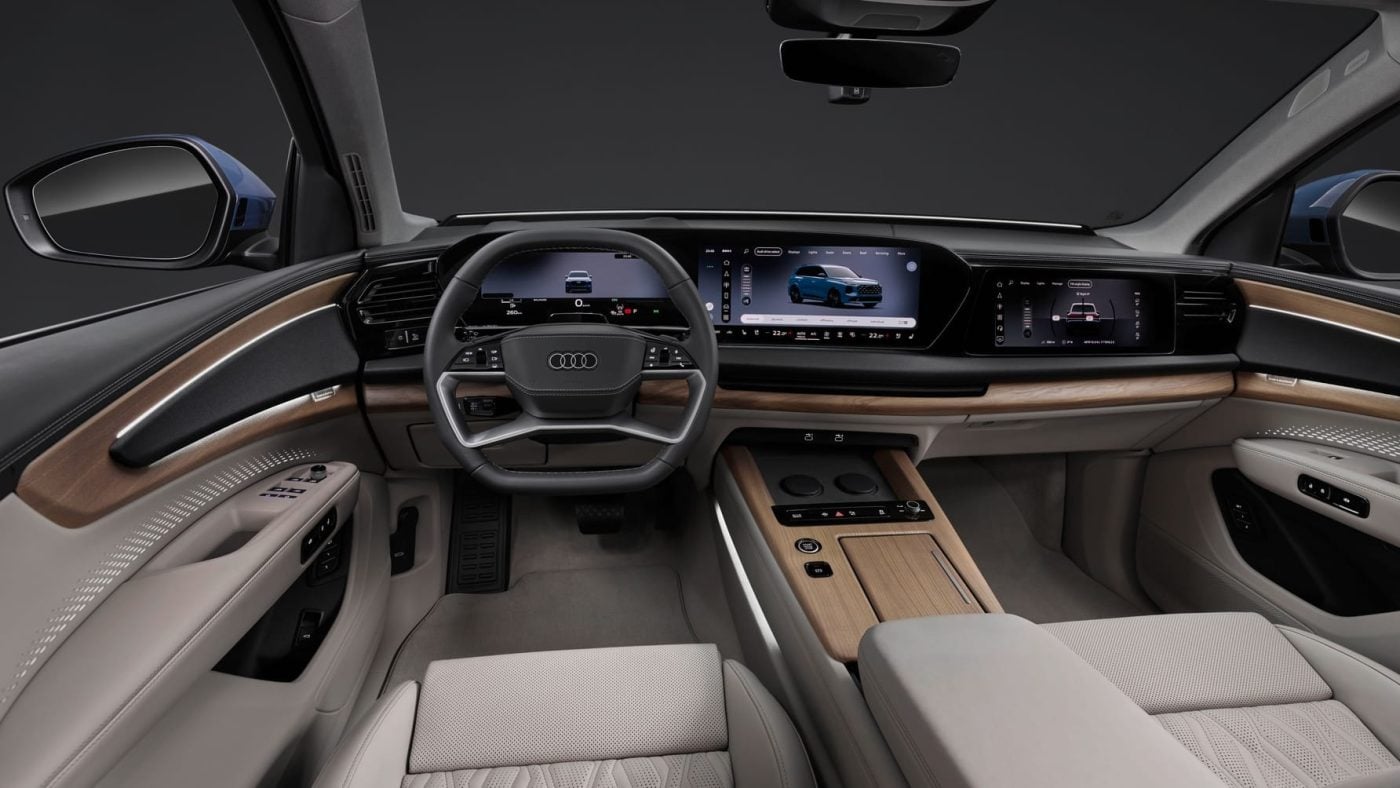
The cabin also moves closer to Audi’s latest luxury playbook. There is more screen real estate, better materials, open-pore wood options, a panoramic sunroof with switchable transparency and improved seating flexibility. Buyers can choose a traditional seven-seat layout or, for the first time, a six-seat setup with individual second-row chairs.
That matters because the Q7 is no longer just fighting other family SUVs. It is fighting luxury vans, executive EVs and bigger premium SUVs that promise business-class comfort on wheels.
RELATED: Audi May Have Found The One Car That Can Make Enthusiasts Care Again
Big Engines Are Still Part Of The Pitch
The most revealing part is that Audi has not treated the Q7 like a vehicle waiting to be replaced by an EV.
In Europe, the new Q7 launches with a 3.0-litre V6 diesel using mild-hybrid technology, an electric-powered compressor and quattro all-wheel drive as standard. It can also run on hydrotreated vegetable oil, better known as HVO, where available.
In the US, the story gets even more muscular. The Q7 is set to use a twin-turbocharged 2.9-litre V6 producing 429HP, while the SQ7 steps up to a twin-turbocharged 4.0-litre V8 with 591HP. Audi says the SQ7 can run from 0 to 60mph in 3.7 seconds, which is deeply unnecessary and exactly why people will pay attention.
Both the Q7 and SQ7 can tow up to 7,700 pounds when properly equipped, giving the car the sort of real-world usefulness that still matters to buyers in this part of the market.
Audi is not simply updating an old nameplate. It is reminding buyers that the big luxury SUV still has a place, even as the industry gets louder about electrification.
The Q7 now has the screens, the lights, the comfort and the digital tricks expected of a modern premium car. But it also has the size, power and long-distance confidence that made large SUVs so popular in the first place.
Audi’s electric future may be coming, but the new Q7 establishes that the brand is not ready to let combustion-powered luxury disappear without a fight.

