Every January, the Australian car industry does the same thing. VFACTS drops, everyone argues about who sold the most Rangers, and the narrative resets around volume. Who’s up, who’s down, who cracked the top 10. That stuff matters if you’re a dealer trying to hit targets but it tells you almost nothing about which brands are actually shaping where this market goes next.
Influence is different to popularity. We’re focused on technology, on pricing, on regulation, on how cars get sold, and on what Australians expect when they walk into a showroom.
Here are the 10 brands that we think are doing that right now, and the order might surprise you.
1. Toyota
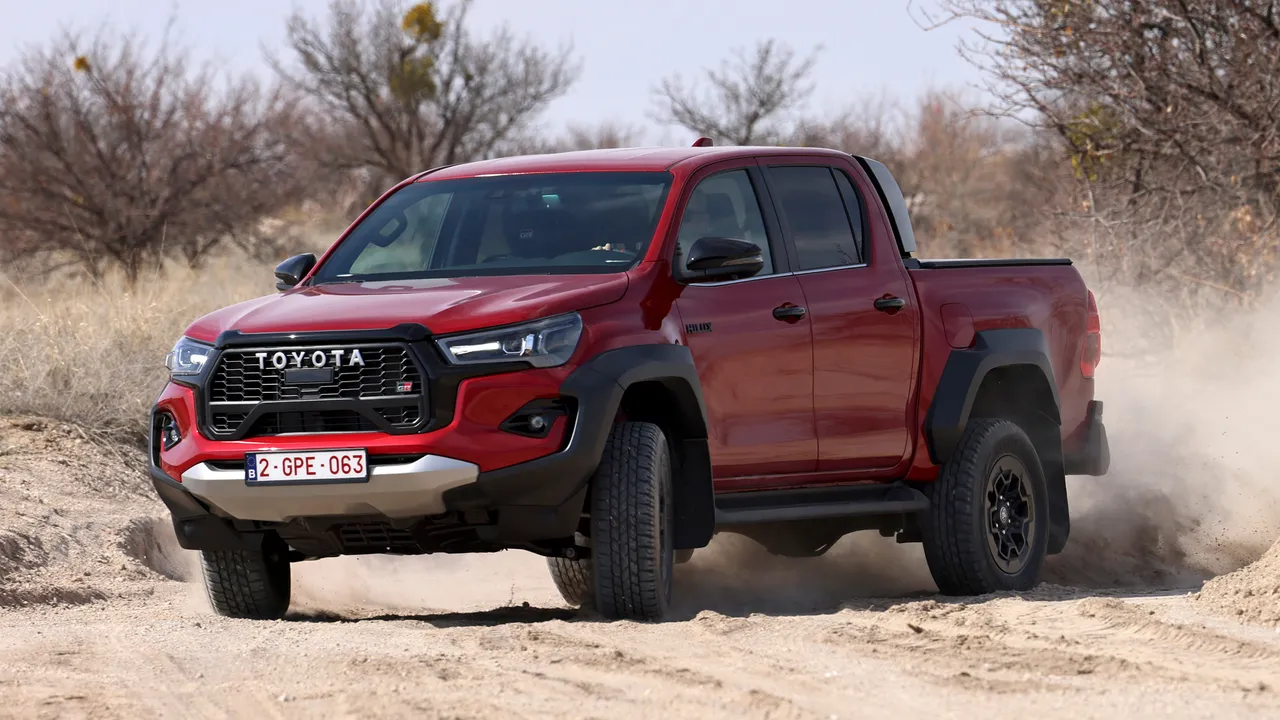
Not because it sells 240,000 cars a year. Because it made the right technology bet a full decade before anyone else even asked the question.
While the rest of the industry was arguing about whether EVs or hydrogen would win, Toyota quietly built hybrids into everything and watched the world come around. Now every manufacturer in the country is scrambling to offer a hybrid option and Toyota is sitting on a 2.9 million unit NVES surplus like it’s loose change.
Twenty-three consecutive years as Australia’s number one brand is impressive. But the real influence is this: Toyota proved that electrification doesn’t have to mean expensive, complicated, or inconvenient. A HiLux hybrid outsells any dedicated EV in the country.
Curated news for men,
delivered to your inbox.
Join the DMARGE newsletter — Be the first to receive the latest news and exclusive stories on style, travel, luxury, cars, and watches. Straight to your inbox.
A RAV4 hybrid is about to challenge the Ford Ranger as the number one vehicle overall. When the brand that tradies and families trust most tells the market that hybrid is the answer, the market listens. Everyone else is just catching up to the homework Toyota handed in a decade ago.
RELATED: Toyota Tundra Truck Set To Hit Australia
2. BYD
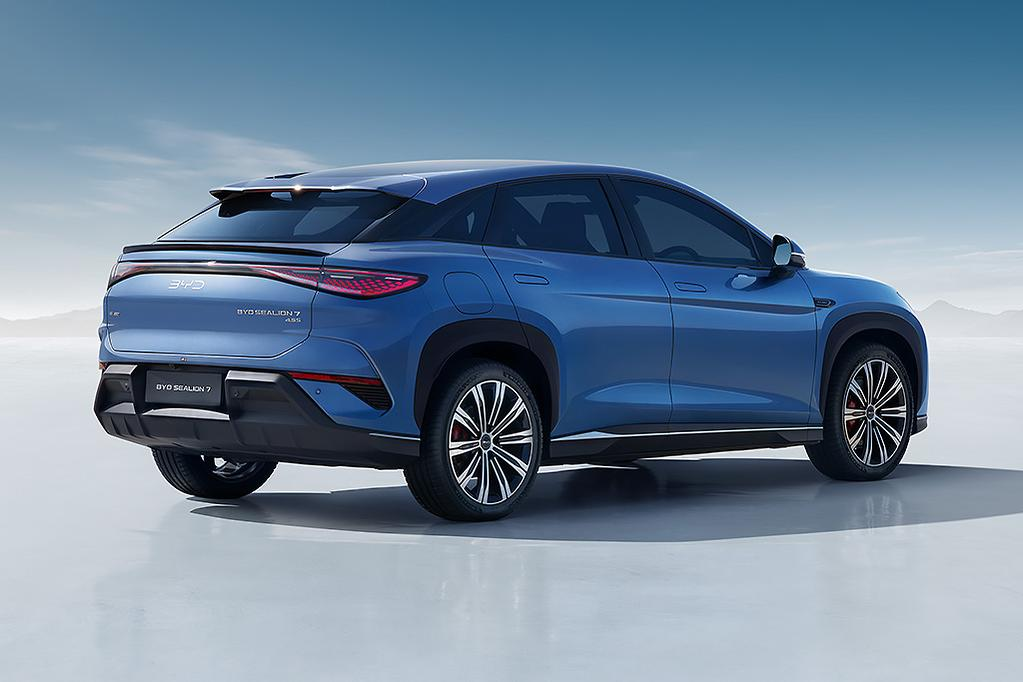
Here’s the thing about BYD. They don’t respond to the market. The market responds to them. 156% sales growth in 2025. The Atto 1 at $23,990 made an EV cheaper than a Suzuki Swift.
The Shark 6 forced every legacy ute manufacturer to fast-track electrified utes that were probably five years away on their product plans. And BYD makes its own batteries, its own chips, and its own motors, which means it controls pricing at a level nobody else can touch.
But the influence goes deeper than just being cheap. BYD through its Denza sub-brand is coming for the Toyota Prado with a ladder-frame plug-in hybrid 4WD that tows 3,000 kilograms and has a party trick called Leopard Turn that pivots the thing on its inside rear wheel.
They’re attacking every segment simultaneously, from city hatchbacks to serious off-roaders, and they’re doing it at price points that make legacy brands look like they’ve been taking the piss for years. Whether you like it or not, BYD is the brand that’s repricing the entire Australian market from the ground up.
RELATED: BYD Shark 6 Sales Indicate Aussie Tradies Want Succulent Chinese Utes
3. Tesla
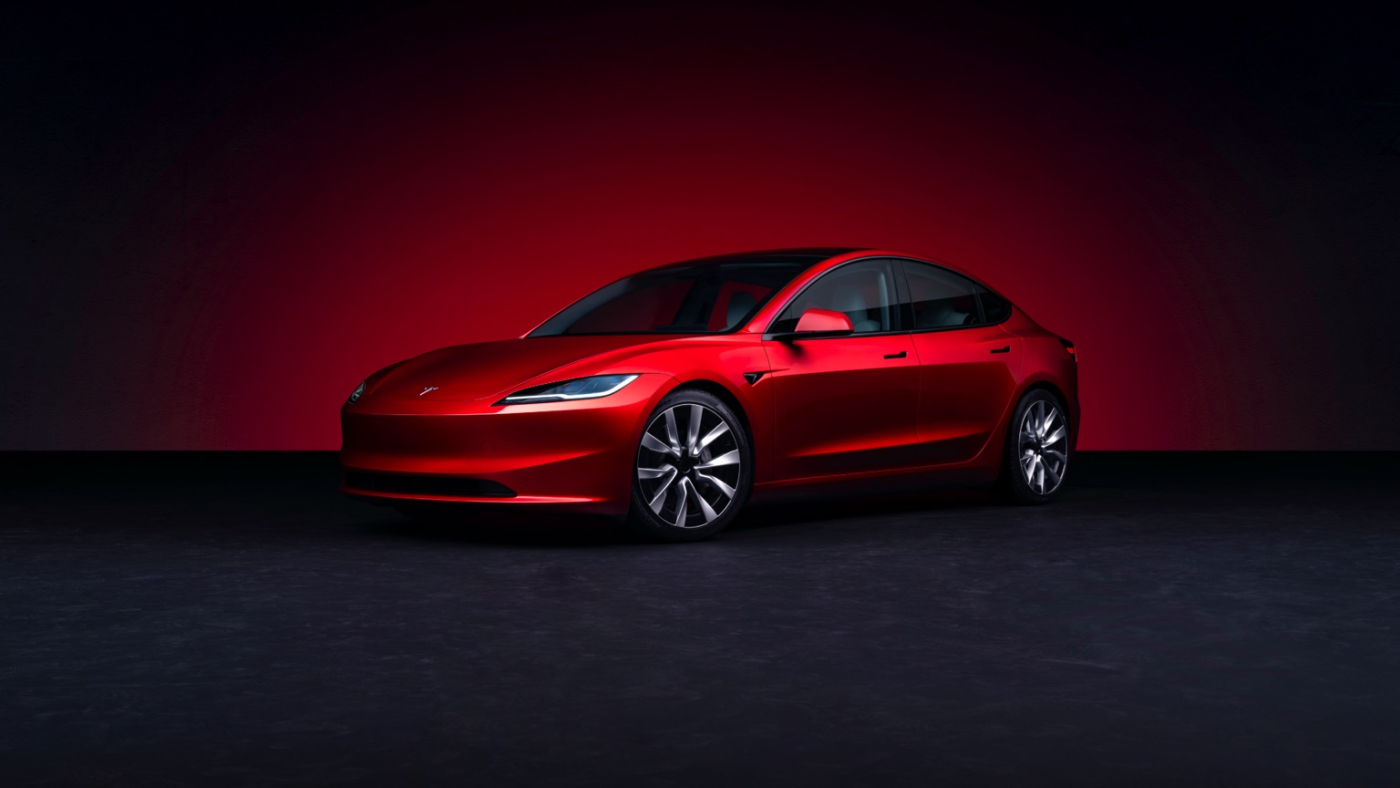
Give credit where it’s due. Tesla built the Australian EV market from nothing. It normalised electric cars for mainstream buyers, built the Supercharger network that made long-distance EV ownership actually viable, and made over-the-air software updates something people expect rather than something they marvel at.
Every connected car feature you now see from every other brand exists because Tesla did it first.
But influence and momentum are different things. Sales are down 25% across two consecutive years. One model carries 77% of Australian volume. And the CEO has become a brand liability in a way that’s impossible to ignore, particularly in a market like Australia where people are less forgiving of that sort of thing than they might be in Texas.
Tesla’s influence on the market is permanent and undeniable. The question is whether the brand itself can hold the position it created, or whether it becomes the BlackBerry of EVs: the one that showed everyone what was possible and then watched them do it better.
4. Mercedes-Benz
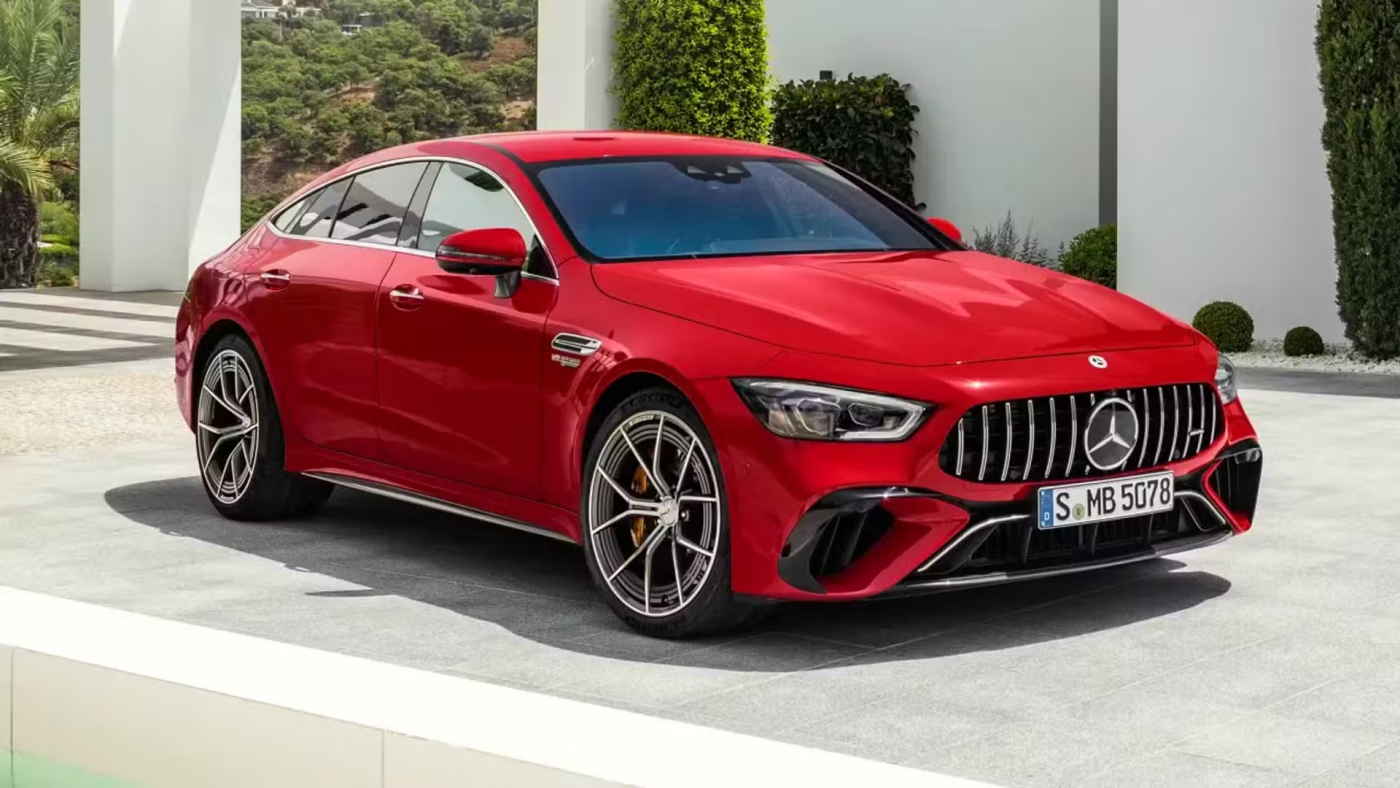
Every Chinese brand launching in Australia right now is chasing what Mercedes-Benz defines as premium. The interior design language, the materials, the way the technology is integrated rather than just thrown at a dashboard.
That’s influence you can’t measure in sales figures. BYD, Zeekr, and Geely are all building cars that are essentially trying to feel like a Mercedes at half the price, and that tells you everything about who’s still setting the benchmark.
But the bigger story is the agency model. Mercedes forced through a fundamental change in how cars are sold in this country, moving from the traditional dealer franchise model to a direct-sale agency structure. That decision is now the subject of a $650 million class action from dealers, and however that case lands, it will determine the future of car retailing in Australia.
If Mercedes wins, every other brand will follow. If it loses, the dealer model gets a lifeline nobody expected. And then there’s the G-Class, which somehow remains the one vehicle that works at a charity gala and a construction site in the same week. That’s not a car, that’s a cultural object.
5. Ford
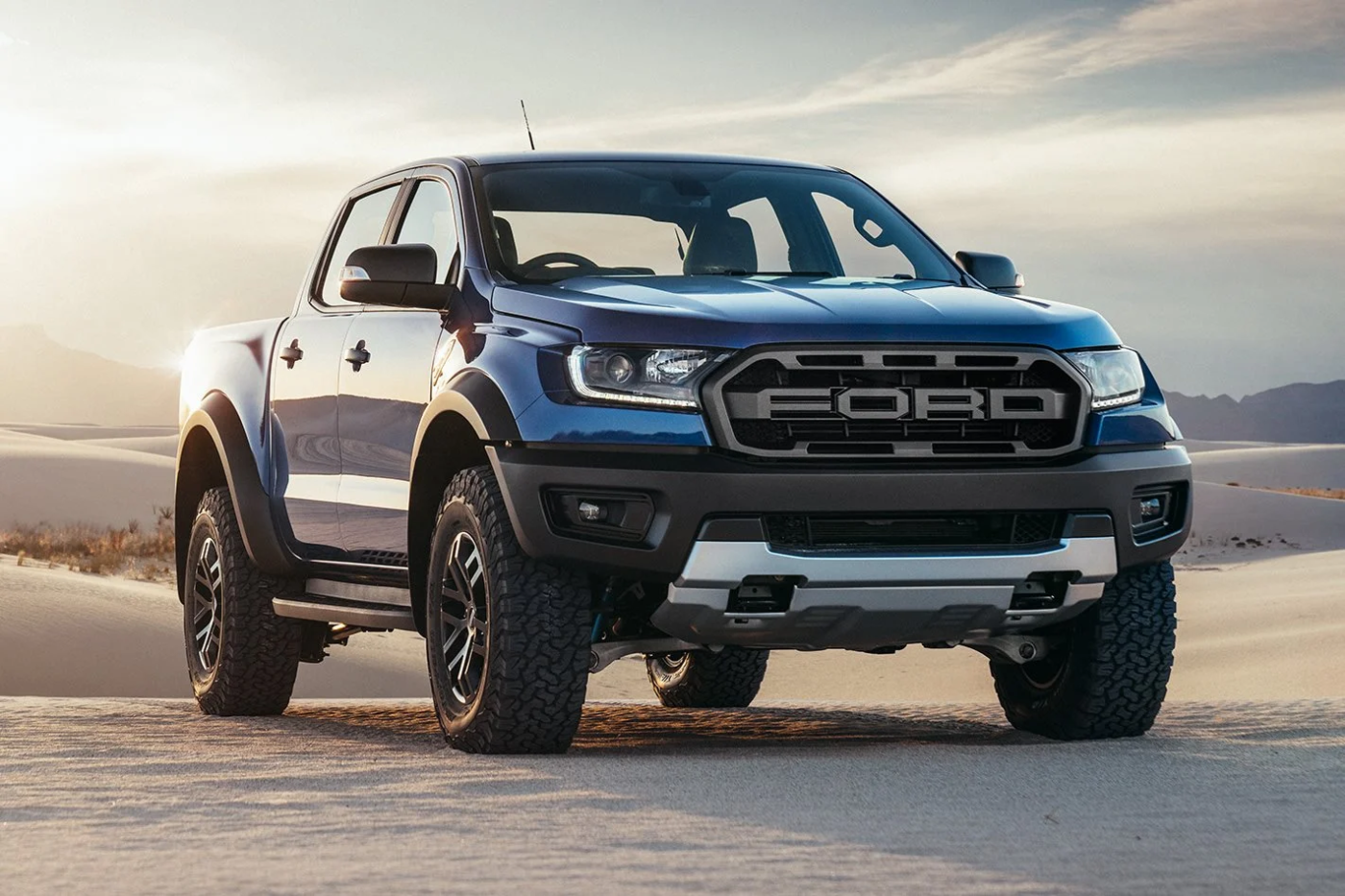
The Ford Ranger has been Australia’s best-selling vehicle for three consecutive years and that’s not just a sales stat, it’s a reflection of how deeply embedded the ute is in Australian identity. Ford doesn’t just sell into that market, it essentially defines it.
The Ranger is the vehicle that every other ute is measured against, from the HiLux to the new Chinese entrants trying to crack the segment.
The problem is that the ute-dependent business model is on a collision course with NVES emissions targets that get tighter every year. The Ranger PHEV at $72,000 is a start, but the Super Duty and the diesel lineup are where Ford actually makes its margin. And the 2026 targets are the ones where the maths goes from uncomfortable to genuinely painful.
Ford’s influence is the fact that what happens to the Ranger under NVES essentially determines what happens to the entire ute segment. If Ford can make the transition work, the category survives. If it can’t, the ripple effect hits every brand with a dual-cab in the lineup.
6. Geely Group
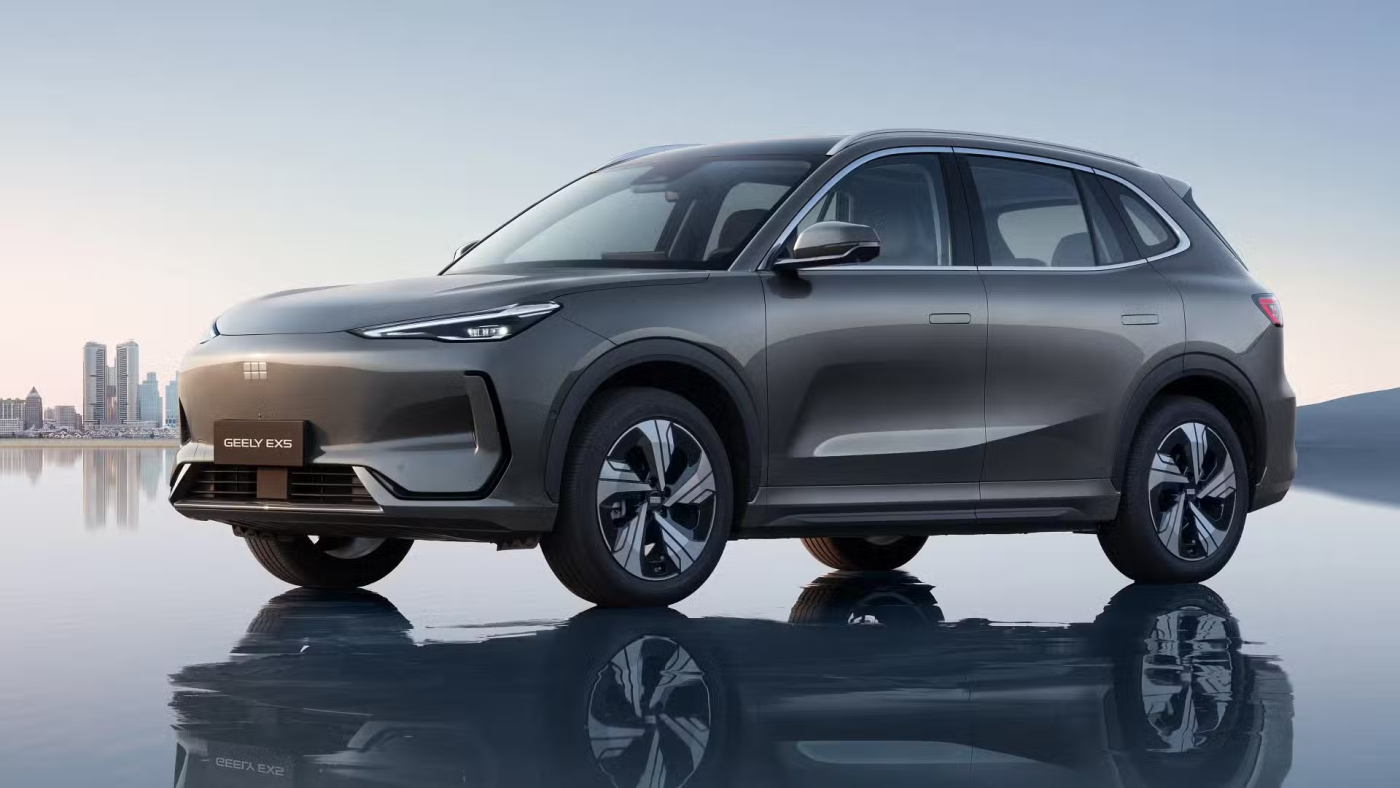
Most people have no idea that Volvo, Polestar, Zeekr, Lotus, Smart, and Geely are all the same company. That’s six brands covering everything from a $33,000 city EV to a $400,000-plus Lotus, all built on shared architecture and shared battery technology. No other automotive group is attacking the Australian market from this many price points simultaneously.
Zeekr alone has racked up over 1,200 sales since October, going directly after Tesla’s Model Y with a car that’s better looking and arguably better built. Polestar is carving out a quiet premium EV niche.
Volvo still owns the safety-conscious family buyer. And the Geely brand itself launched with a plug-in hybrid SUV that undercuts almost everything in its class.
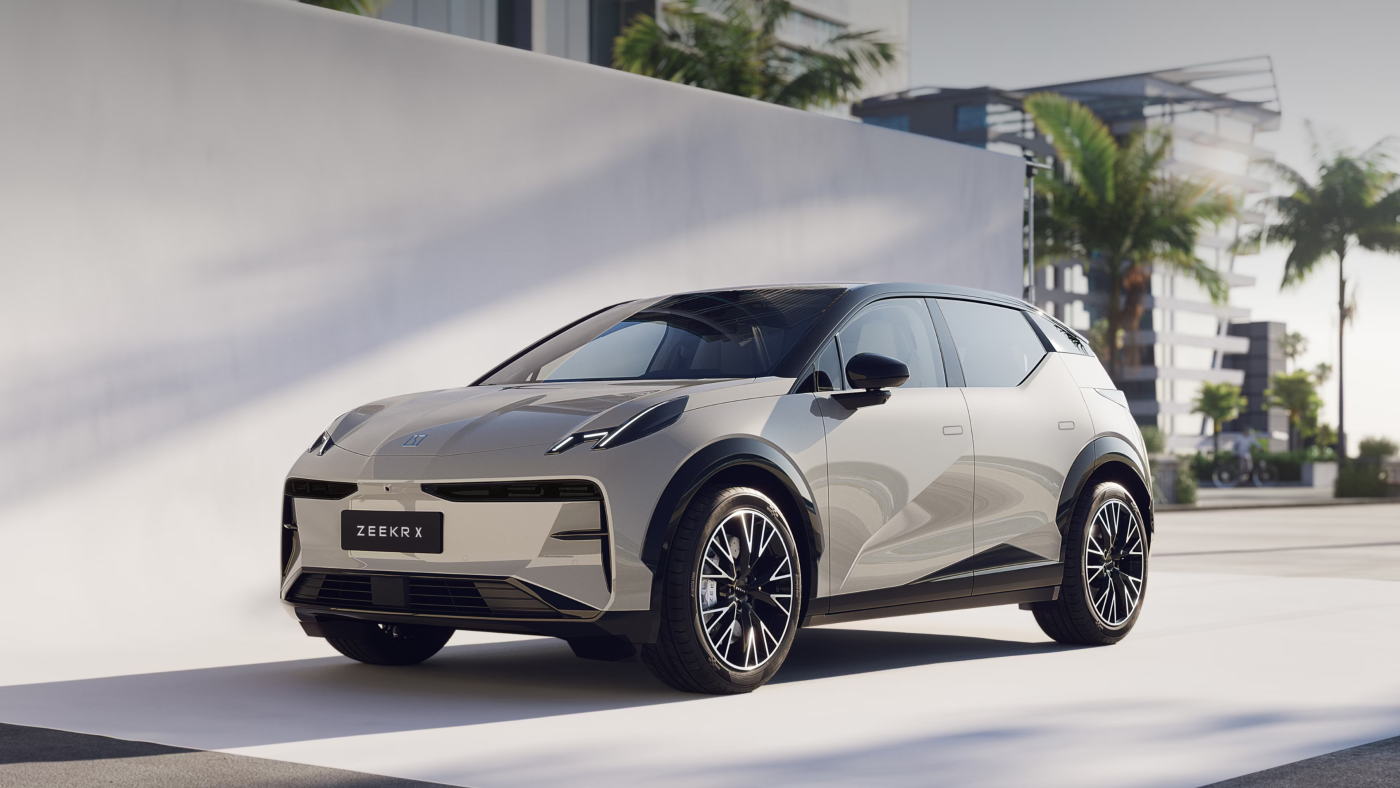
The influence here isn’t any single brand. It’s the portfolio strategy. Geely is doing what Volkswagen Group did in Europe over decades, except it’s doing it in Australia in about 18 months. When a single parent company can offer you six different brands at six different price points, the competitive dynamics of the entire market shift.
RELATED: This Zeekr People Mover Just Landed in Australia And It’s More Luxurious Than Most Private Jets
7. GWM
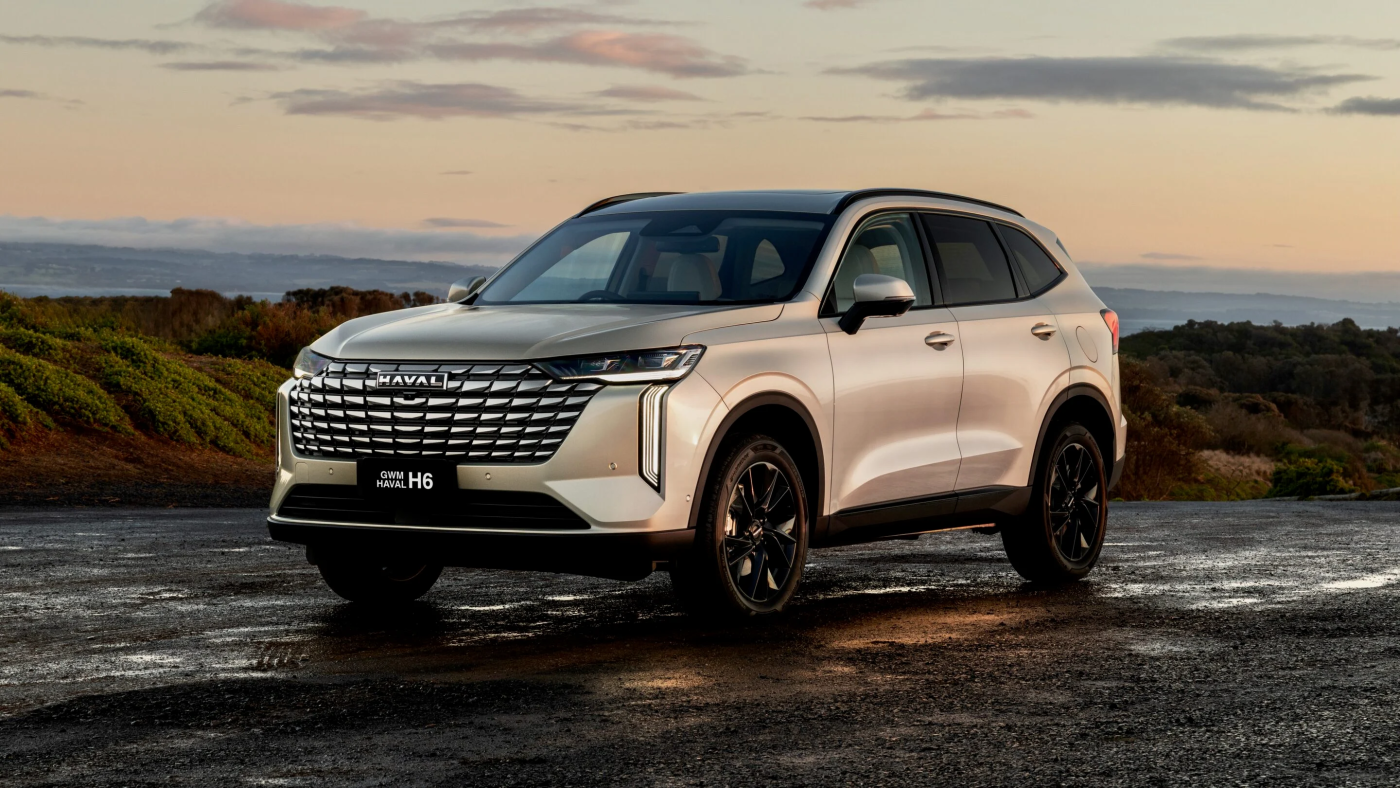
GWM is the Chinese brand that nobody talks about with the same breathless excitement as BYD, and that’s exactly why it’s succeeding. While everyone else was either trying to be the cheapest or trying to be the most disruptive, GWM just quietly built the most mature Chinese automotive operation in Australia.
PHEVs when plug-in hybrids took off. SUVs and utes when sedans died. The Tank 300 built a cult following that nobody saw coming, turning up at every overlanding meetup and 4WD expo in the country. And here’s the detail that matters most: GWM is doing local suspension tuning at Lang Lang, which is Holden’s old proving ground.
That’s not a publicity stunt. That means they’re investing in making their cars ride and handle properly on Australian roads, which is the one thing that has historically separated good Chinese cars from genuinely competitive ones.
When you’re tuning your suspension on the same tarmac where the Commodore was developed, you’re sending a very specific message about how seriously you take this market.
8. Chery
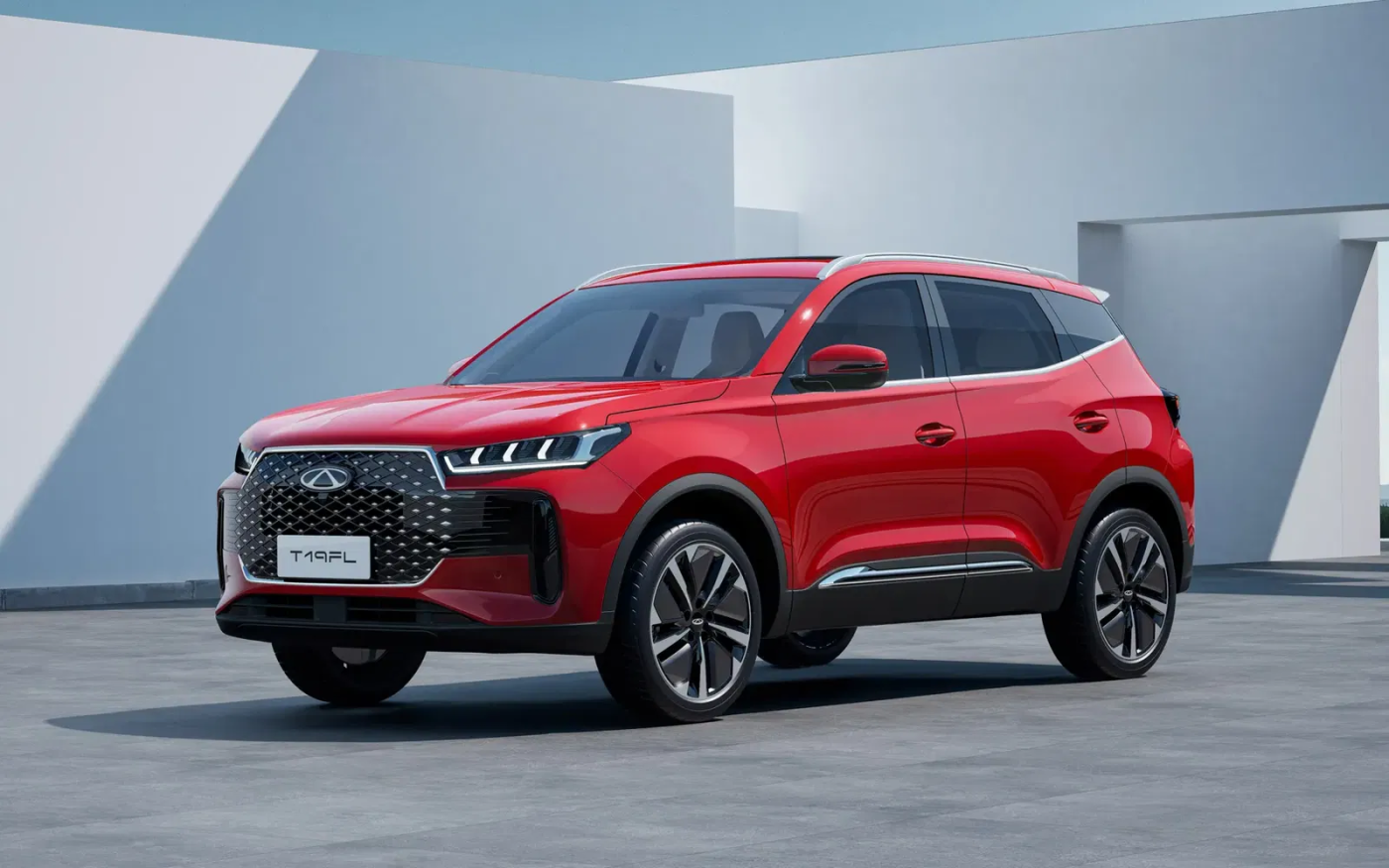
Sales grew 177% in 2025 and the Tiggo 4 became the best-selling small SUV in Australia at under $24,000. That alone would be enough to justify a spot on the list. But what makes Chery genuinely influential is the multi-brand empire it’s building.
Omoda for the style-conscious buyer. Jaecoo for the adventure crowd. Lepas as a future premium play. It’s the Volkswagen Group playbook executed by a Chinese manufacturer, and it’s happening right now in Australian showrooms.
The real market-changer arrives in Q4 2026 when Chery launches what it says will be the world’s first diesel plug-in hybrid ute. If that sounds like a niche product, you’re not thinking about it correctly. A diesel PHEV ute that can run on electric around town but has diesel range and torque for towing and long distances is exactly what the Australian tradie market has been asking for.
Nobody else has cracked that formula yet. If Chery gets it right, it doesn’t just win sales. It sets a new standard that every other ute manufacturer has to respond to.
RELATED: Jaecoo J7 SHS Review: Australia’s Best Value Plug-In Hybrid SUV?
9. RAM Trucks
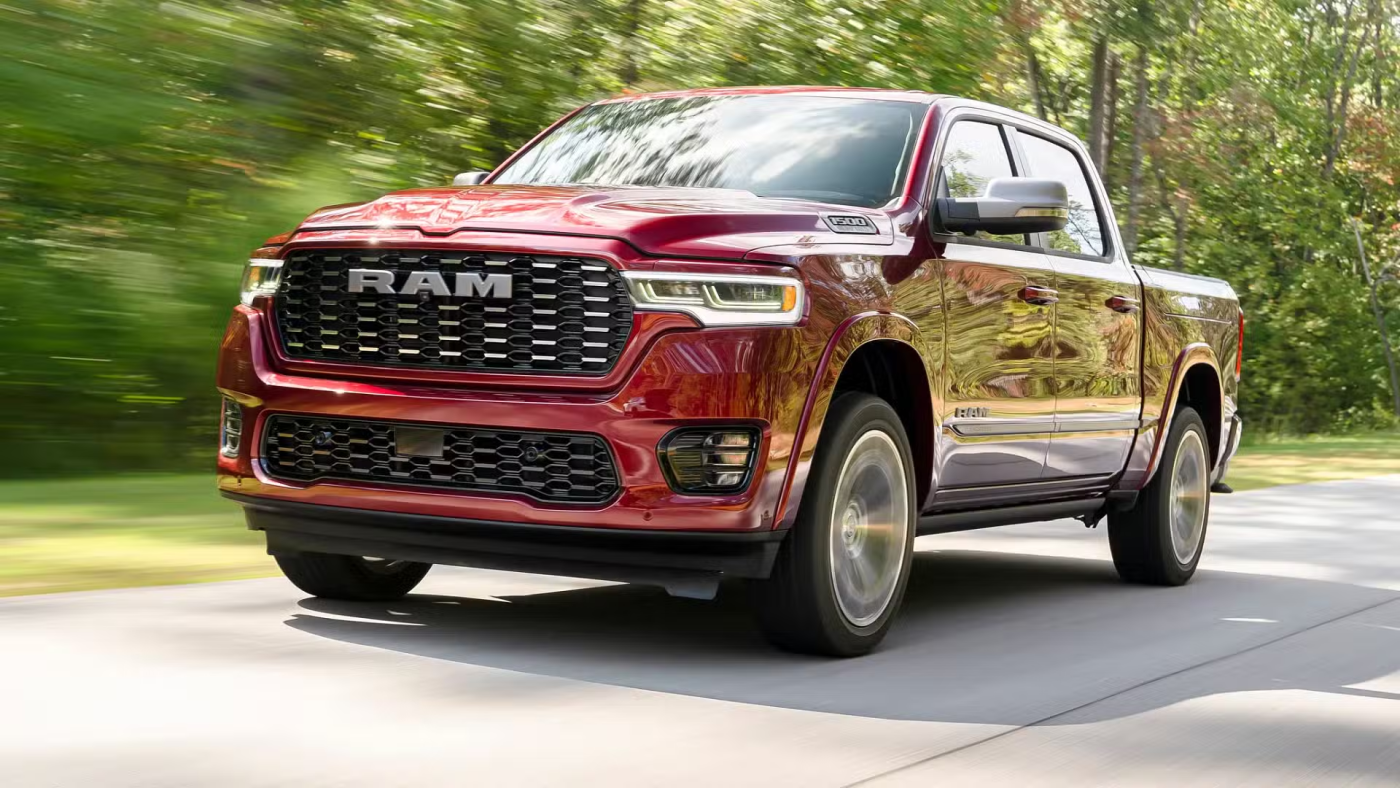
RAM sold just over 30,000 vehicles in Australia since 2016, which in the context of a million-car-a-year market is a rounding error. And yet its influence on Australian car culture is wildly disproportionate to those numbers.
RAM didn’t just sell trucks. It imported an entire American automotive culture into a country that was still grieving the death of the Commodore and the Falcon.
The full-size pickup remanufactured in Melbourne became the vehicle that filled the emotional void left by big, loud, unapologetically excessive Australian cars. You see them everywhere now, from Toorak to Tamworth, and they’ve proven something important about the Australian market that nobody fully appreciated before: people will spend $150,000 on a vehicle that makes absolutely zero pretence about fuel efficiency, practicality, or social responsibility.
It’s a pure identity purchase. The V8 is gone and NVES makes the economics harder every year, but RAM proved that the appetite for big, brash, American-style motoring in Australia was real and deep and worth building a business around.
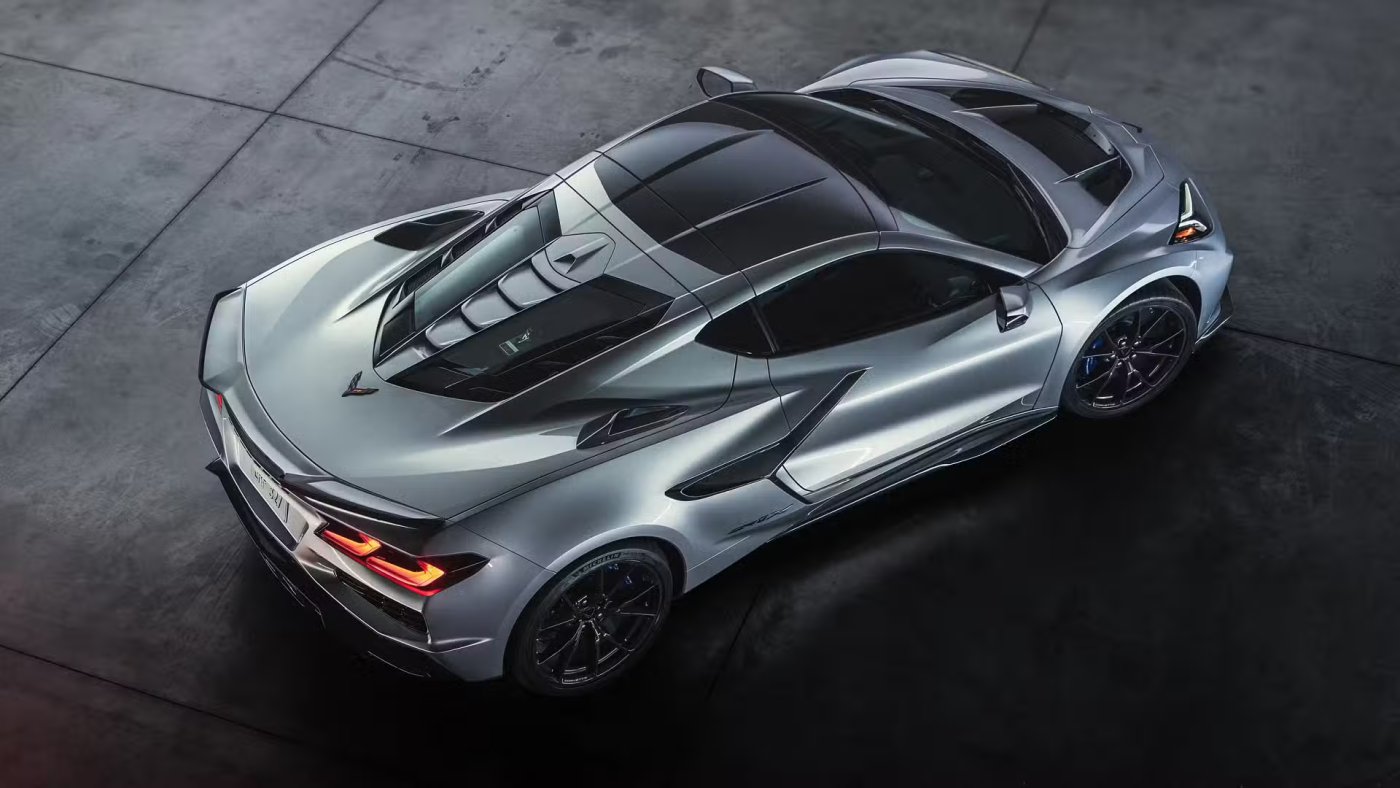
10. GMSV/Corvette
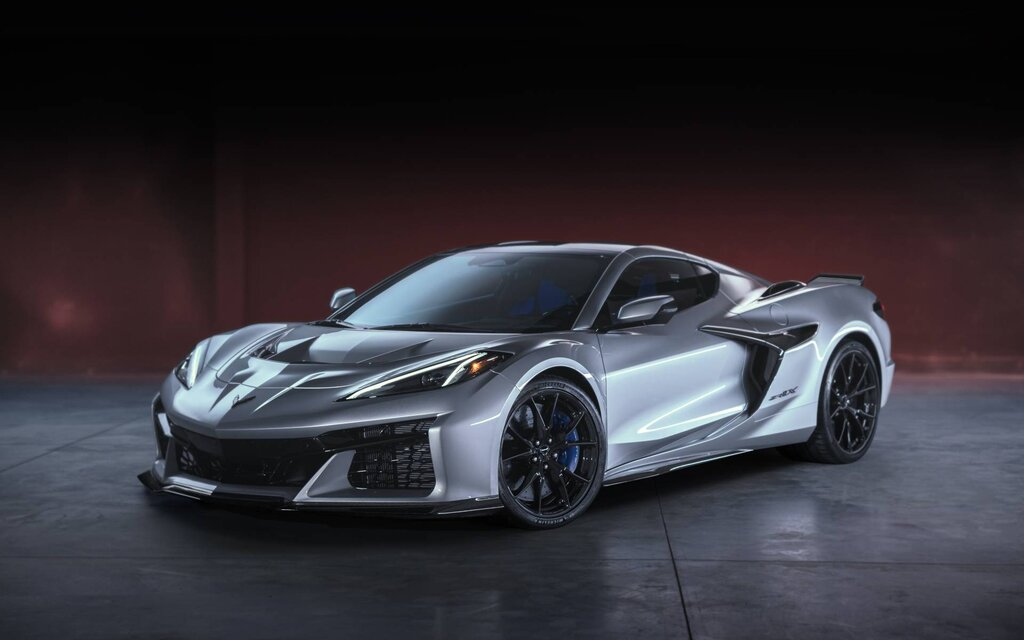
The C8 Corvette is doing something nobody in the supercar establishment expected: it’s making mid-engine performance accessible to people who were previously locked out of the segment entirely. You’re getting a mid-engine supercar at around $150,000 that embarrasses vehicles costing three times as much on a track day.
The Z06 with its flat-plane crank V8 is making noises that belong in a car with a prancing horse on the bonnet, not a crossed-flags badge.
And it’s not just a road car play. GMSV is running the Corvette Z06 GT3.R in Australian motorsport, including the Bathurst 12 Hour, and the limited-edition Bathurst 12 Hour Specialty Edition (just 12 units for Australia and New Zealand) is the kind of halo product that builds grassroots credibility in a way that no marketing spend can replicate.
The Corvette hasn’t forced Porsche to reprice the 911 or made Ferrari rethink its business model. But it’s proven that you don’t need a European badge or a European price tag to play in the supercar space. In a country that has always defaulted to Stuttgart and Maranello as the aspirational benchmark, that’s a genuine cultural shift.
RELATED: Corvette Delivers Incredible Value For Money For Supercar Lovers
And In Three Years, Half This List Will Be Wrong
Four of these brands are Chinese-owned. Two are cultural plays whose influence massively exceeds their sales figures. One is here because it defines what premium means for everyone else. And the biggest-selling brand in the country made the list because it was right about technology before anyone else was even asking the question.
This isn’t a list that will look the same in three years. NVES will kill some of these stories and accelerate others. The Chinese brands will consolidate or they’ll cannibalise each other. Tesla will either fix its brand problem or it won’t. And whoever cracks the electrified ute for the Australian market first will probably leapfrog half this list overnight.
But right now, in March 2026, these are the 10 brands setting the terms. Everyone else is just reacting.

