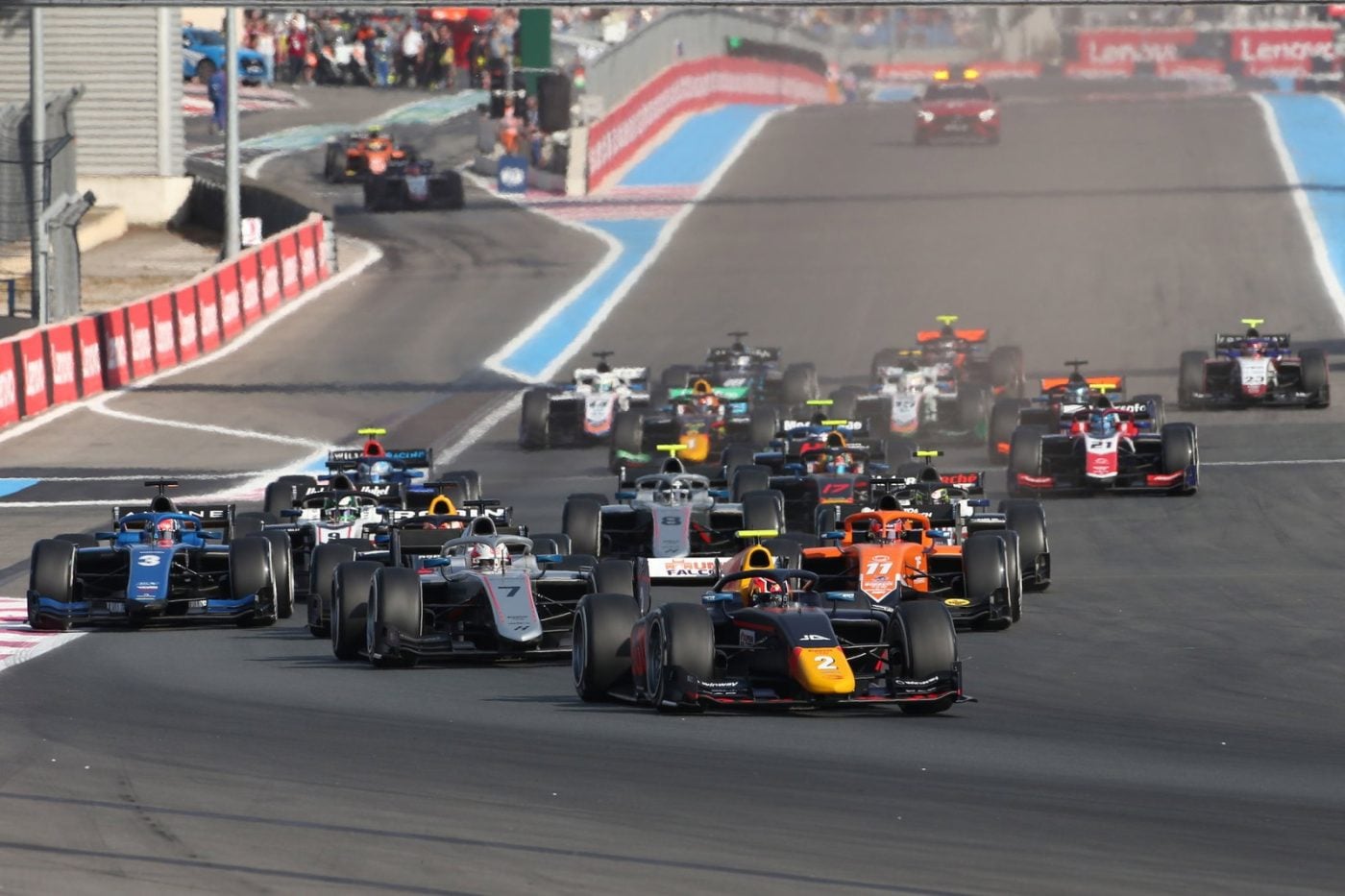
Formula 1 makes global travel look effortless. One week it is floodlights and superyachts, the next it is desert heat, street circuits and champagne on a podium, all held together by one of the most complicated logistics machines in motorsport. But after the Bahrain and Saudi Arabian Grands Prix were cancelled because of the Middle East conflict, F1 is learning that even the richest show in sport still has to wait for the world around it.
The sport had been preparing for a shortened 22-race calendar, but Liberty Media CEO Derek Chang has said it may be possible to reschedule one race towards the end of the year. That sounds simple until you look at the calendar, the heat, the freight, the teams and the fact that Qatar and Abu Dhabi are still due to close the season in the same region.
RELATED: Kimi Antonelli Has Gone From Wonderkid To Formula 1’s Most Thrilling Teenager
The Money Is Too Big To Ignore
The obvious reason F1 wants a solution is money. The estimate put the wider revenue hit from losing Bahrain and Saudi Arabia at roughly $190 million to $200 million (~$276 million AUD), with around $80 million (~$111 million AUD) in EBITDA also at risk.
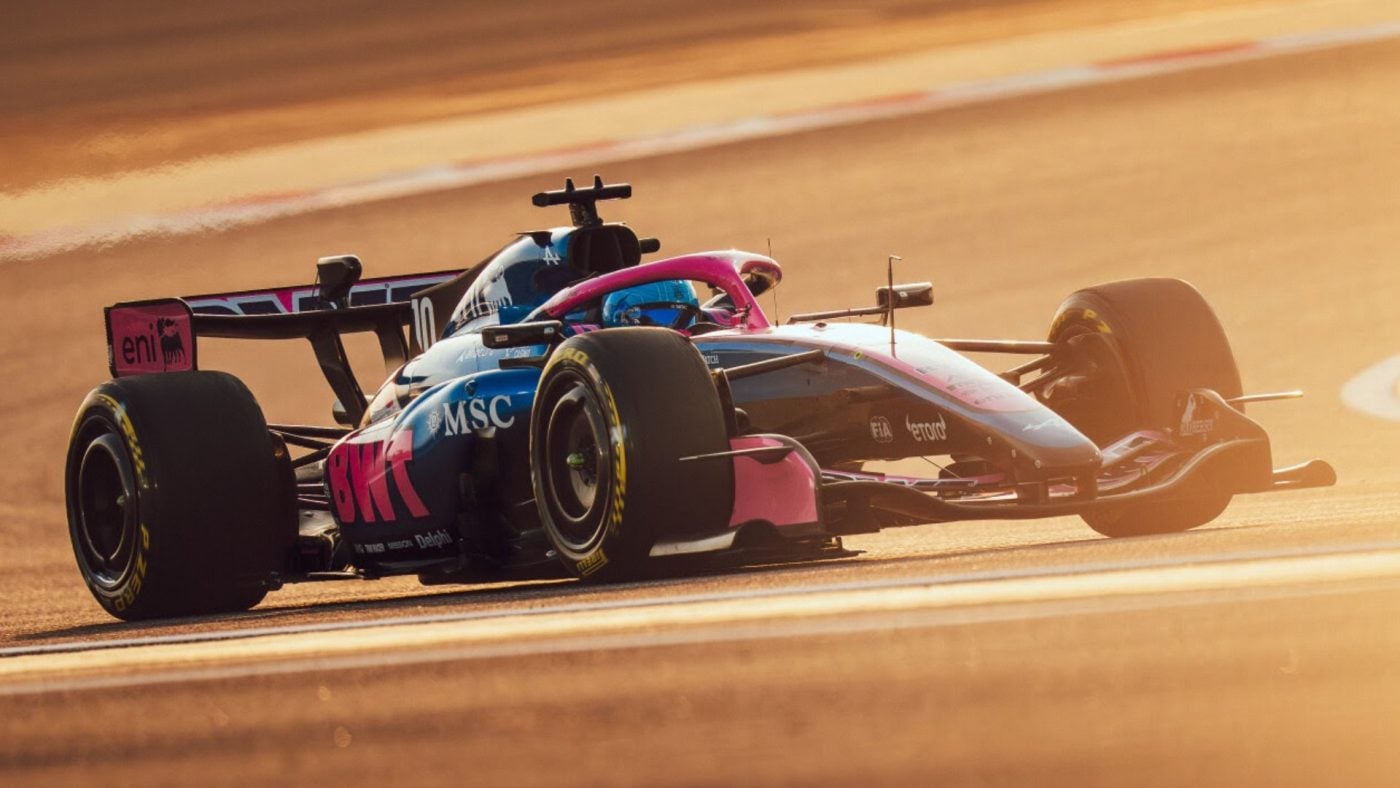
That does not mean F1 is panicking. Liberty’s recent results still showed strong revenue growth, and the sport remains in a healthy position. But two missing Middle East races are not small change, especially when race fees, sponsor commitments, hospitality, freight plans and team economics all sit inside the same machine.
The hard part is that getting a race back is not as simple as finding a free Sunday and sending everyone a calendar invite.
Curated news for men,
delivered to your inbox.
Join the DMARGE newsletter — Be the first to receive the latest news and exclusive stories on style, travel, luxury, cars, and watches. Straight to your inbox.
RELATED: Inside The Secret Billion-Dollar Battle Happening Off The Formula 1 Track
The Calendar Is The Real Problem
One option being discussed is the weekend of October 2 to 4, between Azerbaijan and Singapore. On paper, that makes sense. The freight would already be moving in the right direction, and Bahrain is seen by some as the cleaner option because of its permanent circuit and long F1 relationship.
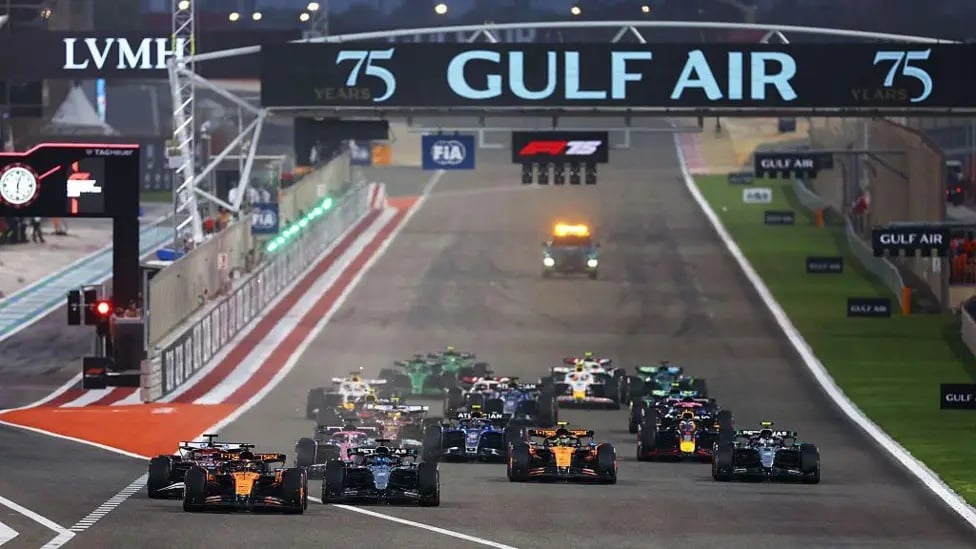
But that would create another brutal triple-header and leave teams facing nine races in 11 weeks. There is also the heat question, especially after the 2023 Qatar Grand Prix left drivers badly affected by extreme conditions.
The other idea is even tougher because it would add another race into the final run of Las Vegas, Qatar and Abu Dhabi. That could mean an unprecedented four races in a row, pushing exhausted crews to breaking point. Abu Dhabi also has a deal to close the season, so moving that date would create another headache.
F1 CEO Stefano Domenicali has said the sport has plans in place, but wants to avoid speculation while the situation remains fluid. Safety comes first, the money matters, and the calendar is already close to bursting.
F1 may still recover one race. But it will not be a clean fix.

