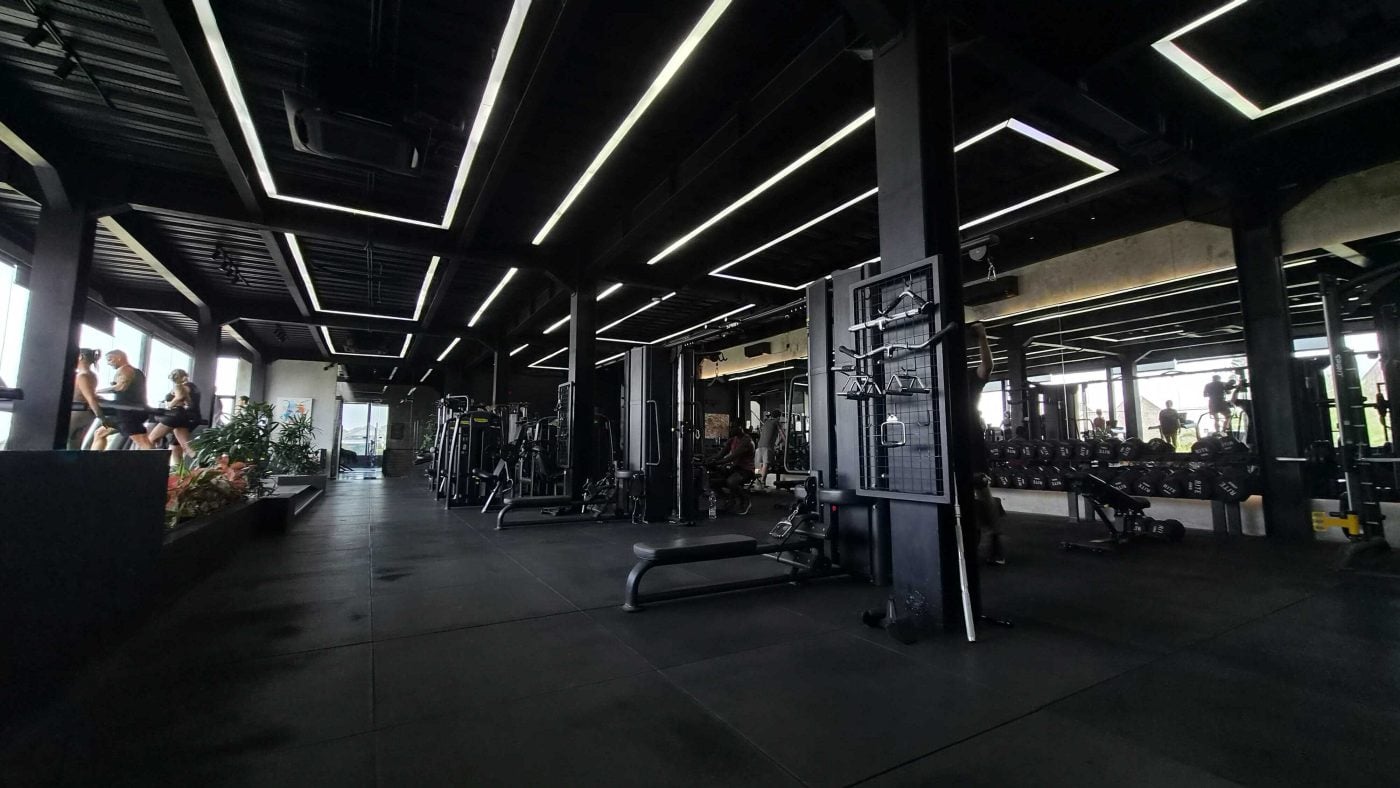
The first time I came to Canggu, there were two gyms. Not two good ones. Just two. Dua.
Canggu barely existed in the form people now book flights for. There was no supplement shop on every corner, no Openhouse, no recovery menu, and the idea of a fitness venue you might spend an entire day inside would have sounded like a joke.
There are now more than fifteen across Canggu, Pererenan and Seseh, and most opened in the last three years. The number is not the story. The story is what happened to the category itself while nobody in Australia was paying attention, because Canggu did not build more gyms. It worked out what a gym could become, tested it faster and cheaper than anywhere on earth, and arrived at an answer the rest of the world is playing catch-up on.
When I landed last week, I immediately bought a week pass at RITE Gym and used it twice.
Curated news for men,
delivered to your inbox.
Join the DMARGE newsletter — Be the first to receive the latest news and exclusive stories on style, travel, luxury, cars, and watches. Straight to your inbox.
RITE is a good facility with real local history, having traded for years as Wrong Gym before an ownership change handed it a new name. I used it twice because I then walked into Reload Sanctuary, and after that House of Kairos, and the benchmark had moved again within 48 hours.
That is not a criticism of RITE. It is the clearest measure of how fast this market iterates. In Sydney a gym refits once every seven to ten years. In Canggu the standard shifts between buying the pass and using it, because every operator is watching what the last one built and going one better.
House of Kairos is the purest expression of what Canggu invented
Walking into House of Kairos in Seseh does not feel like arriving at a gym. It feels like arriving at Soho House, and the resemblance is entirely deliberate.
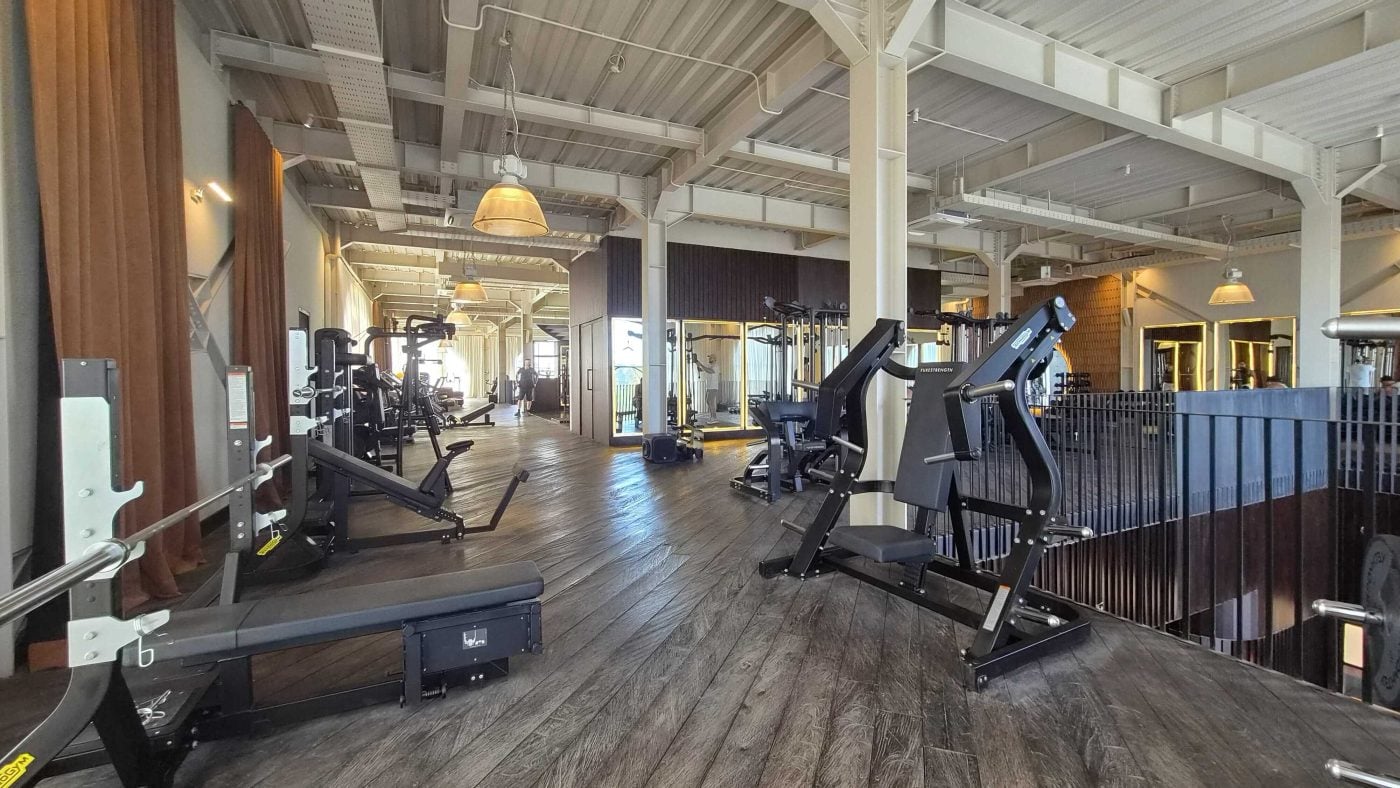
It calls itself a home for kindred spirits, a phrase I could live without, and it sits in a rice field twenty minutes from a beach that was selling two-dollar nasi goreng within living memory. The club claims Indonesia’s largest Technogym floor, a rooftop functional gym running Rogue equipment and HYROX programming, ice baths at 4 and 8 degrees, two indoor studios, a restaurant, a pool bar, and a full co-working floor.
The line on that co-working floor is the whole thesis in their own words. Empowering connection is described as the heart of everything they do, and the space is designed to foster meaningful encounters, organic and intentional.
We bought a pass here and can, on our heart, say this is what a wellness club should be in 2026.
The most expensive day pass in Canggu is House of Kairos at 750,000 rupiah, roughly $60, before a 5 percent service charge and 10 percent government tax. That is up from the 600,000 still printed in their own membership deck.
Here is the field, checked in August 2026, converted at around 12,600 rupiah to the Australian dollar.
| Club | Day pass (IDR) | AUD | Monthly (IDR) | AUD |
|---|---|---|---|---|
| House of Kairos, Seseh | 750,000++ | ~$60 | 3,500,000++ | ~$278 |
| Nirvana Life, Berawa | 660,000++ | ~$52 | from 2,050,000++ | ~$163 |
| Reload Sanctuary, Canggu | 600,000 incl tax | ~$48 | n/a | n/a |
| Body Factory, Canggu | 350,000 to 540,000 | ~$28 to $43 | 2,700,000 to 4,000,000 | ~$214 to $317 |
| Obsidian, Pererenan | 440,000 | ~$35 | 2,750,000 | ~$218 |
| BYND, Canggu | 320,000 | ~$25 | 3,000,000 | ~$238 |
| Bull Gym, Canggu | 250,000 | ~$20 | 1,100,000 | ~$87 |
Published rates are already behind. Reload’s own FAQ still lists 549,000 and Kairos still prints 600,000 in its deck. Both charged more than that at the counter this month. Note also that Reload quotes tax-inclusive while Kairos adds 15 per cent on top, so the real gap between them is wider than the sticker suggests.
Worth noting Canggu is not the whole island, and it is not the value play. Bambu in Bingin, Uluwatu, runs 13,000 square feet of open-plan bamboo with Olympic platforms, an air-conditioned bodybuilding room and a co-working cafe, and charges 225,000 to drop in, or 1,800,000 for a month. That is under $20 a day, roughly a third of what Seseh asks, and the dress code is looser. Shirts are broadly optional at Bambu, and nobody is checking.
On annual memberships, Obsidian charges 20,900,000 rupiah, about $1,660, against 32,000,000 at Kairos, roughly $2,540 or $2,920 once charges land. You pay about 75 per cent more for a smaller facility, which tells you exactly what is being sold, and it is not floor space.
The pricing is a door policy, and the benefits table proves it
Look at where House of Kairos puts its perks and the strategy is obvious. The permanent locker, the food and beverage discount, the five friend passes a year and the member events are all reserved for annual members alone.
Thirteen consecutive four-week passes would cost about 45 million rupiah. The year is 32 million. Residency is discounted by nearly 30 percent.
That is a club buying itself a permanent membership base and letting the day-pass crowd fund it. The price decides the room, and the room is what members are actually paying for.
It’s more of a Qantas Platinum Membership than a gym pass. It’s your First Lounge.
Going to the gym is generally lonely, and this is the thing Bali actually solved
Fitness has always been a solitary pursuit dressed up as a social one. You arrive alone, train alone and leave, and the average Australian gym is a room full of people working hard at not making eye contact.
These clubs are the opposite, and it is the most underrated thing about them. Once a venue has a kitchen, a pool, a recovery area and somewhere to open a laptop, training becomes the reason you came rather than the entire transaction. People stay, and staying is how strangers turn into people you know.
Though the room you meet in is a strange one. Everybody here is a healer, a yogi, a breathwork facilitator or a personal trainer, often several at once, which makes for a melting pot of nationalities and self-appointed careers you will not find anywhere else on earth.
Australia has its own answer to this, and it has nothing to do with price. I train at VRTUS in Bondi, where the workouts are built around teams and partners, so you get put with someone whether you planned to be or not. You cannot train there for a month and still know nobody, which is more than most gyms charging four times as much can say.
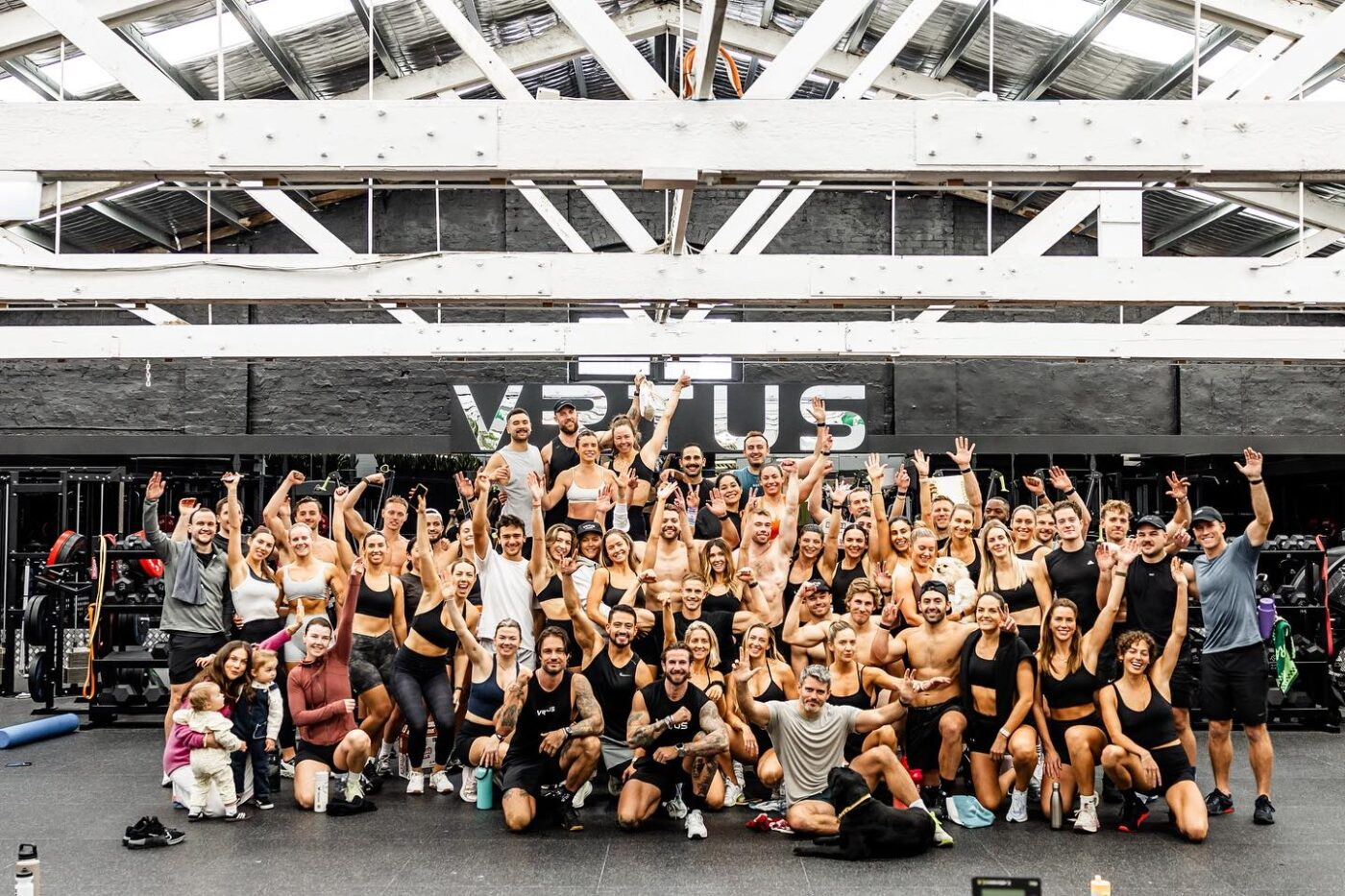
The difference is that Canggu gets there through architecture, and Bondi through programming. One keeps you in the building all day until conversation happens. The other assigns you a partner and removes the choice. Which, for anti-social people like me, works very well.
The members are not on holiday, they live here between emails
What Canggu has built is a third place, the term the sociologist Ray Oldenburg coined for the somewhere else that is neither home nor work. Pubs, cafes, barbershops.
Soho House did it for people in media, and these clubs have done it for people who care about their bodies. It is the same force driving Australia’s private members’ club boom, just with better weather.
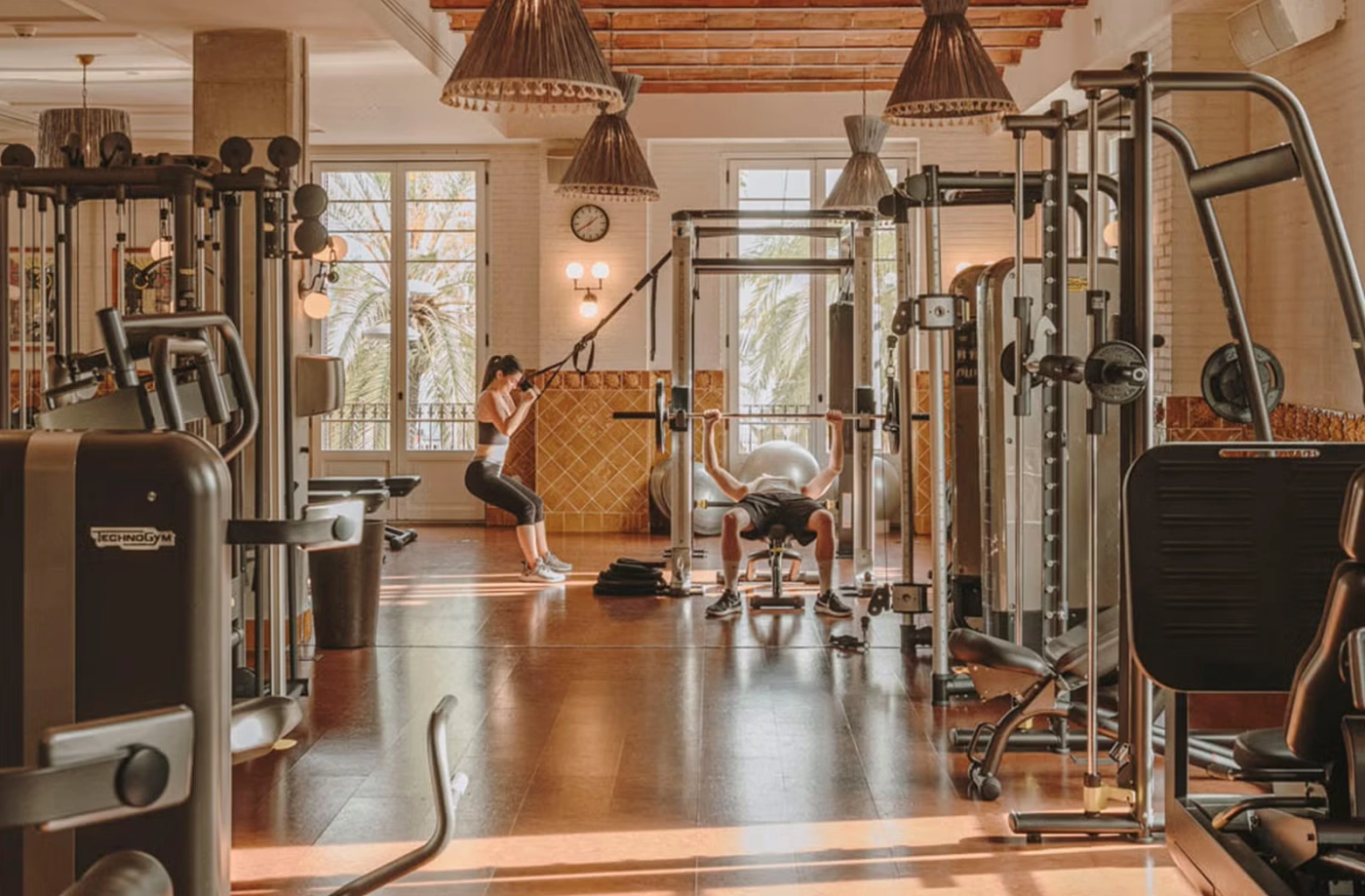
What I did not expect was how long people stay. They arrive in the morning, eat breakfast, train, work for several hours, then move to the pool. Eight hours is unremarkable, and the club has absorbed both the co-working space and the beach club.
The one difference from Oldenburg’s version is the door. His third places were cheap and open to anyone, which was the point. These cost sixty dollars a day, which says something about what people will pay to be somewhere they are not alone.
Saint Haven and the SCG show what the same idea costs in Australia
Tim Gurner has built the Australian version and built it seriously.
Three Melbourne clubs in Collingwood, South Yarra and Toorak, then North Sydney across six storeys and 3,000 square metres, with Bondi following later in 2026 and a Mosman club inside a $200 million residential development after that. An entire level at North Sydney goes to co-working, with private boardrooms and offices, which means Australia identified the exact behaviour that emerged naturally in Canggu and engineered a floor for it.
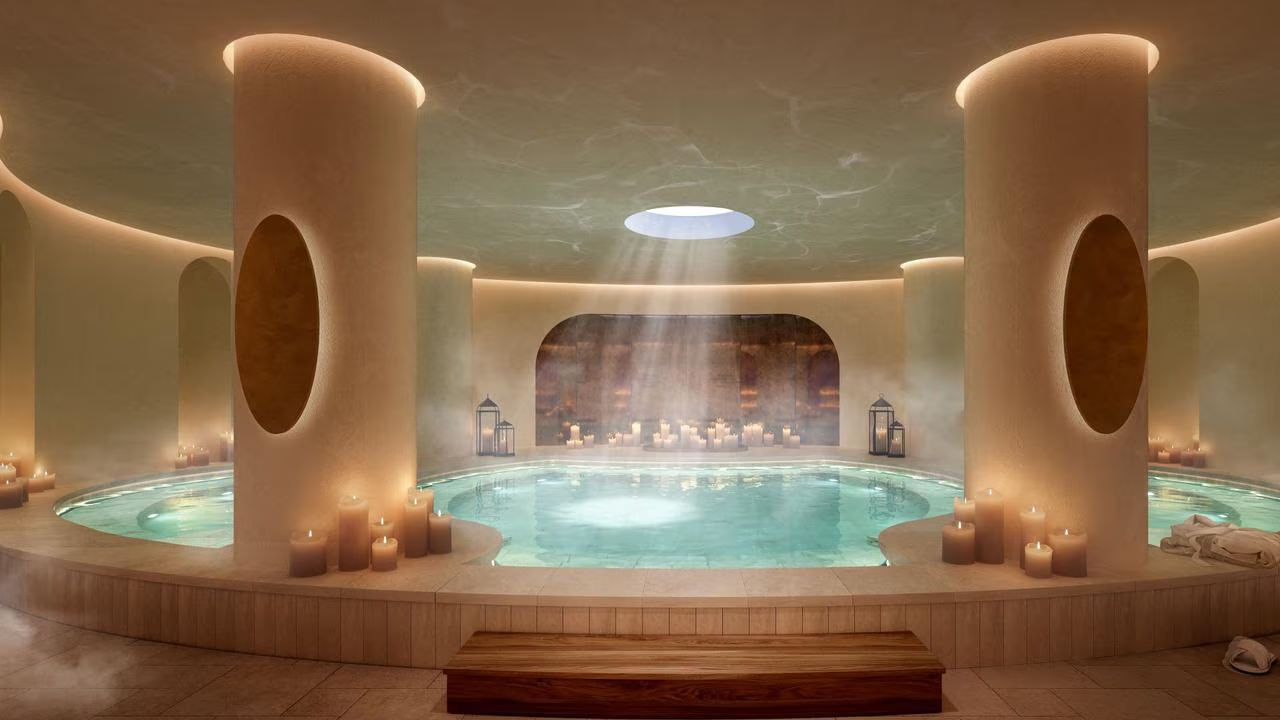
Membership starts at $179 a week across four tiers, and we have previously reported top-tier figures around $2,000 a week. The original 500 memberships sold out and applicants go through a process to establish they are serious about it.
A year at House of Kairos works out around $56 a week. Saint Haven’s entry tier is more than three times that.
The Sporting Club of Sydney at Moore Park makes the point again. Joining fees start at $5,000 for Lifestyle and reach $22,000 for Premier, which is currently full, before any ongoing fees. Members get two squash courts, weights and cardio floors, a virtual golf studio, an indoor 25 metre pool and an outdoor 50 metre heated pool with bookable cabanas, plus spa, cold plunge, saunas and steam room. The cheapest door into that club costs almost double a full year at Kairos before you have trained once. SCG membership proper runs a waitlist quoted at 14 years.
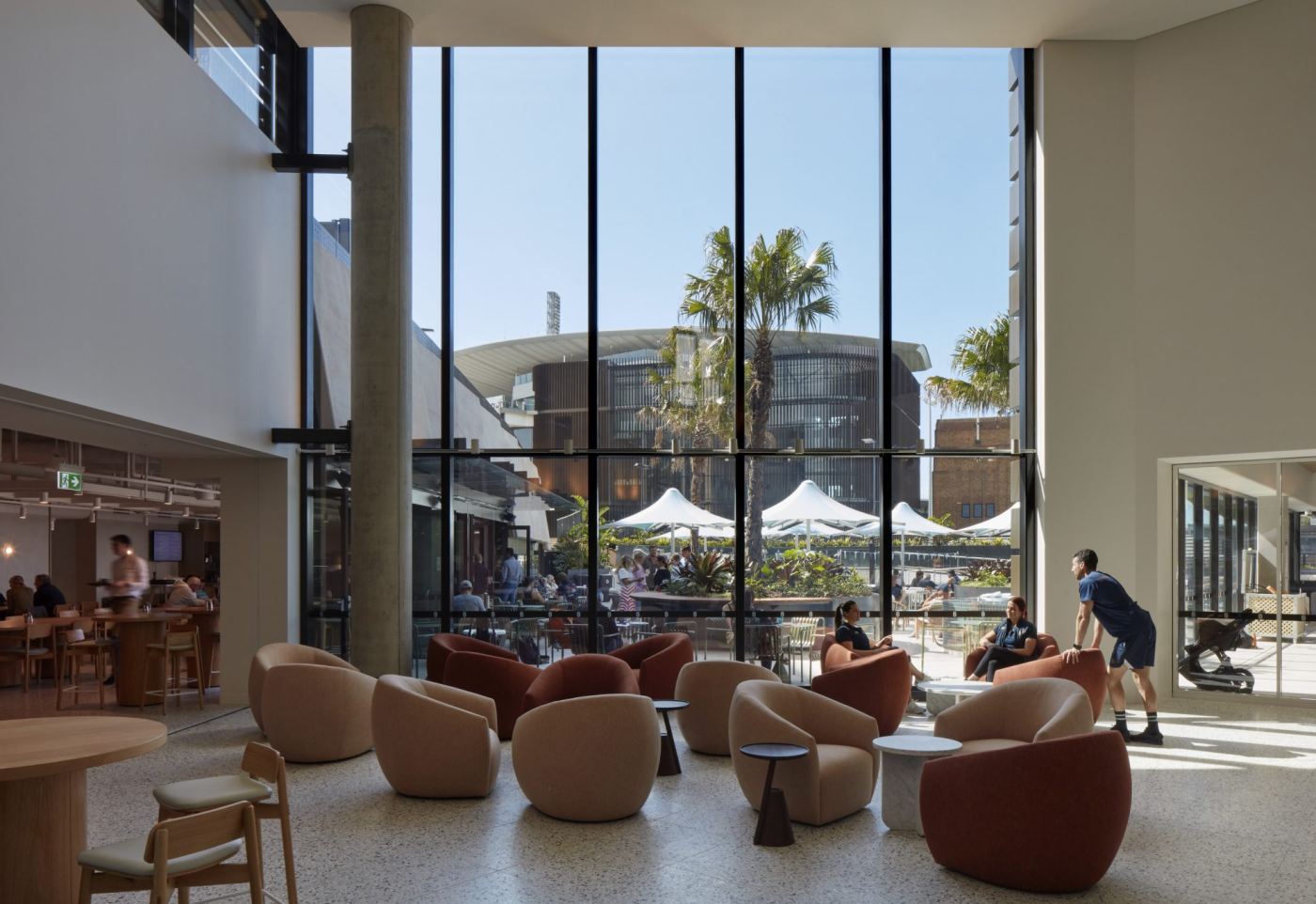
Australia sells scarcity and charges for it. Canggu sells the same idea, delivers it outdoors, and lets you in on Tuesday.
One more number for Australian readers. A year ago the Australian dollar bought 10,541 rupiah. It now buys over 12,600. Every price above is roughly 20 percent cheaper for an Australian than it was last August.
Seseh is still old Bali, and it is worth defending
Drive fifteen minutes north of Batu Bolong and the noise stops. Seseh is rice fields and a village, the Bali people mean when they talk about what the island was before Canggu became a queue of traffic.
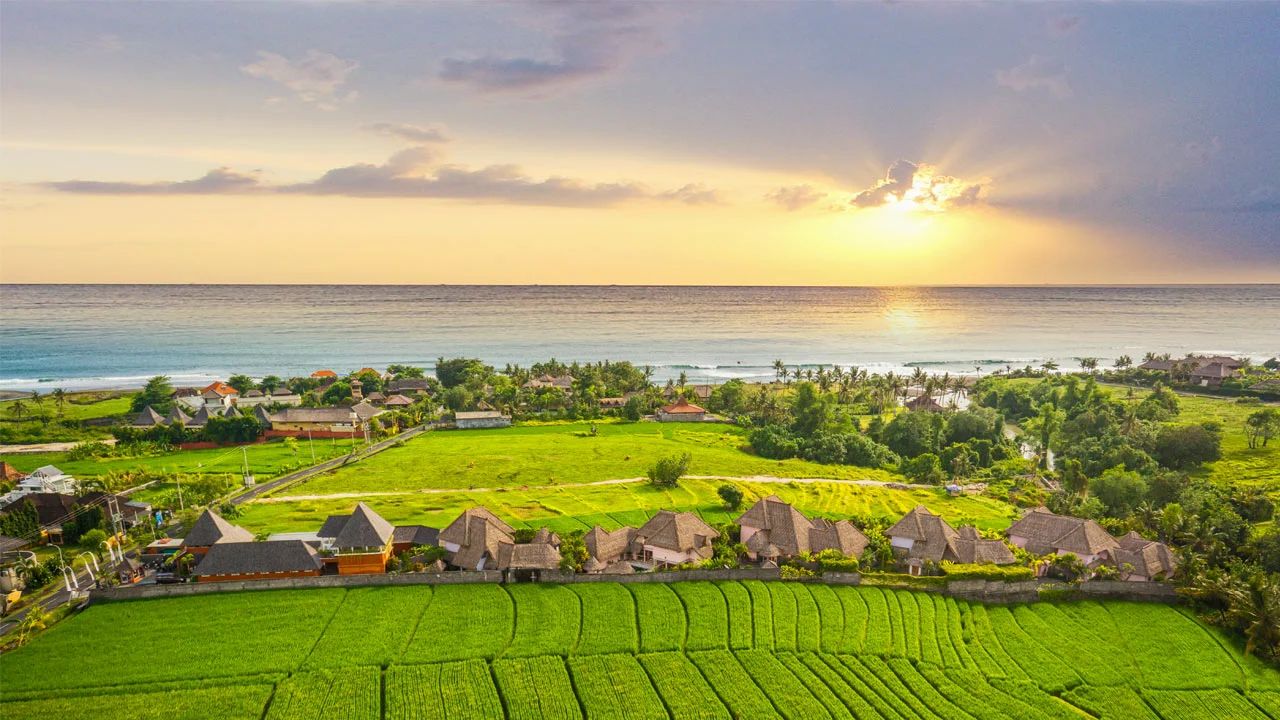
The uncomfortable part is that the best of these clubs are already there. House of Kairos did not choose Seseh in spite of the quiet, it chose Seseh because of it, and that is exactly how Canggu began.
Word locally is that the owners bought the surrounding land to protect the paddy view. Read one way that is preservation. Read another it is enclosure, and which word you use depends largely on whether you hold a membership.
There is a regulatory reality underneath all of it. Perda No. 4 of 2026, signed by Governor Wayan Koster in February, restricts conversion of productive farmland and criminalises nominee land ownership, with penalties referencing up to five years in prison and fines of a billion rupiah.
Minimum paid-up capital for a foreign company was also cut from 10 billion rupiah to 2.5 billion in late 2025, a 75 per cent reduction that let a wave of smaller foreign investors in.
Which is worth holding in mind while floating in a magnesium pool for sixty dollars. What these places ultimately sell is permanence, on an island that demonstrated last year how quickly it can be withdrawn.
The lazy read on Canggu is that it is full of insufferable people avoiding real life. Myself included, albeit only for 10 days. There’s no denying we’re in the midst of a fitness and wellness revolution, and people are willing to pay big dollars to be a part of it. It’s just a matter of whether the rest of the world, including Australia, can keep up with what Bali has to offer the health and wellness audience.

