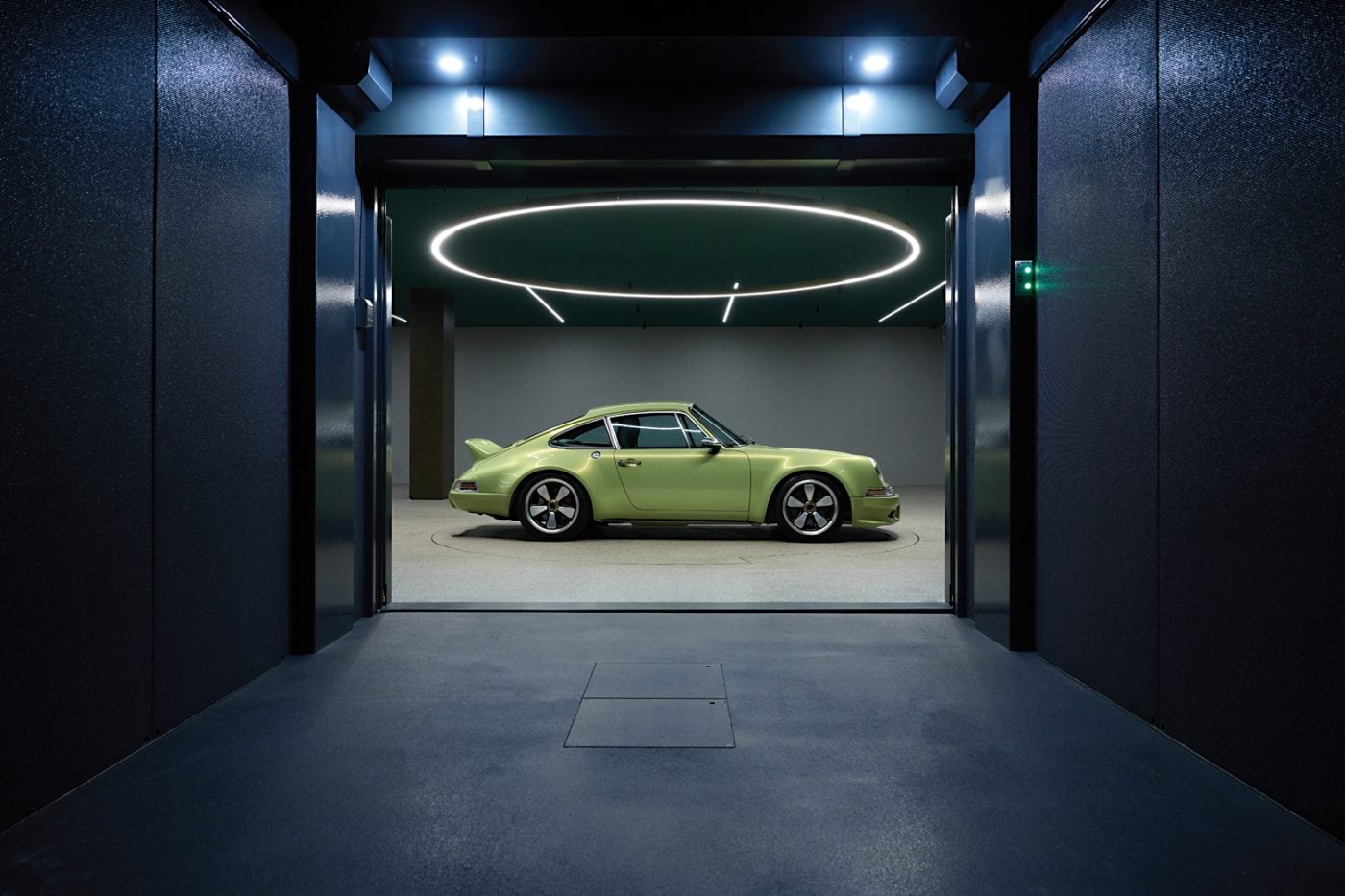
Former advertising guru John Zeigler is fighting a losing battle with the flies on his Cape Schanck lawn when he tells us the part of Zeigler/Bailey he’s proudest of. It has nothing to do with engineering.
“In the process they actually gesture and say, ‘I’m going to hand this down, it’s an heirloom,’” he says, between swats. “So the son or daughter all of a sudden assumes ownership. How are you going to sell the car you’ve already half handed down?”
We’d flown to Melbourne and driven down the Mornington Peninsula to his incredible estate to spend a day with the Z/B 4.4, the $1.6 million car he builds with engineer Greg Bailey. Both founders were waiting for us, along with the two family Labradors, who were considerably less interested in the car than we were.
Patek Philippe built one of the most famous ad campaigns in luxury on a simple idea. You never really own the watch, you just look after it for the next generation. Zeigler has put that idea on four wheels.
Curated news for men,
delivered to your inbox.
Join the DMARGE newsletter — Be the first to receive the latest news and exclusive stories on style, travel, luxury, cars, and watches. Straight to your inbox.
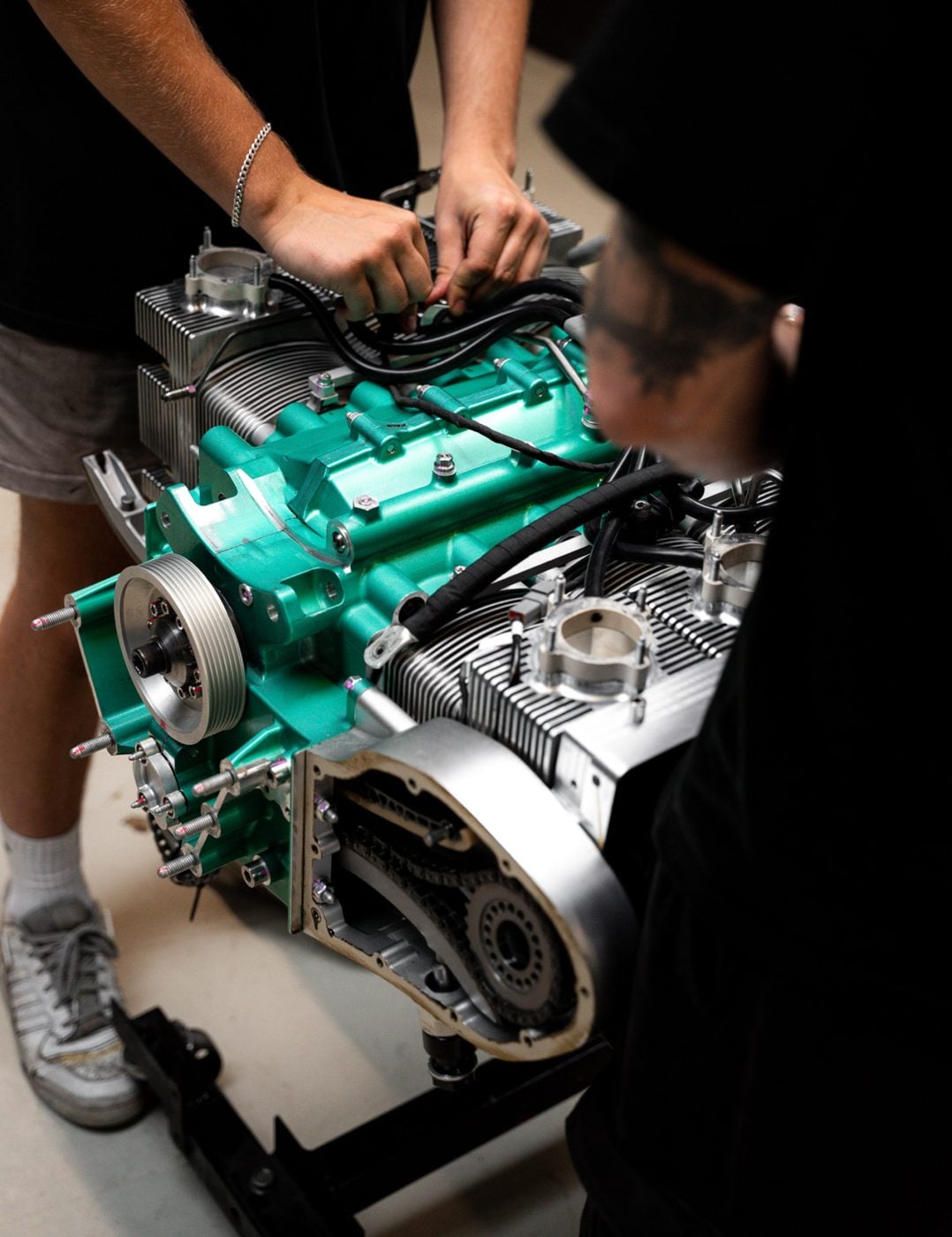
Owners are invited into the workshop to help build their own engine, and plenty of them bring their sons and daughters. By the time the car is finished, according to Zeigler, it doesn’t really belong to the parent anymore.
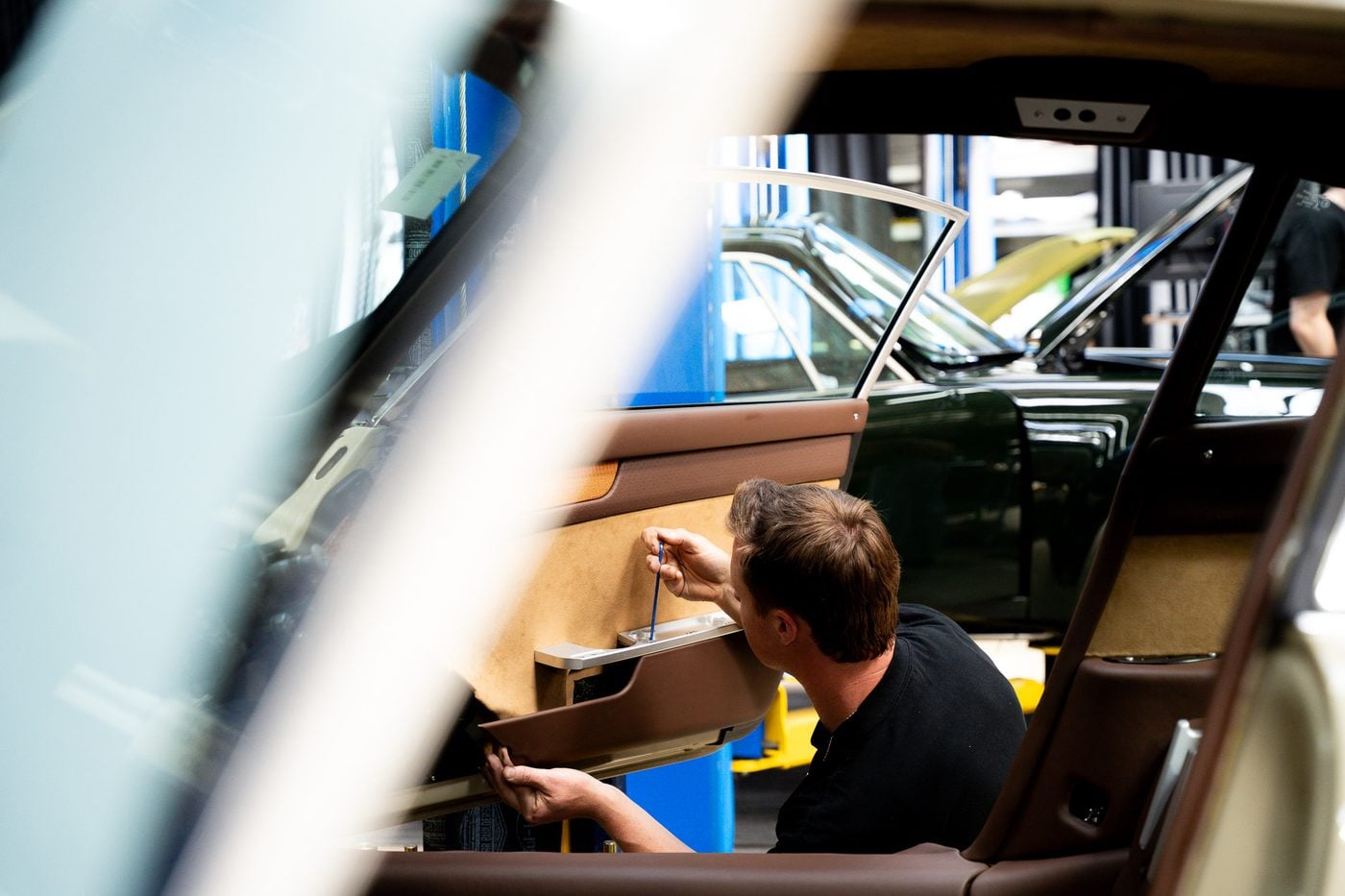
It’s a lovely idea, and it’s also very smart business. Zeigler didn’t want buyers who would keep a car for 12 months, flip it and end up competing with Zeigler/Bailey’s own pricing. A car your kids helped build isn’t going on a classifieds site.
The involvement doesn’t stop once the engine is built either. Every Thursday, owners dial into an engineering update where the team walks them through what changed that week. Most of them aren’t engineers, Zeigler says, but they’re desperate to be part of the conversation. He compares it to Louis Vuitton walking you through how the stitching is done.
“It’s not a car anymore. It becomes a discussion at the dinner table.”
One buyer, a woman who wants to build her car with her daughter, summed it up for him. She can already buy anything she wants, and she knows the only thing that really holds its value is experiences, because they outlast the object.
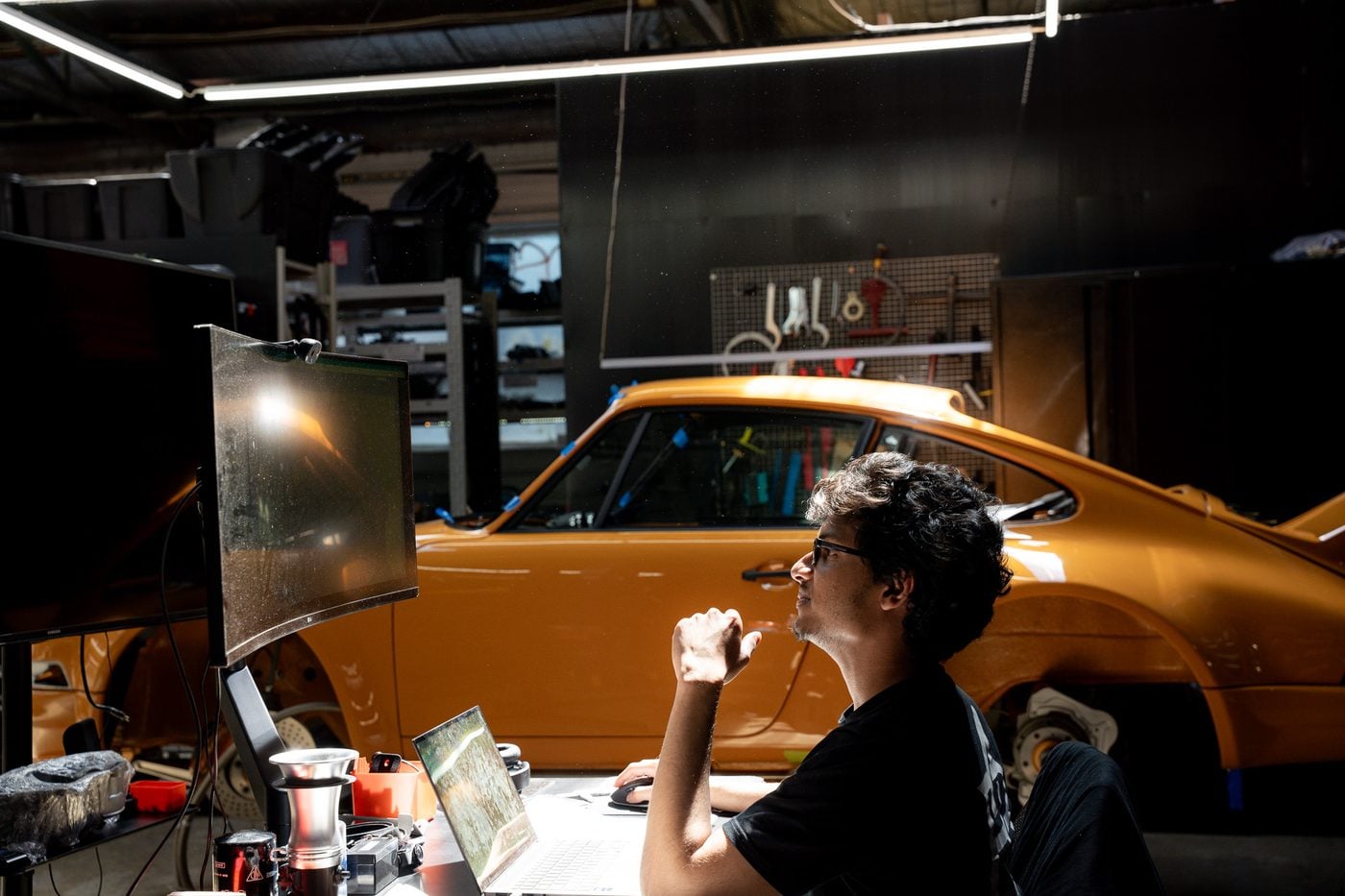
“If we can get that, we’re unique worldwide,” Zeigler says. “Nobody else does that.”
Before it was an heirloom, the Z/B 4.4 was a list. Bailey, an automotive and mechatronics engineer, has always had a Porsche, and with that came a running tally of what he loved about them and what he loathed. Zeigler, a classic Porsche collector, had the same list.
The partnership started during COVID, when Zeigler found himself sitting in a Melbourne workshop watching Bailey assemble his Ferrari Dino 246 GTS restoration. Five years later there are nine cars in production. One is the original test mule, which the team took to the track and tried to break, and the other eight are sold.
Bailey bristles a little at the word restomod. The pair built restomods in the past and weren’t impressed with the results. “If you haven’t gone deep enough into the rebuild, you’re just beautifying what was there to start with, and it still has the old imperfections,” he says.
By his count, Zeigler/Bailey re-engineers 80 per cent of the car. What you get is a G-series 911 on the outside and a brand new car underneath.
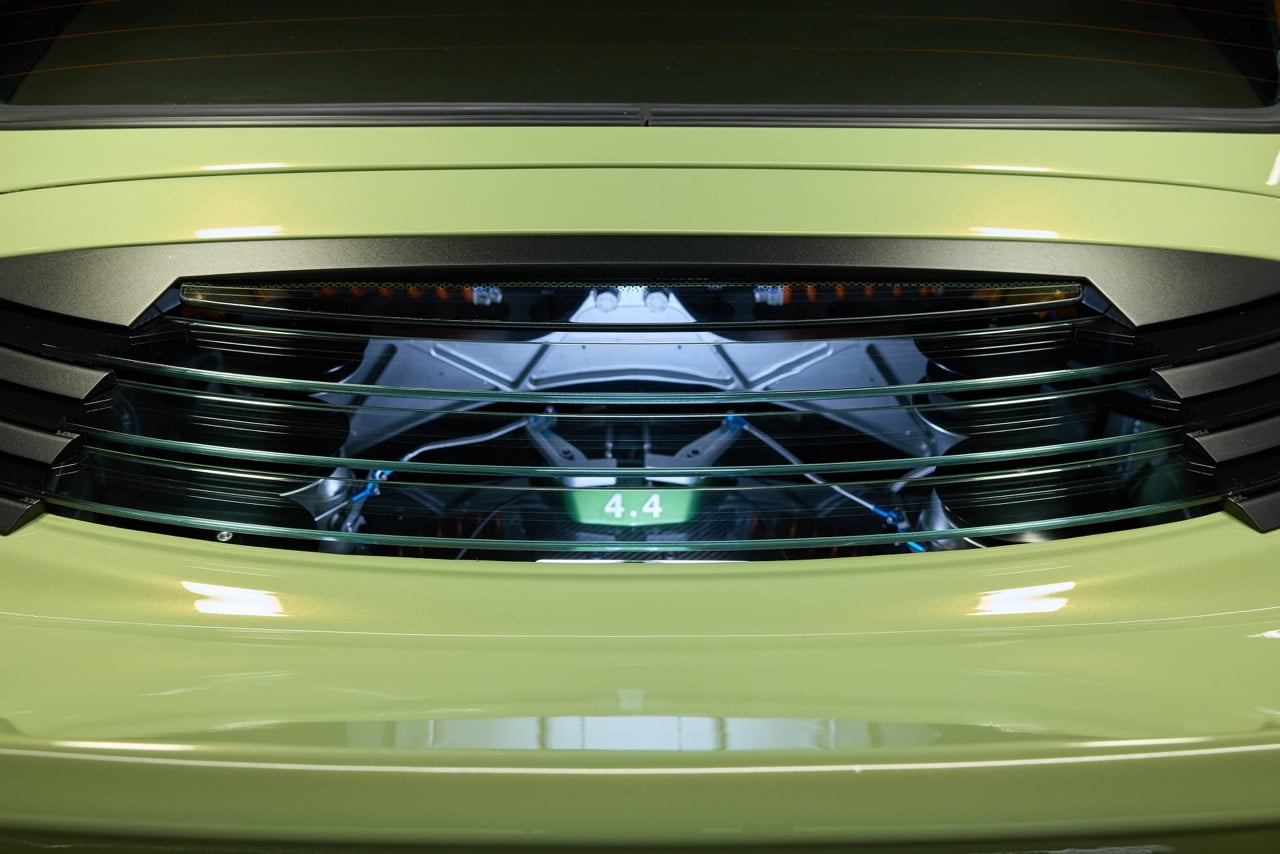
Bailey pops the engine lid on the driveway and apologises that we’re not in the workshop. “If we’d been in the shed, I would’ve been drawing you to the huge billet bulkhead and the gooseneck upper control arms,” he says, a little wistfully.
What’s sitting in there is the most impressive part of the whole project.
The original plan was to restore and modify the factory air-cooled engines. The trouble is that no two 50-year-old engines have lived the same life. “Some had been raced extensively and others were daily drivers with huge freeway miles,” Bailey explains.
To turn them into performance engines they’d have thrown away about 75 per cent of the parts and still been stuck at roughly 3.5 litres. The replacement pistons and conrods would have come out of catalogues from suppliers who wouldn’t really commit. So they did something almost nobody in this world does, and designed their own engine from a clean sheet.
The result is a 4.4-litre air-cooled flat six, which Zeigler/Bailey says produces 300kW and 500Nm. It runs twin spark plugs per cylinder and fuel injection, and splits cooling roughly 50/50 between air ducted through a carbon shroud and oil pumped to coolers up front.
Bailey’s proudest achievement is that it looks old. “The hardest thing to achieve is simplicity, to make an engine look like there’s no electronics and wiring on it,” he says.
The big capacity means it doesn’t need to be revved hard. Zeigler says it drives “like a V8”, with the torque arriving low enough to make real progress on a public road without screaming it.
Here’s the really clever part. That engine fits anything from a 1969 to an early ’90s 911, with some oil line and oil tank changes. A regular Porsche owner could pull their original engine, put it on a shelf, drive on the Zeigler/Bailey unit, then swap the original back in when it’s time to sell.
Zeigler is open to supplying other Porsche builders too. They’ve already looked at RWB, the Japanese wide-body specialist, although nothing has been decided. He reckons the engine would even suit light aircraft. Porsche once put a Carrera engine in a Cessna, and Zeigler says it revved too much for the job.
Cars are expensive and complicated to build, and Zeigler is upfront that engines will drive the business’s growth. An Australian company selling bespoke air-cooled flat sixes to the global Porsche scene is a genuinely exciting idea.
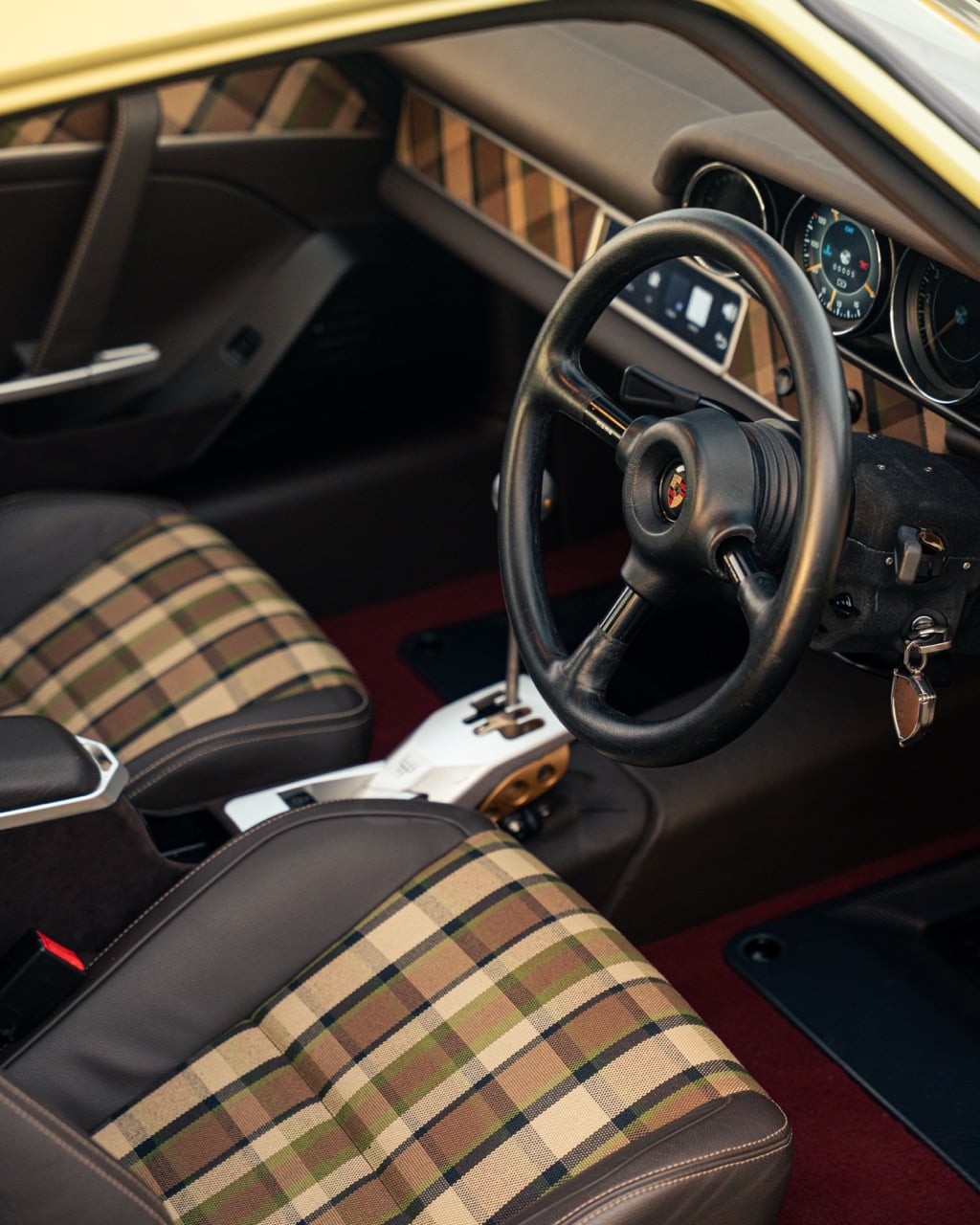
Don’t get in expecting a modern Porsche. Even with 991 seats holding you in place, the Z/B 4.4 drives like an older car, but that’s the whole point.
The manual gearbox comes from a 964-generation 911, and you feel it every time you reach for a gear.
What you’re really buying is the look and feel of a proper classic, minus the bits that used to let classics down. The engine and components underneath have all been brought up to date, but the experience is still unmistakably old school.
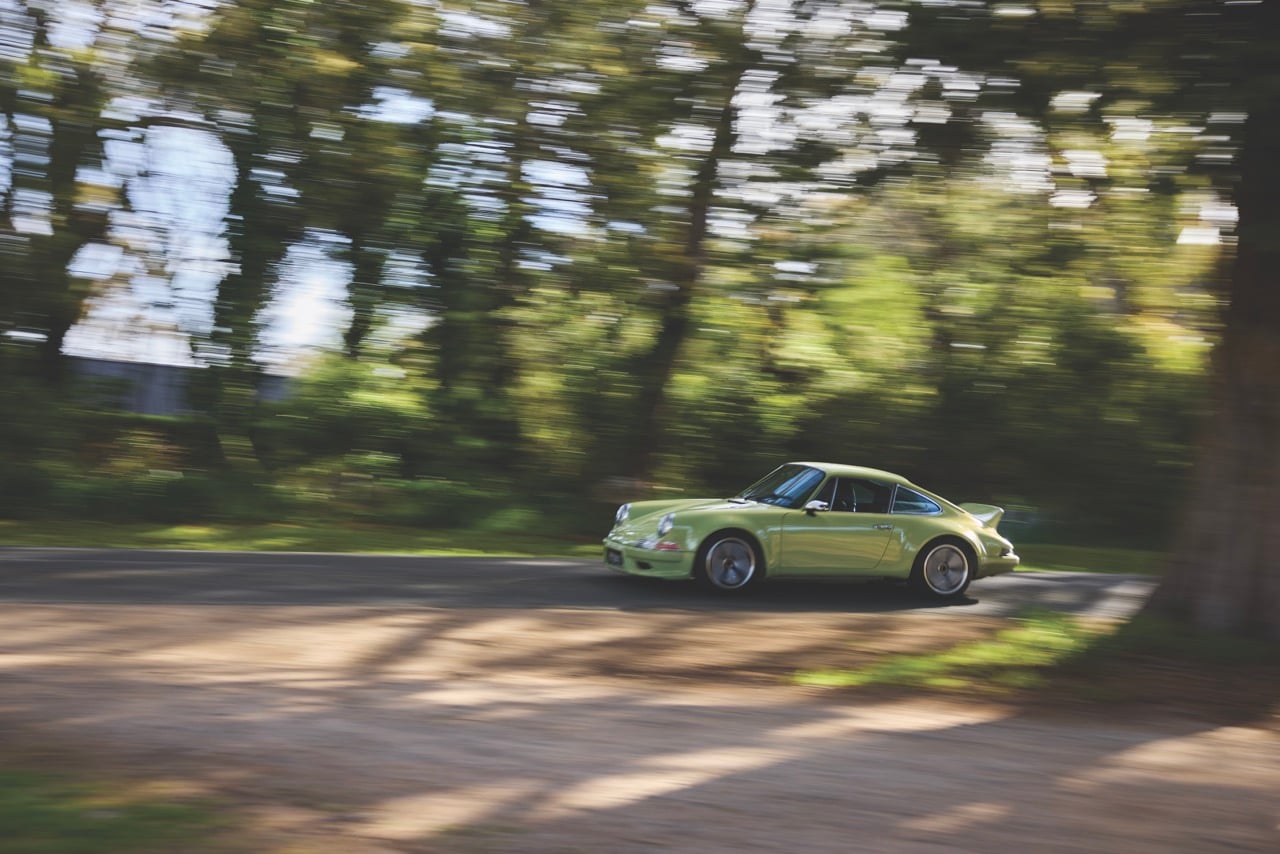
It’s worth remembering I was driving car number two. There’s a long way to go for this brand, but Zeigler says he hasn’t walked into the factory for a week in five years without something changing. Every car they put out is going to be sharper than the last.
Donor cars have to be G-series 911s from the galvanised era, roughly 1975 to the late ’80s. “There’s nothing worse than buying a donor and having to spend hundreds of thousands of dollars just correcting it,” Bailey says.
Not much of the donor makes it through. The roof and doors stay steel, because the doors need steel impact bars for Australian Design Rules. Everything below the beltline becomes carbon fibre, and the floor pans are cut out and replaced with in-house pressings. That’s what fixed the driving position.
The exhaust is 3D printed, with small catalytic converters and three mufflers to keep it under 90 decibels at 1.5 metres. Inside you get 14-way electric seats from the 991-generation 911, a digital cluster with CarPlay that Bailey didn’t want looking like “some sort of Star Trek car”, and an external oil filler as a nod to the 1972 911.
Zeigler, the businessman of the pair, says most boutique builders show you a car and then take orders. “Somebody’s building cars, they’ve got an order for four. They’re probably going to be dead by the time they finish the fourth.”
Zeigler/Bailey wrote its own software so it can build five cars at once. The system won’t release a job to a technician until every part for it is on the shelf, so nobody leaves a half-built gearbox on a bench for six weeks. The promise is 12 months from paint selection to delivery.
The team is a mix of mechanical, mechatronic and electronics engineers, plus a few people from software backgrounds. Bailey found one of his programmers working in a warehouse because it was the only job going. “There’s just not enough entrepreneurs in this country,” he says.
The founders have put real miles on it. After the launch they drove a car from Sydney to Melbourne the long way, through Bathurst, Canberra and the Snowies, then down the coast.
A local talked them out of the back of Kosciuszko, warning of black ice and suggesting they’d be fine if they had a four-wheel drive with chains. “I got out of the car and thought I could keep driving to Perth,” Zeigler says.
He says Australia imports around 120,000 luxury cars a year, and he wants to give Australians something world-class that was built here. Just don’t expect volume. He’d rather Zeigler/Bailey sat alongside Birkins and the hardest-to-get watches, where people fight for an allocation.
It’s the same thinking that made Patek what it is. Make it rare, make it expensive, make it hard to get, and make sure the people who get one never let it go.
