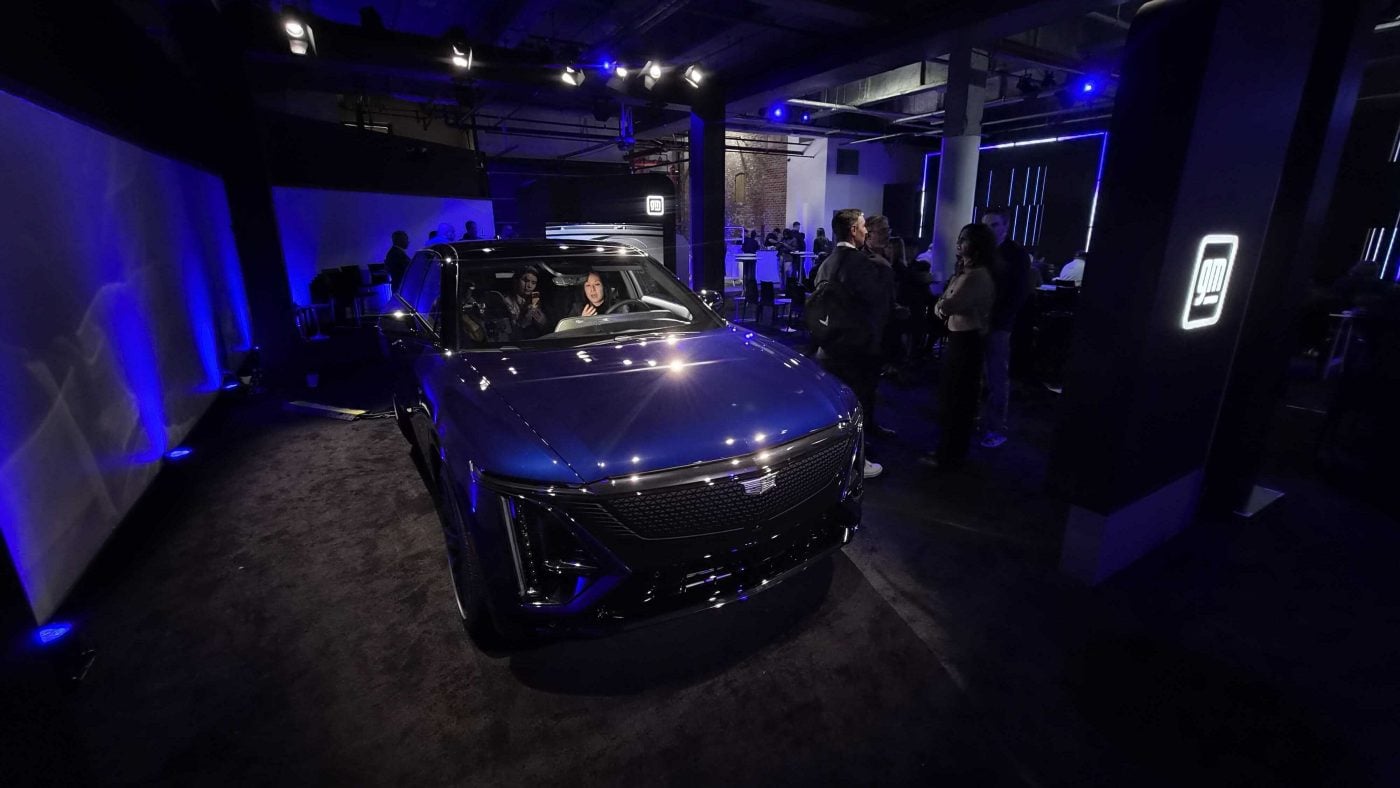
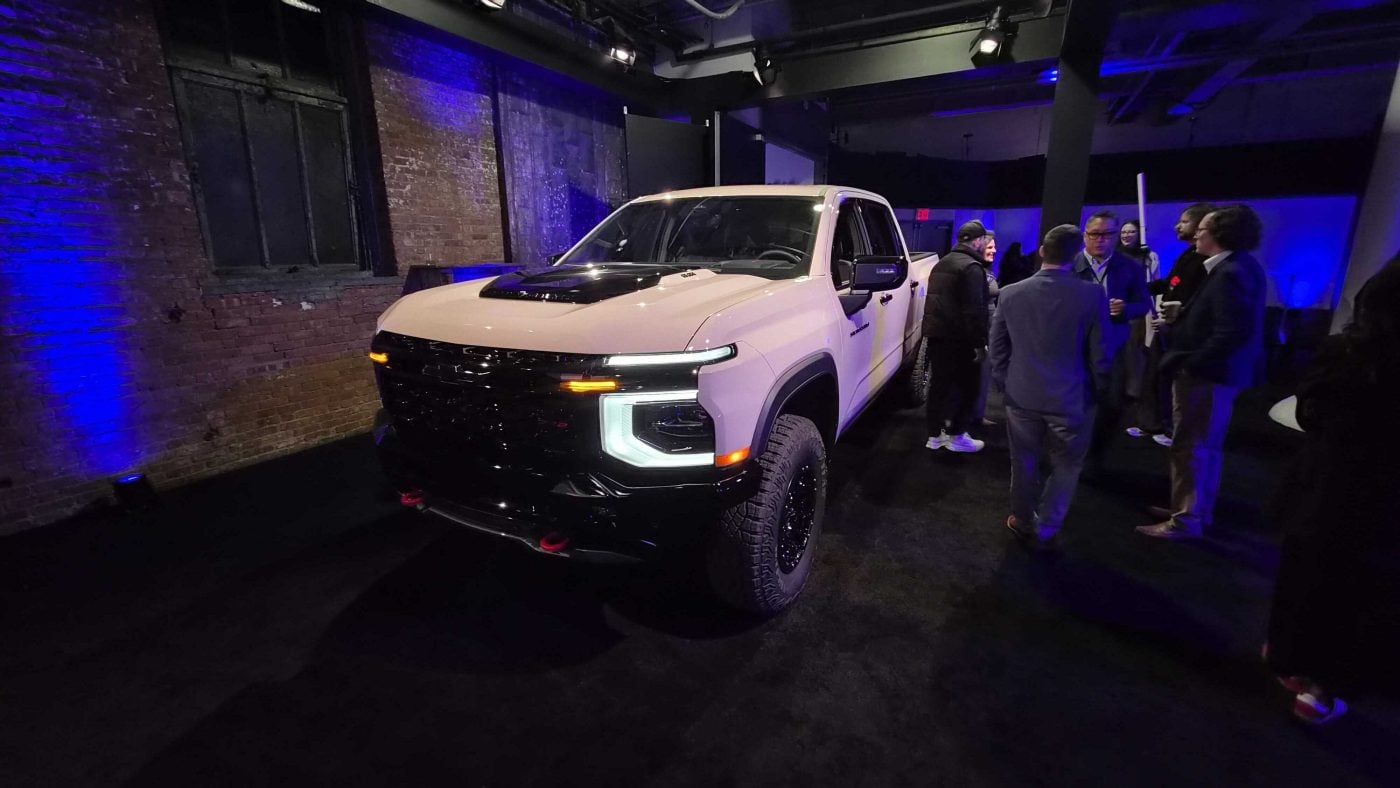
DMARGE spent the past two days in the US driving nearly everything General Motors makes, from GMC and Chevrolet trucks to Hummer EVs and Cadillac’s latest V8 weapons. Today we sat down at GM Forward in New York to see where it is headed, and much of the answer comes down to millions of miles of road testing.
GM still means something to Australians. Holden was retired in 2020, but GM never really left. GMSV and Cadillac now carry the flag, with the Silverado, Corvette and Cadillac’s EV range as the brand’s focus here. Seeing GM’s global plans up close is a good reminder of what the Holden legacy could turn into.
GM Forward is GM’s annual technology showcase, and this was only the second one. GM used the morning to explain how its next decade of vehicles will be designed, built and driven, from the AI in the dashboard to the robots on the factory floor.
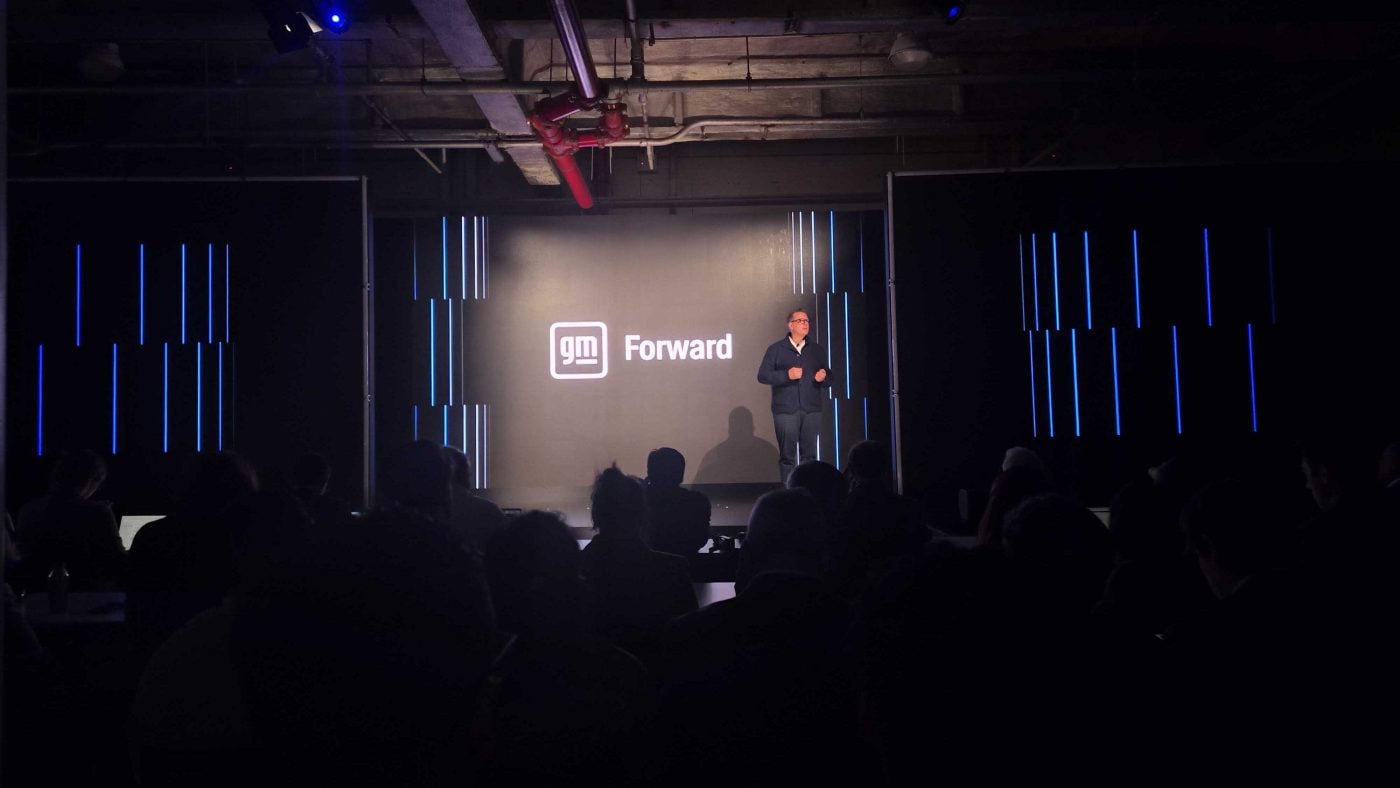
GM Chair and CEO Mary Barra opened with a progress report. GM has put US$900 million into American battery engineering facilities in Michigan over the past five years. It has rolled Google Gemini out to millions of cars, and it’s now building its own in-car AI on top of that.
Autonomy was the headline.
Curated news for men,
delivered to your inbox.
Join the DMARGE newsletter — Be the first to receive the latest news and exclusive stories on style, travel, luxury, cars, and watches. Straight to your inbox.
Super Cruise, GM’s hands-free driving system, becomes true eyes-off autonomous driving in 2028, launching first on the Cadillac Escalade IQ. In other words, you’ll be allowed to take your eyes off the road. GM first set that 2028 date at last year’s GM Forward, and it’s sticking to it.
Super Cruise has been around for almost a decade, so GM isn’t starting from scratch. It’s now offered on more than 20 models, with close to 750,000 equipped vehicles on North American roads. It passed one billion hands-free miles this year and now adds more than a million every day. We tested it this week, and it’s a strong base for the brands.
Then there’s the road testing, and GM is putting serious time into it. A fleet of a couple of hundred test vehicles, each carrying the full production set of cameras, radar and lidar, is driving on public roads across the US. Together they cover around a million miles a month and have logged more than five million miles in the past eight months.
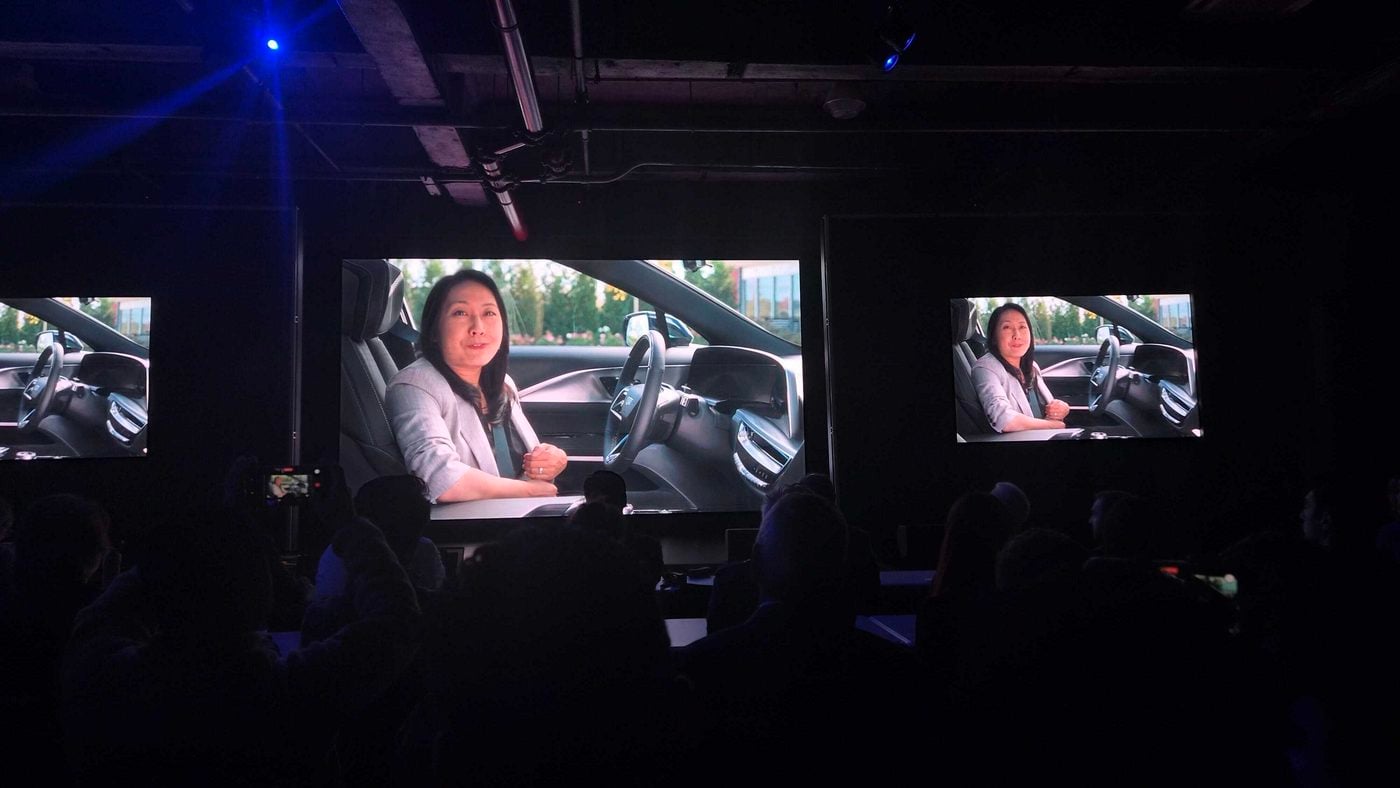
“Our drive gave us time back to focus on what’s important, and we arrived at our destination feeling more relaxed,” Barra said, after riding in one of the test cars with Sterling Anderson a few weeks earlier.
Giving people their time back was the idea everything at GM Forward came back to. GM’s design team talked about the car becoming a place to plan, rest or catch up with family once it no longer needs your full attention. GM has built cars around the driver for more than a century, so that’s a big change in thinking, and it makes sense.
Anderson is a big get for GM. He joined in June 2025 as Executive Vice President of Global Product and Chief Product Officer, having co-founded self-driving truck company Aurora Innovation and, before that, led Tesla’s Autopilot program.
His main argument was that being big, which usually makes a car company slow, is now GM’s biggest advantage. Decades of crash tests, design decisions, factory data and real-world driving are exactly what you need to train AI, and a start-up can’t buy that kind of history.
“If you were to start a robotics company today, your first move would be to go to investors and say, ‘I need a billion dollars because I need to go and either buy or develop my own data,’” Anderson said. “Guess what GM doesn’t have to do? GM already has this data in droves.”
The real-world miles are only half of it.
In simulation, GM’s autonomous system covers the equivalent of about three billion miles every day, practising against virtual road users and teaching itself through self-play. Anderson worked out that you’d need roughly 2.5 million real cars driving around the clock to match a single day of it.
All that research is why GM thinks it can skip the half-measures. “I get annoyed every time I hear someone say L3,” Anderson said of the in-between level, where the car drives but you have to be ready to take over at any moment. “There is this middle ground that is a kind of awkward, uncanny valley. We will not pass through that valley. We’re going to jump straight to the other side.” He says with complete confidence.
Underpinning it all is a new centralised computer, one brain running the whole car. It starts on the Escalade IQ and will roll out across GM’s range, with eyes-off driving eventually spreading to pickups and crossovers, starting on highways.
GM President Mark Reuss then gave the first details of GM’s fourth-generation EV platform, aimed at affordable, mass-market cars and running exclusively on LMR (lithium manganese-rich) batteries. One journalist said GM’s current EVs are “a little on the heavy side.” Having just spent two days hustling a Hummer EV around, we didn’t exactly notice it, but GM says it’s cutting weight everywhere, right down to the seats.
The new software, computing and AI won’t be limited to EVs either. They’ll go into petrol cars, trucks and SUVs as well, which matters in an Australian market that still loves a big V8 Silverado.
Tesla and China didn’t come up once on stage, but they were the elephant in the room all morning.
Tesla has spent years selling the dream of a self-driving car, and Chinese brands are putting out software-heavy EVs at a pace the old guard has struggled to match. Australians have seen that first-hand, with the likes of BYD and XPeng now a big part of our new-car market.
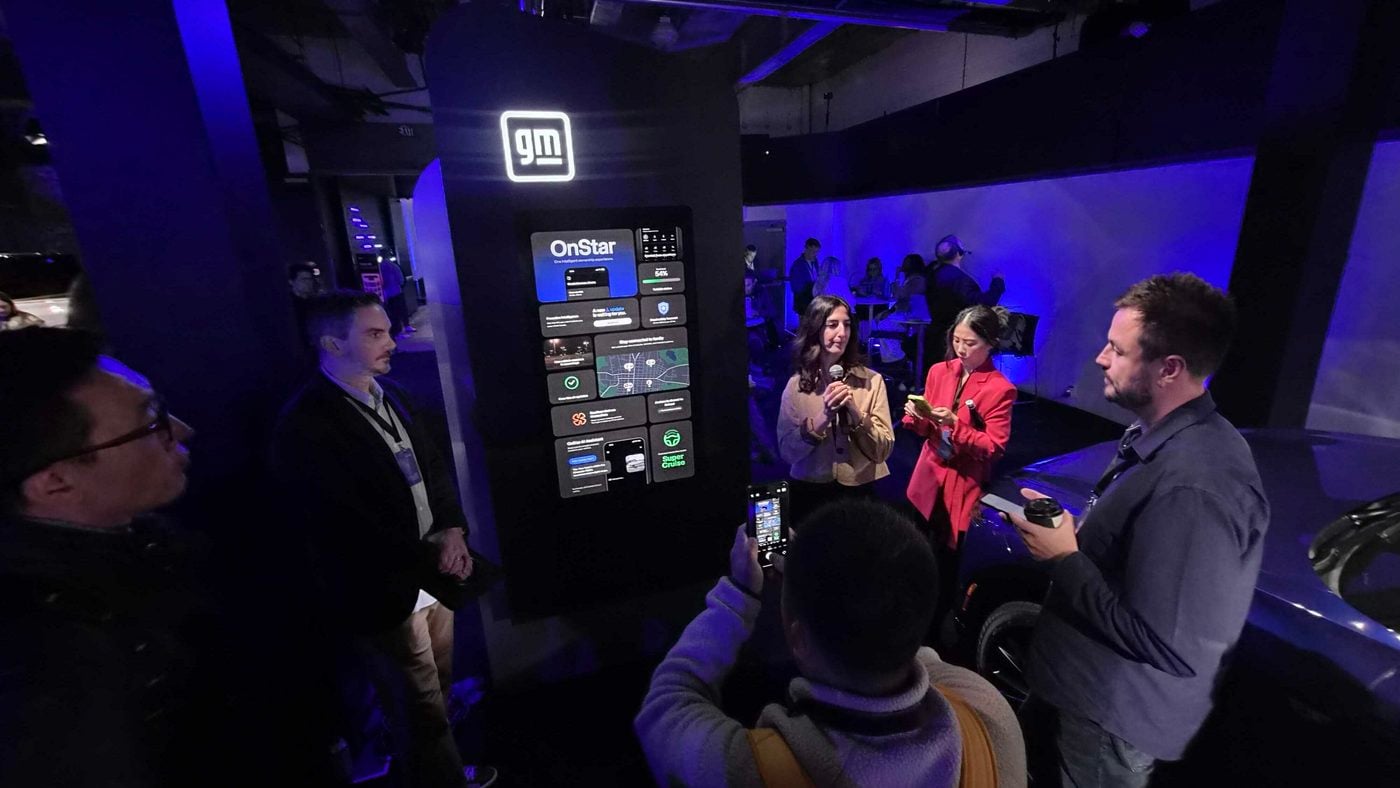
GM is a big machine, and it isn’t as nimble as Tesla. Anderson admitted as much, saying he knew plenty of people in the room had turned up thinking, “I’m going to a tech event by GM. How fast can they possibly move?” GM’s answer is hiring the man who once ran Tesla’s Autopilot program, then putting millions of test miles on the road to back it up.
After two days behind the wheel and a morning hearing about the future, we left more optimistic than we arrived. Super Cruise isn’t offered in Australia yet, and GM ANZ hasn’t confirmed if or when any of this will come here. GMSV and Cadillac Australia do sell the same global products that will carry this technology, though, and the future looks bright.
Holden spent decades as GM’s Australian voice. The badges in our showrooms have changed, but the technology behind them is definitely moving faster than ever. The question is how quickly it reaches Australian driveways, and we’ll be asking GM ANZ when we’re back home.
Our first question will, of course, be: can we please have the Hummer EV?
