Tennis has always been a funny little fashion ecosystem. It’s one of the biggest sporting stages on the planet, the Australian Open dominates the summer calendar, and yet the apparel conversation still feels oddly undercooked. Not because the sport lacks eyeballs, but because the brands treat tennis like a slow-burn investment, not a frontline battleground.
The result in 2026 was a tournament full of moments, with only a handful of labels actually looking like they came to win.
And yes, I’m biased. I’m a tennis apparel snob. I took four weeks to choose a tennis bag and I still think a new racquet will make me a better player. I’m all show and I love it. So trust me when I say this tournament was a goldmine.
Nike: A near 2026 miss from the former king
There was a time when Nike owned tennis culture. Not quietly either. The Roger era, the Rafa years, the aggressive confidence of that whole period made every kit feel like it belonged on a billboard. In 2026, that sharpness was missing.
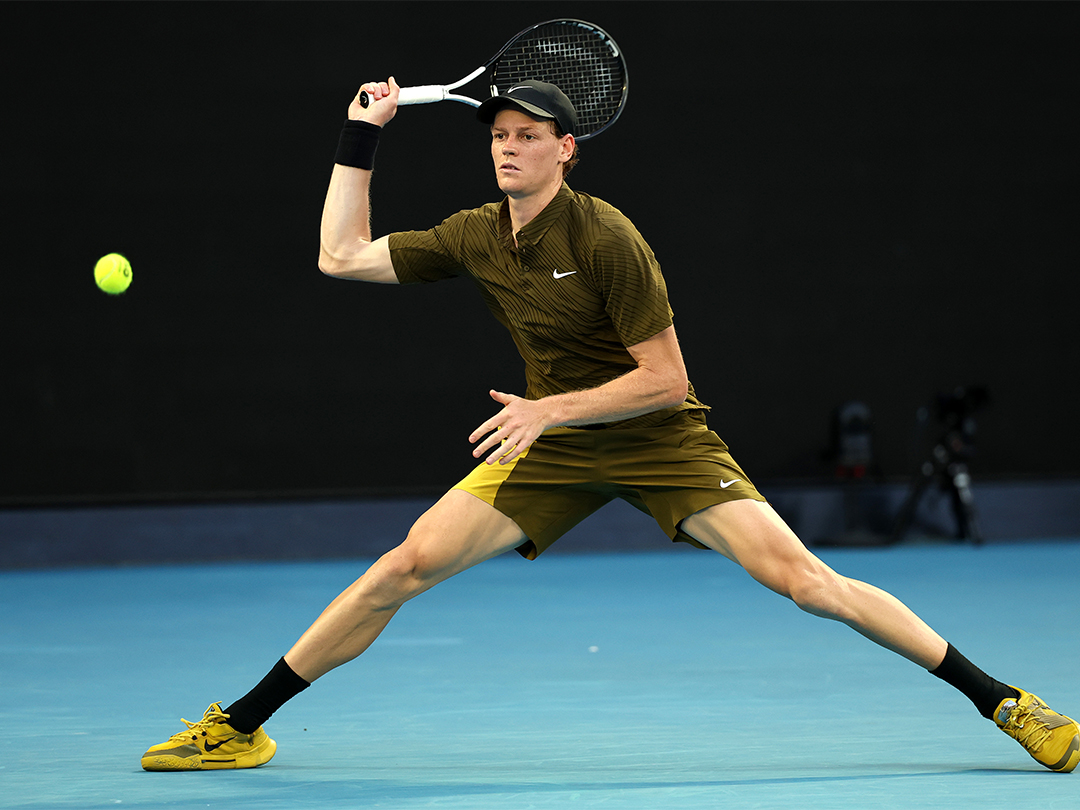
Jannik Sinner carried the swoosh on court, but even his loud yellow look couldn’t hide the bigger problem: the designs weren’t offensive, they were just forgettable and at the Australian Open that’s basically the same thing. Nike should be the brand setting the tone, not drifting through a major like it’s a seasonal catalogue drop.
Wilson: Classy, low-key, and actually believable
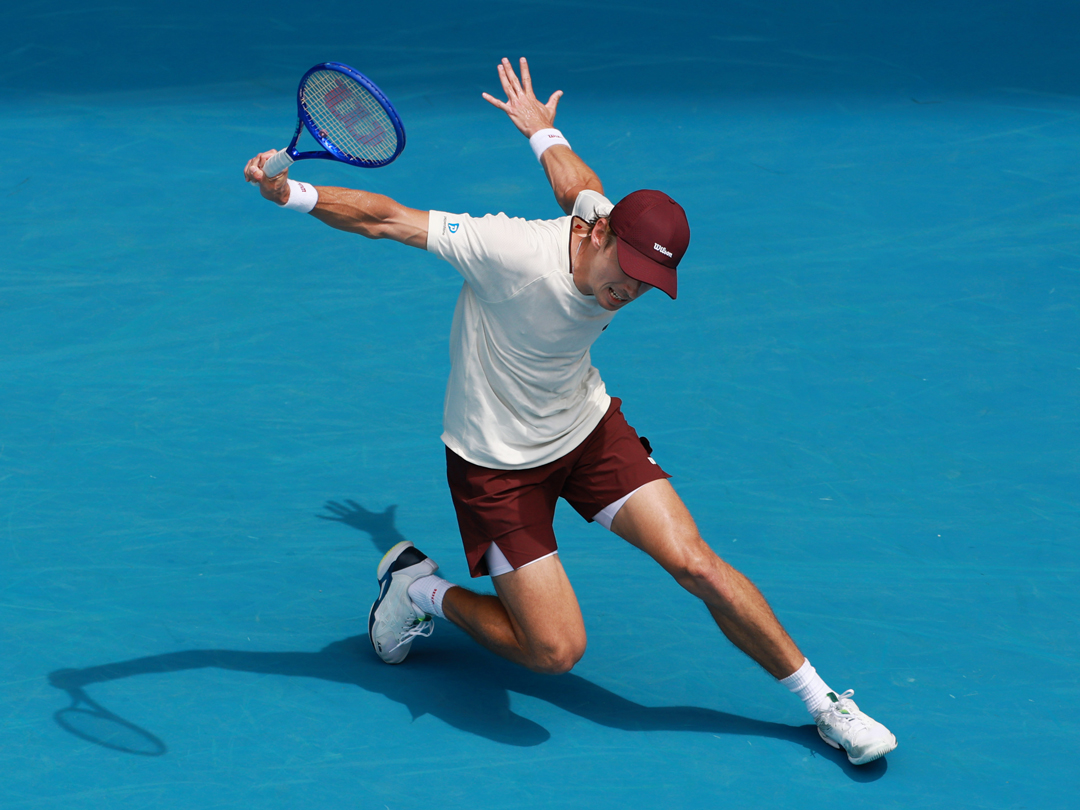
Wilson made one of the smartest statements of the tournament by not trying too hard. Alex de Minaur’s kit was a perfect example of why: clean lines, premium feel, and genuinely wearable pieces that didn’t look like they were designed for a marketing deck. No weird overdesign, no desperate colour blocking, just polished tennis gear that looked like it was made by people who actually play. Confident without being loud, which is exactly what modern tennis style needs more of.
Full disclosure, I actually purchased De Minaur’s kit; it’s just that fresh.
Curated news for men,
delivered to your inbox.
Join the DMARGE newsletter — Be the first to receive the latest news and exclusive stories on style, travel, luxury, cars, and watches. Straight to your inbox.
On: Still climbing, still nailing footwear
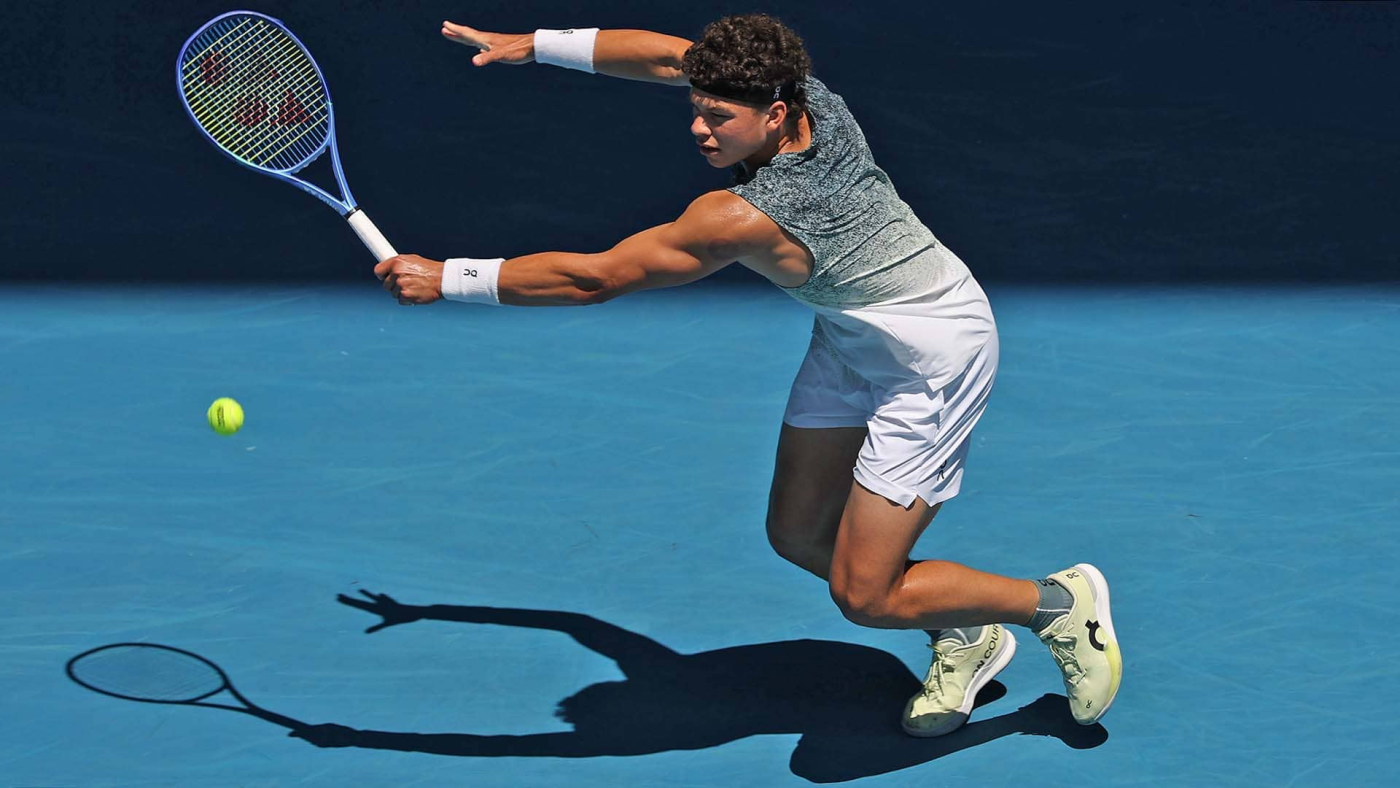
On keeps powering on, and Ben Shelton is the perfect walking billboard for it. The kit feels modern and the branding stays clean, but the real authority is in the footwear.
The Roger Court Fire is the kind of tennis shoe that works in performance mode and still looks good walking out of the grounds. That’s the whole game now, tennis gear has to live beyond the court. On isn’t trying to out-hype anyone, it’s just stacking wins through product.
ASICS: The best colour work on court
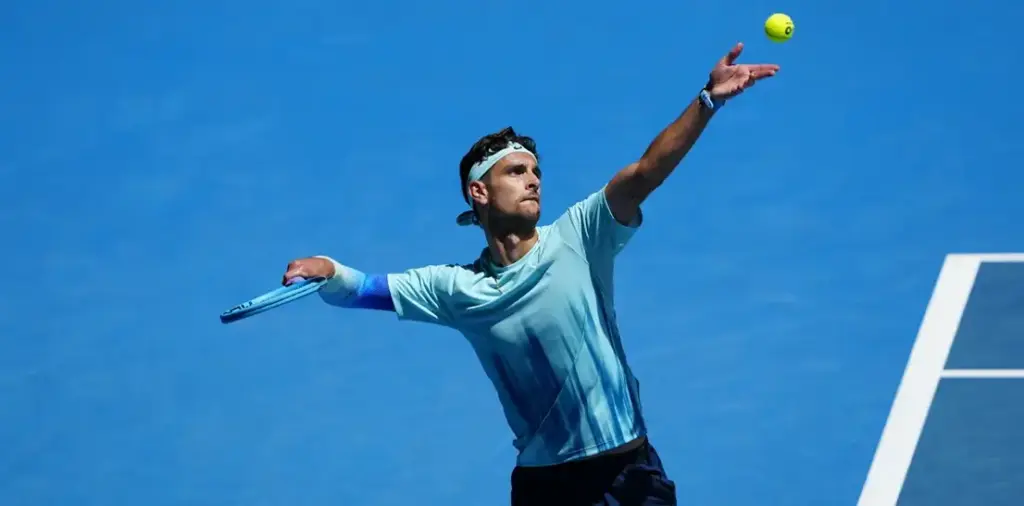
Even after losing de Minaur, ASICS still had some of the best looks of the tournament. The green and pink kit was eye-catching for all the right reasons, bold without looking gimmicky, and Lorenzo Musetti’s icy blue set was genuinely mint. It looked effortless, premium, and perfectly suited to Melbourne’s brutal lighting.
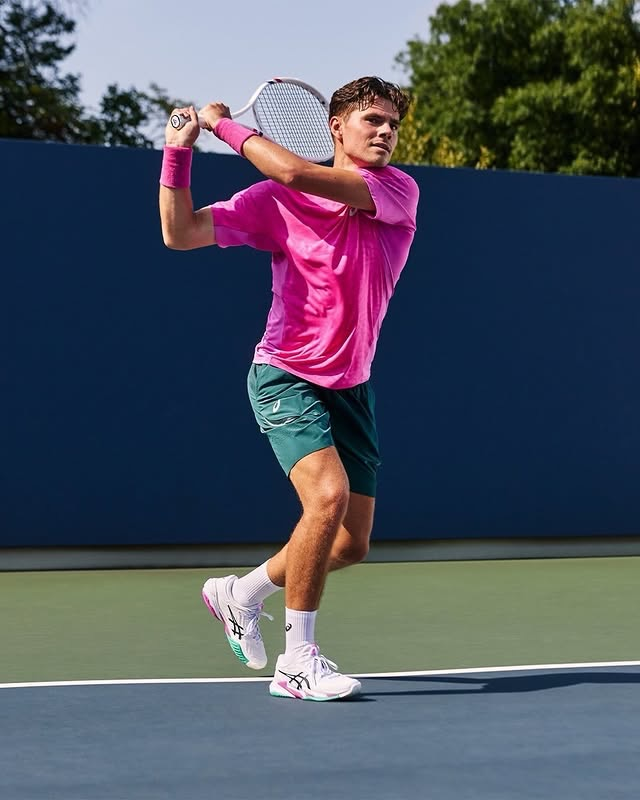
ASICS has the performance credibility nailed, but the brand needs to invest more in its apparel range if it wants to keep up with the players actually driving tennis style forward.
Lacoste: The best brand play in Melbourne
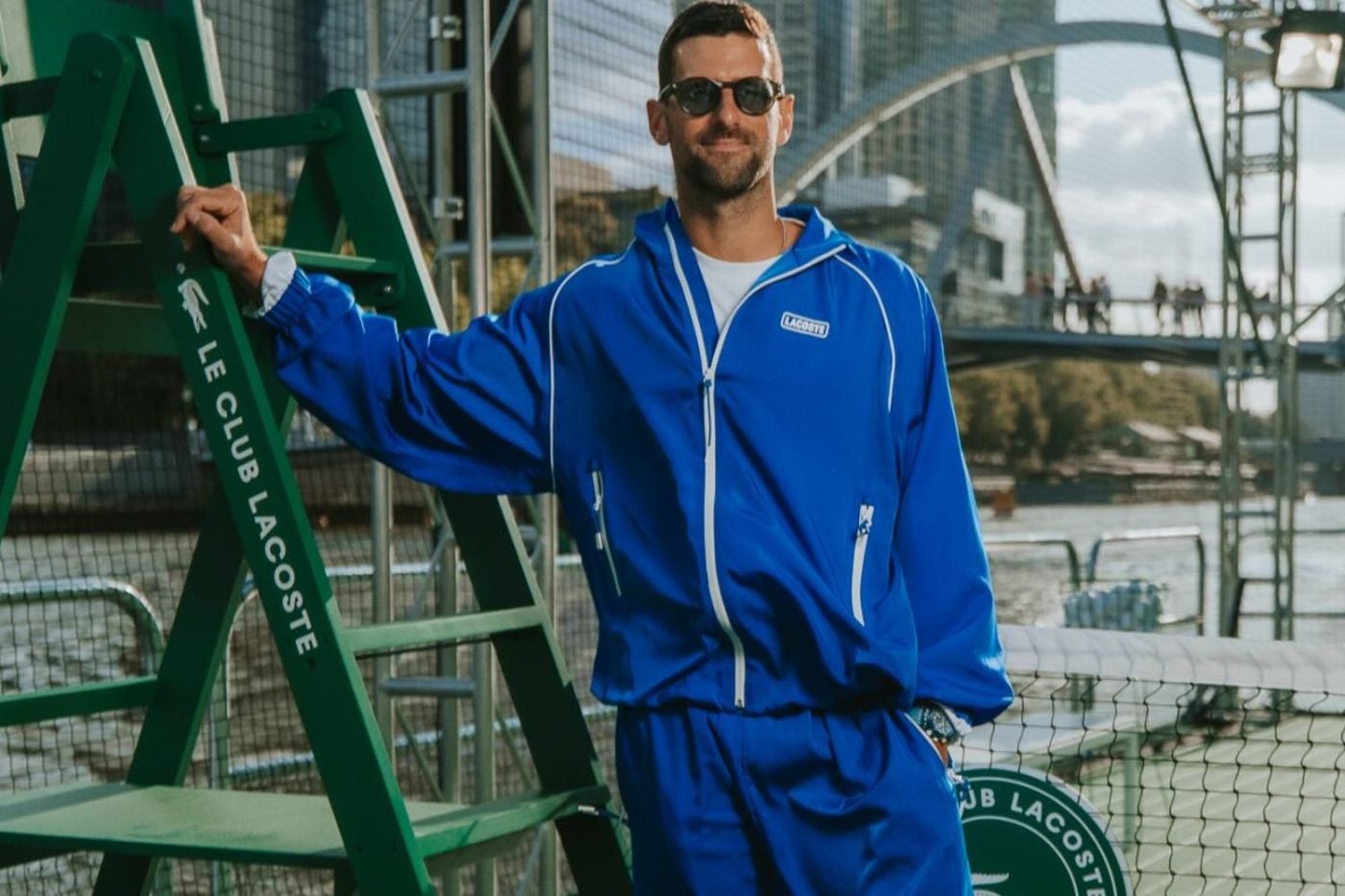
If one brand understood the Australian Open as more than just matchday outfits, it was Lacoste. The floating barge activation off court was a stroke of genius, the kind of idea that feels premium, local, and perfectly timed for Melbourne summer.
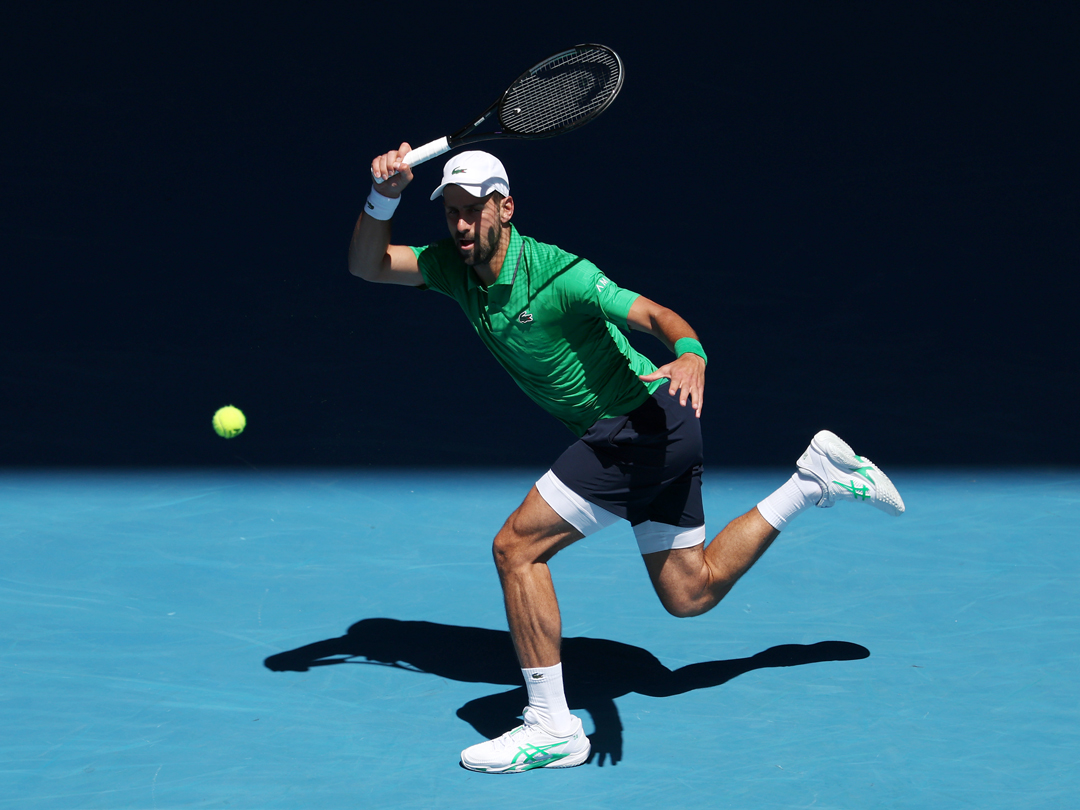
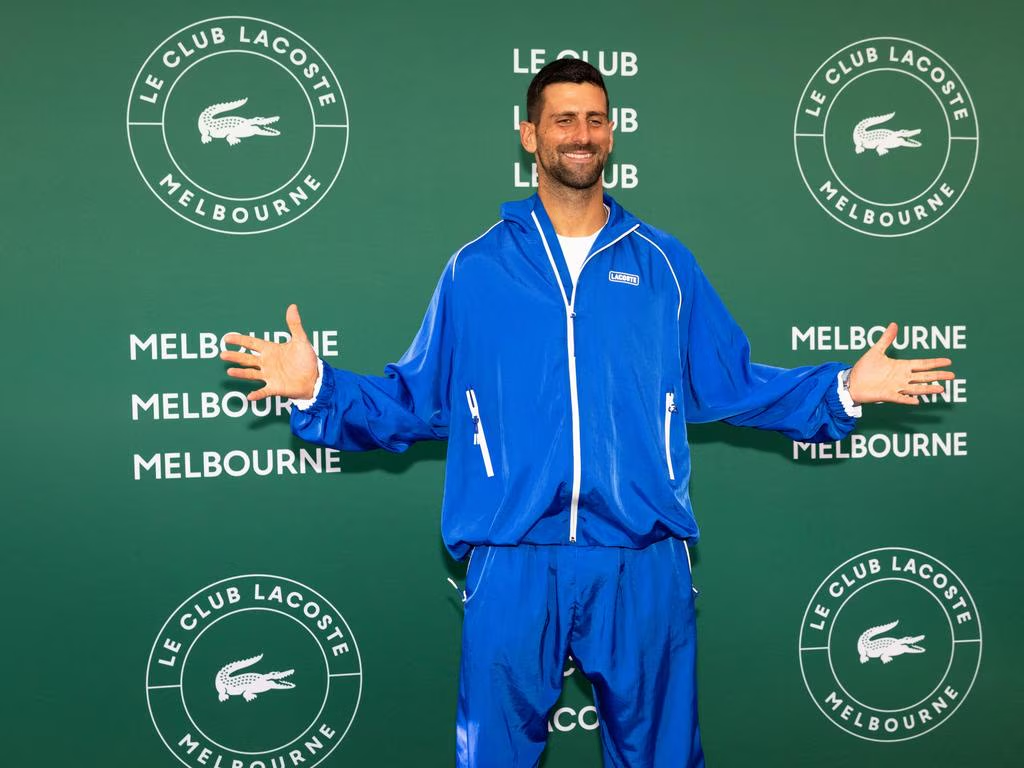
Then there’s Novak’s kit, which was basically perfection. Sharp, athletic, elevated, and unmistakably Lacoste without screaming for attention.
Even better, the off-court flex was unreal. Novak rolling around Melbourne in that oversized Lacoste tracksuit was a slam dunk. It wasn’t a warm-up kit. It was Melbourne Park boss mode. The full cobalt set, the relaxed silhouette, the sunnies, the casual confidence. It made half the other brands look like they were still trying to dress athletes, while Lacoste was dressing a global icon.
Ralph Lauren: Not “tennis”, but still grand slam energy
Ralph Lauren continues to dominate in the way only Ralph can. They’re not really making tennis gear in the performance sense, but off court they’re untouchable. Every piece looks expensive, effortless, and built for that post-match walk into a private members bar. It’s grand slam worthy without needing to pretend it’s for sliding into corners at full sprint.
Adidas: Strangely quiet for a giant
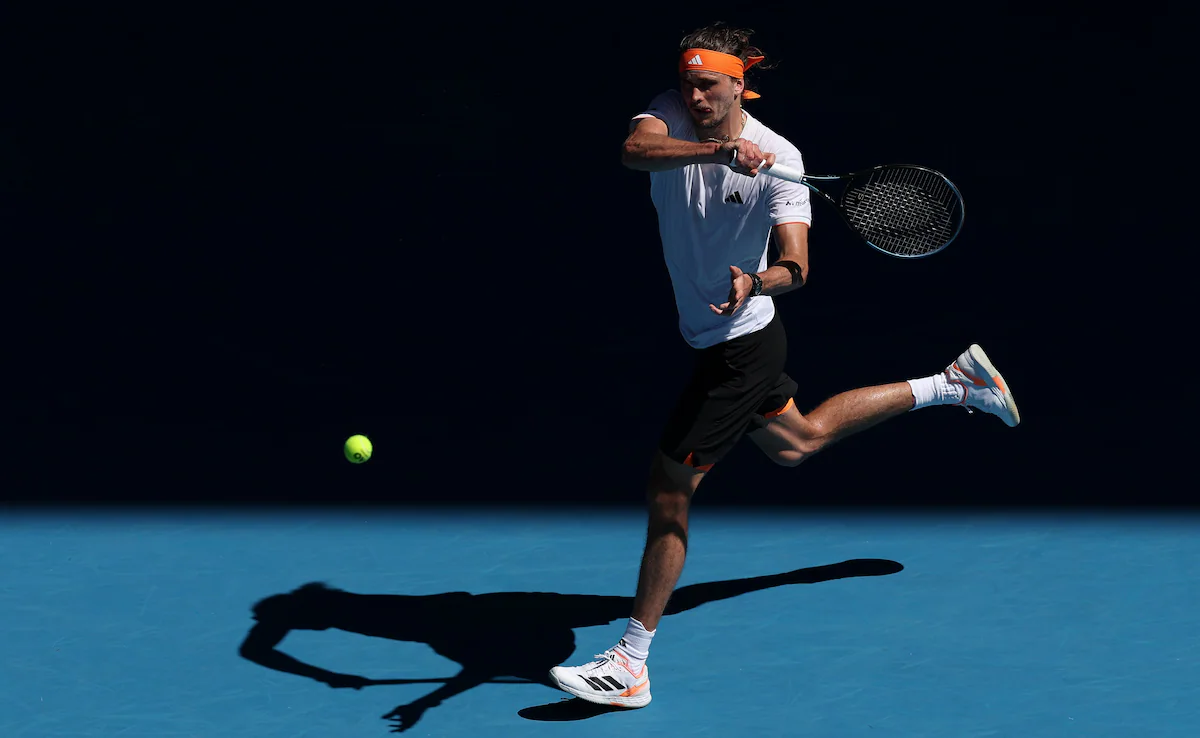
Adidas felt low key this year, with Alexander Zverev being the only truly notable on-court presence carrying the brand visibility. When you compare that to how loud Adidas can be in football or basketball, tennis feels like an afterthought. The product wasn’t bad, it just wasn’t memorable, and at the Australian Open you either land a look or you disappear.
New Balance: Red hot, with real upside
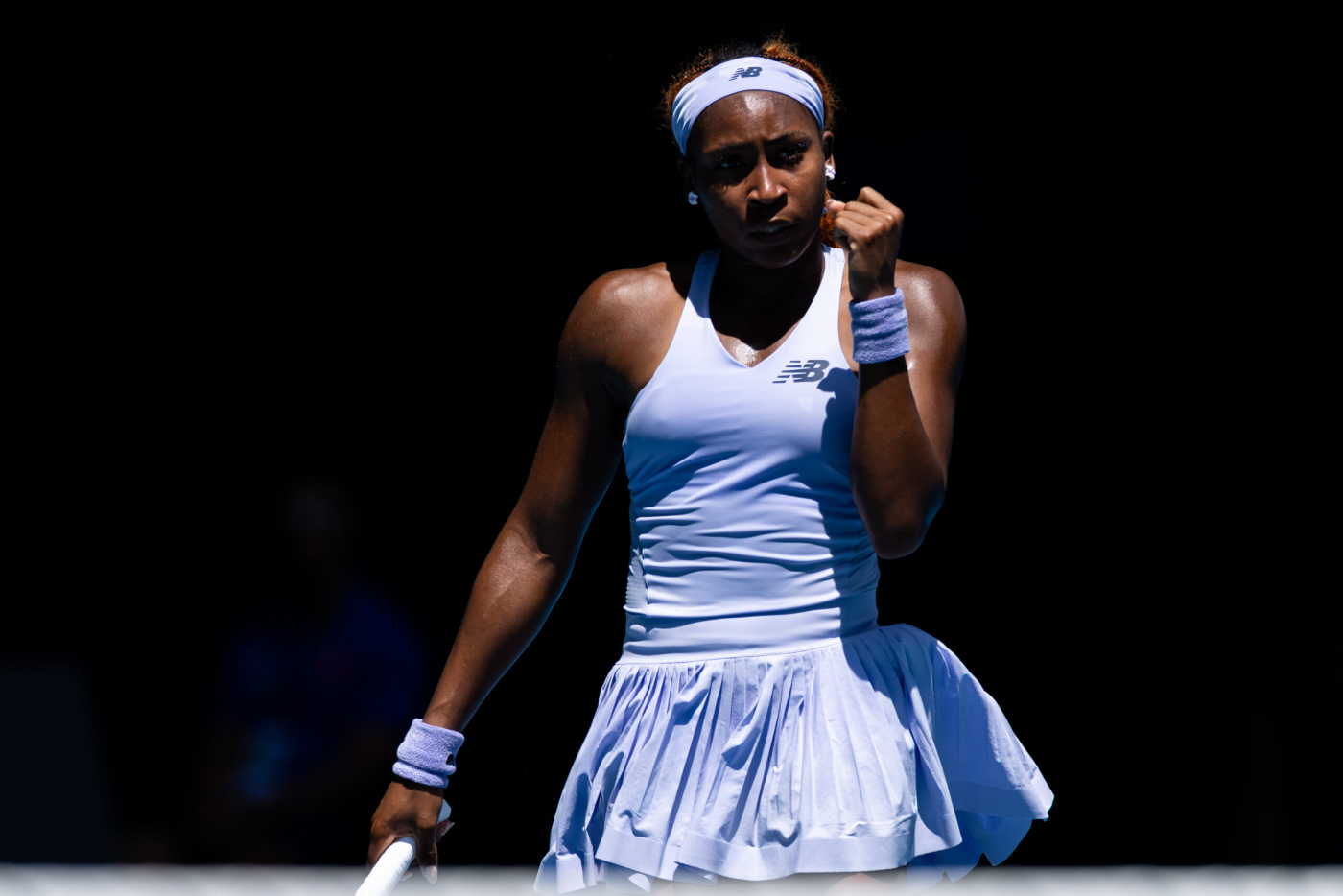
New Balance was one of the best surprises of the tournament. Coco Gauff’s kit was seriously nice, modern, flattering, and clean enough to feel current without losing performance credibility. You can see the potential in what they’re building. If they keep developing their tennis category properly, they could end up as one of the few brands actually pushing style forward instead of recycling safe templates.
Boss and Lululemon: Big names, mid delivery
Boss and Lululemon still have a long way to go. Their tennis kits are mid at best. Boss has presence, but the gear reads more like corporate activewear than something built for a grand slam spotlight.
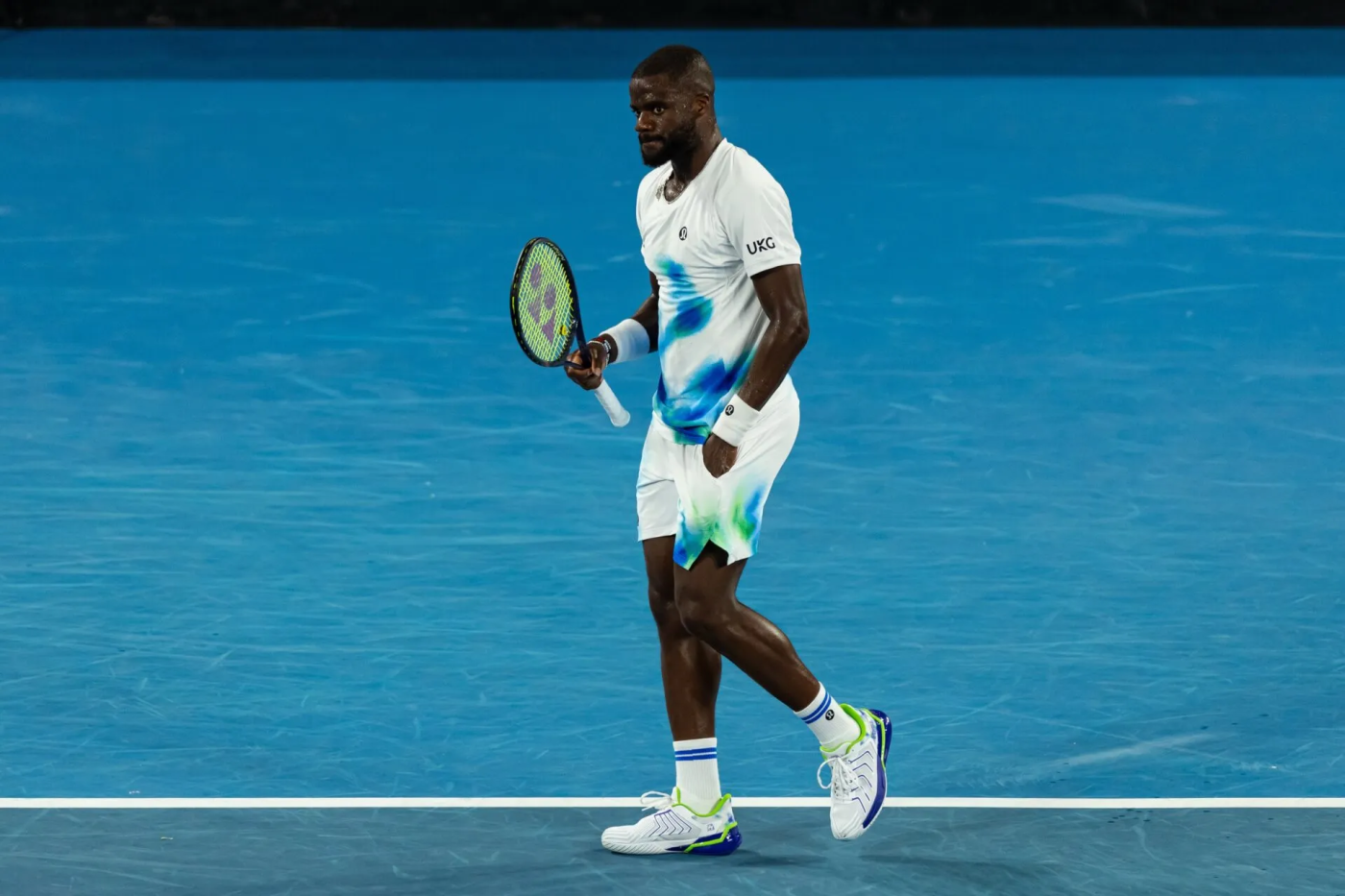
Lululemon should be a natural fit for tennis, but the product still feels safe and generic, like it’s been adapted from training gear rather than built with tennis energy from the ground up.
Elite Eleven: Big sponsorship, small credibility
Local legends Elite Eleven are one that really sticks out. For a brand sponsoring so many of the lead-up tournaments, you’d expect a stronger presence, sharper product, or at least something that feels tennis-specific. Instead, it reads like gym wear first, tennis second and it’s hard to take seriously when the brand identity is mostly built around Instagram gym thots rather than global sport. Elite Eleven isn’t there yet but they’re putting in the yards. Bring on their kit development for 2026 and beyond.
Fila, Lotto, K-Swiss: The niche zone
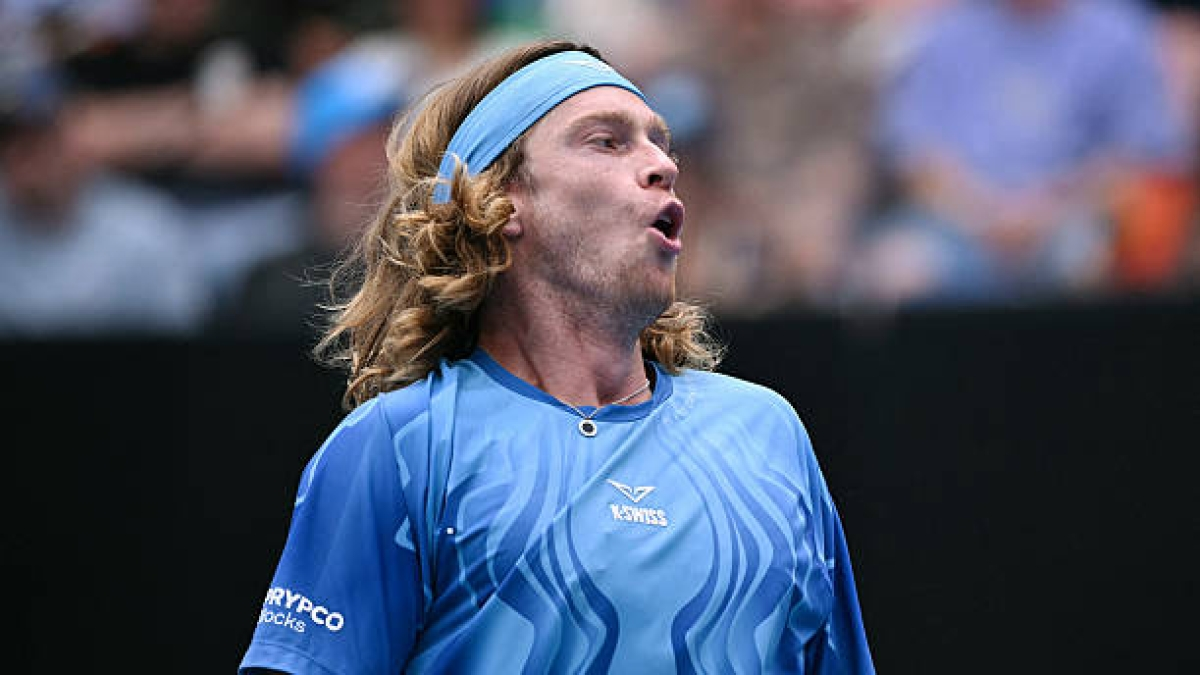
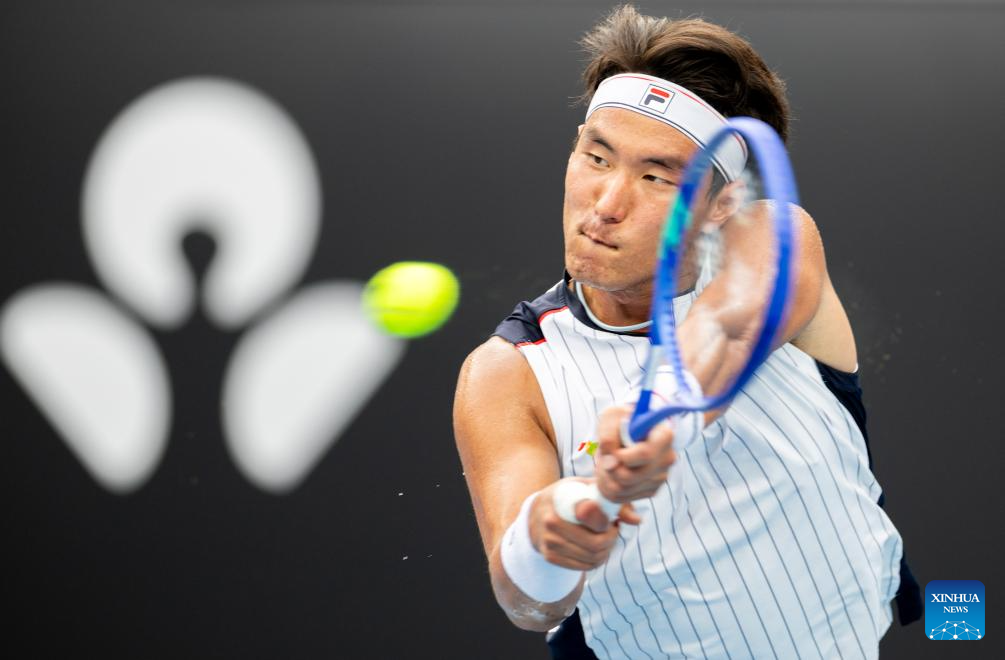
Then you’ve got the weird crew. Fila remains a strange brand in tennis, same with Lotto and K-Swiss. K-Swiss on Andrey Rublev has that niche, heritage feel, while Fila sits in that confusing space between nostalgia and “who is this actually for?” Players like Yunchaokete Bu kept it visible, but it still feels like tennis fashion’s background characters that somehow keep getting screen time.
The bigger problem: Tennis deserves a better product
The Australian Open proved the same thing the sport keeps running into. Tennis is popular, it’s globally watched but brands are not investing heavily enough to make the apparel feel elite.
Development stays slow, and the average kit sits in that safe, slightly bland zone where nobody takes risks. Nike is the best example of this in 2026. They used to be the ones setting the standard. Now they’re just another logo on court. Considering their investment, we want more zest!
And that’s the real win for Lacoste, On, Wilson, ASICS, and New Balance this year. They didn’t just dress athletes. They showed up with a point of view.

Because tennis has never been just about tennis. It’s about how you look walking into Melbourne Park, how clean your fit is under brutal daylight, and whether your warm-up set makes you feel like you belong courtside, even if your backhand collapses after three rallies.

