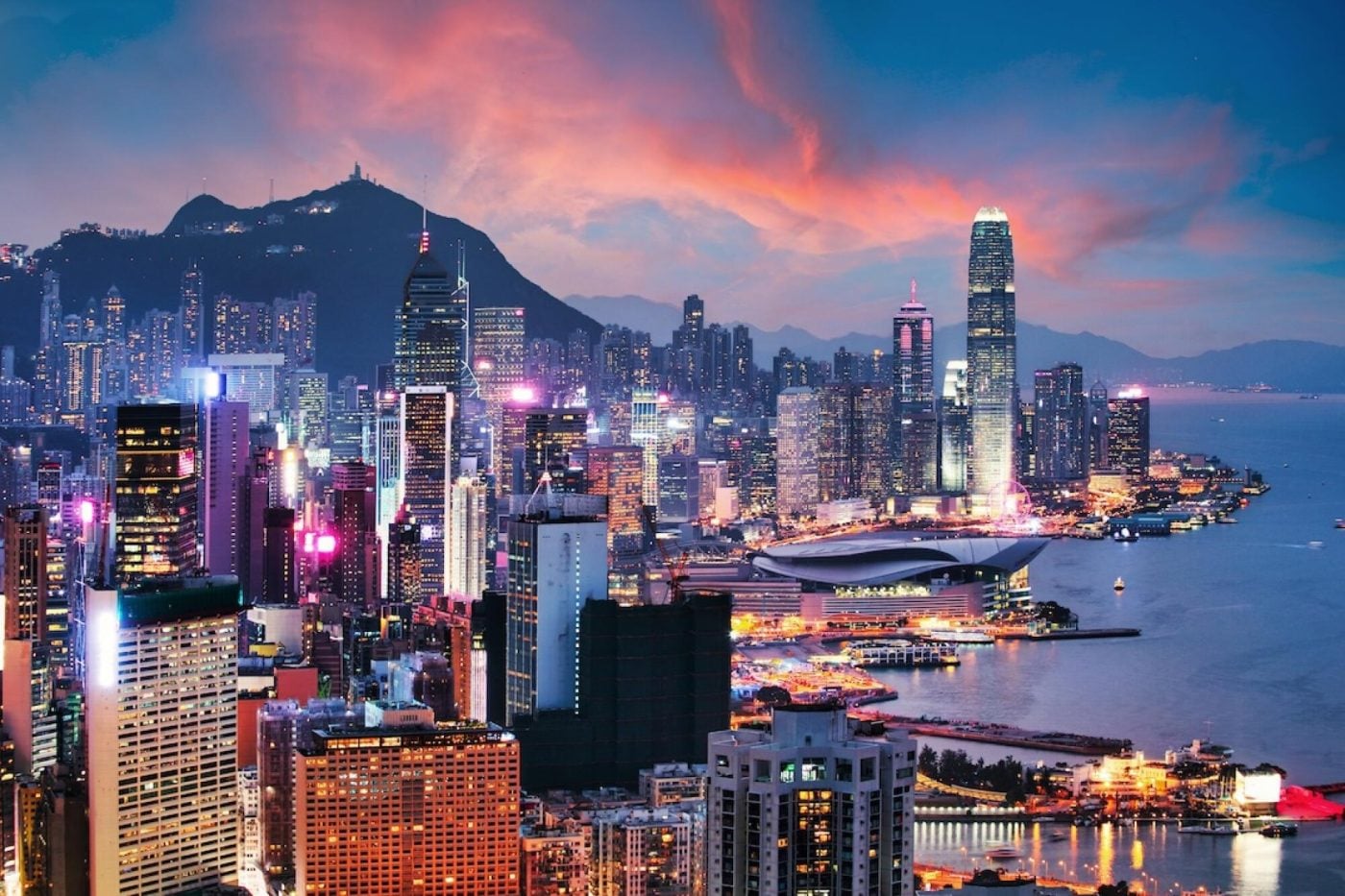
Nobody is flying through Doha, or Dubai, or Abu Dhabi, or anywhere within about 3,000 kilometres of the Persian Gulf right now, unless they’re on a military aircraft or an extremely optimistic repatriation flight.
Since late February, US and Israeli strikes on Iranian military targets have triggered the most significant airspace shutdown most of us have seen in our lifetimes. Iran, Iraq, Israel, Kuwait, Syria, Bahrain, Qatar and the UAE are all closed or heavily restricted to civilian traffic. Emirates, Etihad and Qatar Airways are operating skeleton schedules at best. Cathay Pacific has pulled Dubai and Riyadh flights until the end of April.
Even Qantas had to kill its famous non-stop Perth to London service, splitting it into two legs via Singapore because the 787-9 can’t carry a full payload on the longer detour around Iranian airspace.
For Australians, this is a massive headache. We’ve spent the last decade routing the vast majority of our European travel through Gulf hubs. That corridor is gone, at least for now, and nobody can tell you when it’s coming back.
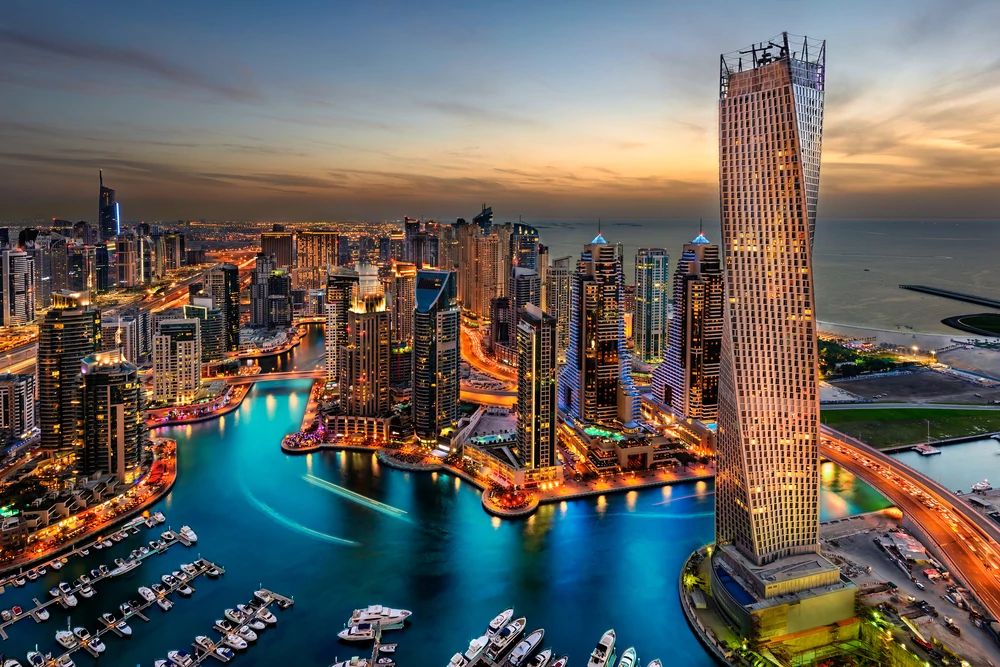
The knee-jerk alternatives floating around are, frankly, grim. Flying via the United States to reach Europe is up there with drinking bleach. We’re talking 30-plus hours, brutal connections, TSA theatre, and the existential despair of LAX at 2am. Perth as a transit point to anywhere is about as exciting as watching paint dry in a Bunnings car park. And let’s not even go there with some of the subcontinent carrier options being suggested.
But here’s what nobody’s talking about enough: this crisis could be the best thing to happen to Asian aviation hubs in a decade.
The Cheap Business Class Hack Nobody’s Using
Before we get into the cities, let’s talk strategy. If you’re booking business class to Europe right now, the cheapest fares almost always come with long layovers. Airlines price those connecting itineraries lower precisely because most travellers see a 14 or 18-hour connection as a negative.
It’s not. It’s a free city break.
Curated news for men,
delivered to your inbox.
Join the DMARGE newsletter — Be the first to receive the latest news and exclusive stories on style, travel, luxury, cars, and watches. Straight to your inbox.
A business-class fare via Singapore, Hong Kong, or Shanghai with a lengthy connection can come in significantly cheaper than a tight, premium-timed routing. And instead of spending that layover comatose in a gate lounge, you walk out of the airport and spend 24 hours in one of the most exciting cities on the planet. You eat properly, you sleep in a real bed, you see something worth seeing, and you board your onward flight feeling like a human being rather than a piece of checked luggage.
The trick is to stop treating the stopover as dead time and start treating it as the point.
Singapore: The Dependable One
Singapore has always been the Kangaroo Route stalwart. Before the Gulf mega-hubs muscled in during the 2000s, practically every Australian flying to Europe stopped at Changi. Now, with the Middle East offline, we’re right back where we started.
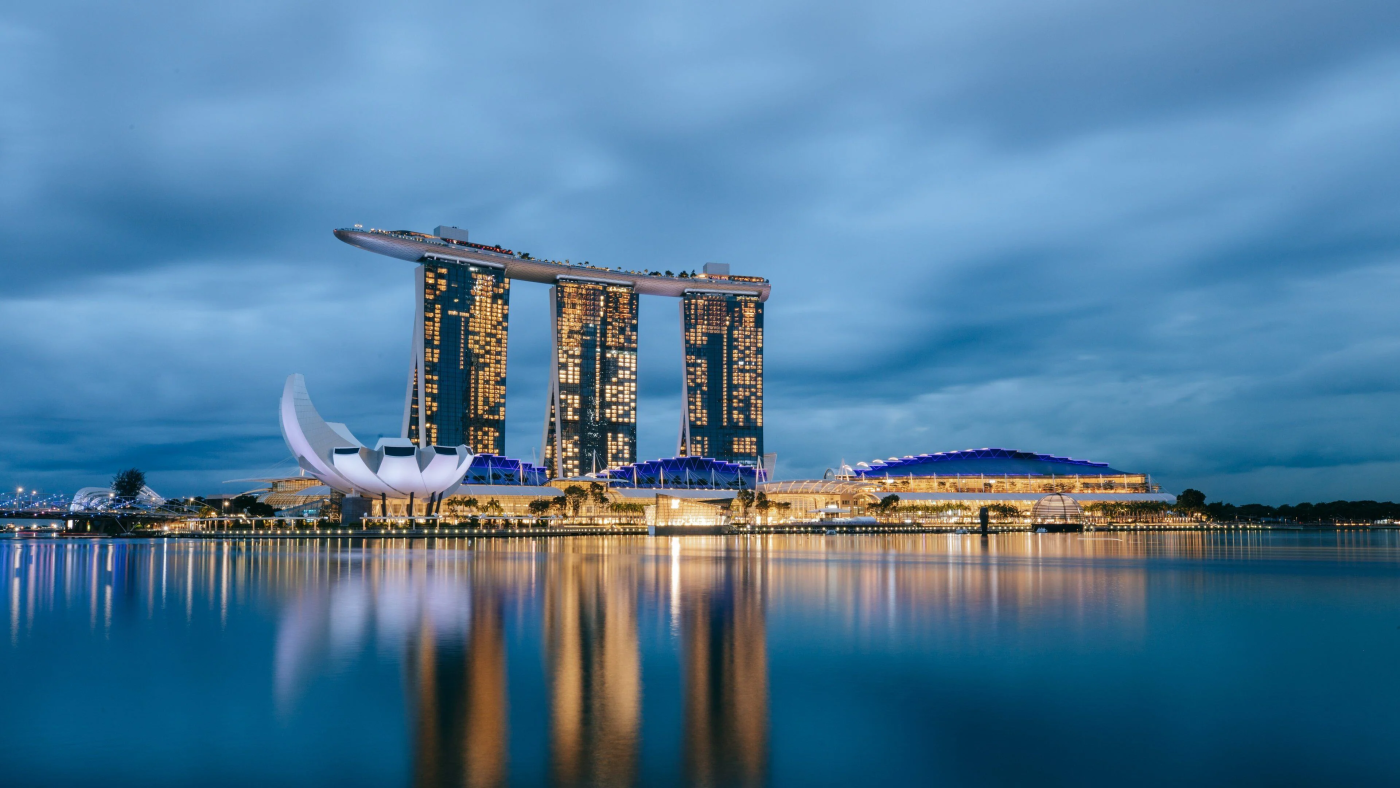
Booking data from Flight Centre shows a 38 per cent jump in Australia-Europe bookings via Changi in the first two weeks of March alone. Singapore Airlines has been ramping capacity on its Europe services, and Qantas’s rerouted QF9 now operates Perth to Singapore to London, adding roughly three hours to what was a 17-hour non-stop.
Changi is the best airport in the world, full stop. The Jewel terminal alone, with its seven-storey indoor waterfall, would justify a couple of hours of anyone’s time. But with an overnight or a long layover, Singapore delivers properly. It’s 20 minutes from the terminal to downtown by cab. Gardens by the Bay after dark is genuinely spectacular. And the hawker food situation is among the best eating experiences on Earth for under $10.
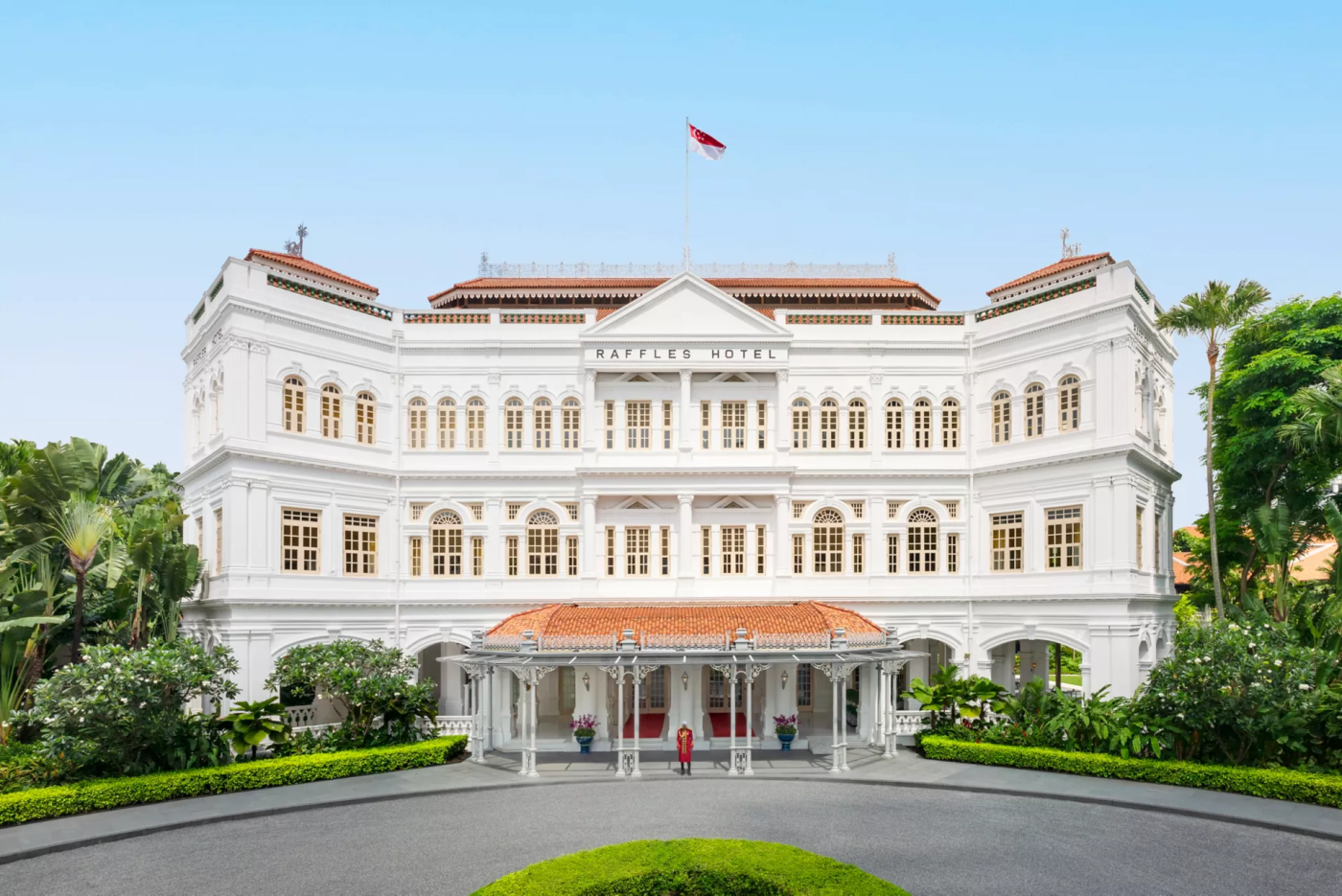
If you’re building in an overnight, Raffles Singapore is the obvious prestige play. It’s the most iconic hotel in Southeast Asia for a reason, and a Singapore Sling at the Long Bar is one of those tourist-trap experiences that’s actually worth doing. For something more modern, the Capella on Sentosa Island offers serious resort energy within striking distance of the airport, and Andaz Singapore in the Duo tower is a sharp pick if you want to be right in the thick of it without the colonial heritage price tag.
Changi runs free 2.5-hour guided city tours for transit passengers with layovers over 5.5 hours. Singapore Airlines has a formal stopover programme that lets you add a night or several for no extra airfare on eligible tickets. If you’re being funnelled through here anyway, the play is to lean into it.
Hong Kong: The Connoisseur’s Pick
I have a soft spot for Hong Kong. I fly through there at least twice a year heading to London, and the thing I keep telling people is this: no city in the world is easier to get in and out of on a tight layover.
The Airport Express takes 24 minutes flat from the terminal to Hong Kong Station in Central. Immigration is fast. Australians don’t need a visa. You can be eating Michelin-quality dim sum at Tim Ho Wan, inside the train station no less, within 45 minutes of stepping off the plane.
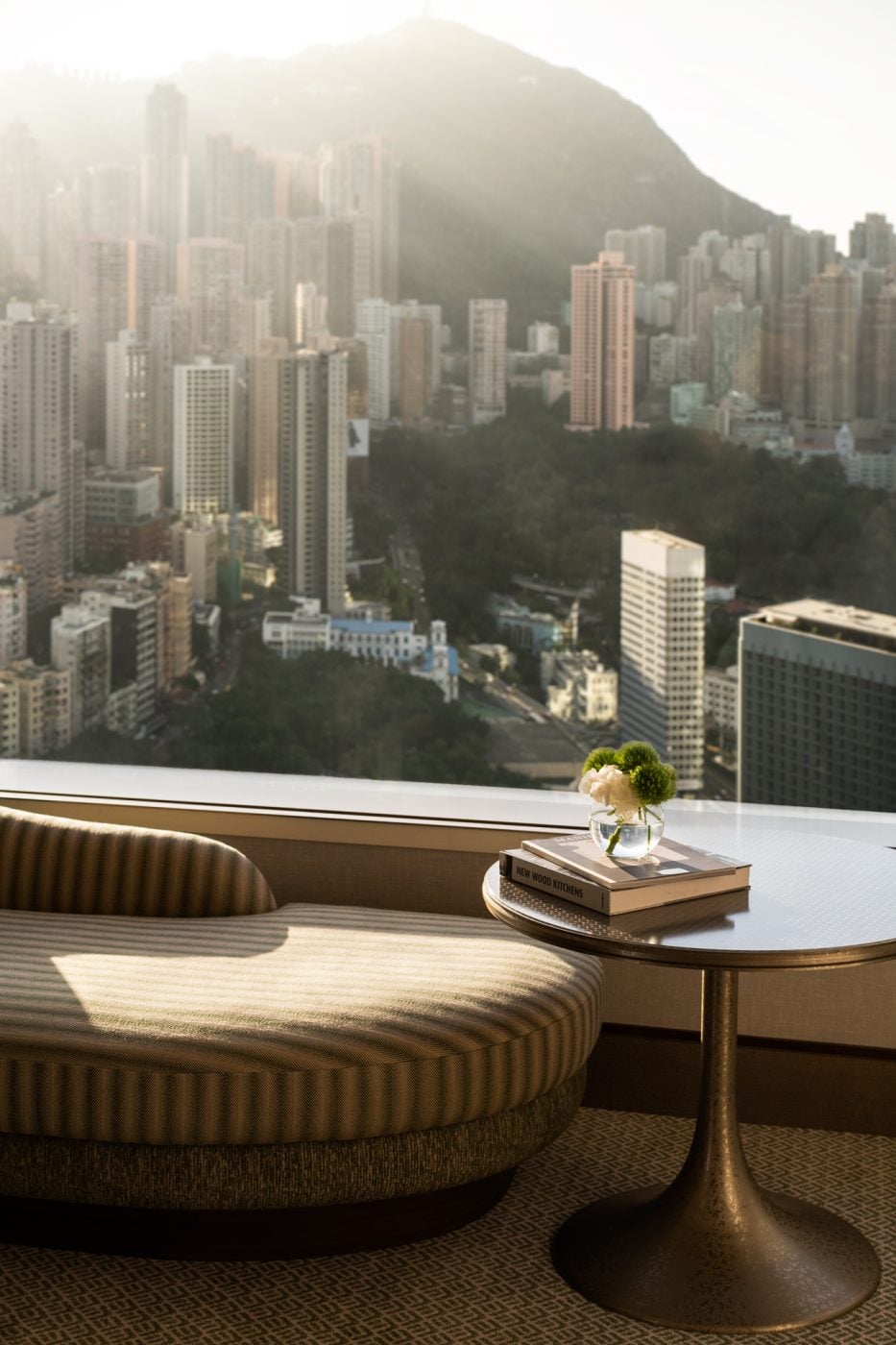
With six-plus hours, you can ride the Star Ferry across Victoria Harbour, take the tram up to the Peak for the skyline view, and still make it back with time to spare. Overnight? Even better. Tsim Sha Tsui at night, with the harbour lit up and the Symphony of Lights kicking off, is one of those travel moments that reminds you why you get on planes in the first place.
For accommodation, the Island Shangri-La is my pick and we’ve reviewed it on DMARGE before. I spent two nights in a Harbour View Suite on the 52nd floor and my biggest regret was having to leave at 2am to catch a flight to Europe, missing a final breakfast of egg whites and Portuguese tarts. A modern tragedy.
The hotel sits above Pacific Place mall with Admiralty MTR station right there, so you’re connected to everything without needing a cab. And if you really want to go large, they’ve just launched the Hong Kong Suite on the 50th floor as part of their multi-year renovation.
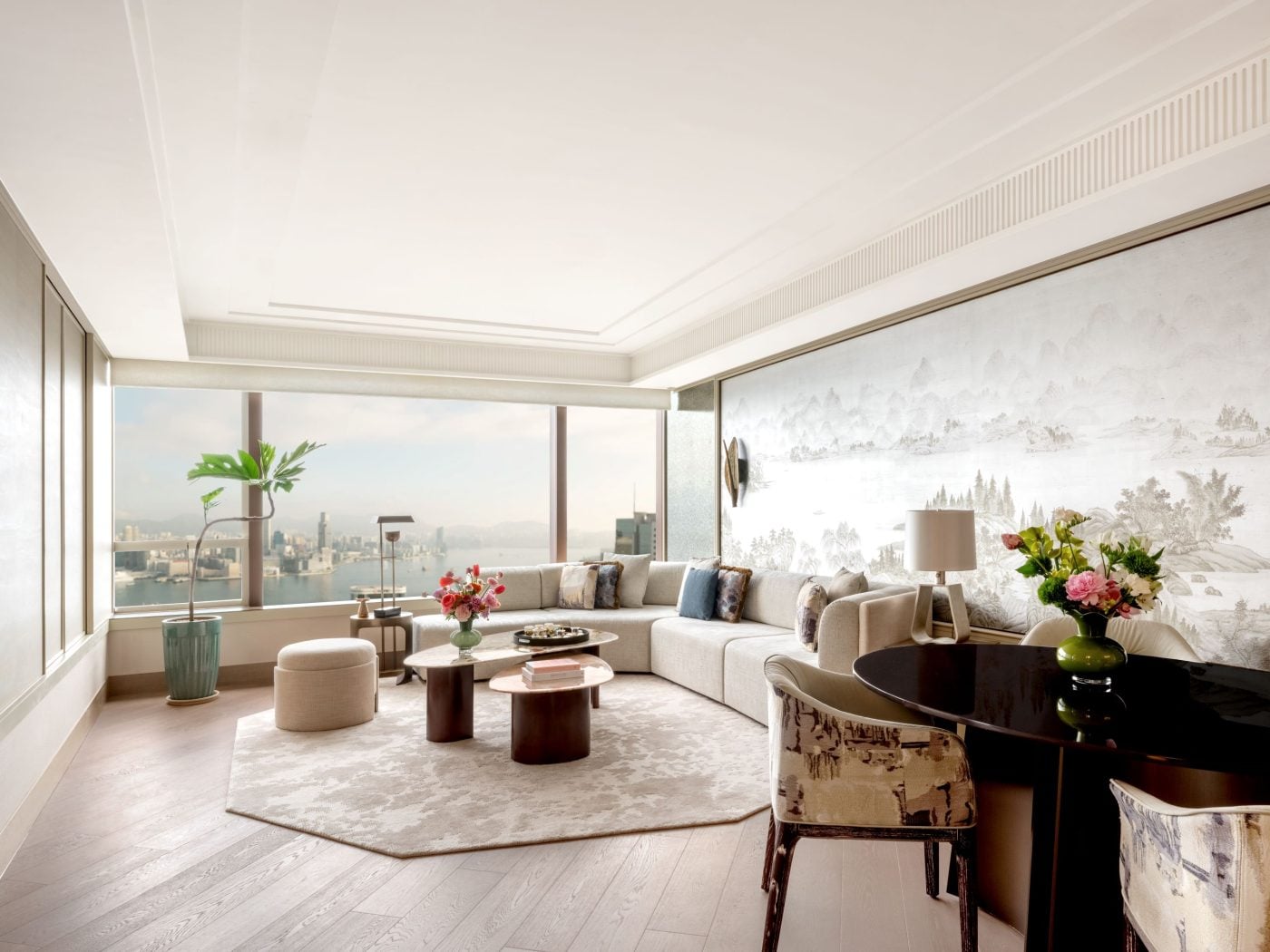
It’s 130 square metres of feng shui-inspired design, with full-wall murals depicting the harbour’s fishing village origins, a round marble bathtub inspired by magnolias (a flower once reserved exclusively for Chinese emperors, apparently), Acqua di Parma amenities, a dedicated butler, and views across Victoria Harbour that make you want to cancel whatever you were flying to next.
It starts at HKD60,000 a night, so not exactly a Tuesday night impulse book, but for a special occasion stopover it would be hard to beat anywhere in Asia.
If you want something on the Kowloon side with the harbour view directly in front of you, The Peninsula is the grande dame of Hong Kong hotels and worth every cent. And for something a bit more design-forward, The Upper House in Admiralty is quietly one of the best hotels in Asia.
Cathay Pacific offers free stopovers in Hong Kong for up to seven days on eligible routes, and HKIA runs complimentary four-hour city tours for transit passengers with layovers over seven hours. The airport also recently waived its departure tax for visitors staying less than two days on certain ticket types.
The catch: Cathay has stripped economy inventory on Hong Kong to London routes and business class fares have gone stratospheric. North of AU$11,000 return, with some mixed-cabin fares touching $39,500. That’s obscene. But book further out, stay flexible on dates, and that premium comes down considerably.
Shanghai: The Wildcard That Saves You A Grand
Here’s where it gets interesting. China’s carriers are consistently the cheapest option for Australians trying to reach Europe right now. A China Southern routing from Sydney via Guangzhou can come in at AU$1,200 to $1,500, undercutting the Singapore and Hong Kong options by $800 or more. China Eastern via Shanghai offers similar value.
And the kicker: China’s 240-hour visa-free transit policy means Australians can enter Shanghai and travel freely across the Yangtze Delta region for up to 10 days without a visa. All you need is a passport and a confirmed onward ticket to a third country. The application happens at immigration when you land. It’s surprisingly painless.
Shanghai is a genuinely wild city to drop into for 24 hours. The Bund waterfront at night looks like the opening credits of a science fiction film. The French Concession is all plane trees and little wine bars and architecture that makes you forget you’re in China. And a soup dumpling crawl through the Old City is about as good as eating gets, for about the price of a flat white back home.
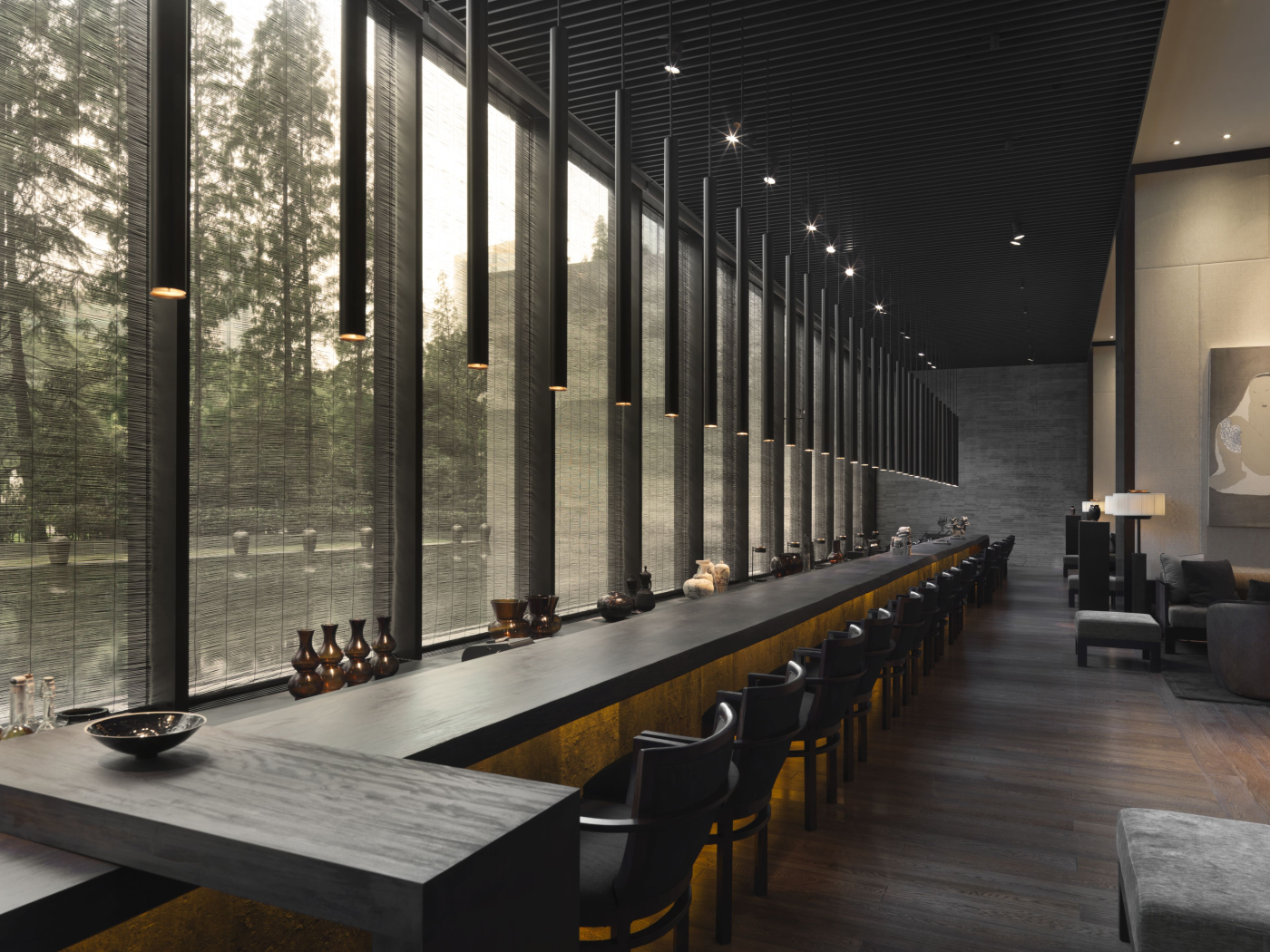
For an overnight, The PuLi Hotel and Spa in Jing’an is the most refined option in the city. It’s a genuinely world-class property that doesn’t feel like it’s trying too hard, which is rare in Shanghai. If you want the full Bund spectacle, the Waldorf Astoria on the waterfront puts you right in the middle of the action, with the Pudong skyline staring back at you from across the Huangpu River. Both are significantly cheaper than equivalent properties in Singapore or Hong Kong, which is part of Shanghai’s whole appeal.
The trade-offs are real. You’ll need a VPN for anything Google-related, WeChat Pay and Alipay dominate transactions (bring cash as backup), and the layover logistics are a bit more involved than Singapore or Hong Kong. But if you’re comfortable with a bit of roughness around the edges, and you’d rather save a grand on airfare and blow it on Xiaolongbao and cocktails on the Bund, Shanghai is the move.
Asia’s Hub Moment
For 15 years, the Gulf carriers hoovered up an enormous share of Australia-Europe traffic by offering cheap fares, absurd lounges and convenient single-stop routings through Dubai and Doha. It worked brilliantly. And it made a lot of us lazy about considering alternatives.
Now that millions of travellers are being forced onto Asian routings for the first time, many of them are discovering what frequent flyers have known for years: Singapore Airlines’ service is world-class, Cathay Pacific’s network is rock solid, and flying through a city you’d actually want to visit beats a sterile Gulf terminal every time. Once people experience that, some of them aren’t going back, even when the Middle East reopens.
Aviation analysts are already flagging that carriers with non-stop or near-non-stop capability between Asia and Europe, without relying on Gulf airspace, have a structural advantage that could outlast this conflict. Singapore Airlines entered 2026 with its largest post-pandemic schedule, over 2,400 weekly passenger flights. That kind of capacity doesn’t get built for a three-week crisis. It gets built for a long-term bet.
Build in the overnight. Book the longer layover. Take the cheaper business class fare and use the savings on a night out in a city you never planned to visit. Some of the best meals I’ve ever eaten, some of the most electric cityscapes I’ve ever seen, have been on the way to somewhere else entirely.
