For years, electric vehicles have been the punchline. Too expensive. Not enough range. Nowhere to charge. The vibe check from most Australian car buyers was clear: thanks, but no thanks.
Then the US and Israel started bombing Iran, the Strait of Hormuz effectively shut down, and premium 98 hit $2.54 a litre in Sydney. Funny how that works.
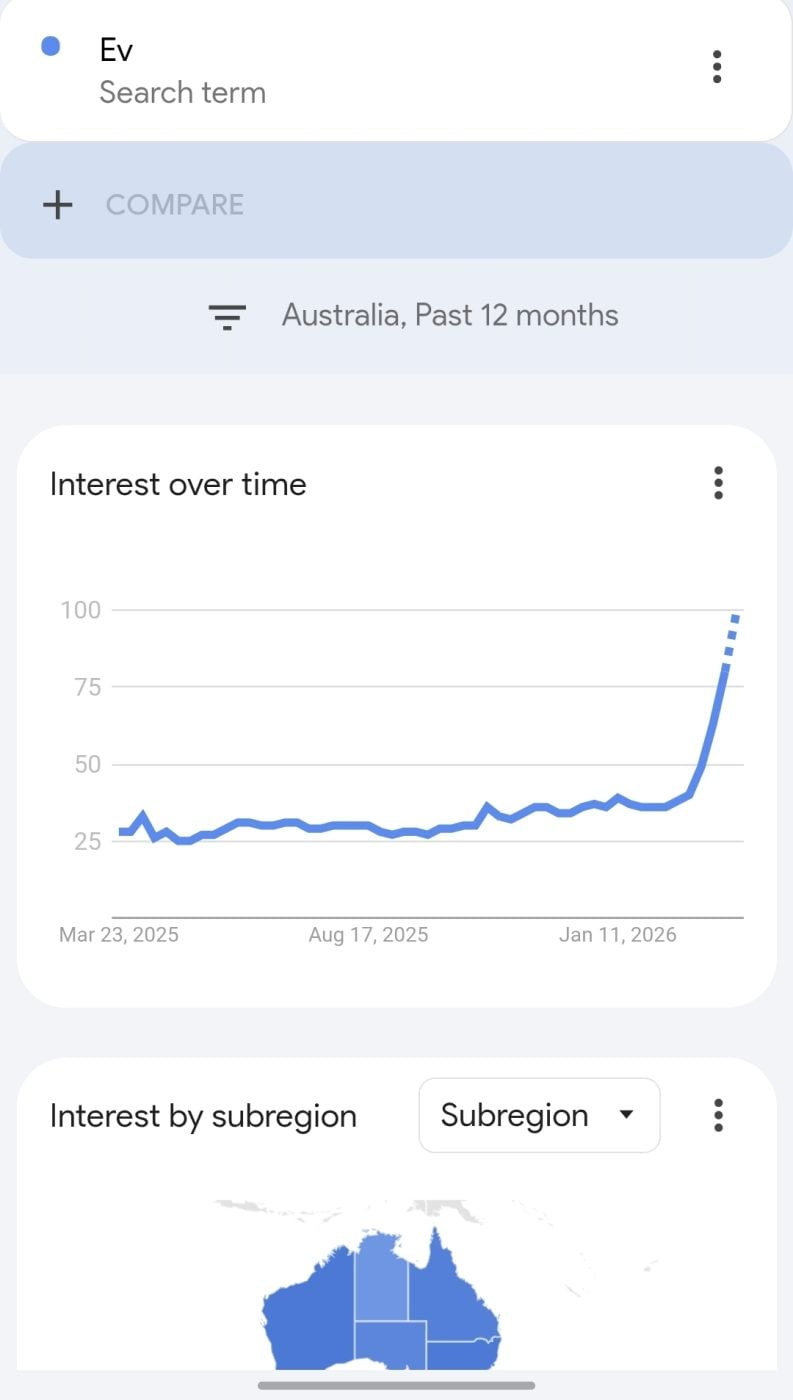
Across Australia, EV enquiries, test drives, and actual purchases have spiked in a way the industry hasn’t seen before. Not because of some glossy government campaign. Because people looked at the bowser, did the maths, and thought: I’m done.
The dealership floor tells the real story
Luke Lalor runs Motorbiz, a prestige used car dealership in Moorabbin, Melbourne. Before the war kicked off, he had a BYD sitting on his lot that hadn’t drawn a single serious enquiry in over a month. It was furniture.
Once petrol prices started climbing, he sold it within a day.
“Now I can’t buy enough EVs,” Lalor told DMARGE. “We’re getting hundreds of enquiries a day from people looking to trade out of their combustion engine cars. It’s a genuine shift.”
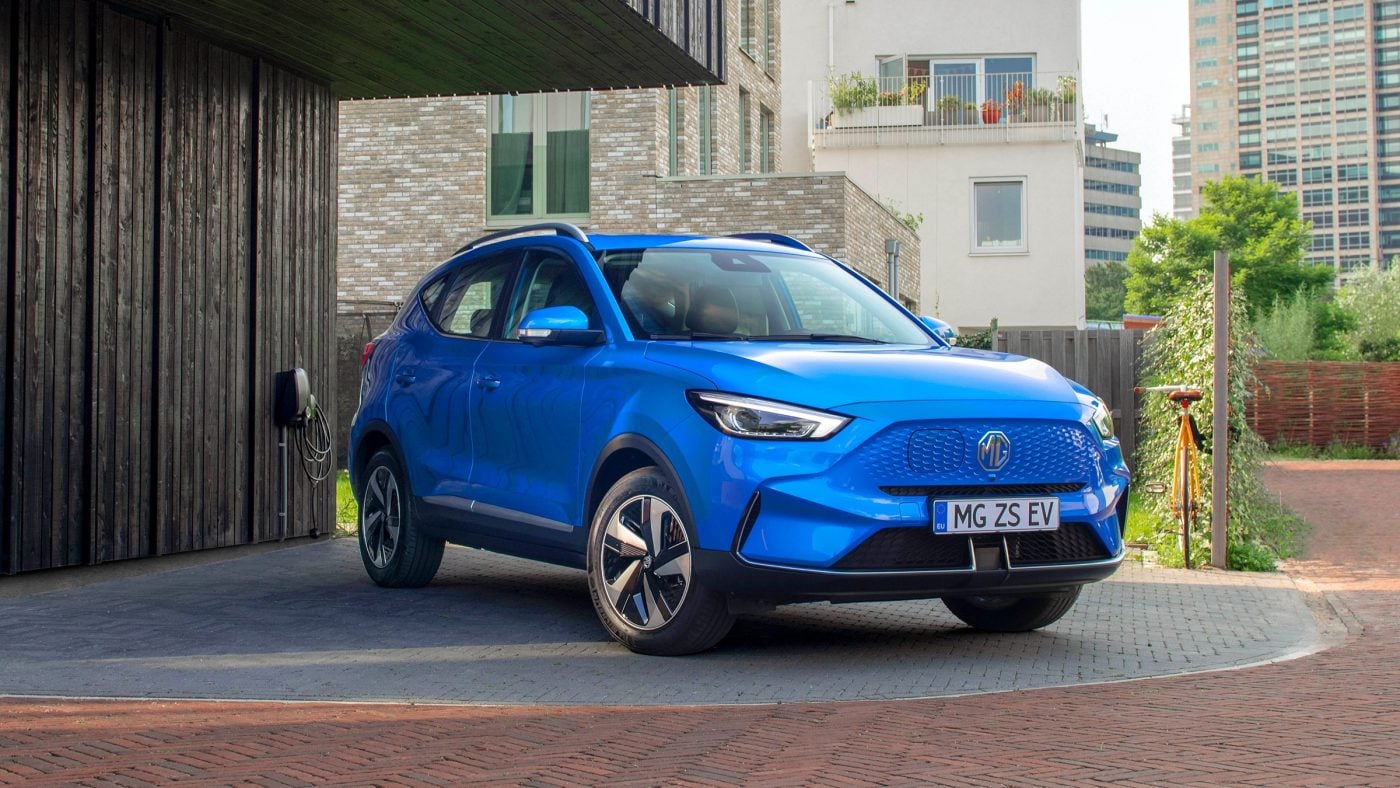
And it’s not happening where you might expect. This isn’t prestige buyers swapping Porsche Cayennes for Polestars. It’s happening at the affordable end. Families and commuters doing the sums on their weekly fuel bill and deciding they’ve had enough. The BYDs, the MGs. That’s where the stampede is.
The numbers back it up
February’s VFACTS data tells a story that would have seemed absurd 12 months ago. EV sales jumped 95.9 per cent year-on-year, claiming 11.8 per cent of the new car market. That’s up from 8.4 per cent in January and nearly double the 5.9 per cent recorded in February 2025.
Carsales reported a 76.7 per cent spike in EV searches after the war broke out. A Primara Research survey found 25 per cent of Australians are now considering buying an EV for the first time, up from just seven per cent before the conflict. Among 25 to 34-year-olds, that figure is 42 per cent.
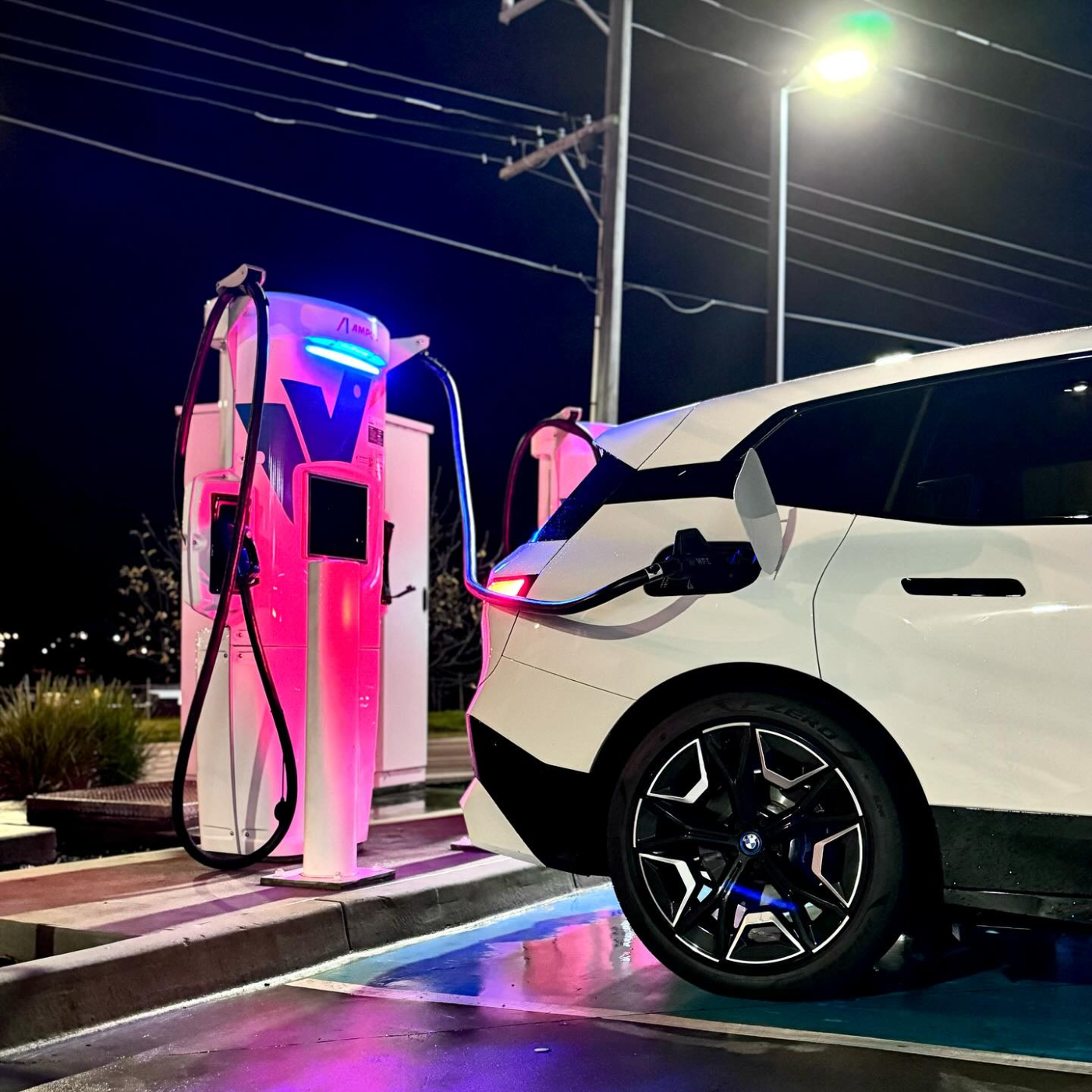
The EV Council’s own research found more than 70 per cent of existing EV owners are saving upwards of 60 per cent on fuel compared to their old petrol cars. At $2.54 a litre for premium, that stops being a brochure stat and starts being a survival strategy.
MG is seeing it first-hand
“Enquiries month on month have jumped to 220 per cent across our EV range, with best-selling models at almost 300 per cent,” said Dimitri Andreatidis, Marketing Director for MG Motor ANZ. “MG is excited to be launching several new EVs over the coming months, specifically designed to meet the evolving needs of a fresh cohort of EV drivers ready to enjoy the real-world savings and lifestyle benefits of moving to electric, especially in the current climate.”
Curated news for men,
delivered to your inbox.
Join the DMARGE newsletter — Be the first to receive the latest news and exclusive stories on style, travel, luxury, cars, and watches. Straight to your inbox.
MG’s Head of Product, Meng Chen, put some numbers to the conversation happening in showrooms.
“Some customers now tell us rough estimates of weekly cost benefits of up to 88 per cent when compared to running similar-size petrol vehicles,” Chen said. “Naturally this depends on your charging set-up and other factors, with highest benefits reflected when approaching the adoption of EV as part of their overall electric ecosystem of solar, home batteries and the like.”
Even if you halve that 88 per cent figure for real-world variables, you’re still talking about a massive weekly saving for anyone doing a regular commute.
Polestar is feeling it too
It’s not only the budget end. Polestar, which posted a 38.5 per cent sales increase in Australia last year, is seeing the uplift across its range.
“Polestar Australia has seen a meaningful increase in enquiries and orders as more Australians seek to benefit from the lower running costs, improved performance, and cheaper, simpler servicing offered by electric vehicles,” said Polestar Australia Managing Director Scott Maynard.
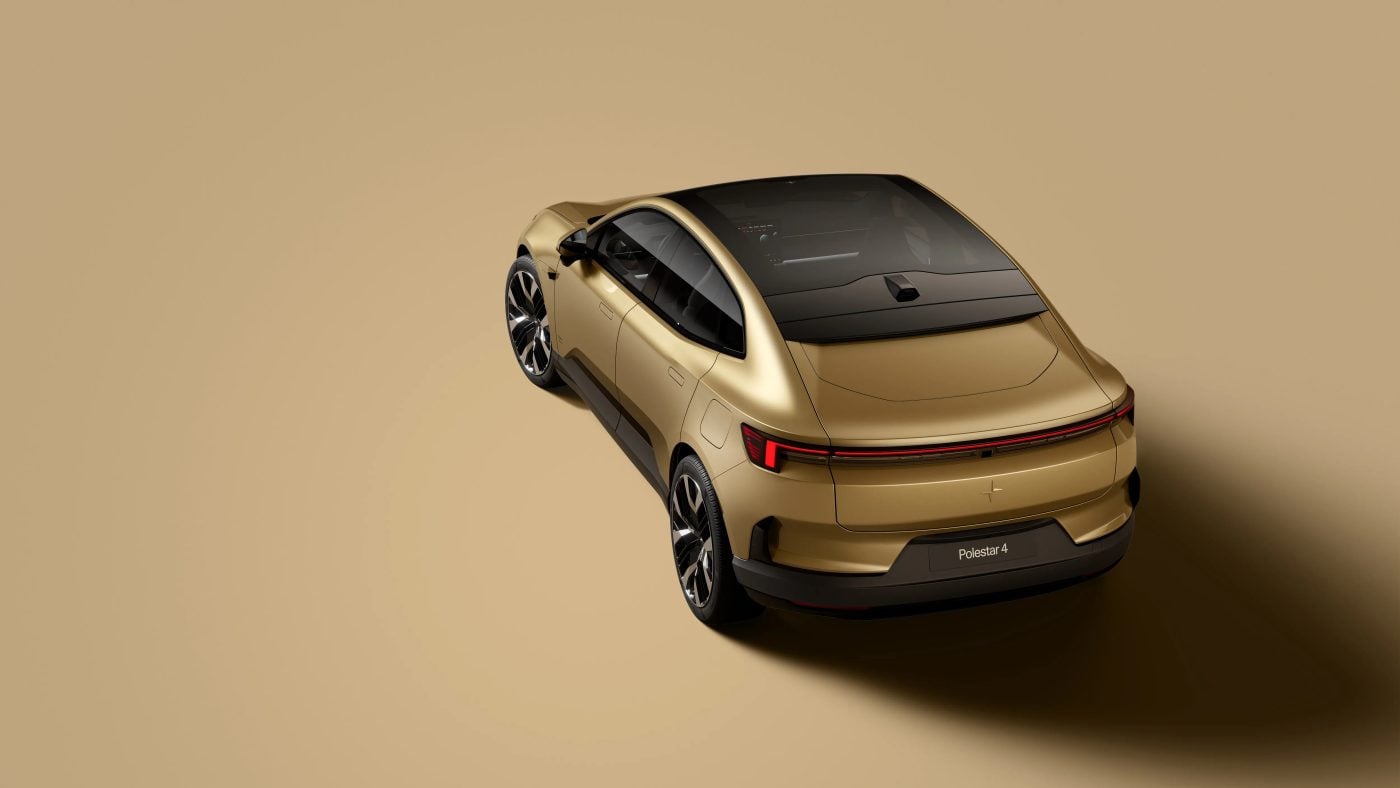
The Polestar 4 starts from $78,500. Firmly premium territory. But with 98 north of $2.50 and diesel pushing past $2.70 in Sydney, the running cost argument lands differently than it did six months ago.
The irony isn’t lost on anyone
For years, the EV transition in Australia has been dragged down by culture war nonsense, range anxiety hand-wringing, and a general reluctance to let go of the internal combustion engine. Governments nudged. Manufacturers incentivised. The Electric Vehicle Council put out report after report.
But it took a war on the other side of the world, and the bowser hitting numbers we haven’t seen since 2022, to actually move the needle.
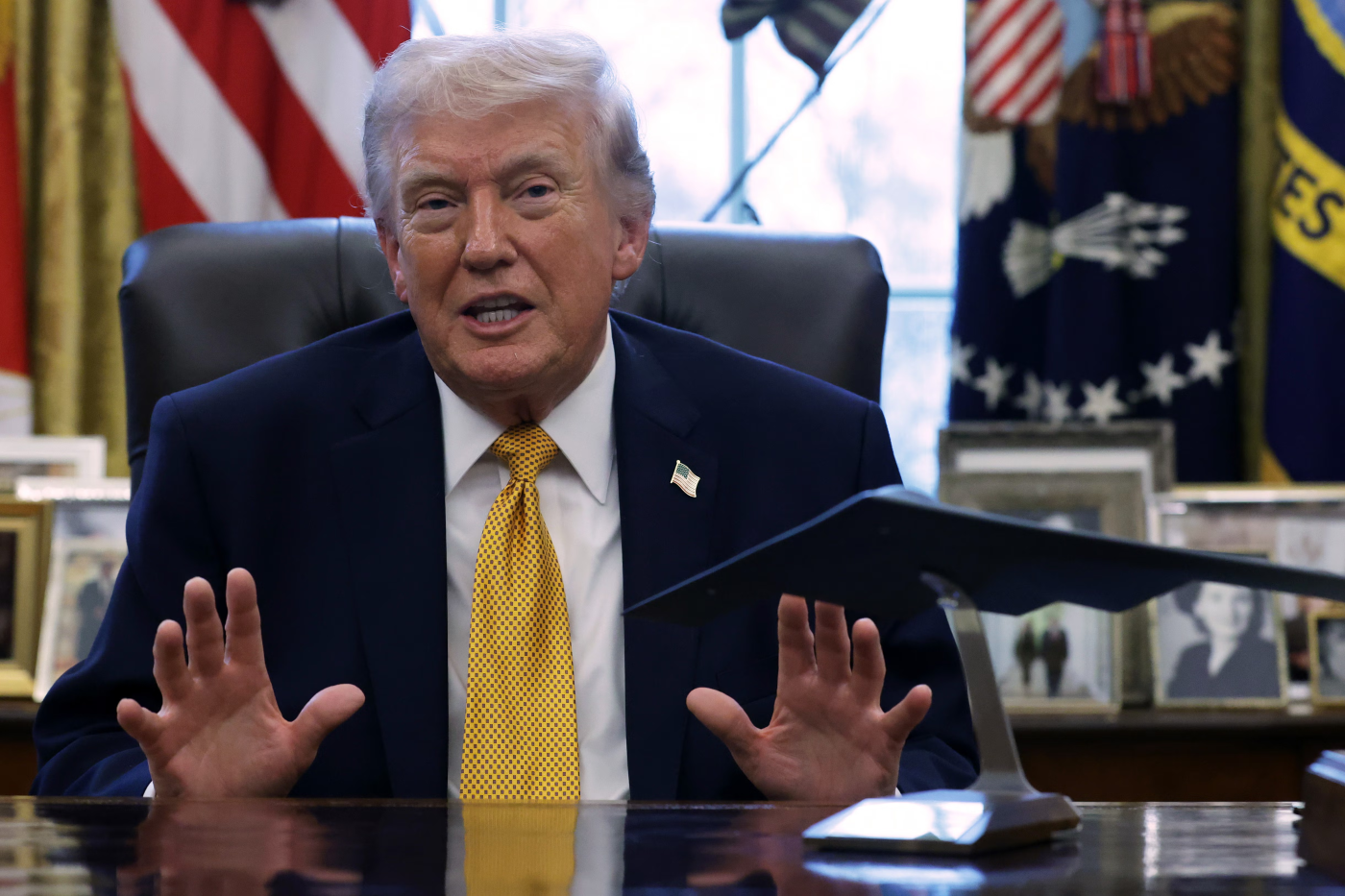
Australia imports roughly 90 per cent of its liquid fuel. Petrol prices have climbed about 50 cents a litre on average since the conflict began, with some regional stations rationing supply and others running dry. The ACCC has been called into emergency mode. The government has started releasing strategic reserves.
And in the middle of all that, people are walking into dealerships and booking test drives in numbers nobody predicted.
DMARGE also reached out to Zeekr for comment, but did not receive a response prior to publication.
The Henry Ford moment
I keep thinking about Henry Ford and the horse. When the car came along, plenty of people swore they’d never give up the reins. The transition happened anyway.
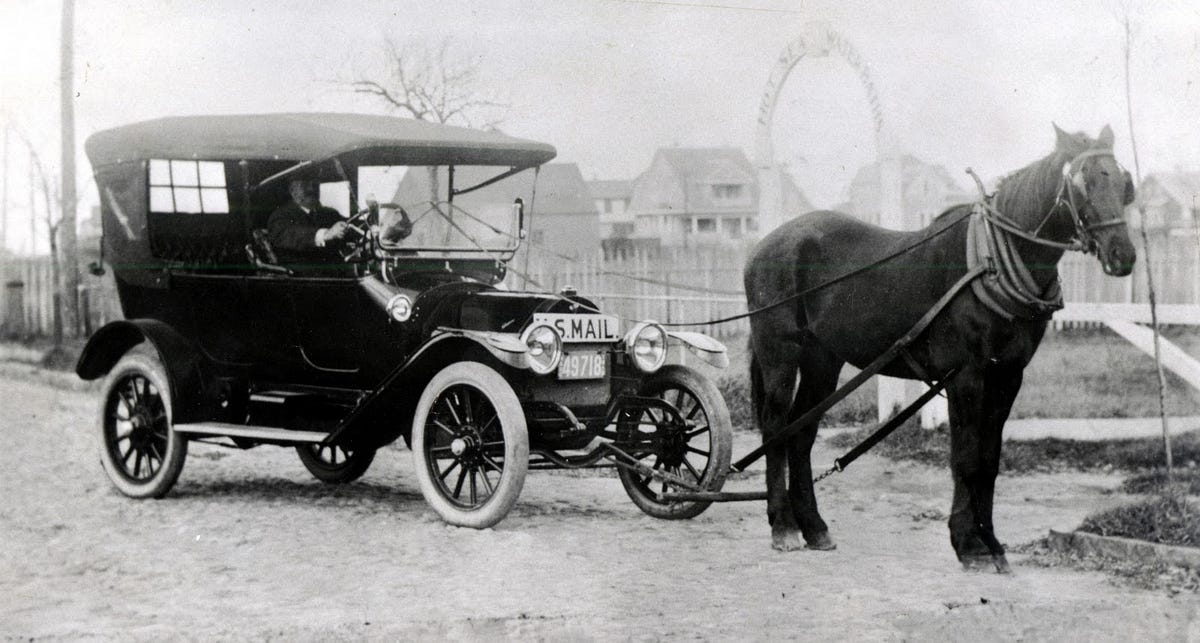
That’s where we are with EVs. Whether I like it or not, whether any of us like it or not, this shift is inevitable. And look, I’ll be honest. I love filling up a tank of petrol. There’s something about it. Plugging in a car of an evening doesn’t carry the same emotion. But it’s easy. It works. And the plug-in hybrid crowd telling themselves they’ve got the best of both worlds? Most people I talk to reckon they’ve actually got the worst of both.
Hand on heart, we’ll get used to it. It’s a bit like a hot bath. Uncomfortable for the first minute, then pretty cosy.

