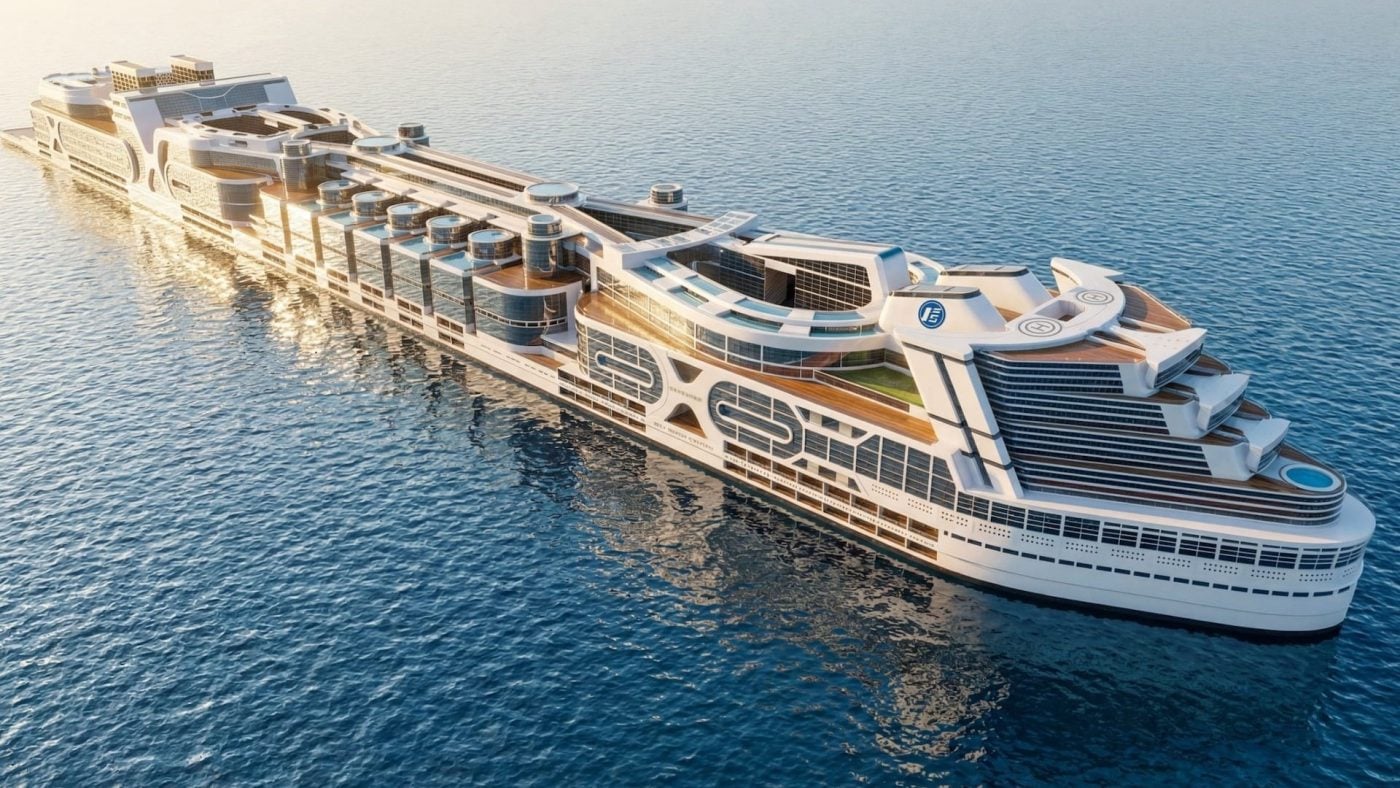
Cruise ships have spent the past two decades getting bigger. The Freedom Ship wants to make them look small.
Royal Caribbean’s Icon of the Seas can carry around 7,600 passengers and has enough restaurants, pools and attractions to make some holiday resorts look undercooked. Yet even that floating giant starts looking surprisingly small when you place it next to the latest plans for the Freedom Ship.
And that’s because the Freedom Ship is not really trying to be a cruise ship at all. It wants to be a city.
The proposed vessel stretches almost a mile long, rises 30 decks above the water and would carry up to 80,000 people. That is roughly the population of a regional Australian city, except this one would spend its life slowly circling the globe.
Curated news for men,
delivered to your inbox.
Join the DMARGE newsletter — Be the first to receive the latest news and exclusive stories on style, travel, luxury, cars, and watches. Straight to your inbox.
RELATED: The Millionaires Ditching Mansions For Life On Luxury Residential Cruise Ships
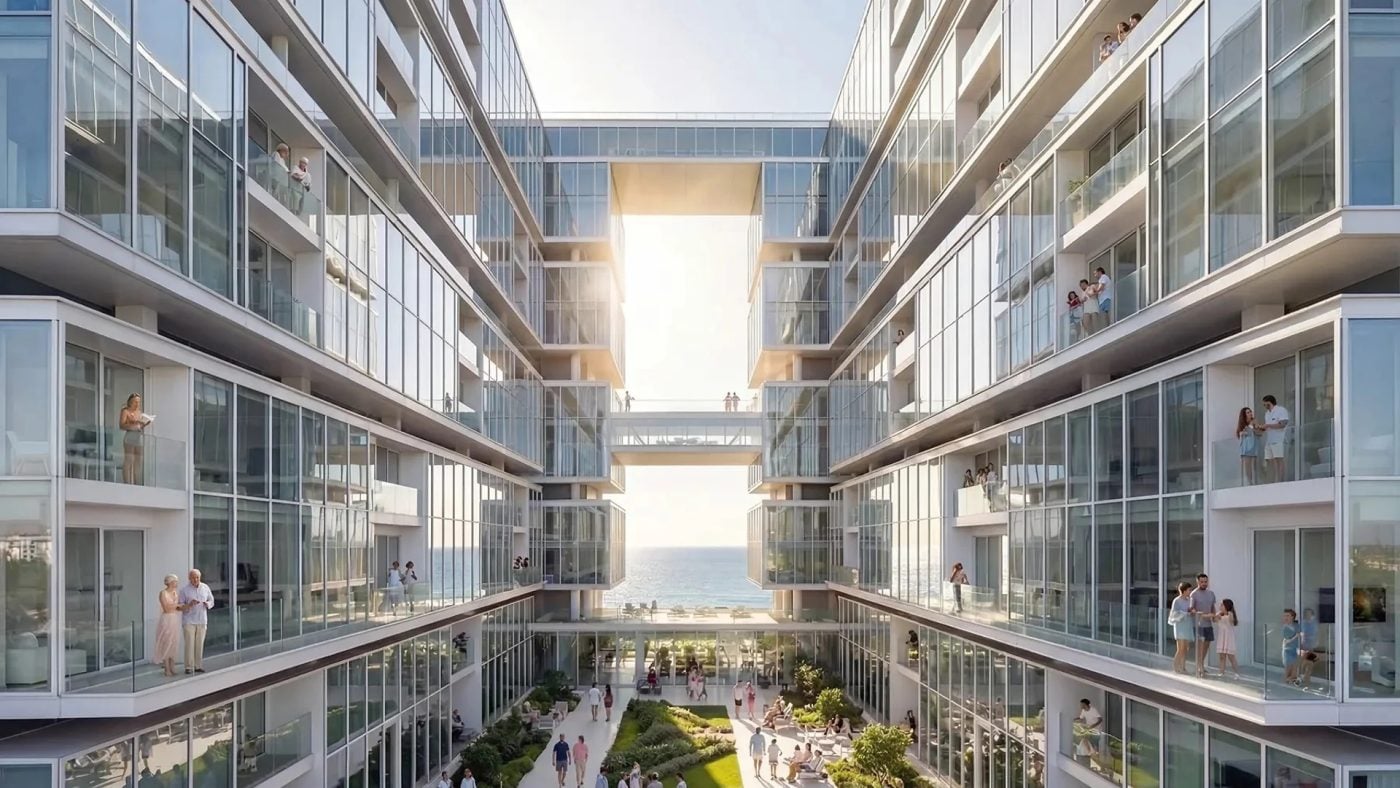
The vision has existed since the 1990s, but the project has resurfaced again with fresh backing, new leadership and renewed confidence that the world’s most ambitious floating community might finally move beyond glossy renderings and impossible-sounding promises.
More City Than Ship
On paper, the numbers are staggering.
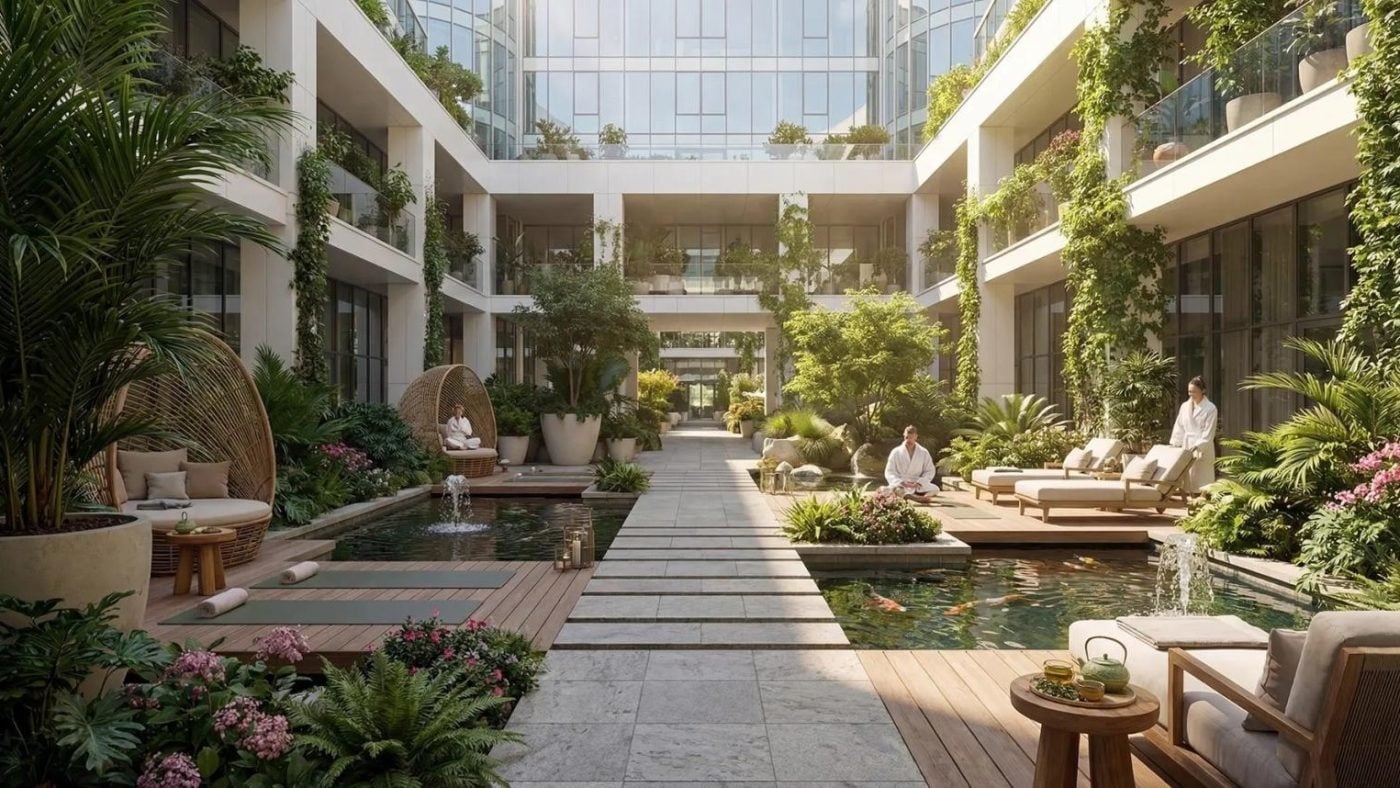
The Freedom Ship would house 50,000 permanent residents, accommodate another 10,000 tourists and visitors, and require around 20,000 crew members to keep everything running. It would feature schools, colleges, banks, retail precincts, hotels, a research hospital, museums, a convention centre, a symphony hall, a casino and a two-storey food hall large enough to make your local shopping centre food court feel quaint.
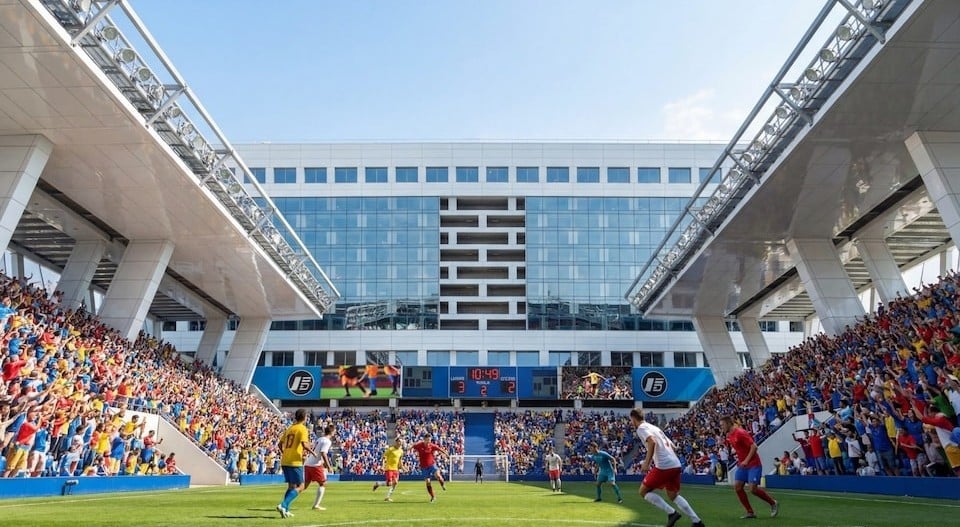
There is even a proposed 15,000-seat sports stadium, water park and an aquarium where residents could go diving without ever leaving the ship.
Arriving visitors would move around via an internal tram system connecting different districts, while ferries and helipads would provide access to the outside world. The ship itself would remain offshore in international waters, too large to dock at conventional ports.
RELATED: Saudi Arabia Unveils Futuristic Spaceship-Style Overwater Villas In Latest Tourism Push
The Hard Part Has Never Been The Design
That all sounds impressive. It also raises the obvious question. If the concept is so compelling, why hasn’t anybody built it already?
The answer is the same reason many floating city projects have struggled for decades. Money.
The Freedom Ship’s estimated construction cost sits around $16 billion (~$22 billion AUD). Financing something larger than any passenger vessel ever attempted is not exactly a task for a few enthusiastic investors and a PowerPoint presentation.
That challenge has defeated countless floating city concepts before it. From seasteading communities in French Polynesia to futuristic ocean developments in South Korea and the Maldives, many projects have generated headlines, architectural renderings and bold promises before running directly into the realities of funding, regulation and construction.
Which is why the most interesting thing about the Freedom Ship is not the water park, the stadium or even the idea of living permanently at sea. It is that people are still trying.
Thirty years after the concept first appeared, somebody still looks at a mile-long floating city carrying 80,000 people around the planet and thinks it is achievable.
Whether that makes them visionaries or optimists depends on who you ask. But if it ever leaves the drawing board, every cruise ship currently sailing the oceans will suddenly start looking very, very small.

