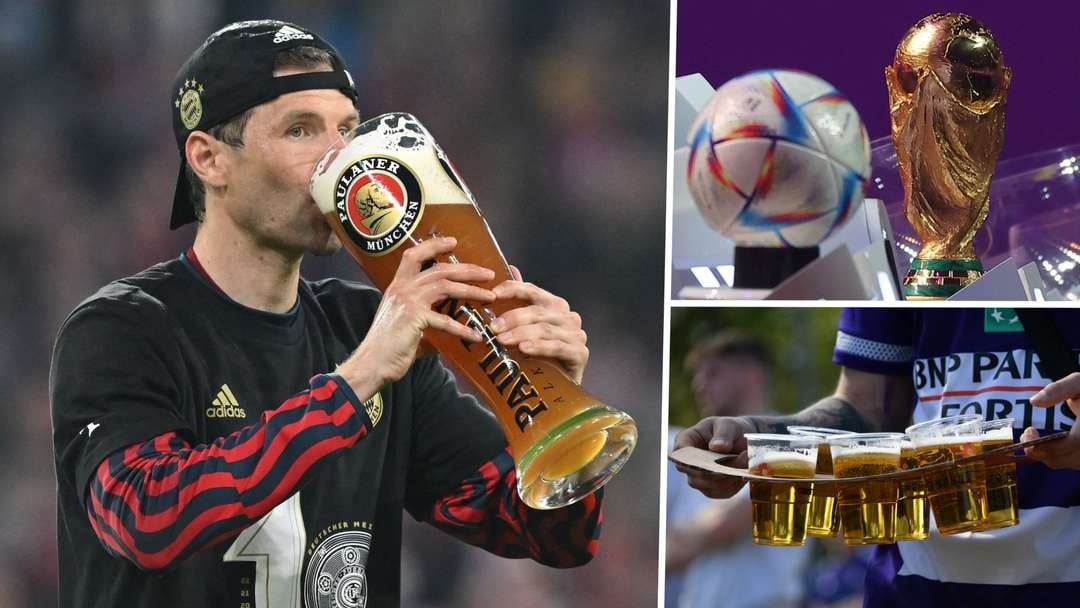
Football has always been good for beer. In 2026, beer may need football even more.
The next World Cup is shaping up as the most beer-friendly tournament the sport has ever staged. It will be bigger, longer and held across the US, Canada and Mexico, three markets where a cold drink and a big screen are already part of the matchday ritual. For brewers, that is about as close as the industry gets to a perfect setup.
Analysts expect fans to drink an extra one billion pints during the tournament, helped by the expanded 48-team format, 104 matches and a schedule that lands many games in prime drinking hours across Europe and the Americas. That is a lot of plastic cups, bar tabs and last-minute fridge runs.
RELATED: The Biggest World Cup Ever Is Becoming FIFA’s Biggest Fan Problem
Curated news for men,
delivered to your inbox.
Join the DMARGE newsletter — Be the first to receive the latest news and exclusive stories on style, travel, luxury, cars, and watches. Straight to your inbox.
Beer Finally Gets Its World Cup Back
The contrast with Qatar could hardly be cleaner. Four years ago, Budweiser had one of the strangest sponsorship headaches in modern sport when stadium beer sales were banned shortly before kickoff. This time, the tournament is landing in markets where beer is not awkwardly hidden from the party.
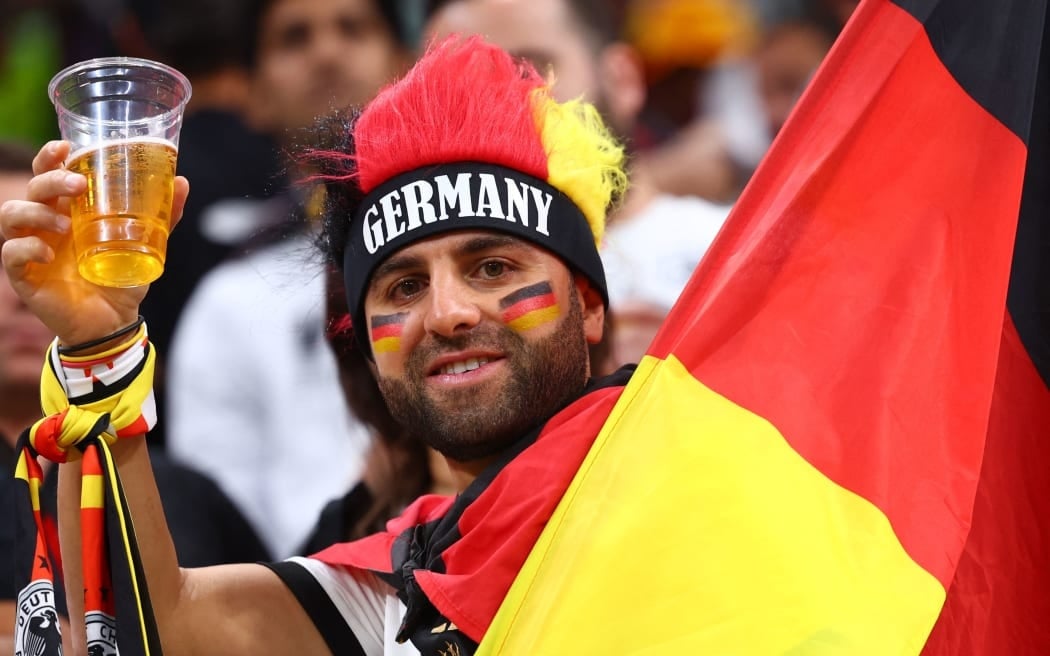
That matters most for AB InBev, which owns Budweiser, Corona and Stella Artois and has spent decades tying itself to the World Cup. It’s 2026 push already includes a global Budweiser campaign fronted by Jürgen Klopp and Erling Haaland, while Michelob Ultra is being positioned heavily for the American market.
The tournament is not just about selling beer inside stadiums either. The real money will be in fan zones, bars, supermarkets, watch parties and millions of people deciding that a Tuesday group-stage match suddenly deserves snacks and drinks.
RELATED: Lionel Messi Turned Down Saudi Money And Still Became Football’s Quiet Billionaire
Big Beer Needs The Party
The timing is doing the industry a favour. Beer companies are dealing with higher costs, weaker demand and a long-term shift in drinking habits as younger consumers move toward moderation, no-alcohol options and more premium choices.
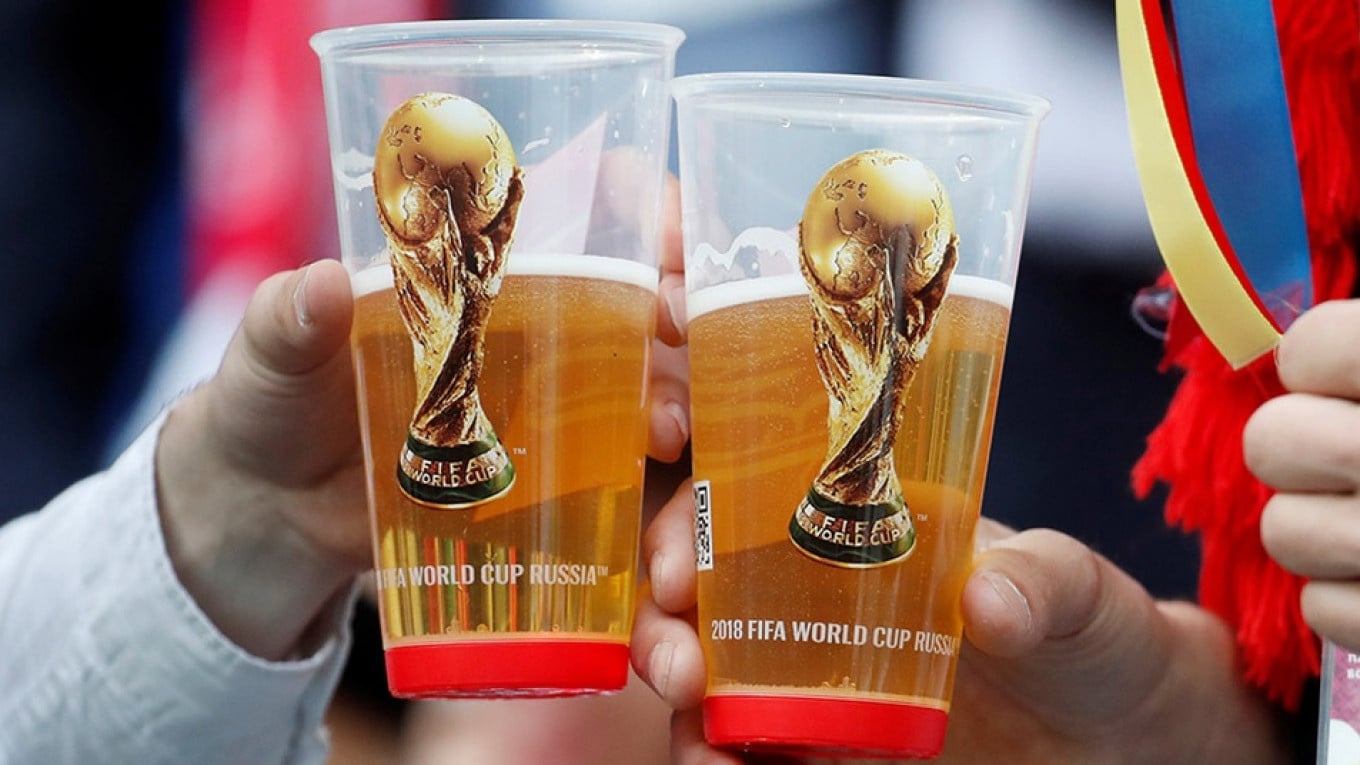
That is why the World Cup bump matters. It gives brewers something they cannot manufacture easily anymore, a global shared occasion where beer still feels like part of the furniture.
There is risk too. Demand depends heavily on which teams survive. If a major football nation goes home early, brewers can be left with too much stock in the wrong place. If an underdog goes deep, the problem flips and the beer can run out where nobody expected it to.
For 39 days, though, Big Beer gets exactly what it wants. More games, more hosts, better timing and fans with a reason to gather.
The World Cup will not fix beer’s long-term problems. But it may make the industry look alive again.

