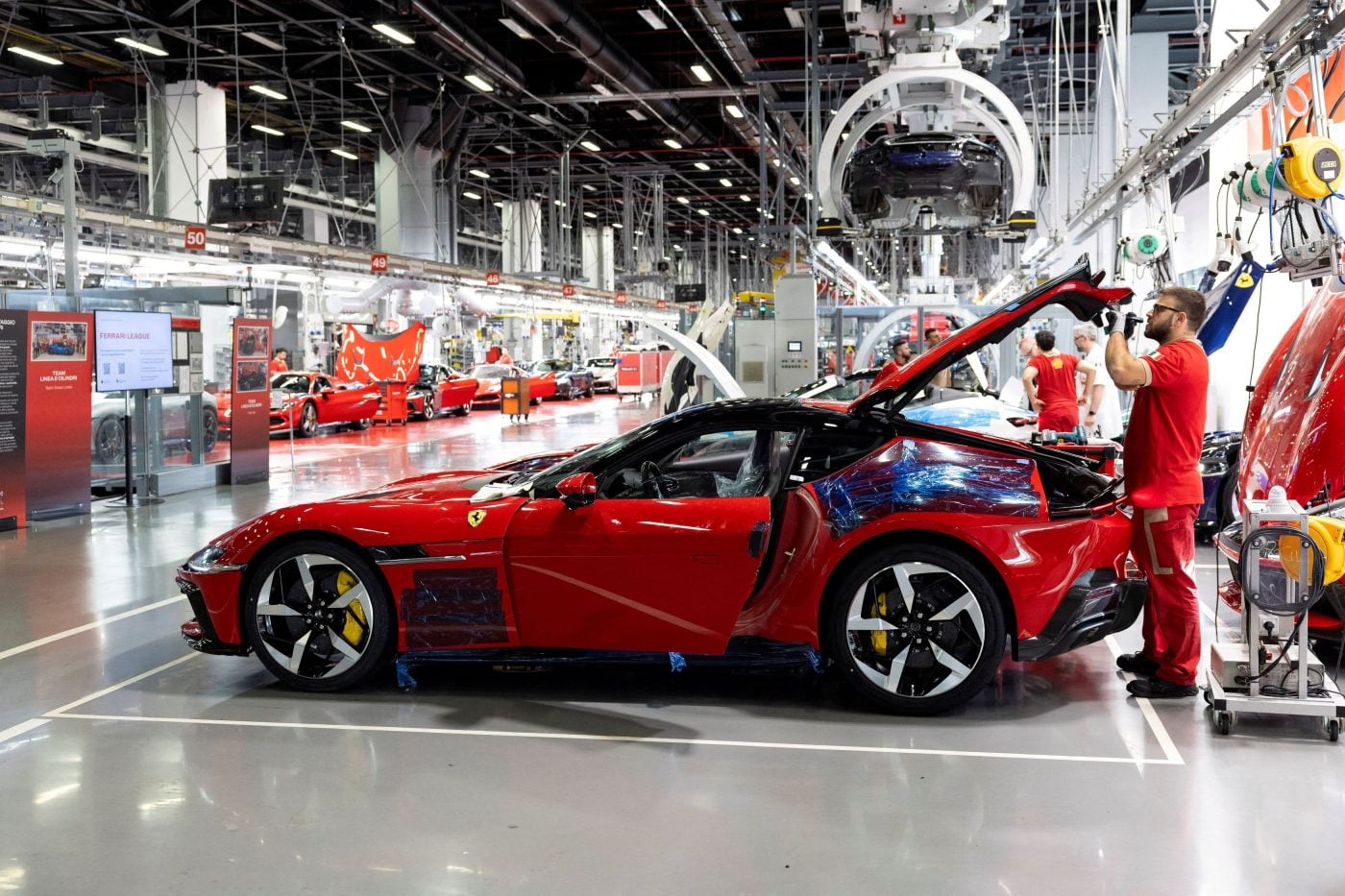
Ferrari has already accepted the unthinkable once. It built an electric car. Now, Maranello is trying to convince everyone that there is still one modern trend it will not follow.
Fully self-driving Ferraris are off the table, at least according to CEO Benedetto Vigna, who says the brand will keep improving driver-assistance systems but will not hand the whole experience over to software.
That sounds obvious until you remember how quickly car companies redraw their own red lines. Ferrari once had leadership insisting an electric model would never happen. The Luce exists today, and the argument around it has been loud enough to remind everyone that Ferrari is not just selling transport. It is selling identity.
RELATED: Ferrari’s Secret Move Teases The Next Generation Of Italian Supercars
Curated news for men,
delivered to your inbox.
Join the DMARGE newsletter — Be the first to receive the latest news and exclusive stories on style, travel, luxury, cars, and watches. Straight to your inbox.
Ferrari Has Picked Its Red Line
Vigna’s position is simple. Ferrari customers should still be the ones driving. The company will continue developing features like adaptive cruise control and lane departure warning, but Level 3 autonomy and anything beyond it are not part of the plan.
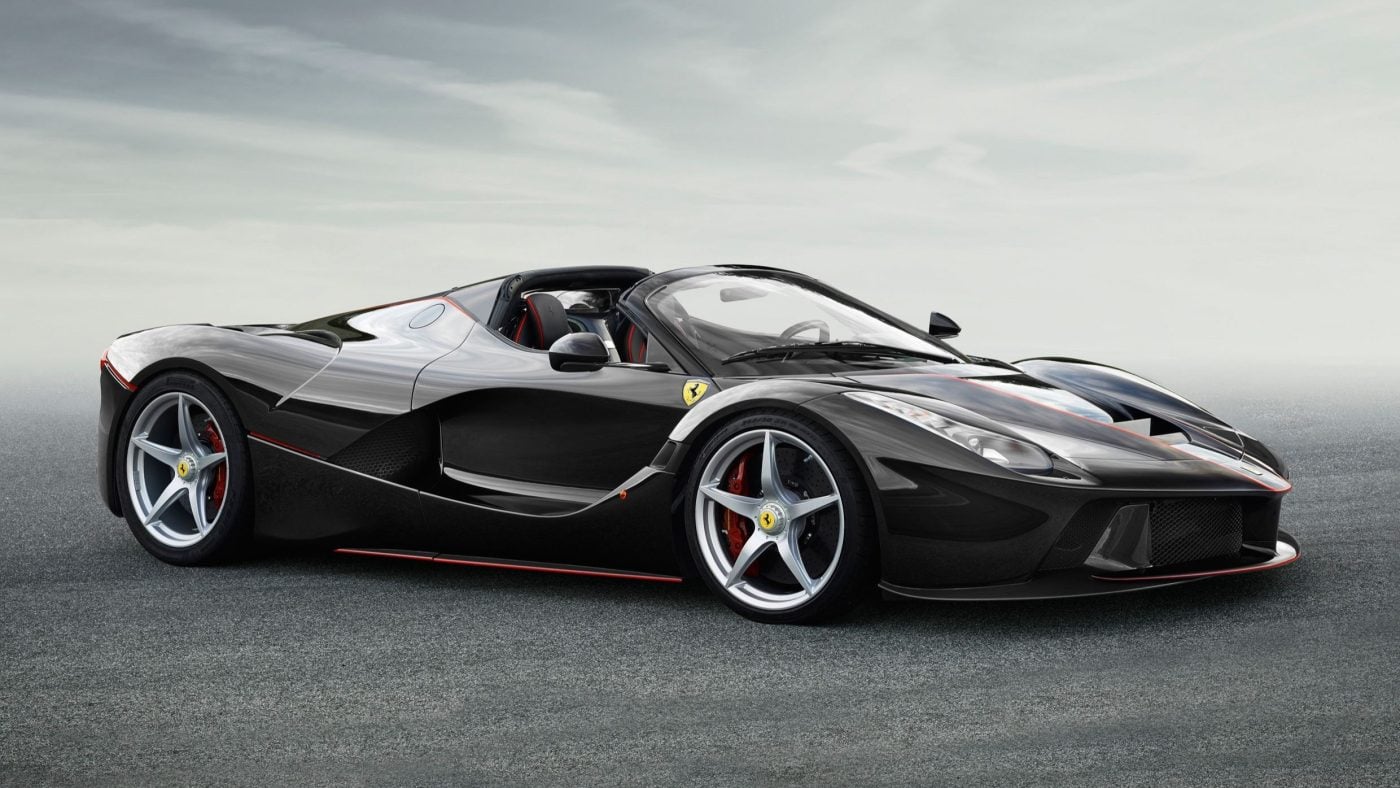
His reasoning is hard to argue with. A self-driving Ferrari answers a question almost nobody asked. Buyers do not spend supercar money because they want to be carried around like airport luggage. They buy the car because the steering wheel, throttle, sound, balance and risk are all part of the theatre.
That is why this promise feels different from the usual anti-tech speech. Ferrari is not rejecting electronics completely. Modern Ferraris are already full of software, hybrid systems, stability controls and clever traction tricks. The line is not between old and new. The line is between assistance and replacement.
RELATED: Ferrari Demand Hits Rolex Levels As Young Money Floods Market
The EV Lesson Makes This More Interesting
The Luce makes the self-driving promise harder to ignore. Ferrari has shown it will change when the market, regulation and customer demand push hard enough. Electric power was once treated like a betrayal. Today, it sits inside a car with more than 1,000 horsepower and a price tag that makes the debate even louder.
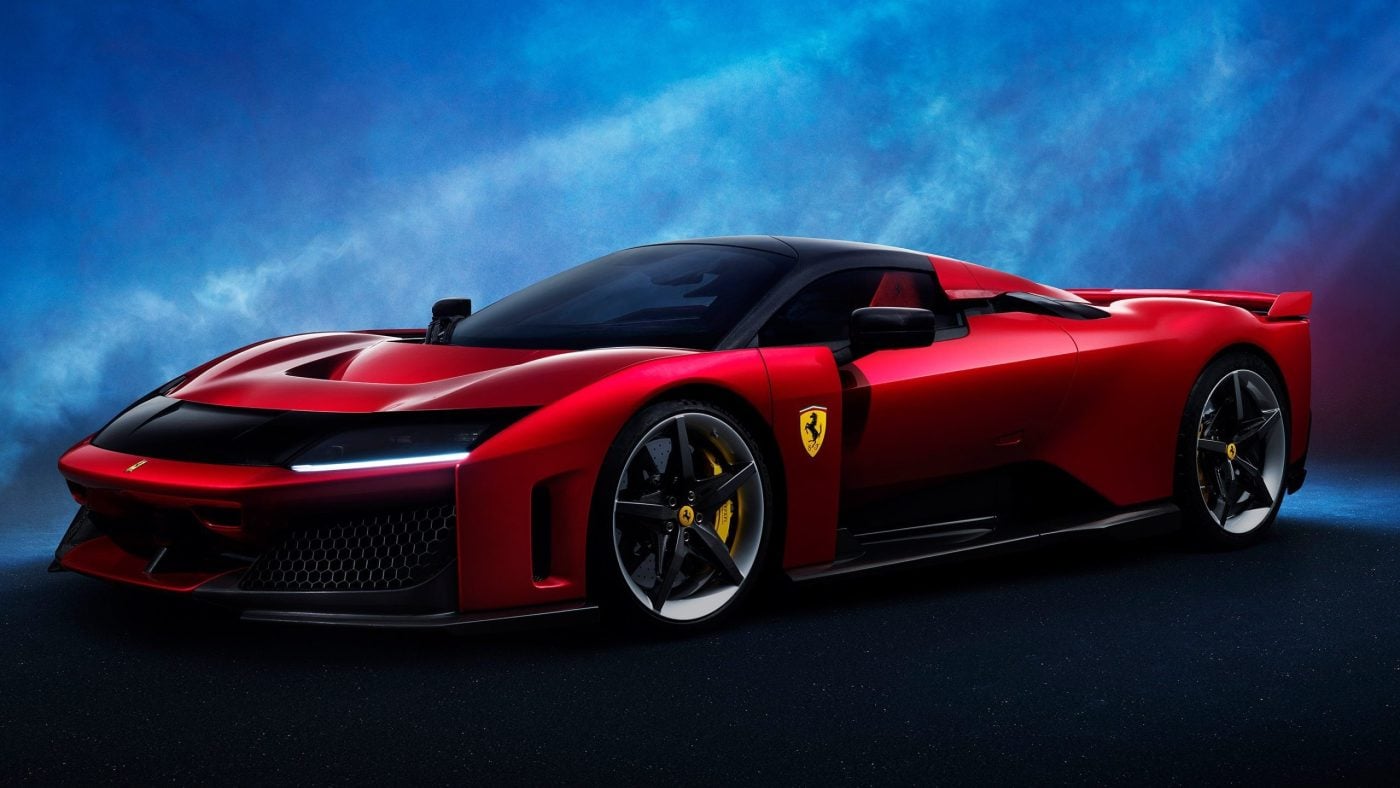
But autonomy touches something deeper than the engine. An EV changes how a Ferrari makes speed. A fully self-driving Ferrari changes why someone buys one in the first place.
That is the real tension. Ferrari can survive hybrids. It may even survive electric silence if the performance and desire are strong enough. But a Ferrari that does all the driving itself starts to feel less like a Ferrari and more like a very expensive contradiction.
Maranello may be willing to rethink the powertrain. But it still knows the human behind the wheel is the part the computer chips cannot replace.

