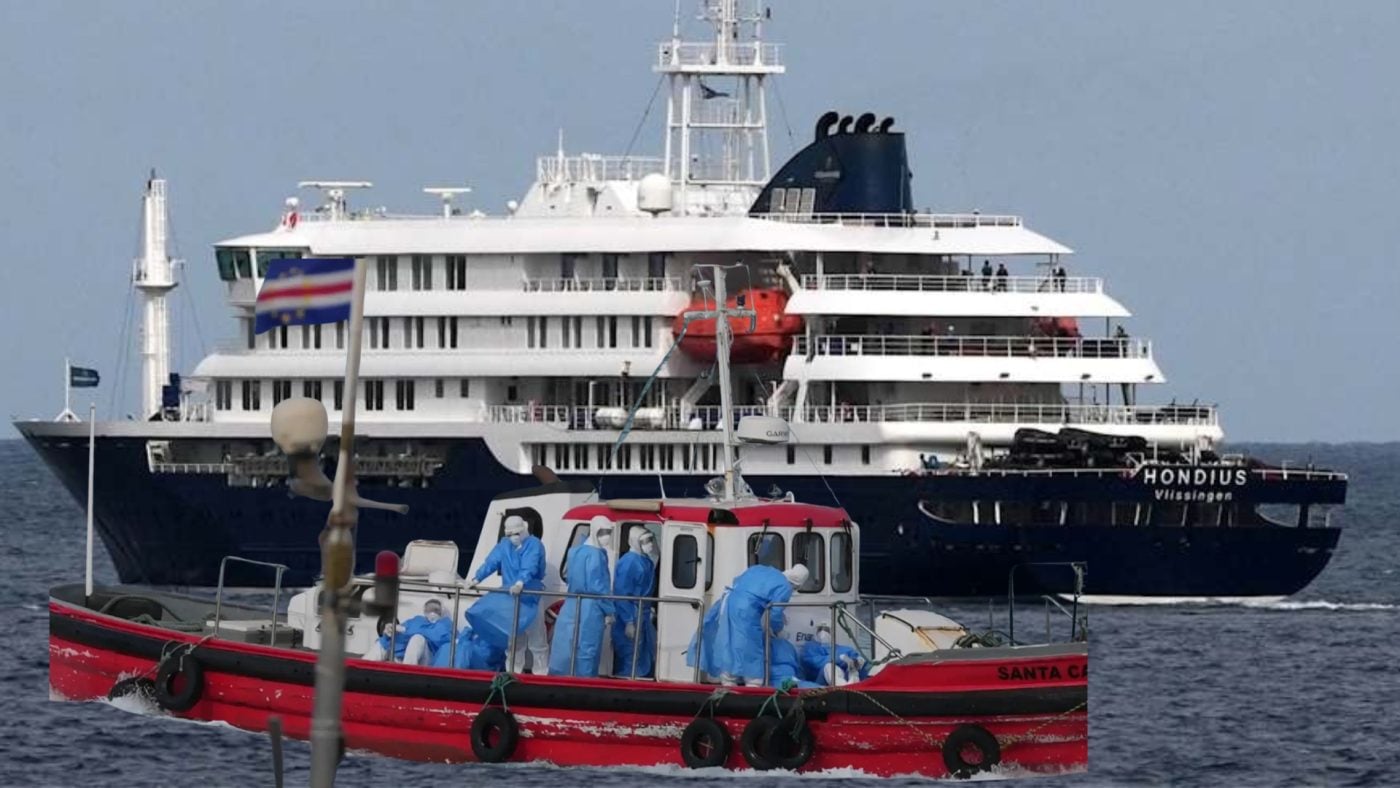
When people board a cruise ship, they expect sunset cocktails, buffet lunches, ocean views and a few easy days where real life feels far away. But the deadly hantavirus outbreak linked to the MV Hondius has dragged the cruise industry into a very different conversation, one about health standards, outbreak planning and how quickly things can go wrong when hundreds of people are packed into one enclosed space.
What Went Wrong On The MV Hondius
The Dutch-flagged expedition ship was sailing from Argentina to the Canary Islands when passengers began falling ill with hantavirus, a disease typically caught from rodent droppings, urine or saliva and one that almost never shows up at sea.
Three people have died. At least eight cases have been recorded. Passengers who disembarked at St Helena scattered across a dozen countries before the alarm was fully raised, with at least one later hospitalised in Switzerland. An Australian passenger is believed to have returned home, though the Department of Foreign Affairs says it is not aware any Australians have been affected.
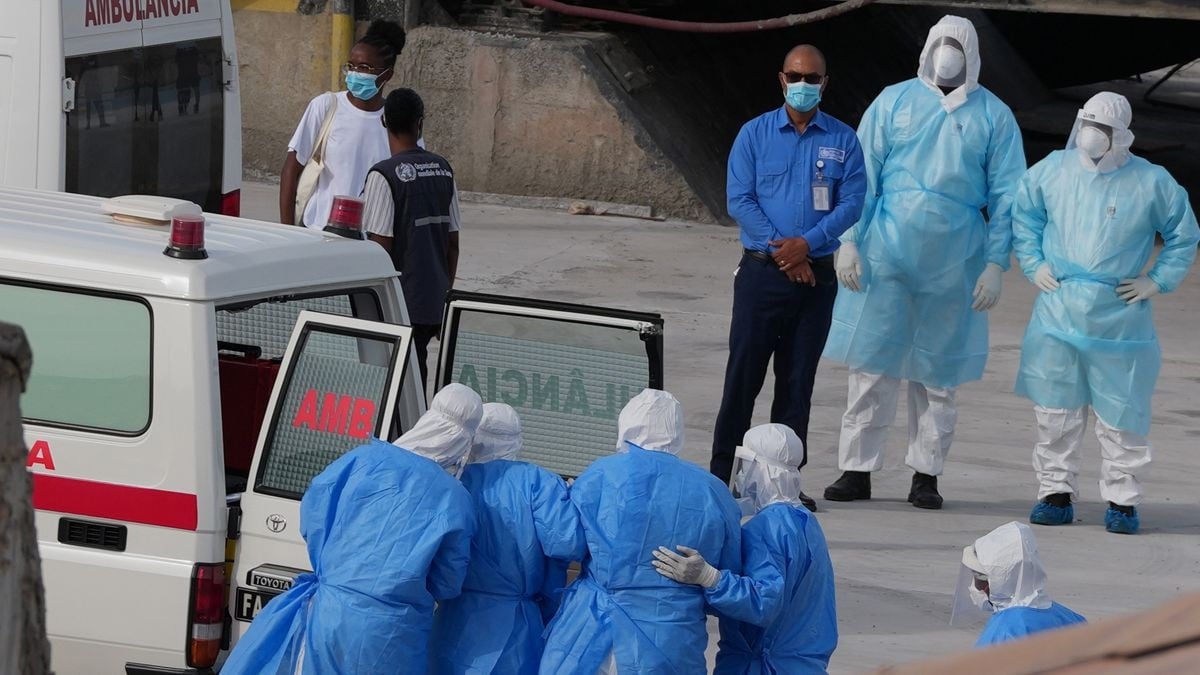
The World Health Organisation has since shipped 2,500 diagnostic kits to five countries and is working to trace the roughly 40 passengers who left the ship before the outbreak was officially reported. The WHO has stressed this is not the start of another Covid-style pandemic, but it has also warned more cases could appear because the virus can have a long incubation period.
Why Outbreaks Spread So Easily At Sea
That is the uncomfortable part for the cruise industry. A cruise ship is not just a boat. It is basically a small temporary city with cabins, restaurants, lifts, theatres, kitchens, water systems and shared indoor spaces. That is great when everyone is healthy. But once an infection gets on board, the same convenience that makes cruises fun can also make illnesses harder to contain.
Curated news for men,
delivered to your inbox.
Join the DMARGE newsletter — Be the first to receive the latest news and exclusive stories on style, travel, luxury, cars, and watches. Straight to your inbox.
This is not a brand-new problem either. Cruise ships have dealt with norovirus outbreaks for years, and the Diamond Princess became one of the clearest early examples of how fast Covid-19 could spread in a closed travel environment.
The MV Hondius case is different, but the lesson feels familiar. When people live, eat and move together in close quarters, hygiene is not a background detail. It is the whole safety system.
What Cruise Lines Need To Prove Now
Cruise companies now have to show they are taking that seriously. More frequent cleaning, better ventilation, tighter food handling, stronger medical response plans and proper isolation areas can no longer feel optional. Passengers also have a role to play by reporting symptoms early instead of trying to push through a holiday while feeling unwell.
The risk to the wider public may still be low, and experts are right to avoid panic. But the cruise industry has a trust problem to manage. People do not just want cheap deals and pretty itineraries anymore.
They want to know that if something goes wrong at sea, the ship is ready before the outbreak becomes the headline.

