Three years ago, more than 400 Singaporean police officers moved on a single criminal network in one coordinated sweep. They came away with cash, cryptocurrency, gold bars, sports cars, wine, property and enough designer goods to stock a department store.
The final tally topped S$3 billion, or roughly $2.4 billion in US terms.
Ever since, the awkward question has been what to actually do with all of it. The answer now sits in a windowless concrete room inside Singapore Freeport, the high-security storage facility out near the airport, where collectors are being invited in to browse the haul before it goes under the hammer.
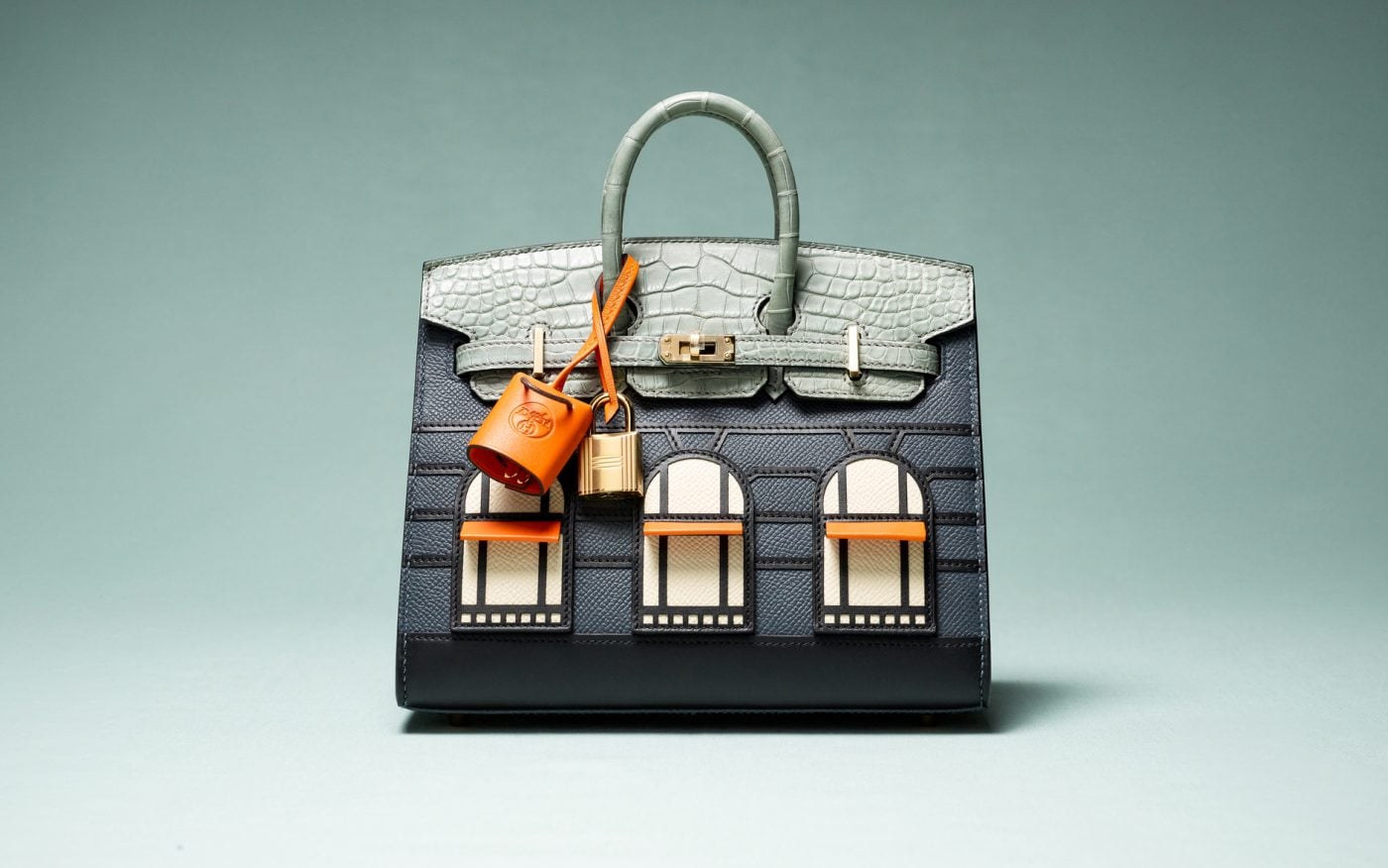
Cartier rings sit alongside Bulgari necklaces and Hermès Kelly bracelets, with rows of Chanel and Louis Vuitton behind them, all of it now the property of the state.
Curated news for men,
delivered to your inbox.
Join the DMARGE newsletter — Be the first to receive the latest news and exclusive stories on style, travel, luxury, cars, and watches. Straight to your inbox.
Singapore auction house Hotlotz has the job of turning it back into money for the treasury. There is so much of it that the sales have been split across 15 separate auctions running between now and next May, paced so the resale market does not get flooded.
That is nine months of selling, and it still might not be enough.
Ten Chinese nationals were convicted on charges including money laundering and forgery, jailed for between 13 and 17 months, then released and deported. Another 17 suspects remain overseas, and 15 of them handed over their assets in exchange for Interpol notices being withdrawn.
Which is to say a lot of very good handbags were surrendered by people who have no plans to come back.
The first two sales are live online now and are expected to raise up to S$3.9 million between them, covering 338 handbags and accessories plus 286 pieces of fine jewellery. The top lot is a 15.02-carat fancy yellow diamond ring estimated at up to S$300,000, although a Yayoi Kusama pumpkin bag from the Louis Vuitton collaboration has already sailed past its estimate at S$39,000.
Most of it looks like anything else on the secondary market. A few pieces still carry fingerprints of where they came from, including an 18-karat gold ring engraved with the initials SHJ, which happen to match those of Su Haijin, one of the convicted men.
Police also seized several hundred Bearbricks.
The part worth circling is still ahead of us. Two dedicated Hermès auctions covering roughly 250 bags begin in November, followed by a watch sale stacked with Patek Philippe, Richard Mille and Rolex. Given what the Rainbow Daytona did when it reset the Australian auction record in July, that catalogue will be watched very closely.
Everything is being sold online, so bidding from Sydney is no harder than bidding from the Freeport itself.
Estimates start at S$120 for a Miu Miu ring or a Gucci hair clip, which puts a piece of the biggest laundering case in Singapore’s history within reach of almost anyone with a spare afternoon and a bidder account. As Hotlotz co-founder Christopher Lanigan-O’Keeffe told CNN, “the most expensive things aren’t always the most interesting”.

