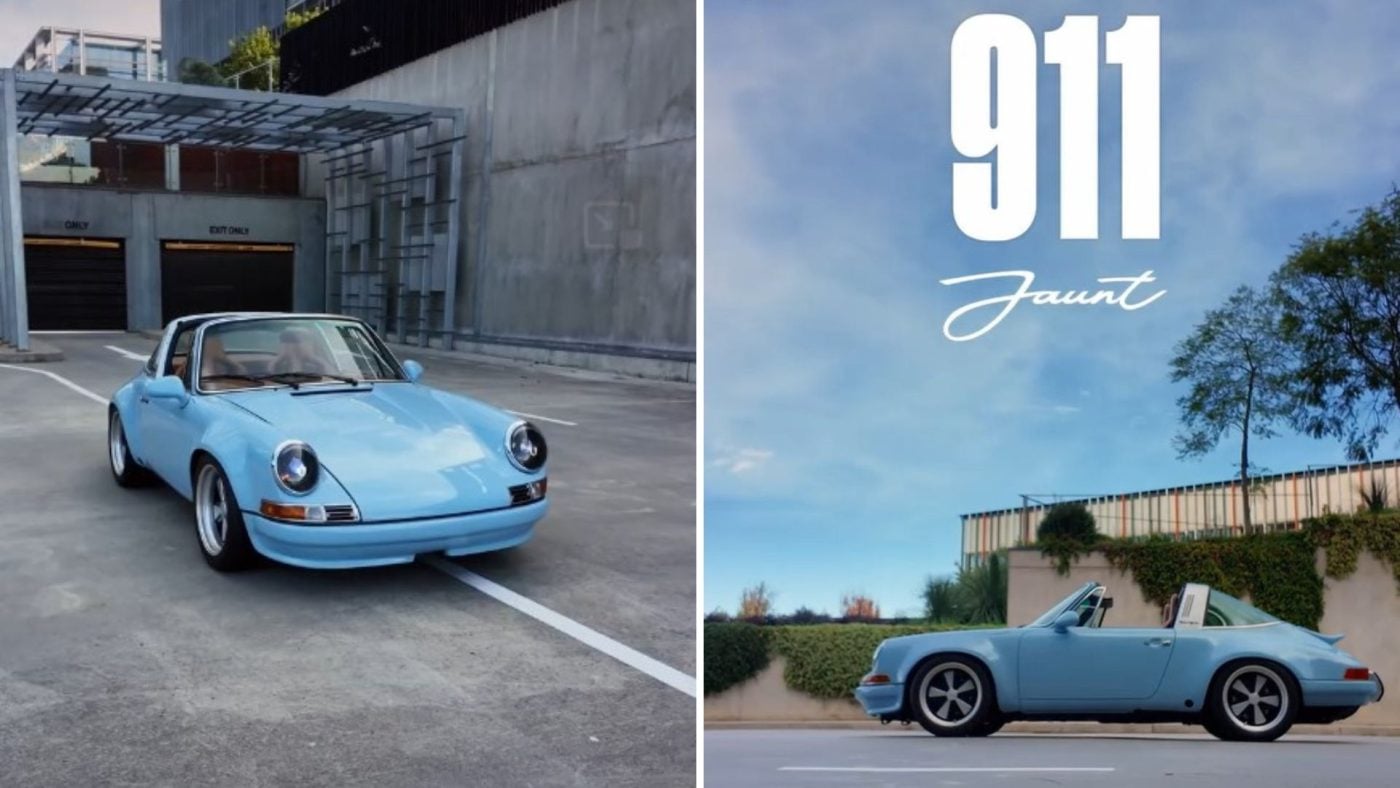
A 1975 Porsche 911 is supposed to make a certain kind of noise.
Not just any noise. That thin, mechanical, air-cooled sound that makes old 911 people stop talking for a second and start thinking about steering feel, throttle response and the glory days of Stuttgart.
This one does not do that anymore. In an Instagram post, a classic Porsche 911 has been converted into a fully electric restomod, taking it from around 150hp in period to roughly 500hp today.
The builder already knows where the argument will start. Nobody will complain about the power. The silence is where things get complicated.
Curated news for men,
delivered to your inbox.
Join the DMARGE newsletter — Be the first to receive the latest news and exclusive stories on style, travel, luxury, cars, and watches. Straight to your inbox.
To Porsche devotees, that will sound like sacrilege. To others, it is a fascinating way to keep an old 911 alive.
RELATED: Man US$282,000 For A ‘New’ Porsche GT3 That Had Been Pulled Apart By Trainee Mechanics
A Classic Shape With Modern Punch
The car keeps the look people want.
It still has the familiar 1970s 911 profile, the Targa body, the simple cabin shape and a slightly wider stance that gives it more presence without turning it into a cartoon. The body has been fully restored, converted from left-hand drive and given enough custom work to fit fatter tyres and more serious hardware underneath.
The old petrol engine is gone. In its place is a 62kWh battery pack split between the front and rear of the car. That helps with weight balance, which matters in a 911 because so much of the car’s character has always come from where the weight sits.
The electric motor sits between the rear wheels, which the builder says keeps the driving dynamics very close to the original 911.
Close, of course, does not mean identical.
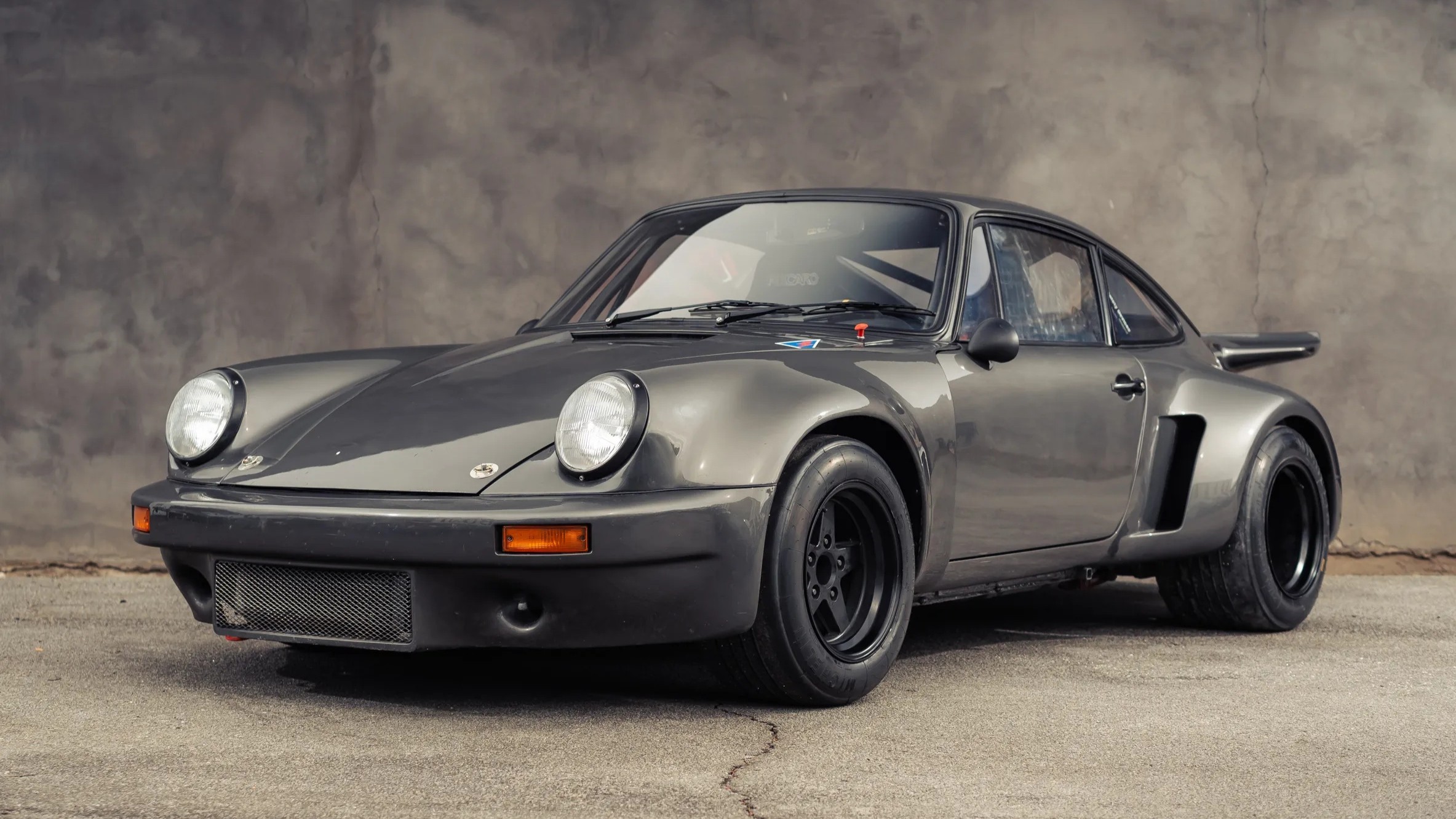
A 500hp electric 911 with instant torque is going to feel very different from a 150hp air-cooled classic. The former engine bay is now more of a battery bay, and the car uses a simple drive selector with reverse, neutral and drive.
There are only two pedals too, which will probably upset some purists before they even notice the missing engine noise.
RELATED: The Porsche 911 Buying Guide: New, Classics & Vintage Models
The Quiet Part Is The Problem
Inside, the conversion does not pretend nothing has changed.
The cabin gets new gauges for battery level and power delivery, plus an EV-themed interior from Carbone in Poland with a small laser-engraved lightning bolt. It is a neat wink to the conversion rather than a full sci-fi makeover.
Charging has also been tucked neatly into the old car’s shape. The home charging port sits where the fuel filler used to be, while the DC fast-charge plug is hidden at the rear.
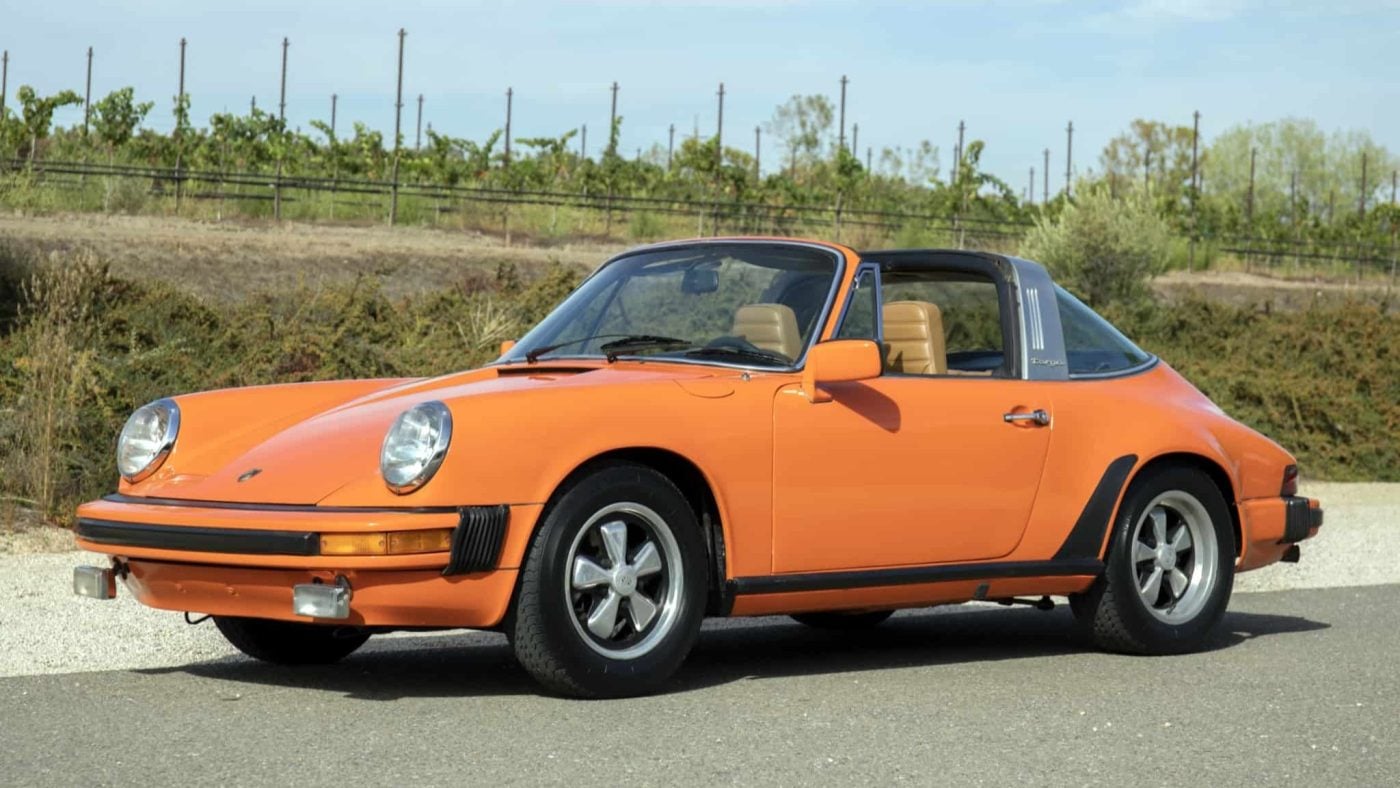
The builder says the car can go from 20 to 80 percent charge in about 30 minutes, which means this conversion has been built to be used, not only looked at.
By the end, the pitch is simple. It is a classic 1970s Porsche that is faster than most new ones, and you can charge it up on sunshine.
That is exactly why the car will split people.
One side will see a classic 911 robbed of its soul. The other will see a restored Porsche with huge power, usable charging and a second life in a world moving away from petrol.
Neither side is completely wrong. A silent 500hp Porsche 911 sounds like a contradiction. The contradiction is the whole appeal.

