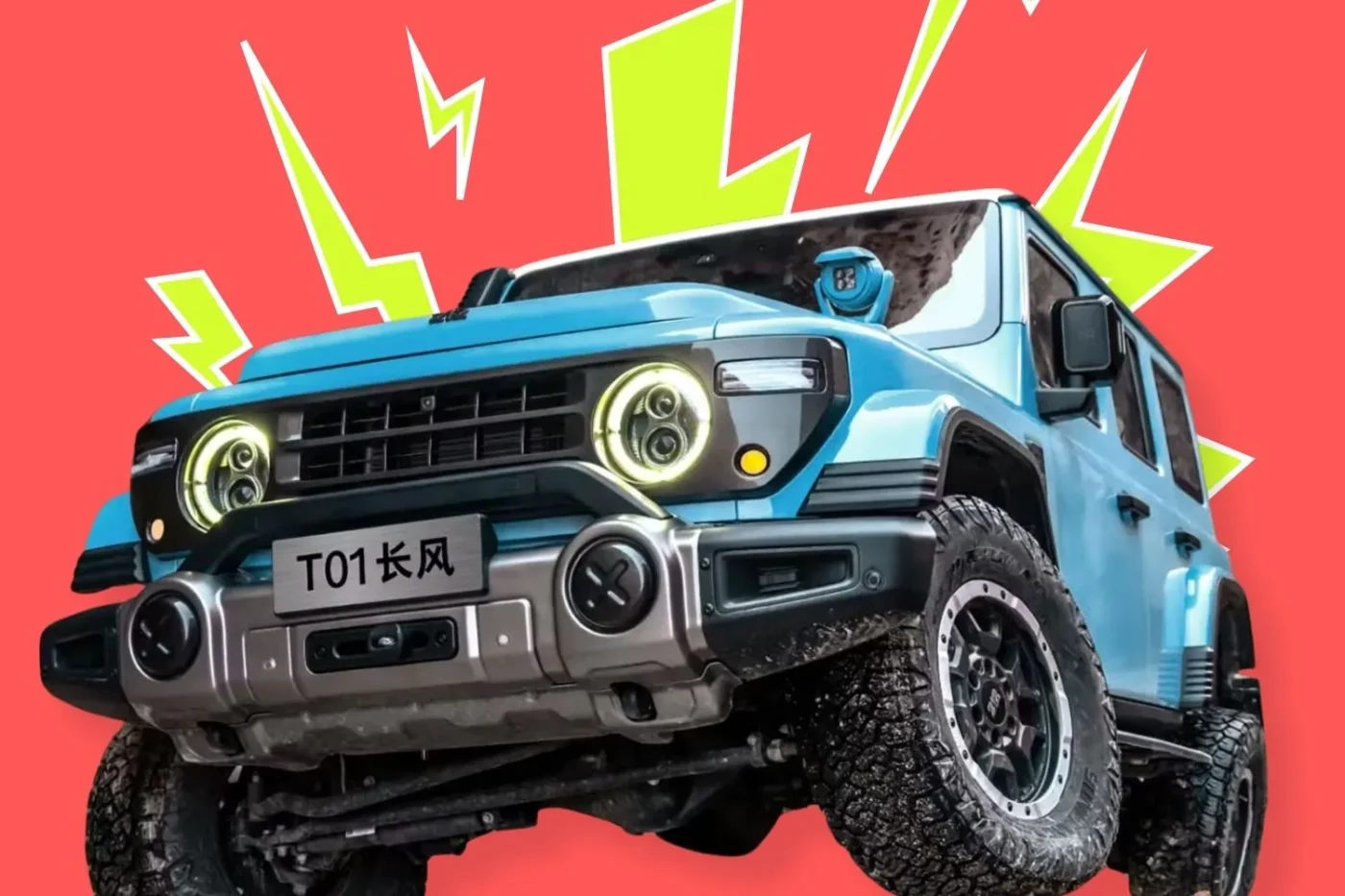
This country’s love affair with rugged 4x4s is legendary. From the red dust of the Kimberley to the rutted tracks of the Victorian High Country, a capable off-roader isn’t a luxury here. It’s our way of life. But now, there’s a wave of Chinese manufacturers wanting in on the action.
With more than 20 Chinese automotive brands already operating in the Australian market and newcomers like BAW eyeing a local launch of their military-pedigree 212 off-roader, the question isn’t whether China is coming for Australia’s 4×4 heartland. It’s whether there’s enough room on the track for all of them.
The Roll Call of Chinese Trucks
The sheer volume of hardware heading our way is staggering.
Curated news for men,
delivered to your inbox.
Join the DMARGE newsletter — Be the first to receive the latest news and exclusive stories on style, travel, luxury, cars, and watches. Straight to your inbox.
GWM is leading the charge across multiple fronts. Its Tank sub-brand has arguably made the biggest splash, with the Tank 300 building a genuine cult following among Aussie buyers who want our much-loved Wrangler vibes without Wrangler dollars.
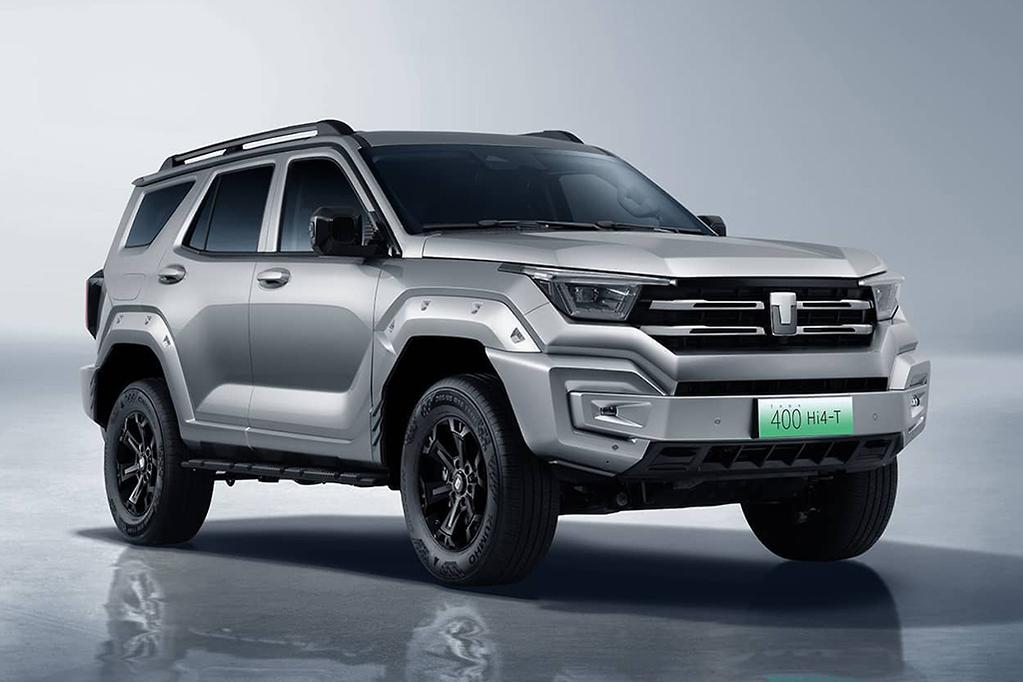
The Tank 400 and Tank 700 step things up considerably with low-range transfer cases, diff locks, and Hi4T hybrid powertrains that promise torque and fuel economy in one package.
Meanwhile, sibling brand Haval continues to push the H9 and H5, both body-on-frame machines with serious ground clearance and wading depth that quietly compete with vehicles twice their price. GWM clearly understands that in Australia, the 4×4 market isn’t a niche. It’s a lifestyle category.
BYD is the one to watch. Already dominant in the EV space globally, it’s now muscling into rugged territory from multiple angles.
The Leopard 7 is a best-seller in China’s off-road SUV segment and would turn heads on Australian trails. The Yangwang U8 is a tech-laden luxury beast with tank-turn capability that makes the G-Wagen look almost restrained. Sub-brand Fangchengbao has the Bao 5 carving out its own niche as a capable mid-range off-roader.
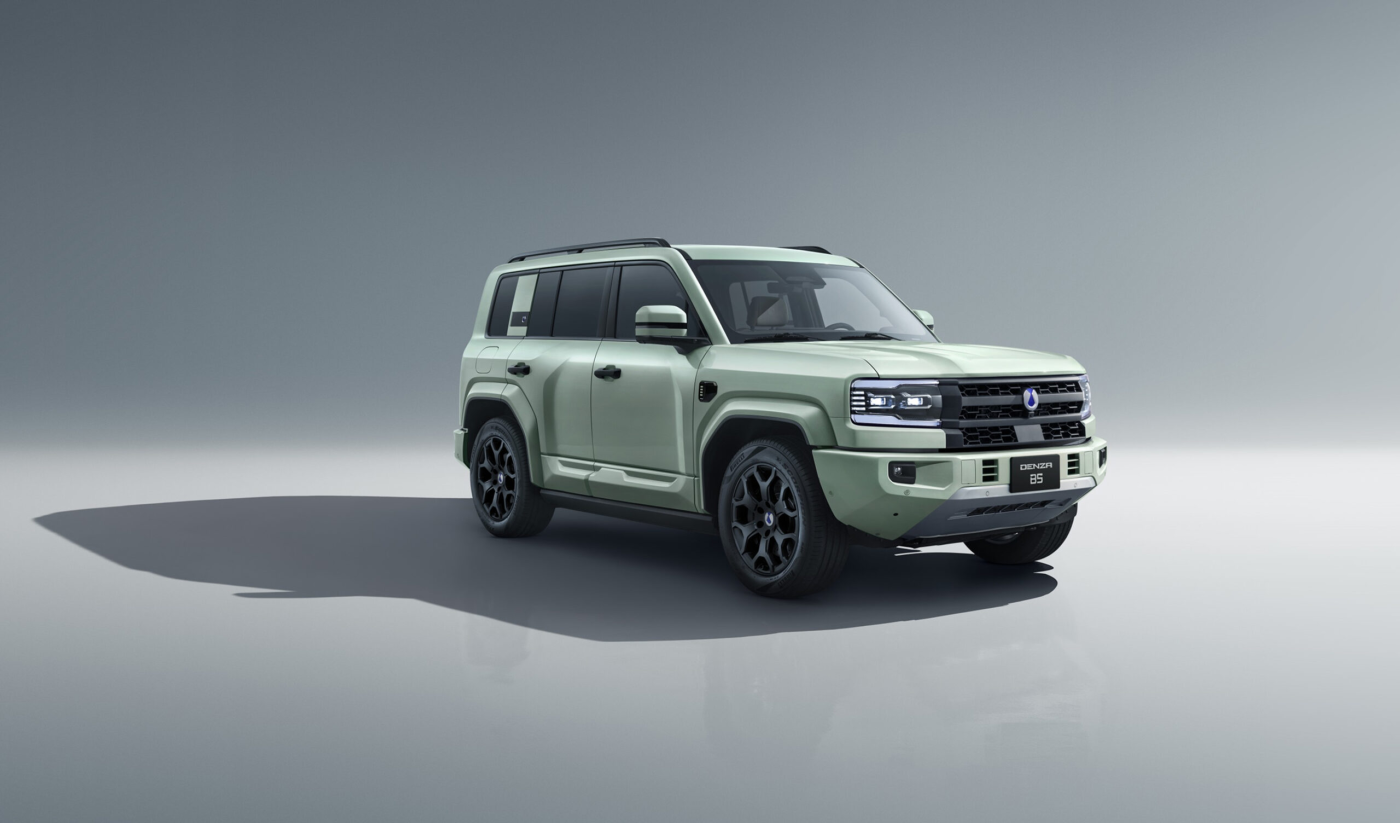
And premium arm Denza is circling with luxe electric SUVs that could put genuine pressure on the European establishment. BYD’s strategy of attacking the market at every price point simultaneously is ambitious. Whether it’s reckless or brilliant will play out over the next few years.
Then there’s Chery with the Tiggo 8 Pro offering genuine 4WD capability and a surprising amount of kit for the money, and Geely leveraging its Volvo platforms to give the Monjaro a premium polish that belies its Chinese origins.
These aren’t just cheap alternatives anymore. They’re legitimate contenders with engineering pedigree borrowed, bought, or built from the ground up.
And then there’s BAW. Spotted on a flatbed outside Sydney, reportedly sniffing around a right-hand drive version of its boxy, ladder-frame 212. The spec sheet reads like a throwback in the best possible way. Ladder frame. Five-link solid axles. Part-time 4×4. A 125kW diesel making 415Nm through an eight-speed auto.
This is a vehicle whose previous incarnation was expressly built for the Chinese military. Think cut-price LandCruiser 70 Series with a side of Suzuki Jimny attitude and a backstory that would make most marketing departments salivate.
How Many Is Too Many?
Here’s the blunt truth. The Australian 4×4 market is not infinite.
There are only so many buyers, and most of them already have strong brand loyalty baked into their DNA. Toyota has owned this space for decades. The LandCruiser and Prado aren’t just vehicles here. They’re institutions.
The Land Rover Defender has clawed back serious credibility since its relaunch, winning over a new generation who want capability wrapped in modern tech and premium fit-out. Lexus has entered the fray with the GX550, essentially a Prado in a Tom Ford tuxedo, giving cashed-up buyers who want Toyota reliability with luxury trimmings a very compelling reason to stay in the family.
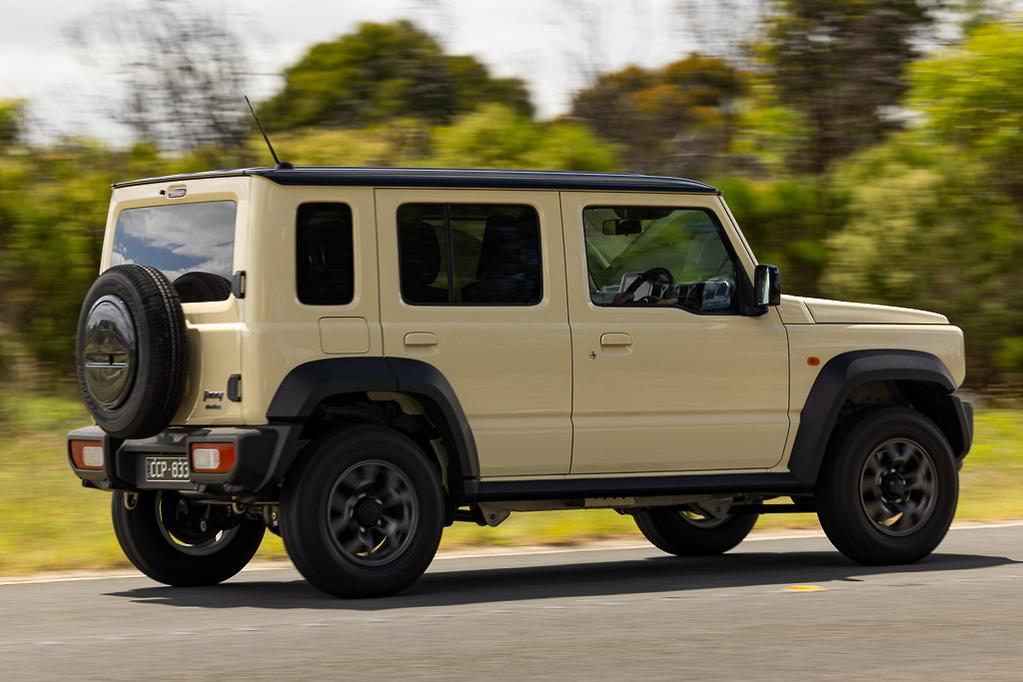
Jeep Wrangler has its devoted tribe of city slickers who love to go bush. The Mercedes G-Wagen sits in its own stratosphere. The Ineos Grenadier remains an upercrust buy. Even the mighty Suzuki Jimny has wait lists that would make a surgeon blush.
So when the twentieth Chinese brand rocks up with a ladder-frame wagon and a sharp price point, the market starts to thin out fast. Not every brand will survive.
The ones that carve out a clear identity, think GWM Tank with its unapologetic tough-truck positioning, will stick. The ones offering generic soft-roaders with no point of difference will quietly disappear within a few model cycles.
History shows that even established global brands struggle to maintain more than 2 or 3 viable 4×4 nameplates in this market. The idea that a dozen Chinese off-roaders can all find a sustainable audience is optimistic at best.
Winners, Losers, and the Trust Problem
Chinese manufacturers can undercut the established players all day long. Where they struggle is trust. Australians drive their trucks thousands of kilometres from the nearest dealer, through river crossings, corrugated dirt highways, and bulldust that would choke a jet engine, and they expect the vehicle to survive every single time.
That demands two things Chinese brands haven’t fully delivered yet: proven long-term reliability and a service network that reaches beyond the capital cities. But don’t worry, this is coming remarkably fast.
Toyota didn’t become king of the bush by accident. Decades of bulletproof engineering and a dealer in every regional town built that reputation one dirty outback kilometre at a time. There’s also the odd warlord who loves the brand too.
It’s also why the Lexus GX550 arrives with an immediate credibility advantage that no Chinese brand can buy. Same DNA, same dealer network, just with nicer leather and a quieter cabin.

Land Rover learned the trust lesson the hard way, spending years rebuilding confidence after its well-documented reliability woes before the new Defender finally gave buyers a compelling reason to come back.
Any Chinese brand serious about the off-road market needs to understand that Aussie buyers will not gamble their Cape York trip on a vehicle with no parts availability north of Townsville. Reddits, forums and Facebook groups are ruthless. One high-profile breakdown in the middle of nowhere and the brand damage can take years to undo. Jeep knows this all too well, but eventually recovered thanks to releasing more solid and reliable trucks.
The Adaptation Game Is Moving Fast
Toyota continues to evolve the 300 Series and has refreshed the Prado with enough tech to keep younger buyers interested without alienating the old guard. The Lexus GX550 adds another layer to Toyota’s defence, locking in premium buyers who might otherwise wander toward a Defender or even a well-specced Yangwang U8.
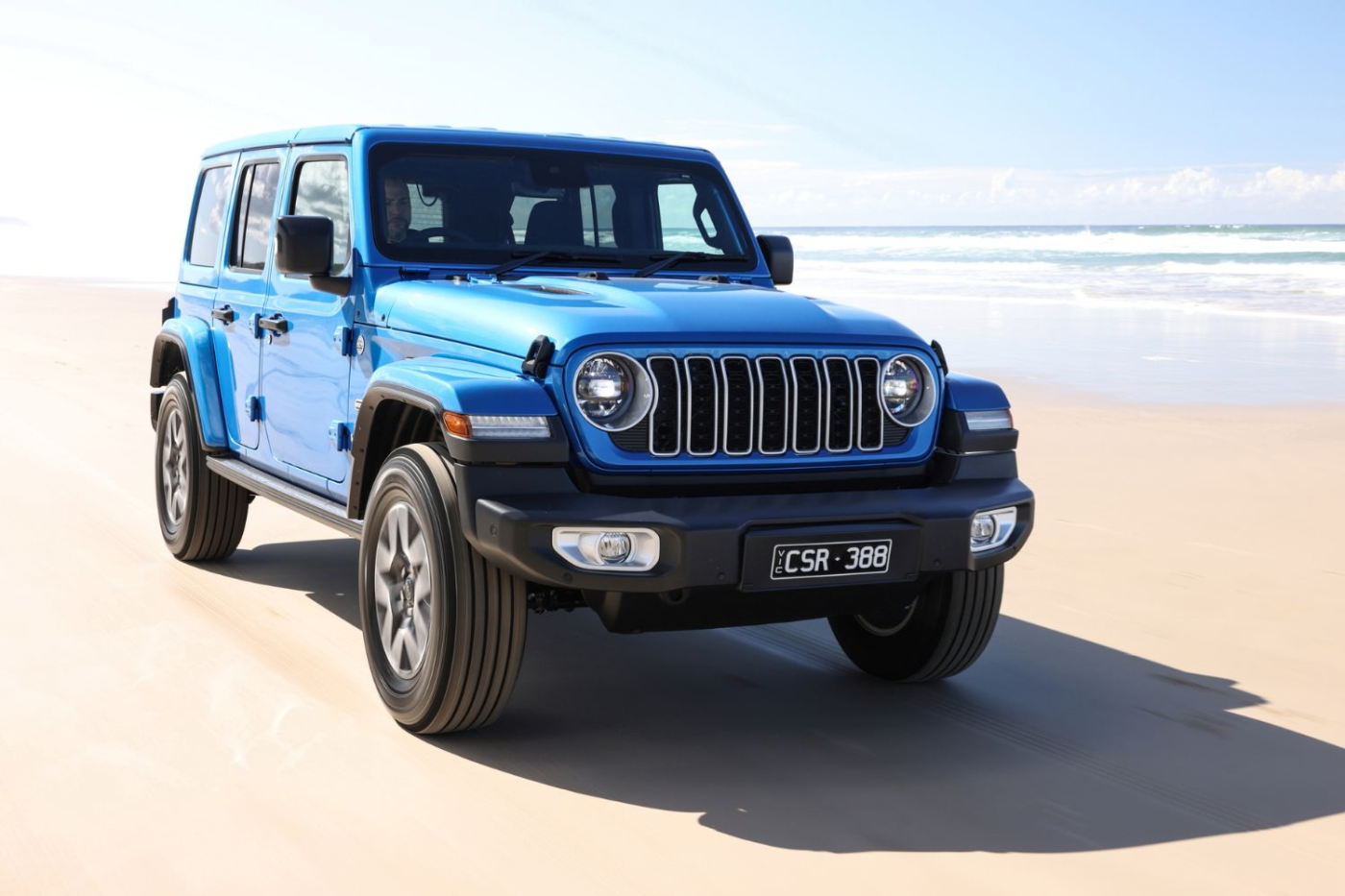
Land Rover is doubling down on the Defender’s off-road credentials while pushing upmarket with premium V8 trims that print money. Jeep keeps leaning into the lifestyle angle, particularly with the Overland. Even Mercedes knows its G-Wagen owner isn’t cross-shopping a Tank 700, but brand prestige still needs defending when the specs on paper start looking uncomfortably similar.
And if Denza or Yangwang can deliver genuine off-road electric capability at a price that undercuts the Defender and G-Wagen, the premium end of the market gets very interesting very quickly. Electric torque is perfectly suited to low-speed off-roading. The missing piece is range in remote areas, and whoever solves that problem first owns the future.
The real shift will be pricing pressure across the board. If Chinese 4x4s deliver 80% of the capability at 60% of the cost, the established players will have to sharpen their value propositions or risk losing the pragmatic buyer who just wants a tough, capable vehicle without a $90,000 commitment.
I guess the bush doesn’t care where your 4×4 was built, just as long as you can get out in one piece.
Happy shopping.

