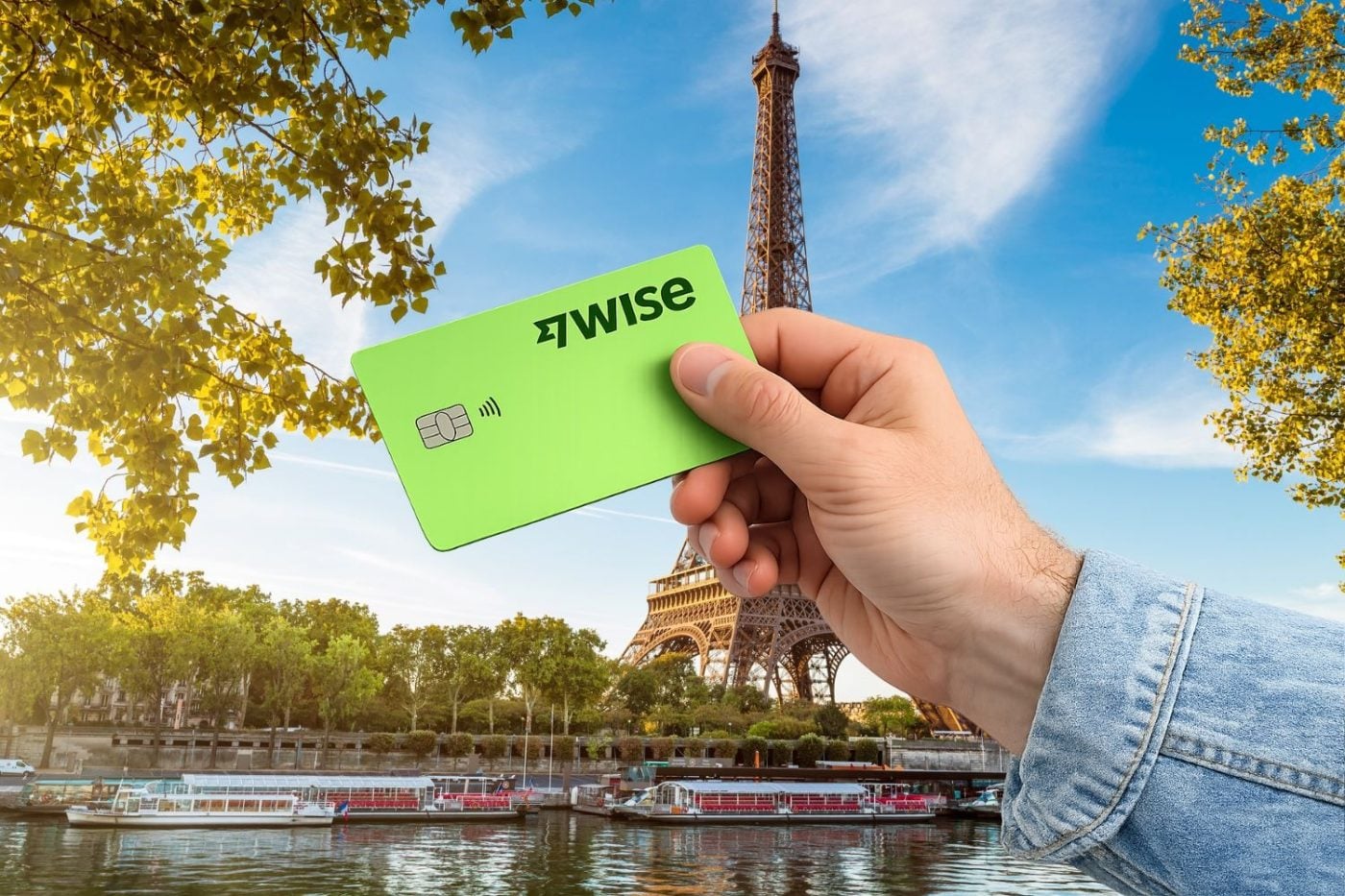
There is a moment on every trip where the maths quietly stops mathing. The flights are paid for, the hotel is paid for, and a $40 cocktail has been reclassified in your head as a rounding error. And new research from Wise, the smartest account for your travel money, has revealed why.
According to its research, Australians are overspending by an estimated $6.4 billion a year while travelling, thanks to what the company calls “vacay maths”, the phenomenon that sees spending go out the window as soon as we’re overseas as our relationship to money changes.
One in two (49%) admit that holiday money doesn’t always feel like ‘real’ money (just 34% disagree) and a similar number say that when travelling, they spend in the moment and worry about it later (52%).
Tristan Dakin, ANZ Country Manager at Wise, says this comes from a mix of emotional decision-making and the practical challenges of spending overseas.
Curated news for men,
delivered to your inbox.
Join the DMARGE newsletter — Be the first to receive the latest news and exclusive stories on style, travel, luxury, cars, and watches. Straight to your inbox.
“It’s common for people to shop around for the big ticket items like flights and hotels before they leave. But when we land, holiday brain often kicks in. Foreign currency suddenly feels like Monopoly money, pointless souvenirs seem like a great idea, and after spending big to get to your destination, overpriced drinks feel like a rounding error. We all need some licence to enjoy ourselves, but when it comes to travel, it’s easy to get carried away and come back with a financial holiday hangover.”
The consequences show up on the way home. Nearly one in two, 47%, came back from their last trip over budget, and 87% are worried about the cost of the next one spiralling.
The Money That Stops Counting
Overspending is made easier when it’s hard to track what things really cost. Almost six in ten travellers (59%) rely on rough mental conversions when paying overseas — and 11% don’t track spending at all until they’re home. And if we’re honest, we always round down and tell ourselves it is close enough. Across two weeks, that becomes money you can’t get back when the statement lands.
Then there’s the money that leaves your account without you choosing to spend it as businesses try to catch people out. Almost three-quarters of Australians (72%) have been stung by an unexpected travel charge in the past five years, with ATM withdrawal fees (30%), inflated taxi fares (23%), and tourist-trap restaurant markups (27%) being the most common.
But this is made worse by the fact that at least 90% of people are still using debt, credit and pre-paid travel cards issued by major banks when spending overseas. They’re often advertised as zero fee, but often hide the true cost in an inflated exchange rate markup.
What Wise Says To Do About It
Dakin advises travellers to remove the guesswork rather than the fun. “To get smart with your overseas money, the first step is making sure you know exactly what you’re paying in your home currency, with an exchange rate that’s up to date.”
That’s the case Wise makes for its own product. Set up a Wise account before you go, and you can hold and convert money across currencies, track exactly what you’ve spent in real time, and see it all displayed in AUD value, or the local currency, from your phone. No more guessing at the checkout. When you spend with the Wise card, your money converts at the mid-market rate, the same one you see on Google, with a low, transparent conversion fee rather than a margin buried in the rate.
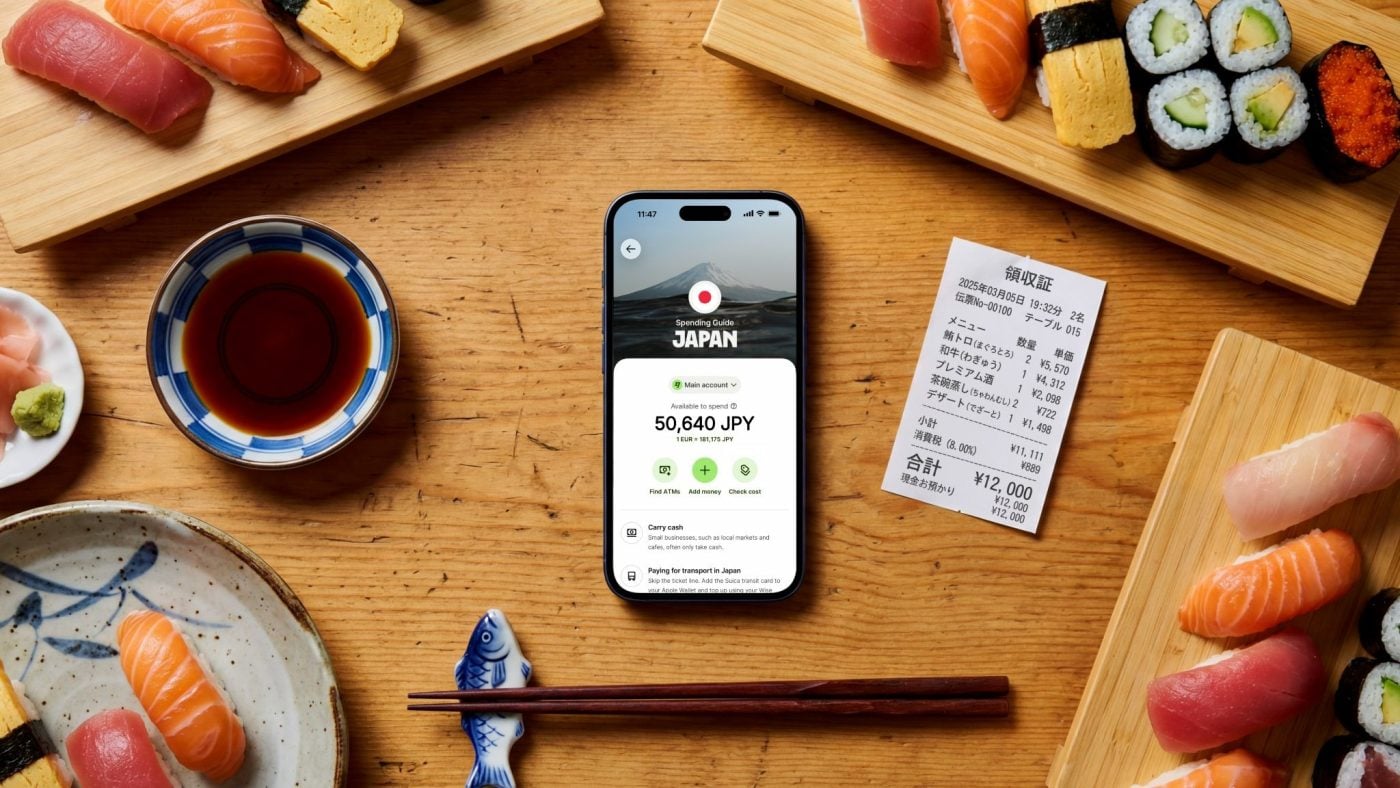
There’s more to it than the card, too. Wise’s Travel Hub does the pre-trip thinking for you – with help on finding the ATMs that won’t sting you on fees, advice on paying for public transport, and tips on finding the right balance of card and cash payments at your destination. And if you’re looking for some airport respite, but don’t want to play the points game, Wise recently partnered with DragonPass, so you can grab access to over 1,400 lounges worldwide through the app, usually for less than you’d pay at the door.
It might not stop the temptation to buy the amethyst grapes. It just means you know what they cost while you are buying them.
Research commissioned by Wise, conducted with Octopus Research among 1,500 Australian travellers in April 2026. The $6.4 billion estimate was calculated using ABS travel data and survey findings. Fees and exchange rates are set by the providers named and can change. See wise.com/pricing for current rates.

