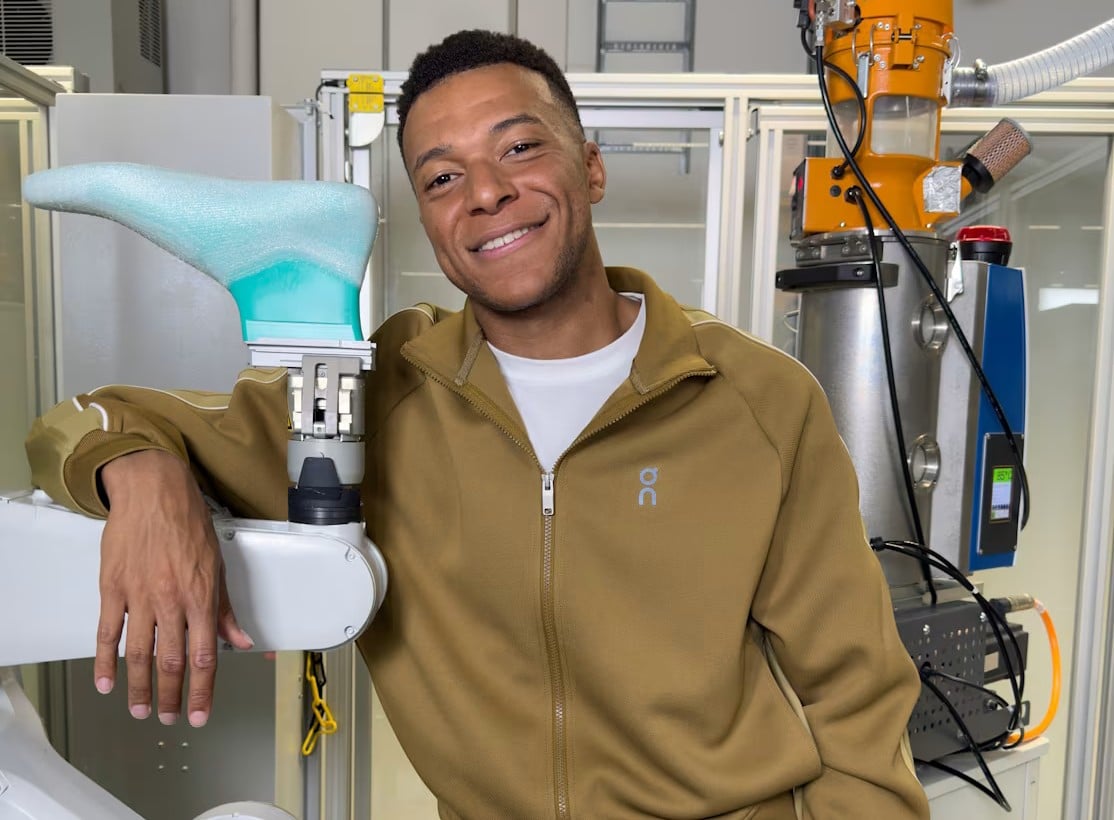
Kylian Mbappé signed with Nike in 2006, when he was seven years old. Reports out of France say that contract ran out on July 31 and wasn’t renewed, and on Friday he turned up as the face of On’s move into football, with the Swiss brand’s first boots due in 2027.
Reuters reported he’s being paid partly in On shares, which makes him an owner rather than a hired endorser. Thierry Henry, who has been working on the project since late 2025, is running it as director of football.
I think this is a much bigger deal than most of the coverage is giving it credit for, and the reason is Roger Federer. He took an equity stake in On in 2019 and got his own shoe, The Roger, the following year, and in my view he’s the most respected athlete on the planet.
That matters more than any marketing budget. When a player like Mbappé is weighing up where to spend the next decade, sitting alongside Federer as a shareholder is a very different pitch to wearing whatever the biggest brand hands you. Federer gives On a credibility that money can’t buy, and I expect it to keep pulling big names into the On ecosystem, with a basketball or NFL star the obvious next step.
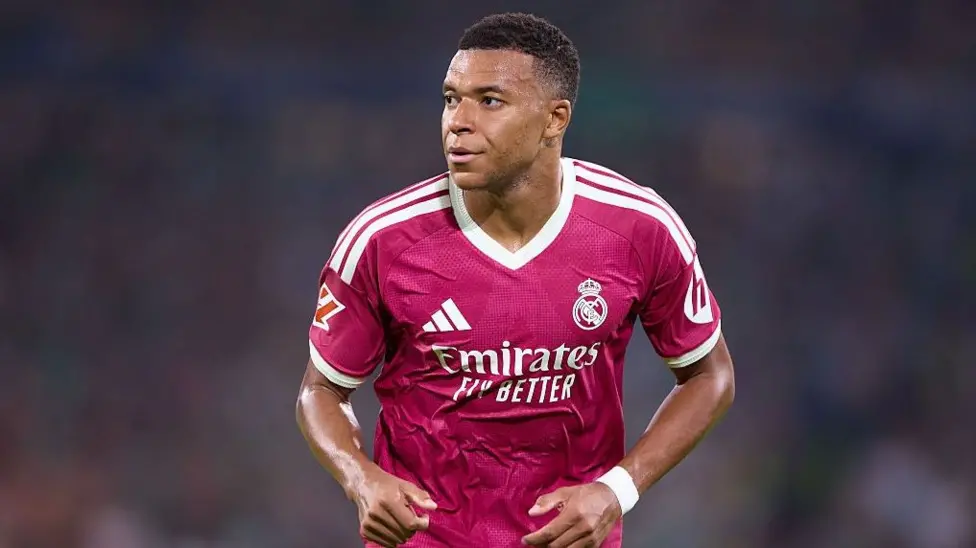
On is already stretching well beyond running. In June it moved into Hyrox with the Cloud X Tempo Pro, and now it’s in the biggest sport on earth with one of the biggest players in it.
For Nike, the timing is awful. Fourth-quarter revenue came in at US$10.97 billion, down 4% on a currency-neutral basis, and its own digital sales fell 12%. It cut 1,400 jobs in April, and the share price has dropped about a third in six months.
A lot of that is self-inflicted. Nike spent years reissuing Dunks and Jordans until nobody felt they needed another pair, while Hoka and On took performance running off it, and even its newer launches like the Nike Mind haven’t changed that.
Curated news for men,
delivered to your inbox.
Join the DMARGE newsletter — Be the first to receive the latest news and exclusive stories on style, travel, luxury, cars, and watches. Straight to your inbox.
Needham analyst Tom Nikic said the previous leadership misread the market on product, wholesale and how people actually shop, and CEO Elliott Hill has admitted the fix is taking longer than he expected.
It also keeps losing footballers. Lamine Yamal left Nike for Adidas in 2024, so the two attackers most likely to define the next decade of the sport are now wearing someone else’s boots, which stings after a World Cup fought largely between the two brands.
The figure that says the most about these two companies is gross margin. On posted a record 65.4% last quarter, while Nike’s was 40.2% in its third quarter. That means On keeps roughly 25 cents more from every dollar of sales, which is what happens when people pay full price rather than wait for a discount, and it’s the money that funds contracts like Mbappé’s.
You can see where that money goes when you walk past an On store. Its three-storey Regent Street flagship opened in London in February 2023, and last month On opened a 493sqm store at Westfield Bondi Junction, up the road from me, its second in Australia after Melbourne’s Emporium. That takes its global network past 70 company-owned stores.
For the big sportswear brands, that should be a reality check. A few years ago On was a shoe you found on the wall at a running specialist, and now it’s building the kind of retail presence that used to be reserved for Nike and Adidas. Direct sales grew 34.3% in constant currency last quarter and now make up 45.7% of On’s revenue, and those stores are a big part of why.
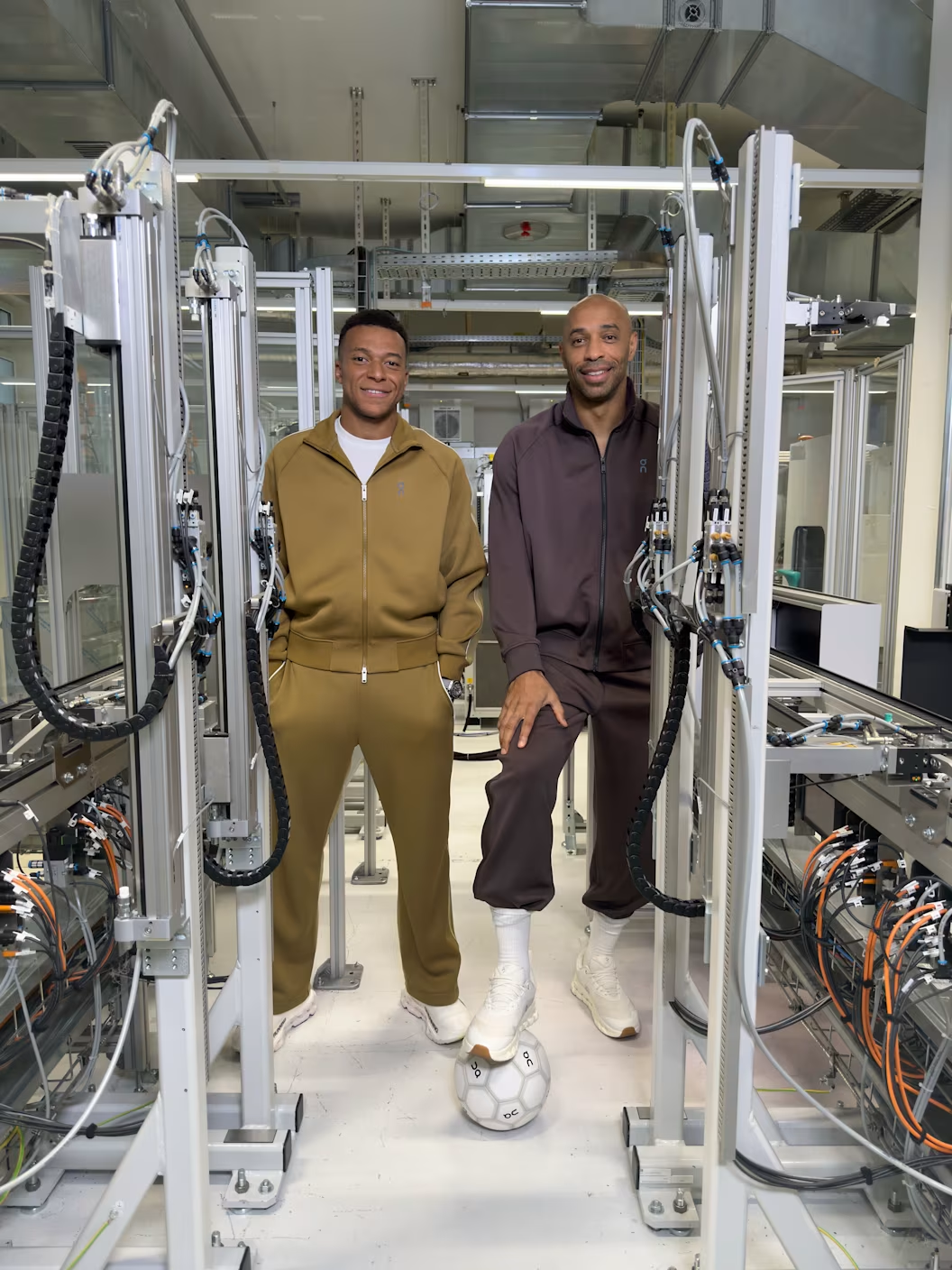
On has its own problems. Its stock fell as much as 22% in August after sales missed forecasts, and growth in the Americas slowed to 13%. The company says it’s deliberately limiting supply to retailers to protect pricing ahead of new product in 2027.
It’s also still much smaller. On’s second-quarter sales were CHF 850.3 million, roughly a tenth of Nike’s quarterly revenue, and it expects to finish the year somewhere between CHF 3.47 billion and CHF 3.56 billion.
For On to reach Nike’s size in ten years, assuming Nike doesn’t grow at all, it would need to increase sales about tenfold, which works out to roughly 26% a year. It’s forecasting growth in the low 20s this year, so it would need to lift that slightly and hold it for a decade. Signing the best footballer in the world, with Federer already in the tent, is exactly the kind of move that makes that possible.
Nike’s most visible response has come at board level. Last Wednesday it appointed Alexandre Arnault, deputy CEO of Moët Hennessy, who previously ran Rimowa and led product and communications at Tiffany, and the stock rose 2% on the news.
I understand the logic, because Arnault’s career has been built on making brands feel premium again. But On already owns premium in performance footwear, and it got there by making better product with the best athletes in each sport. Nike’s recovery has to start with shoes people want to pay full price for, and a new board member can’t fix that on his own.
Watch this space.
