Swiss watch exports fell for the second year running in 2025. The post-pandemic boom that had collectors paying over retail for anything with a dial and a date window has officially corrected, and the brands that rode that wave without a plan are now scrambling.
But the interesting story out of Watches and Wonders 2026 in Geneva was not the correction itself. It was how the survivors are responding to it, and the fact that innovation in watchmaking is now moving in three completely different directions at the same time.
AI Is Already Inside The Workshop
Audemars Piguet is using artificial intelligence in its restoration and servicing departments. CEO Ilaria Resta confirmed at Watches and Wonders that AI is helping the brand recover original designs and component details for watches going back 150 years, while also building a digital inventory of the thousands of references AP has produced since 1875.
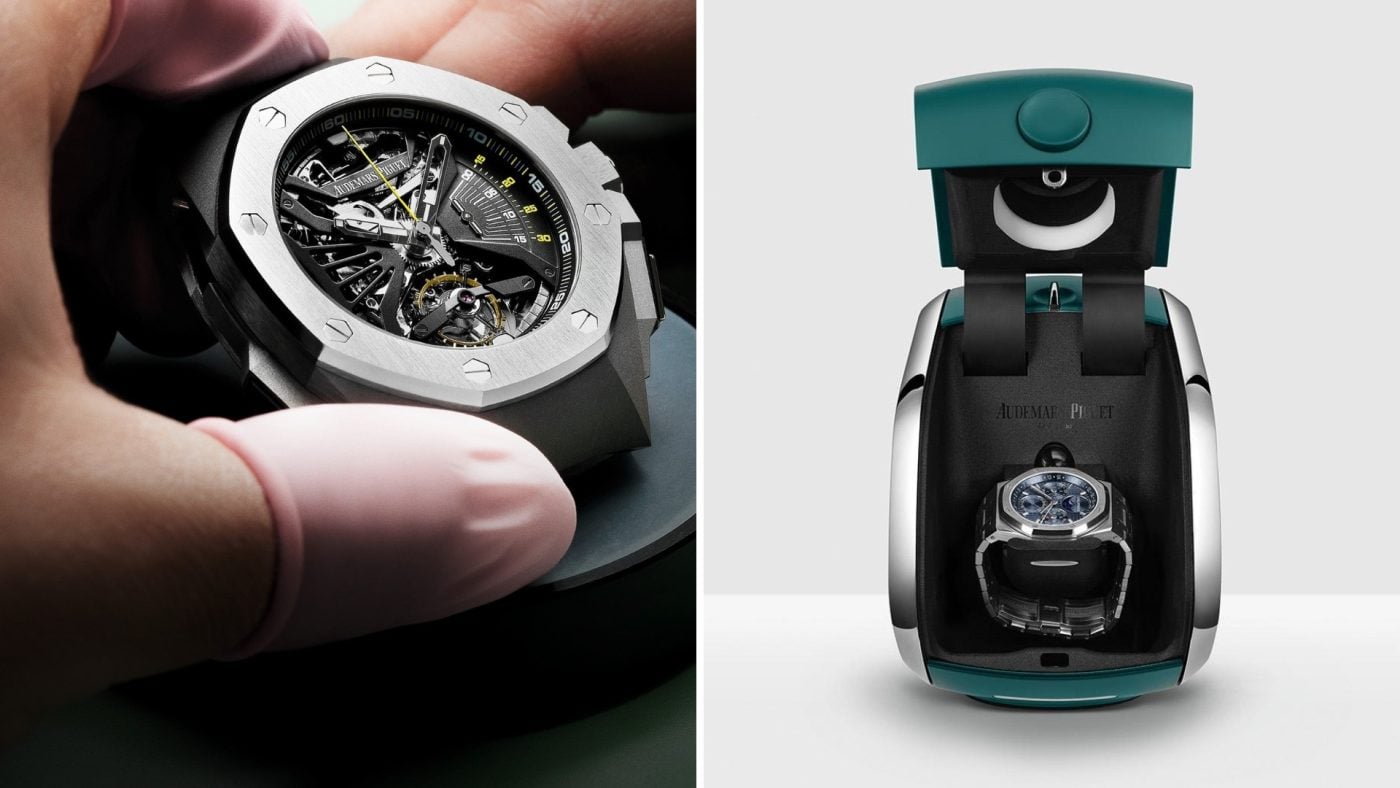
Resta made it clear that AI is now a fundamental tool across the supply chain, restoration work, and client services. For a brand that has historically defined itself by refusing to industrialise, that is not a small shift.
AP is not alone. A recent Deloitte survey of 420 senior luxury brand executives ranked AI and materials innovation as the most transformative forces shaping the industry’s future. More than 40 percent of luxury companies surveyed said they were already implementing generative AI in selected areas.
RELATED: Audemars Piguet’s Coolest Watch In Years Is Also Its Quietest
Curated news for men,
delivered to your inbox.
Join the DMARGE newsletter — Be the first to receive the latest news and exclusive stories on style, travel, luxury, cars, and watches. Straight to your inbox.
The watch industry has always been slow to adopt new technology, and for good reason, considering the centuries of craft behind a mechanical movement. But AI is not replacing the watchmaker here. It is making restoration faster, inventory smarter, and supply chains more predictable. That is a practical use case, not a gimmick.
Two Brands Are Sending Watches To Space, And They Mean It
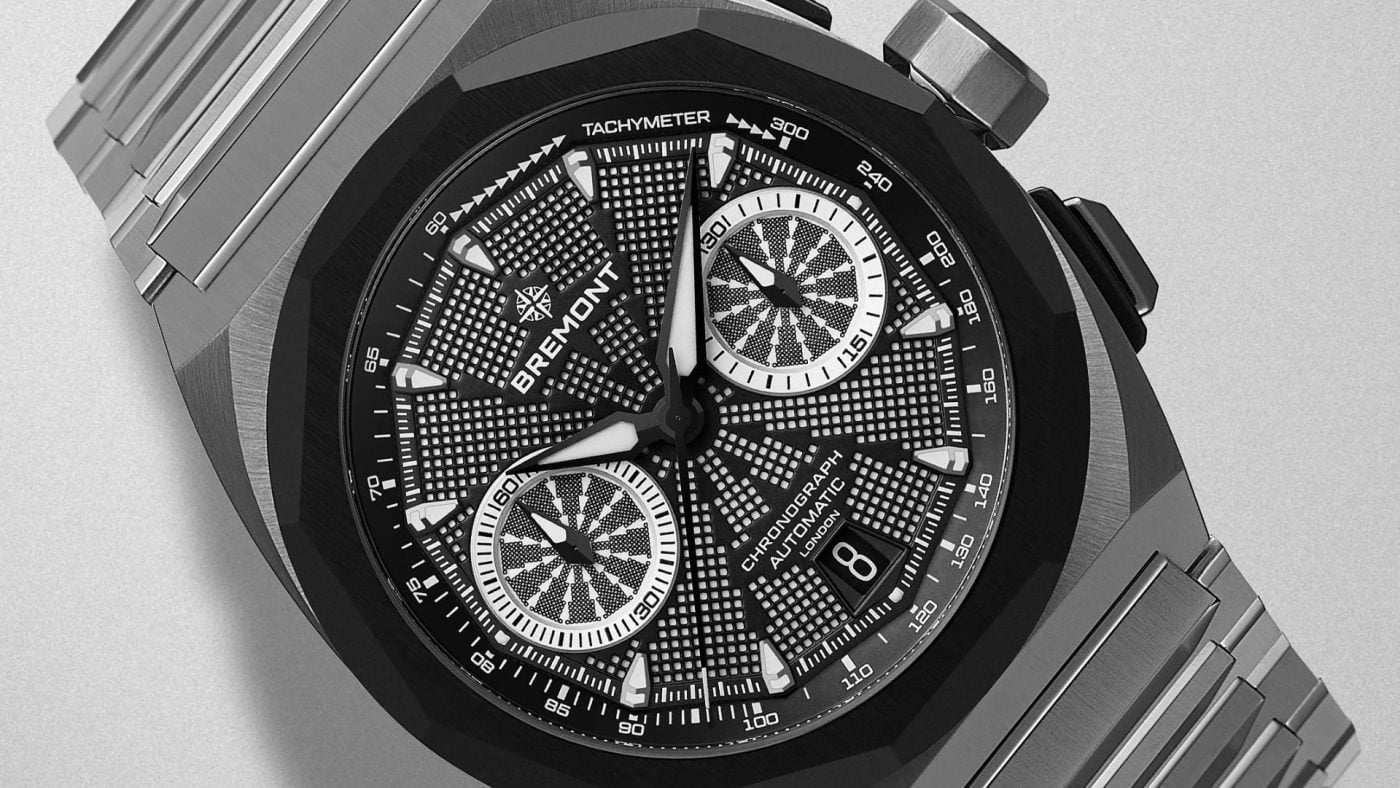
Bremont, the British watchmaker that started out making pilot watches nearly 25 years ago, has partnered with Astrolab, the American space rover company. When Astrolab’s FLIP rover touches down on the lunar surface later this year, it will be carrying a Bremont Supernova Chronograph, which will stay on the moon permanently with the rover.
CEO Davide Cerrato framed it as a durability test with no safety net, saying the mission will teach Bremont how much further it can push the limits of its technical watches in terms of durability, resistance, and strength.
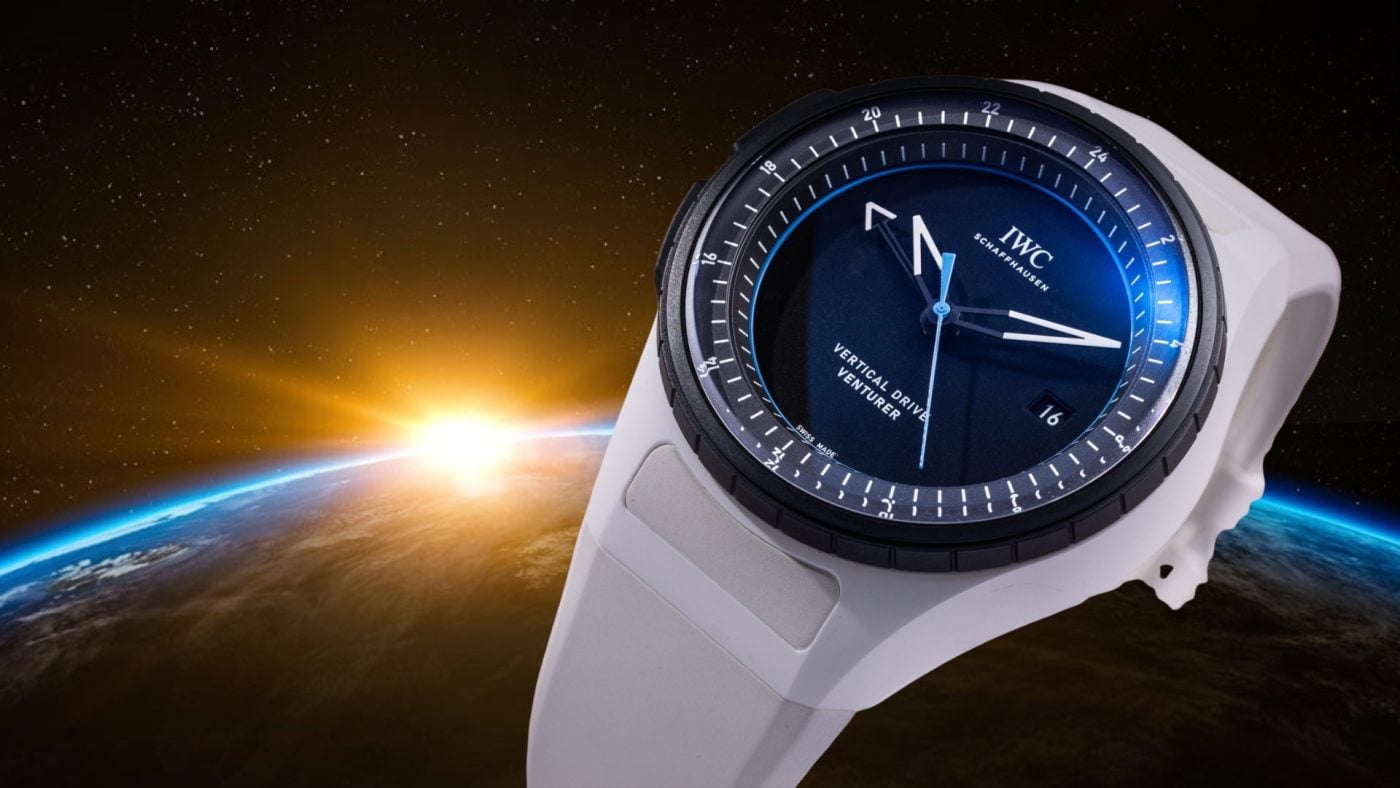
IWC Schaffhausen, meanwhile, unveiled the Pilot’s Venturer Vertical Drive, a watch designed specifically for use aboard Haven-1, which is expected to become the world’s first commercial space station when it launches next year. Two Swiss-adjacent brands, two different space programmes, both treating the final frontier as a genuine testing ground rather than a marketing backdrop.
We know that watchmaking has always advanced through extreme conditions. The lever escapement replaced the cylinder escapement because it was more durable. Synthetic jewels replaced natural stones because they were more consistent. The history of this industry is a history of solving problems that exist at the edge of what a watch can survive, and space is simply the newest edge.
Parmigiani Fleurier Went The Other Way Entirely
Not every brand at Geneva was chasing the future. Parmigiani Fleurier, the Swiss house worn by King Charles III, took the opposite approach with its Tonda PF Chronograph Mysterieux, a watch where the chronograph function is completely hidden until you press the button.
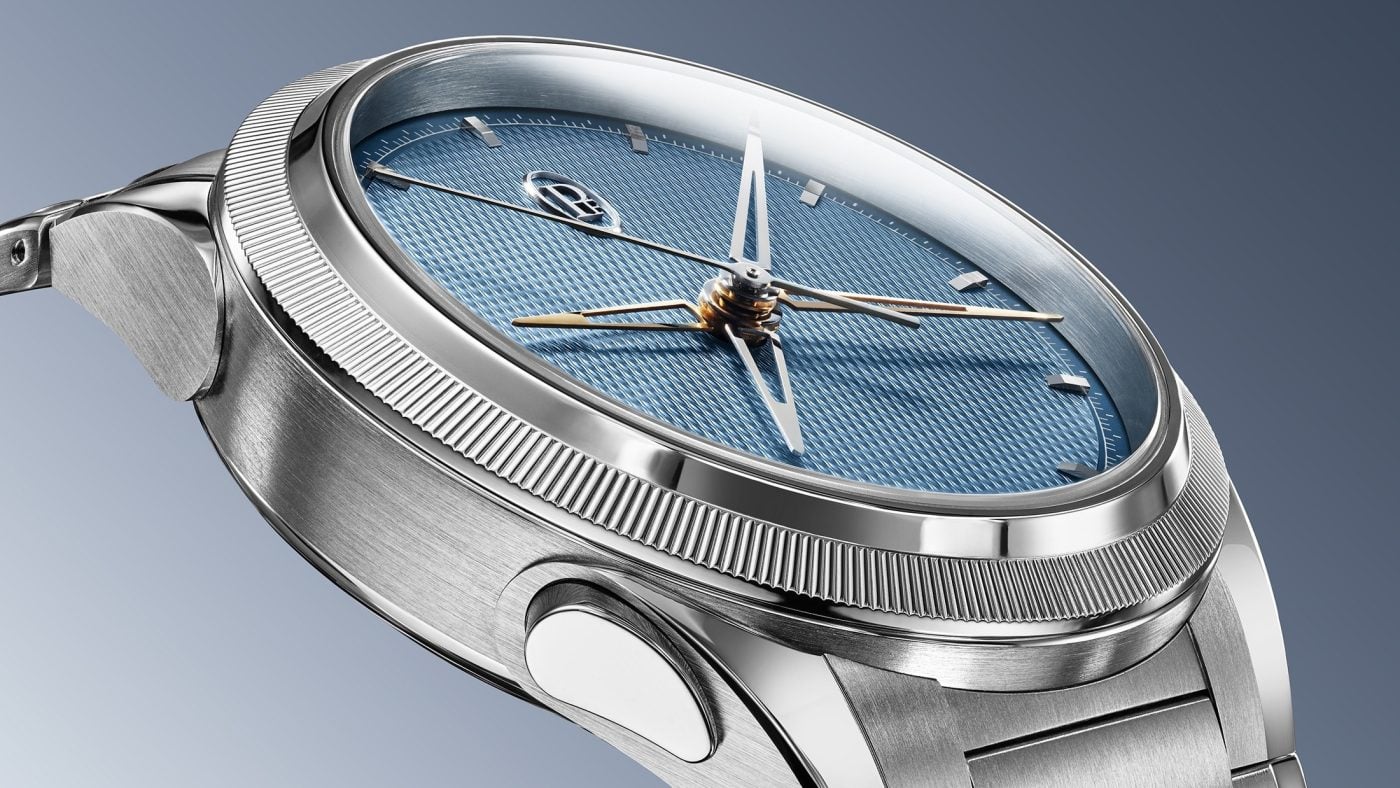
It sounds like a parlour trick. It is not. Hiding an entire complication inside a clean dial while keeping it mechanically functional is a serious technical challenge. Parmigiani has reinterpreted the chronograph, arguably the most important function in watchmaking, in a way that has never been done before. It appears when you need it and disappears when you don’t.
In a market full of brands adding complications to justify higher prices, Parmigiani built one that deliberately disappears. That is a very specific kind of confidence.
DMARGE’s Take
The watch industry has been innovating since Peter Henlein built the first portable timekeeper in 16th century Nuremberg. Every major leap, from the mainspring to the hairspring to synthetic jewels to mass production, came because someone decided the current standard was not good enough. That pattern has not changed. What has changed is the range of directions innovation is now pulling in.
AI in the service centre, a chronograph on the moon, and a complication that hides itself on purpose. Three very different answers to the same question: what does watchmaking look like when the boom is over and you actually have to earn the customer’s attention again?
If 2025 was the correction, 2026 is where we find out who was building something real and who was just riding the wave.

