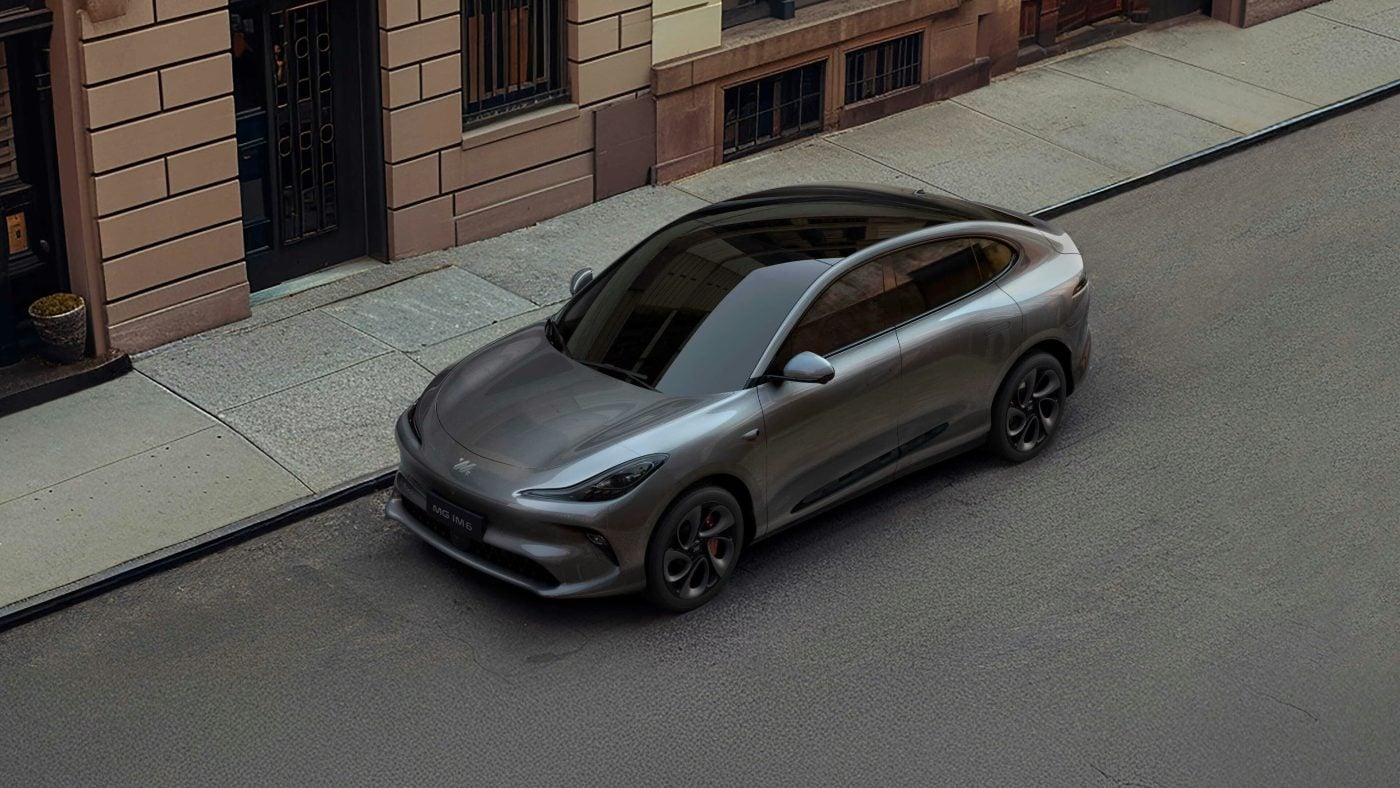
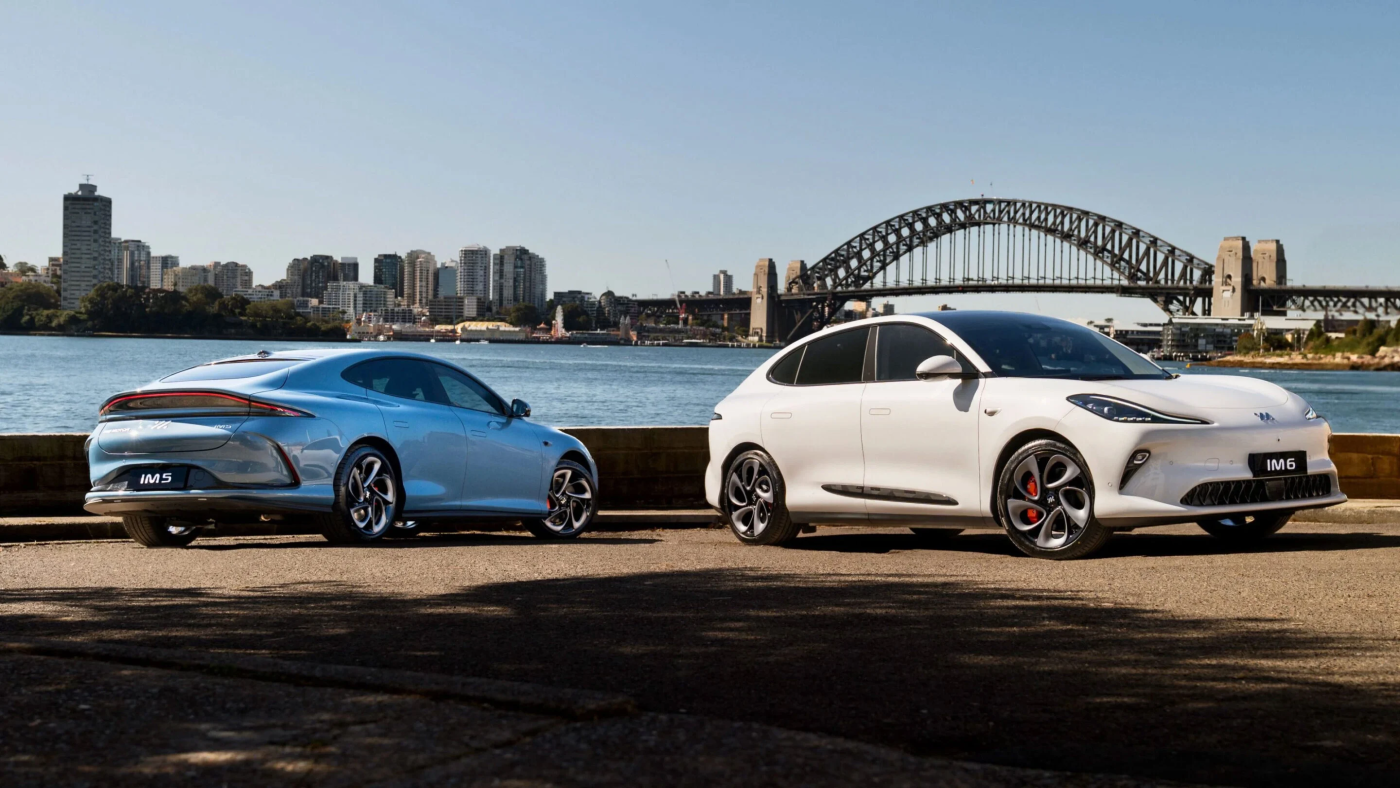
IM, presented by MG Motor, landed in Australia in 2025 with two models: the IM5 sedan and the IM6 SUV. And unless you’ve been paying close attention, you probably missed it. Which is a shame, because what’s sitting underneath these two cars is genuinely impressive, and the price they’re asking for it is bordering on ridiculous.
The IM5 does 0 to 100 in 3.2 seconds. That’s supercar fast, from a brand most Australians still associate with cheap hatchbacks and fleet deals.
Range sits at a claimed 575km on the WLTP cycle, with real-world figures coming in around 520km, which is more than enough for a Sydney-to-Canberra run without having to white-knuckle it past every charging station. And thanks to its 800-volt architecture, you can go from near-empty to 95 per cent in about 20 minutes on a fast charger. That’s barely enough time to grab a servo pie and a flat white.
Curated news for men,
delivered to your inbox.
Join the DMARGE newsletter — Be the first to receive the latest news and exclusive stories on style, travel, luxury, cars, and watches. Straight to your inbox.
But the party trick isn’t the straight-line speed. It’s what IM calls its “digital chassis,” and it’s the kind of tech that makes you wonder what everyone else has been doing with their R&D budgets.
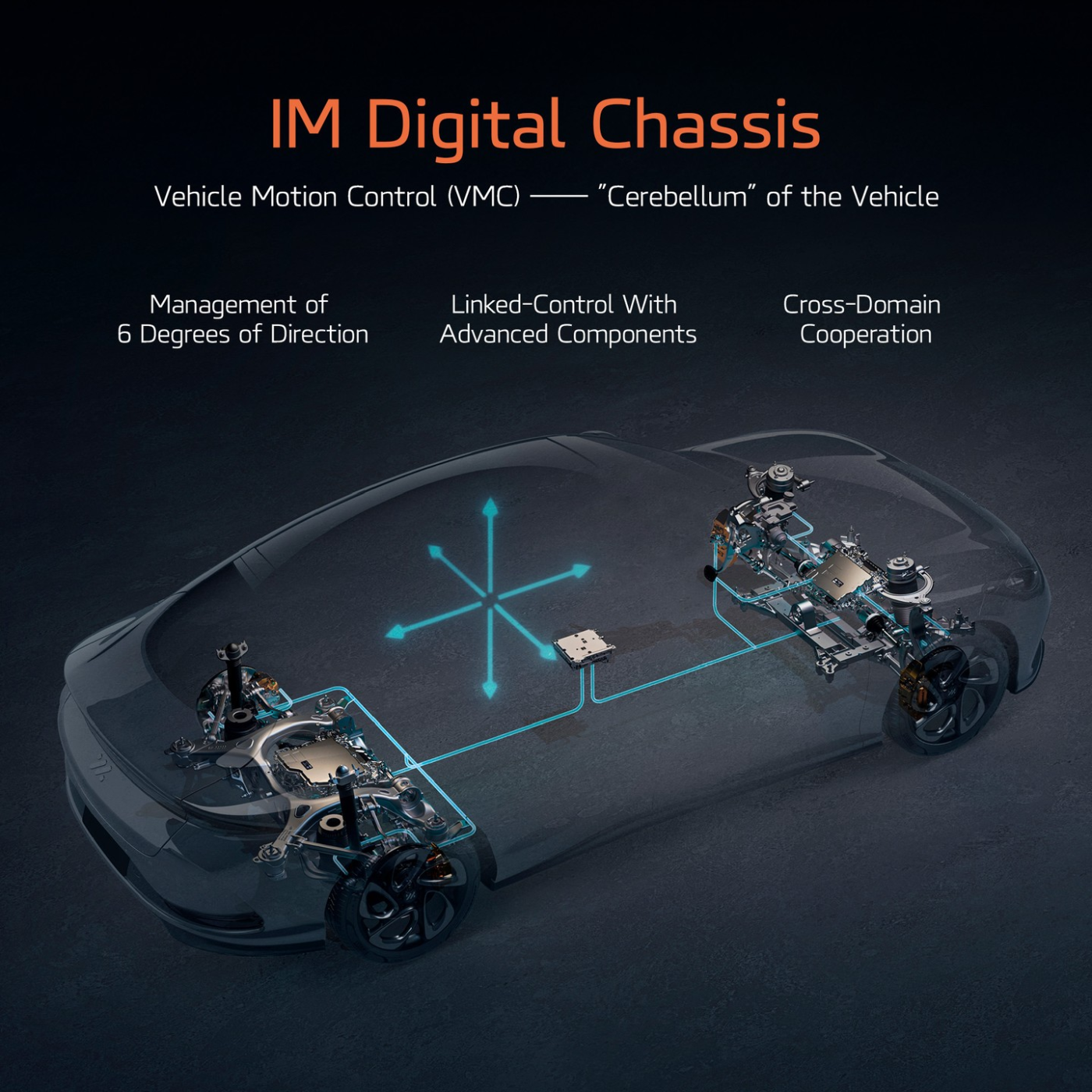
The system uses over 3,000 semiconductors to coordinate suspension, steering, braking and powertrain in real time. Millisecond adjustments across every dynamic component simultaneously, all managed by an NVIDIA chip running machine learning.
Where a traditional stability control system kicks in after you’ve already started sliding, IM’s setup identifies the conditions that cause the slide and prevents it from happening in the first place. It’s the difference between a paramedic and a personal trainer.
And then there’s the rear-wheel steering. Twelve degrees of articulation, which is more than anything from Porsche or BMW currently offers. In practice, it means a five-metre sedan can do a U-turn on a suburban street without that embarrassing three-point shuffle. Anyone who’s tried to park a large car in one of Sydney’s underground car parks built in 1987 knows exactly why this matters. There’s also a one-touch automated parking system that actually works, which puts it ahead of about 90 per cent of the “smart” parking tech out there that’s usually more hassle than just doing it yourself.
The air suspension is another quiet win. It adjusts ride height and firmness based on speed, load and road conditions without you needing to touch a thing.
In Comfort mode, it soaks up the kind of broken surfaces we pretend don’t exist on Australian roads.
In Sport, the whole car tightens up and starts feeling like something that costs twice what it does. This kind of kit is usually reserved for cars well north of $100K.
IM’s Performance models start under $80,000, with the range kicking off from $60,990.
For the Australian market specifically, this matters more than people realise. We don’t just need EVs that go far and charge fast. We need EVs that can handle the reality of Australian driving: the patchwork roads, the wildlife, the 800km highway stints, the absurd car parks.
IM’s digital chassis isn’t a gimmick. It’s a genuine answer to problems that most manufacturers either ignore or charge a fortune to solve.
Nobody’s saying MG is going to topple the establishment overnight. But IM deserves way more attention than it’s getting. The tech is serious, the pricing is aggressive, and the whole package suggests that China’s EV game isn’t just about flooding the market with cheap runabouts anymore.
It’s about building cars that are legitimately better in ways that actually matter to the person behind the wheel. And if the legacy brands aren’t paying attention to that, they should be.

