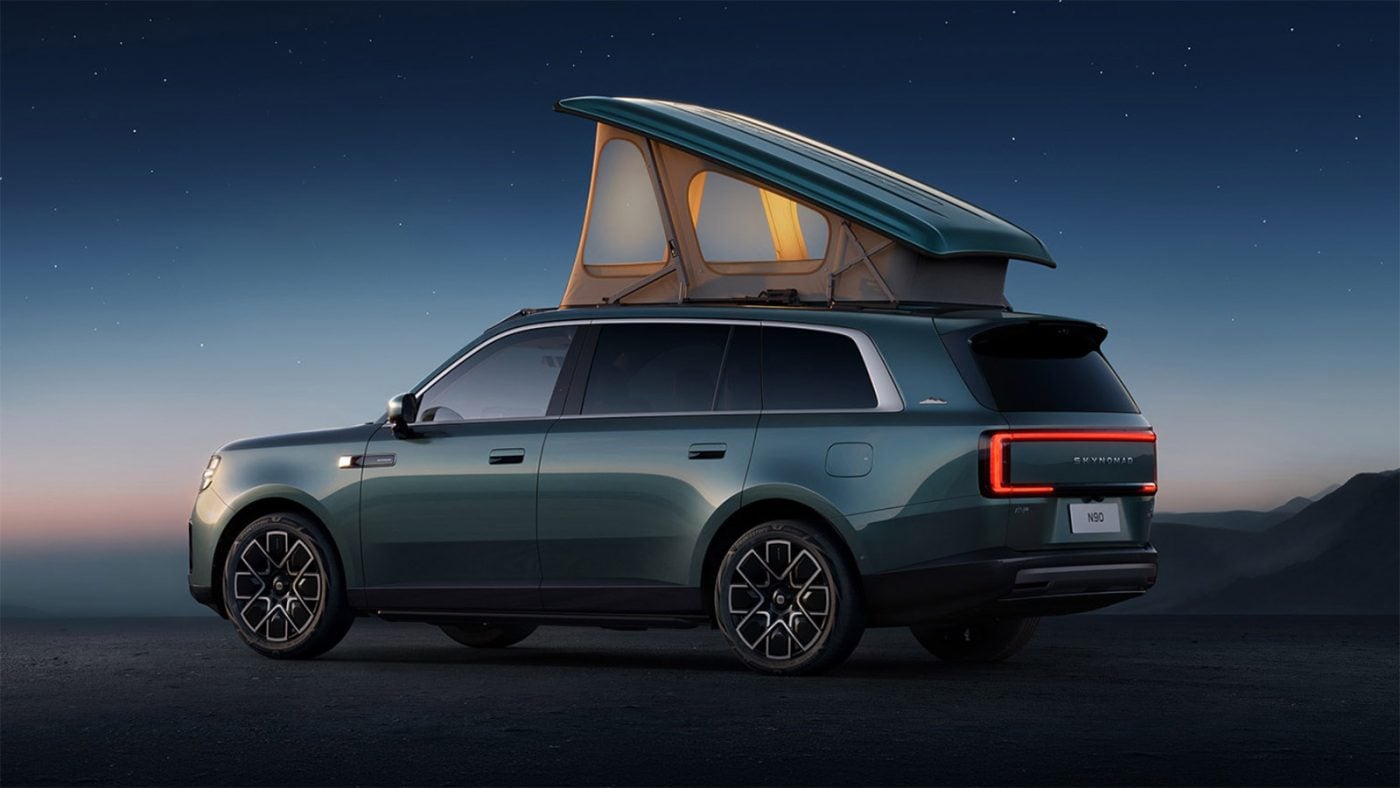
Xiaomi said on Weibo on Monday that its new Sky Nomad SUV range took more than 10,000 locked-in orders within four minutes of going on sale, which is roughly the time it takes to boil a kettle. The company did not break the number down by variant.
The Sky Nomad is the phone maker’s first move away from pure electric cars, and it is a strange one. Every version runs a 1.5-litre turbocharged petrol engine that never drives the wheels, working instead as an onboard generator to top up the battery, a setup the Chinese market calls an extended-range EV.
The oddest of the four is the N90 Max Explorer Edition, a five-seat SUV with a pop-top roof that lifts into a tent, aimed squarely at people who want to sleep in a car park with the air conditioning running. It sits at the top of the range at 299,900 yuan, or roughly AU$64,000.
Prices start at 209,900 yuan, about AU$45,000, for the five-seat N70 Pro. The N70 Max and seven-seat N90 Max fill the middle at 239,900 and 269,900 yuan.
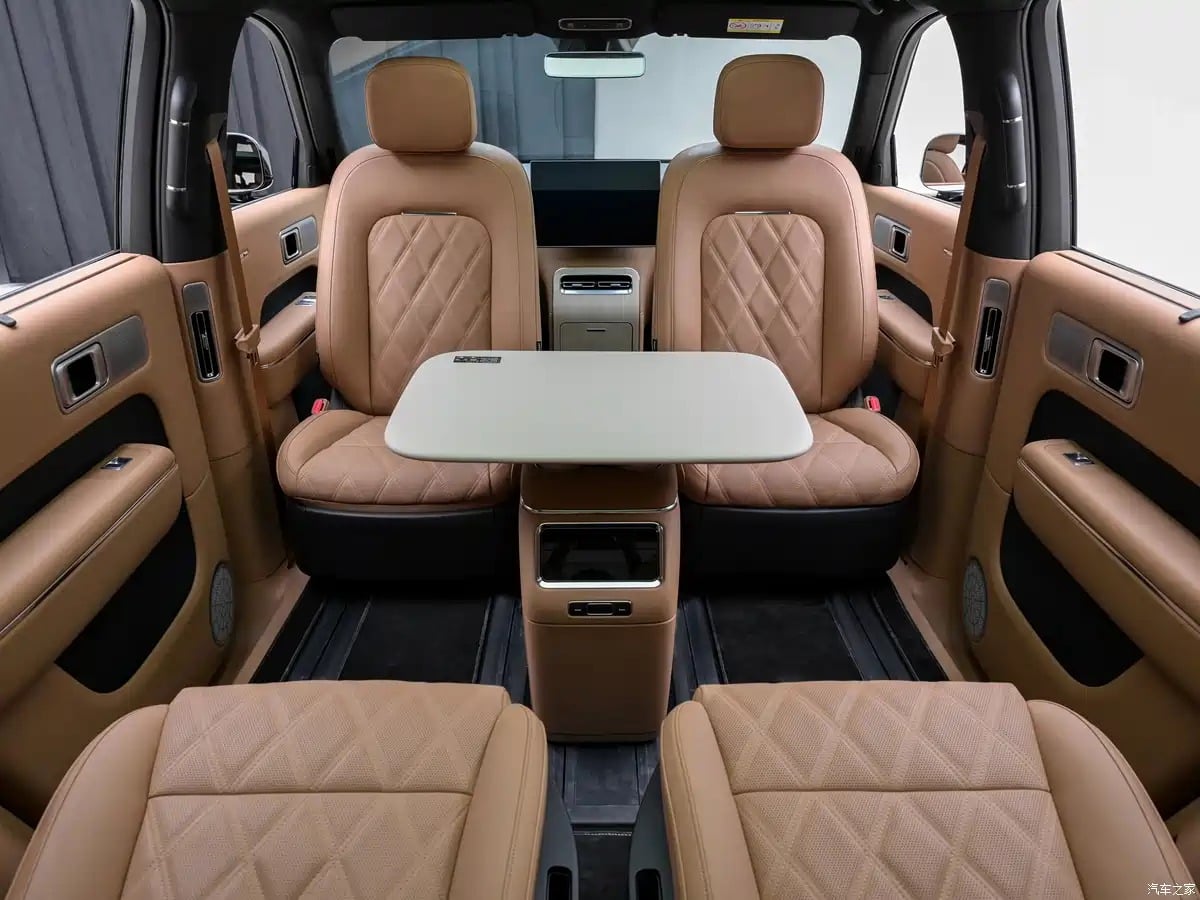
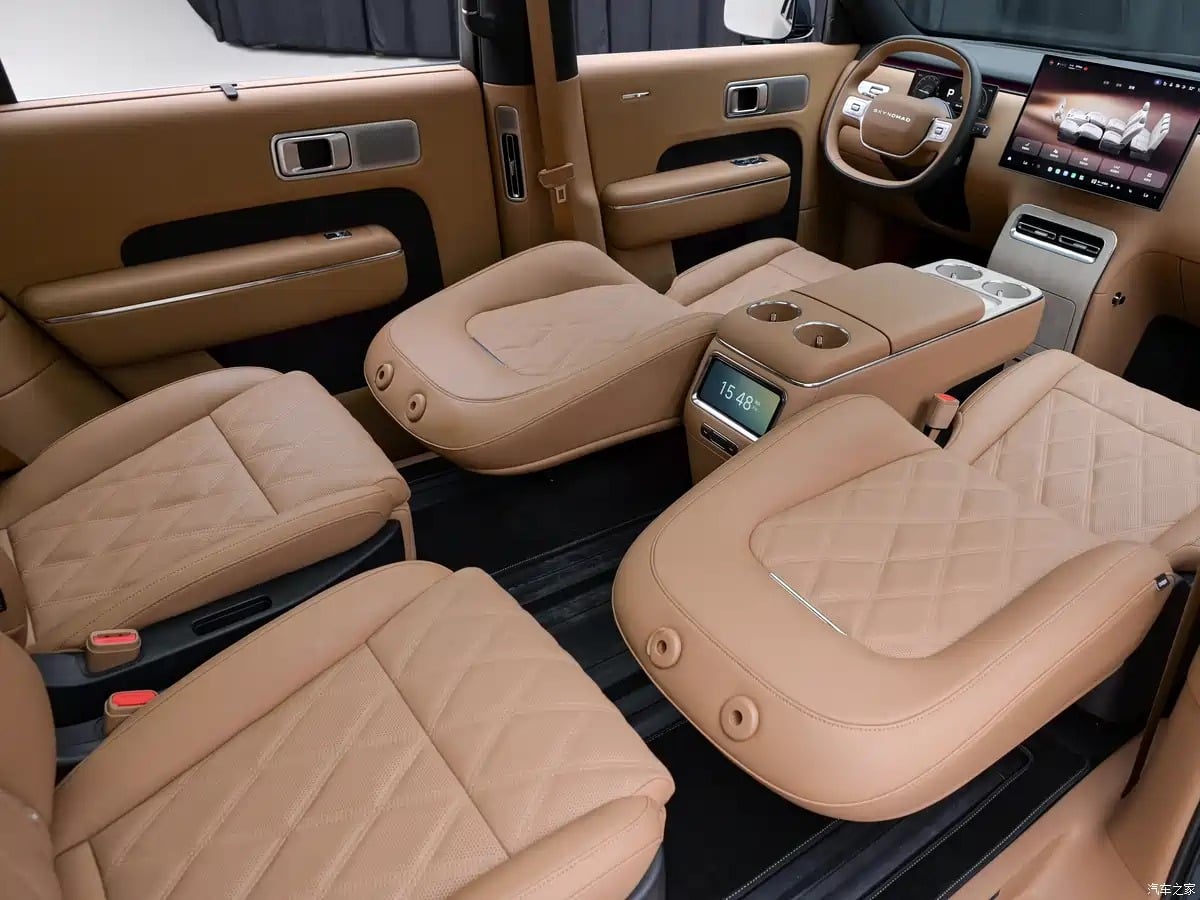
Xiaomi’s launch images show a cabin built around individual captain’s chairs rather than benches, with a fold-out table between the middle row and a screen for the back seats. It is less family SUV than airport lounge, which tells you who the company thinks is buying.
Both Max variants launched below their July pre-sale prices, undercut by 20,000 and 30,000 yuan respectively, which is the sort of move that suggests Xiaomi wants volume more than margin. The N70 Max claims 505km of electric range on China’s CLTC cycle. The N90 Max claims 1,705km combined on a full tank and a full charge, which is Sydney to Adelaide with plenty left over.
Xiaomi has also built a batch of cars before launch rather than after, so buyers who put down a deposit are being quoted one to five weeks. That is close to unheard of in a market where popular Chinese EVs routinely run six-month waitlists.
The urgency makes sense. Xiaomi’s deliveries hit 216,322 vehicles in the first seven months of the year and the company has said August cleared 30,000, putting it at roughly 45 per cent of its 550,000 annual target with a third of the year left. It needs about 75,900 cars a month for the rest of 2026 to get there.
Founder Lei Jun confirmed on Monday that cumulative sales had passed 800,000, 29 months after the first SU7 was handed over. This is the same company that took a production car lap record at the Nürburgring with the SU7 Ultra, and it now sells a tent.
None of this is coming to Australia. Xiaomi has signed its first German dealers and starts European sales in 2027, with right-hand drive engineering the outstanding hurdle for any local launch, and company representatives have repeatedly told Australian media there is no update to share.
Chinese deliveries begin from one week for buyers who lock in now. Xiaomi has not said how deep the pre-built stock runs, or what happens to the queue once it’s gone. Full range details are on Xiaomi’s official site.