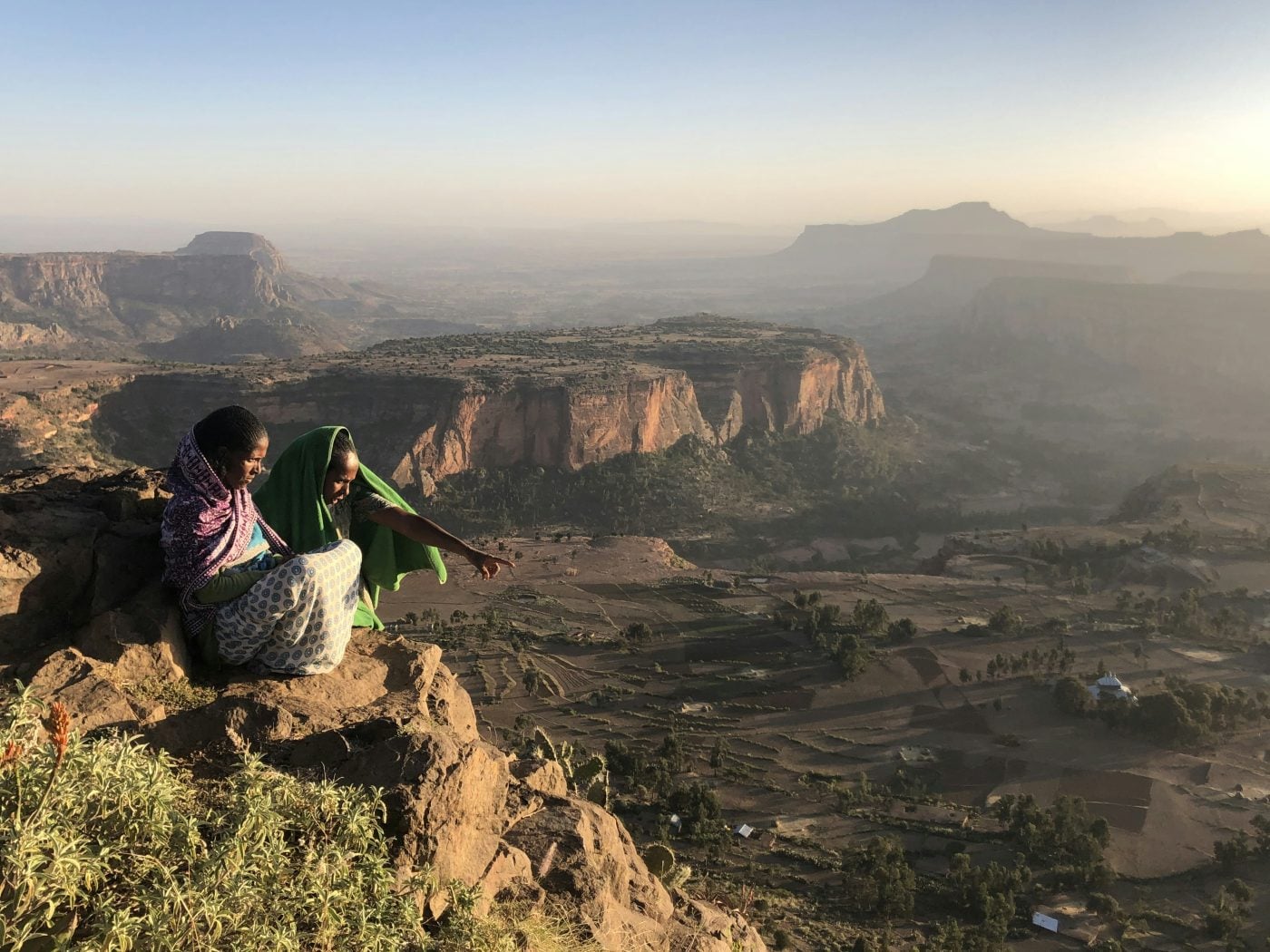
1.5 billion people got on planes in 2025 and went somewhere that wasn’t home. That’s a record-breaking number, apparently. And here’s the thing: they’re not all piling into the same old spots anymore.
Europe still got the most visitors, welcoming 800 million arrivals (which is frankly absurd), but the actual growth is happening in places most people couldn’t point to on a map if you spotted them the continent.
Brazil’s numbers jumped 37%. Egypt climbed 20%. Ethiopia pushed 15%. Bhutan, which barely lets anyone in on principle, somehow grew 30%. Even the Seychelles, which is essentially a collection of very expensive rocks in the Indian Ocean, posted 13% growth.
And I’m here for it.
Curated news for men,
delivered to your inbox.
Join the DMARGE newsletter — Be the first to receive the latest news and exclusive stories on style, travel, luxury, cars, and watches. Straight to your inbox.
Why Everyone’s Suddenly Into Egypt Again
Hand on heart, Egypt’s having a moment with 20% growth in international arrivals. That’s not incremental, that’s a proper surge.
The driver is the Grand Egyptian Museum near the Pyramids finally opening. And I mean finally opening. This thing was announced more times than a cancelled Coldplay tour. For years, people showed up thinking they’d see it, then went home disappointed. Others just waited. Now both groups are rocking up at once.
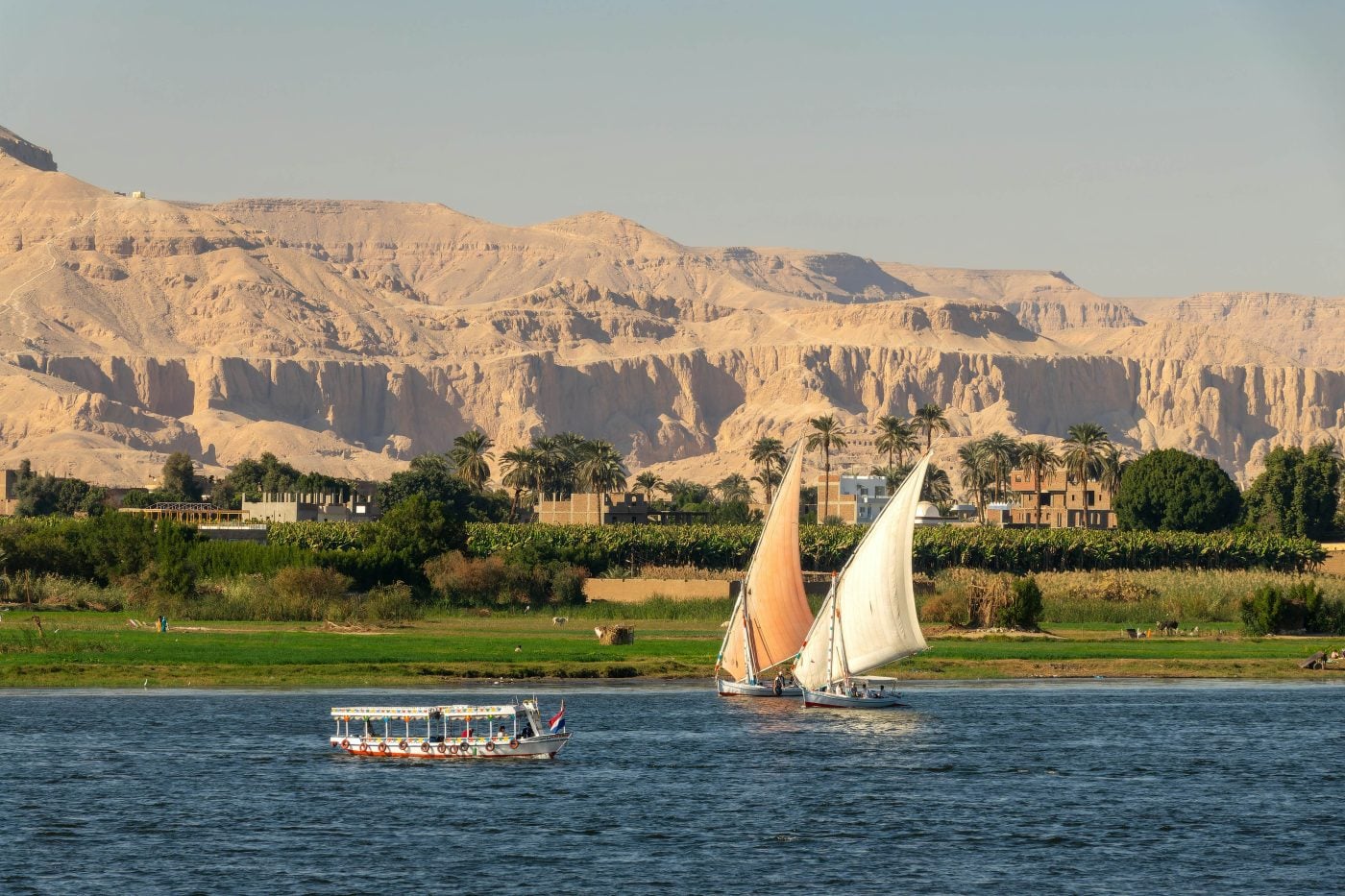
Tour operators are pushing smaller dahabiyas on the Nile now instead of those floating hotel monstrosities. These are traditional wooden sailboats that give you access to quieter temples and a slower pace. You’re actually relaxing instead of just being Instagram-efficient.
Enquiries from travel companies jumped nearly 50% from 2024 to 2025. Families with young kids are coming back. Female solo travellers are up. And apparently people are already booking for the 2027 solar eclipse you can see from Egypt, which is the most Type A travel planning I’ve heard in ages.
But here’s what got me: companies that have done European cycling trips for decades are now launching Egypt itineraries. You’re biking through date groves and villages with Egyptologists riding alongside explaining what you’re looking at. That’s not a tour, that’s immersion, and it’s completely new to Egypt.
Brazil Just Decided To Win At Tourism
No one grew faster than Brazil with a 37% increase in arrivals, and that’s not an accident.
The Brazilian government actually decided to make tourism work by launching a programme to subsidise new flight routes with airlines. Because it doesn’t matter how badly people want to visit if there’s no direct flight or the connection costs more than the holiday.
Smart stuff, even if it’s unsexy policy work.
Brazil’s also benefiting from a perception shift. The Rio Olympics, the World Cup, last year’s São Paulo Grand Prix, the upcoming Women’s World Cup in 2027 – all of it raised the country’s profile. Plus São Paulo’s become a proper global hub for culture, music, and dining. Not just beaches and carnival anymore.
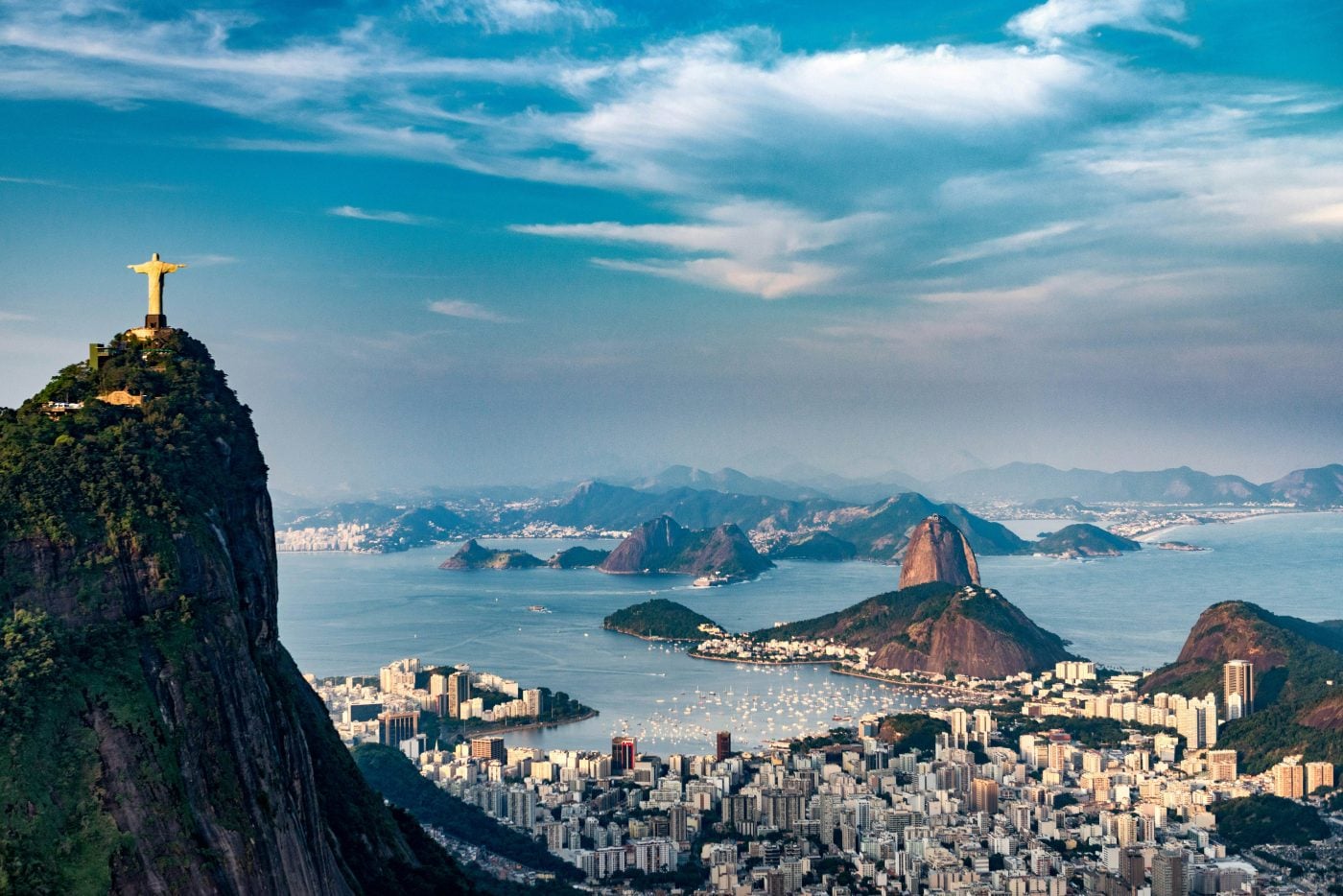
Hotels are seeing a new type of tourist now: executives bringing families, extending stays, actually wanting to connect with local communities instead of just lying by a pool for a week. Call it conscious luxury if you want, but it’s real.
And get this: Brazil has 9,000 kilometres of coastline, which isn’t a typo. So overtourism isn’t the same problem it is in Europe. The challenge is getting people to explore beyond Rio and São Paulo.
Being a late bloomer worked in Brazil’s favour because the industry developed with a more segmented, thoughtful approach from the start. Destinations at risk of getting trampled are already taking action, prioritising meaningful engagement with locals instead of just extracting tourist dollars.
Once you visit two different Brazilian cities, you realise there are many versions of Brazil. Getting to know each one of them is a proper adventure.
Take Belém, which has this historic open-air market and an emerging food scene built on Amazonian ingredients. We’re talking edible ants, unique spices, stuff you can’t get anywhere else.
Ethiopia’s Back (And Always Was Incredible)
Ethiopia posted 15% growth, which contributed to Africa’s 8% continent-wide increase – the strongest regional growth globally, by the way.
This follows years of depressed numbers because of the conflict in Tigray. Flights to the north resumed in 2023, things started recovering in 2024, and now it’s properly bouncing back.
The country launched the Visit Ethiopia platform in 2025 and invested in new hotels and upgraded services, which has clearly worked.
Travel companies are seeing renewed interest from long-standing travellers plus a younger audience looking for active, outdoor-focused experiences. Including school groups of 20-plus kids booking trips, which shows how much the perception of safety has improved.
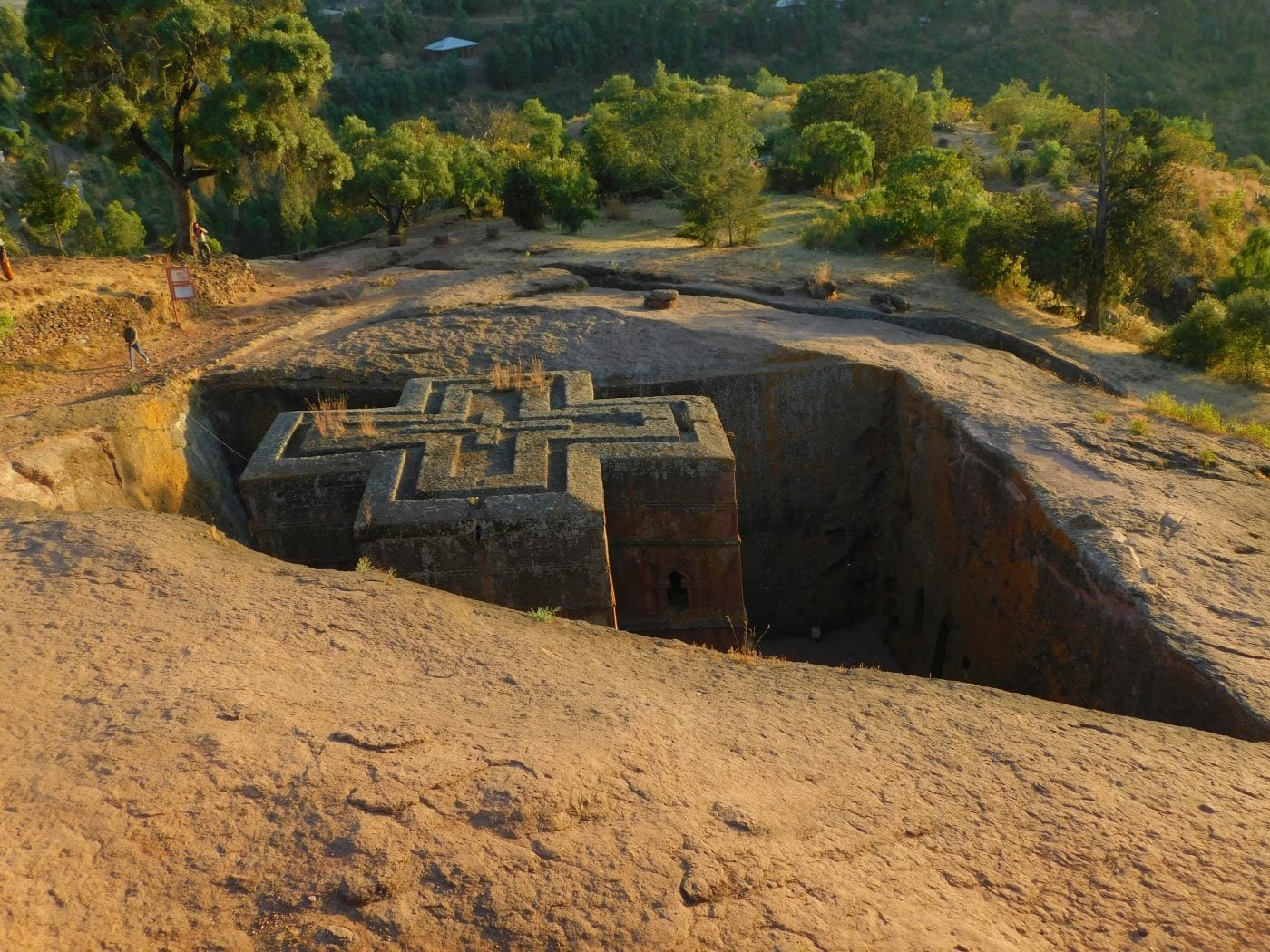
Here’s what makes Ethiopia special: it’s one of the richest destinations on earth for archaeology, anthropology, and natural history. The Axumite Empire legacy in the north includes those rock-hewn churches in Lalibela that look like they were carved by giants.
There’s medieval Gondar architecture. The Simien Mountains, where you can get close to gelada monkeys that exist literally nowhere else on the planet.
Down south, the Omo Valley’s home to communities that have maintained distinct cultural traditions for centuries. This isn’t a theme park version of culture, it’s actual living history.
The Seychelles Stopped Being Just For Honeymooners
Thirteen percent growth for a tiny archipelago off East Africa is pretty impressive when you think about it.
The real shift is broadening the appeal beyond honeymoon travel. Visitors can do way more than just flop on the beach now. Hikes to waterfalls, snorkelling, Creole cuisine, getting stuck into a Moutya dance around a bonfire.
Couples are still the core market, but families and wellness travellers are up.
Properties are introducing vegan menus, though it remains to be seen if they’ll be as popular as the Creole curries. (They won’t be, c’mon.)
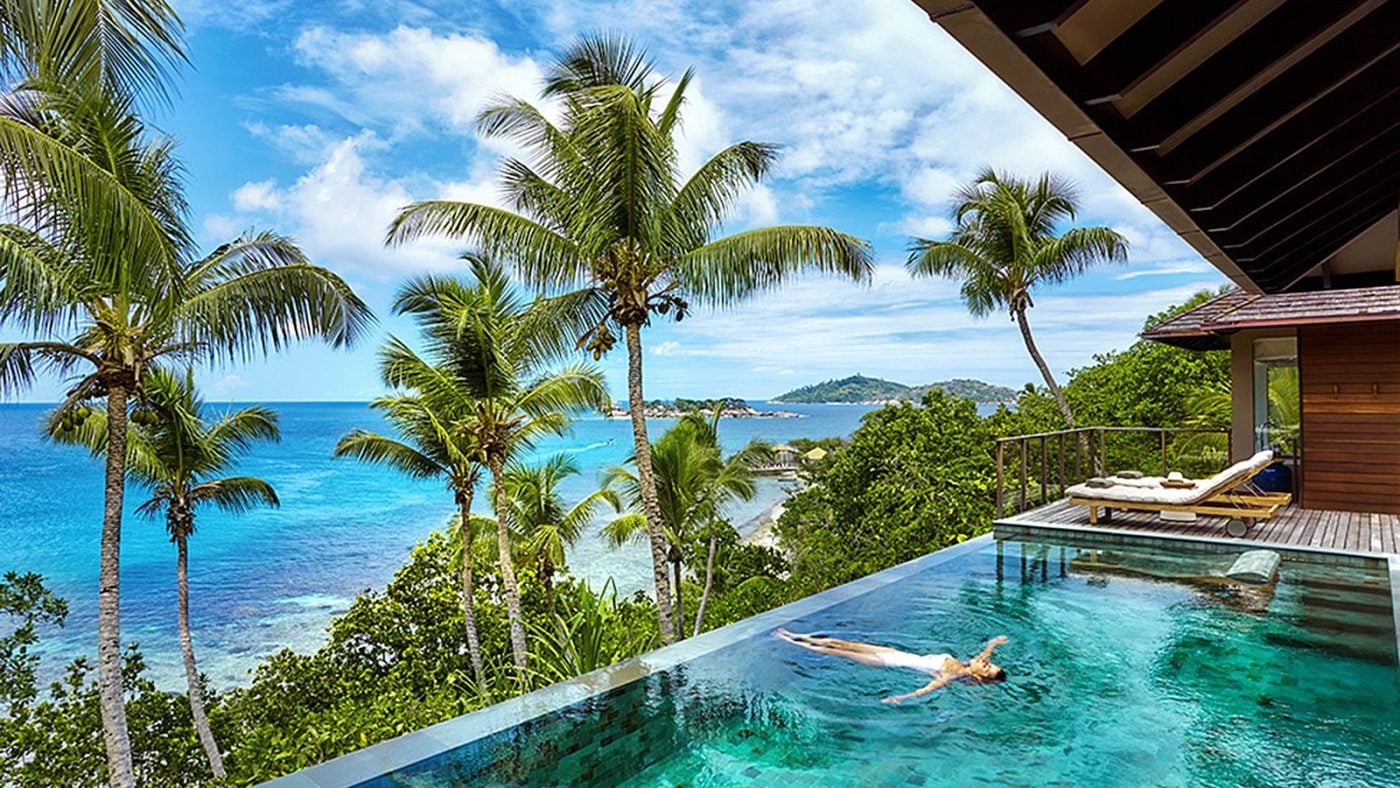
What I didn’t know is that the Seychelles protects 30% of its ocean territory. And there are no private beaches anywhere in the archipelago, so everyone has access. Locals appreciate the beauty just as much as tourists dropping five grand a night.
Worth supporting local makers while you’re there – morning yoga at organic fruit plantations, workshops where local entrepreneurs make handcrafted natural products. That sort of thing actually matters.
Bhutan’s Still Doing It Differently
Bhutan grew 30%, which seems to contradict their whole high-value, low-volume approach. But here’s the thing: they’re making that growth sustainable.
They charge a $100 Sustainable Development Fee per night for tourists, and that money funds infrastructure and services for residents and visitors. The philosophy is clear: low volume doesn’t mean limiting numbers, it means appreciating everyone who visits while they treasure Bhutan’s values.
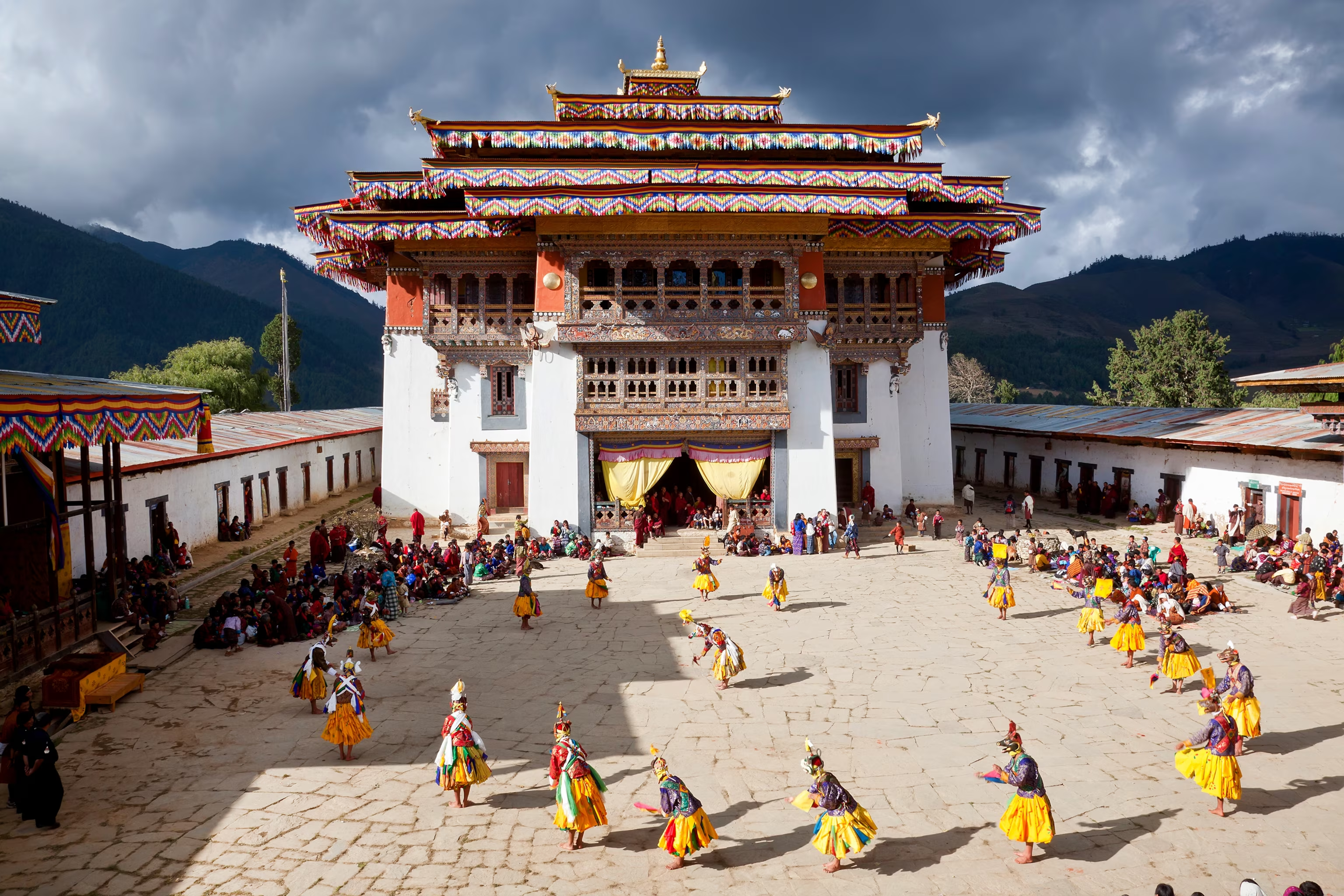
Bhutan’s long been known for measuring Gross National Happiness instead of GDP, which sounds like hippie nonsense until you visit and realise they actually mean it.
The country’s become the antidote to modern travel fatigue. It attracts people who’ve already seen the world and are searching for something deeper.
The experiences that matter most are sitting with a senior monk during a private blessing, spending time with a textile weaver who’s practised their craft for generations, sharing a meal in a remote valley farmhouse. These leave a deeper impression than the major landmarks.
Exploring by motorcycle is one of the most visceral ways to experience the country’s scale and solitude. Hiking’s equally essential. But the real pull is Bhutan’s relationship with impermanence, which offers visitors a rare chance to pause and reflect. That’s ultimately what many travellers are seeking, even if they don’t realise it at first.
What This All Means For You The Traveller
These countries fall into a growing category of high-identity, emerging destinations that are no longer niche but not yet saturated.
More travellers want distinctive culture, landscapes, and actual discovery instead of just another week in Paris or Rome (though both remain excellent, hand on heart).
Countries with strong identity and decent access are winning. And the ones managing growth smartly, whether that’s Brazil’s flight partnerships or Bhutan’s sustainability fees or Egypt’s push toward smaller-scale experiences, they’re the ones who’ll keep winning.
Tourism isn’t dying; it’s just getting smarter about where it goes.

